Why the Abyssinia Origin Story Survived Anyway
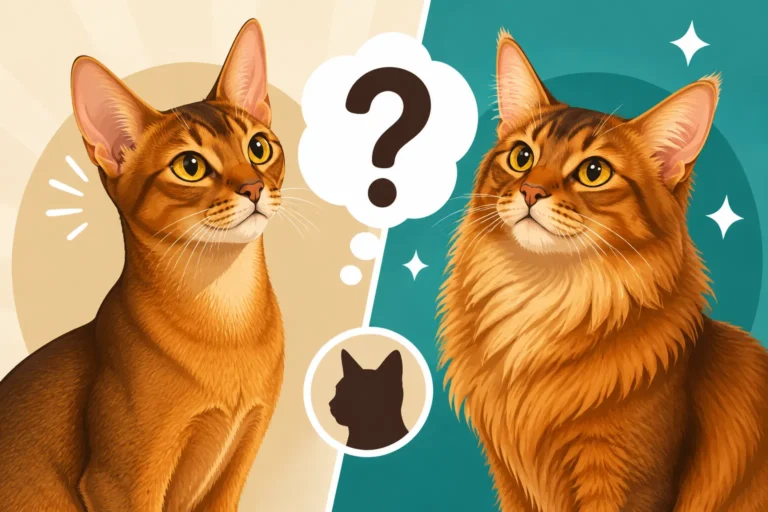
It’s a common thing among Abyssinian cat lovers to hear about their breed's ancient lineage, tied directly to the pharaohs of Egypt or the majestic lands of Abyssinia, modern-day Ethiopia. This romantic notion, while deeply ingrained and often repeated, largely deviates from what modern genetics tells us. It can be a little jarring when you realize the history you've always heard might not be the full picture, leading to a lingering question: why did this particular origin story stick around so powerfully, even when evidence suggested otherwise? This guide dives into the various factors that allowed the Abyssinian's traditional, yet largely inaccurate, origin story to survive and thrive for so long in the collective consciousness of cat enthusiasts and the wider public.
The Allure of an Exotic and Ancient Lineage
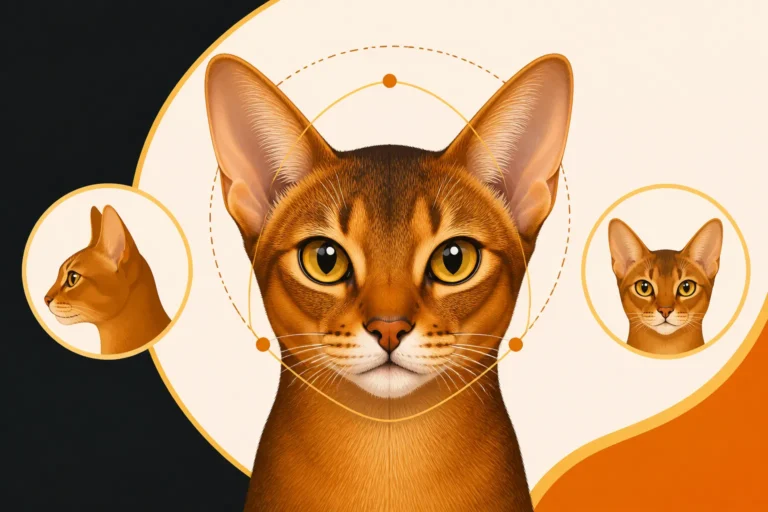
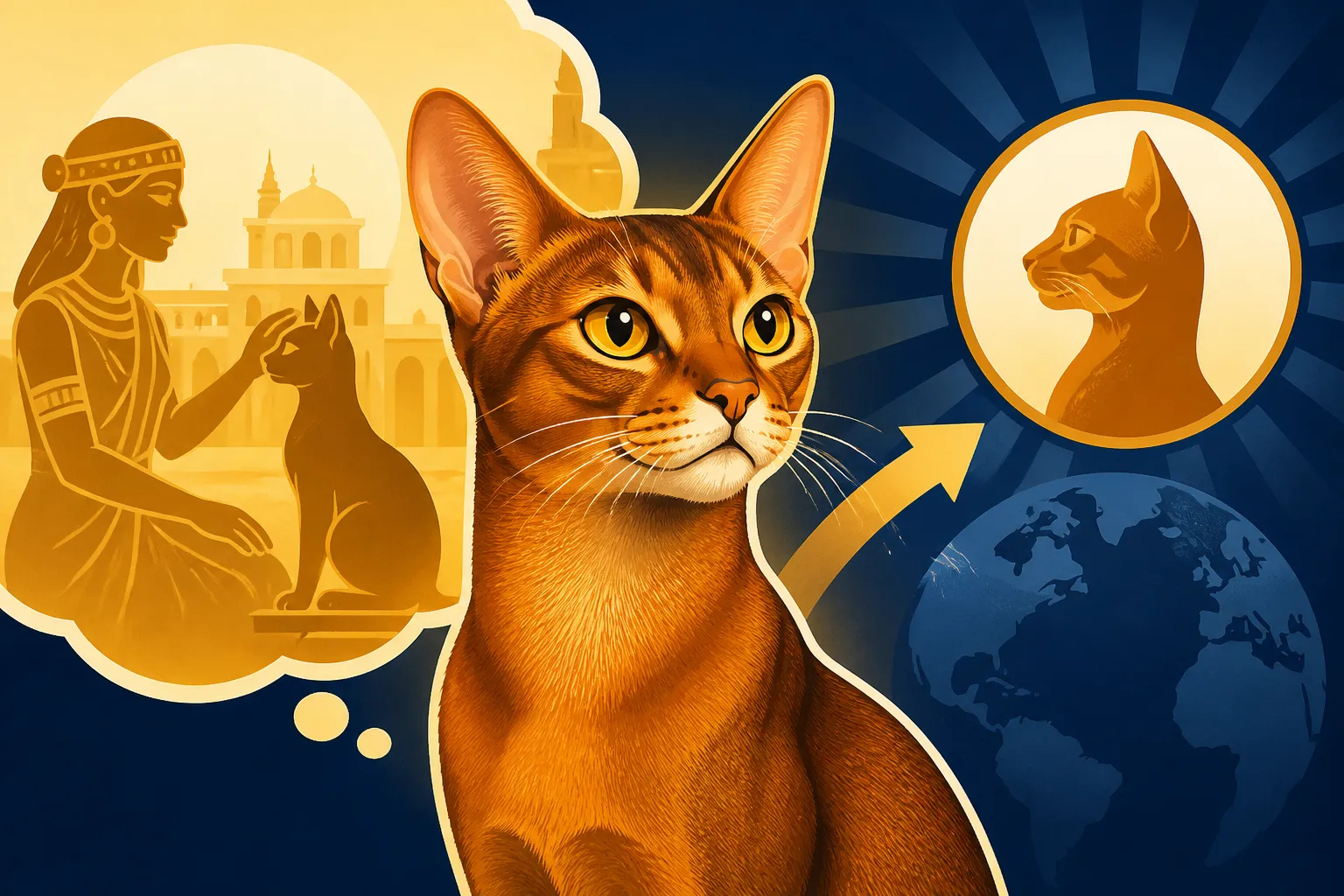
Let's face it, there's something incredibly appealing about a cat breed with a legendary past. When you look at an Abyssinian, with its striking, regal appearance, its lithe body, large ears, and intelligent, almond-shaped eyes, it’s easy to imagine it gracing the laps of ancient royalty. This inherent exoticism and perceived connection to a distant, historically rich land made the "Abyssinian from Abyssinia" narrative incredibly compelling. It wasn't just a cat; it was a living piece of history, a relic from a time of empires and mystique.
Connecting a breed to something ancient and grand gives it an air of prestige that no purely domestic origin could ever rival. Owners could feel a deeper connection, almost like they were custodians of a living artifact. This desire for a significant backstory taps into a very human love for narrative and heritage, elevating the breed beyond mere pet status. It makes the cat more than just an animal; it transforms it into a symbol, a testament to a storied past, even if that story was more wishful thinking than documented fact. The sheer romance of such an origin story often triumphs over a less exciting, though perhaps more accurate, reality.
Connecting to History and Prestige
The idea that your beautiful Abyssinian cat descended from the cats of ancient Egypt, or at least from the then-exotic land of Abyssinia, carried immense prestige. In the early days of cat fancy, breeders and enthusiasts sought to establish deep, noble roots for their beloved breeds. A cat that could claim such an illustrious background immediately garnered more attention and admiration than one whose origins were perhaps a bit more mundane, like a cross between local shorthairs. It wasn't enough for a cat to simply be beautiful; it needed a captivating legend to accompany its good looks.
This connection to a historical context provided a narrative that fueled the breed's popularity and gave it a distinct identity. Imagine telling your friends your cat comes from a long line of ancient Egyptian temple cats, or companions to Ethiopian emperors. It's a much more intriguing tale than saying your cat's ancestors were simply domestic shorthairs that happened to carry a specific gene. This inherent desire for a prestigious backstory contributed significantly to the longevity of the Abyssinia origin story, making it a cornerstone of the breed's early marketing and mystique.
Exoticism and Mystique
Abyssinia, now Ethiopia, was a distant and largely unknown land to many Westerners in the 19th and early 20th centuries. This geographical distance and cultural unfamiliarity only added to the mystique of the breed. It wasn't just from "somewhere else"; it was from a truly exotic locale, a place associated with adventure, ancient civilizations, and perhaps even unexplored secrets. This exotic origin made the Abyssinian stand out among the more common European breeds, giving it an undeniable "wow" factor.
The very name "Abyssinian" itself evokes images of sun-drenched landscapes and a sense of otherworldliness. This mystique was a powerful force in solidifying the origin story, making it seem perfectly plausible that such a striking and unique cat could only have come from such a fascinating place. It fed into a broader fascination with the exotic, a trend popular during the Victorian era when many cat breeds were first being formalized. The narrative of an exotic origin was far more captivating than a story rooted in commonplace selective breeding, hence its enduring appeal.
Early Breed Documentation and the Power of the Printed Word
In the nascent days of the cat fancy, definitive genetic testing simply didn't exist. Record-keeping was often anecdotal, based on perceived similarities and the stories that traveled with individual cats. Once an origin story, however romanticized, made its way into print, it gained an almost unassailable authority. Early breed standards and descriptive texts were powerful tools in shaping public perception and establishing what was considered "fact" about a breed.
Even if later evidence emerged to dispute these early claims, the printed word had already done its work, laying a foundation of belief that was incredibly difficult to dismantle. People tend to trust what they read, especially when it comes from seemingly authoritative sources like breed registries or influential writers. This initial validation, cemented in print, ensured the survival of the Abyssinian's romanticized past for generations.
Harrison Weir's Influence
One of the most significant figures in the early cat fancy was Harrison Weir, often considered the "Father of the Cat Fancy." His seminal work, Our Cats and All About Them, published in 1889, played a monumental role in codifying breed descriptions and histories. In this book, Weir explicitly described the Abyssinian as having originated from Abyssinia, referencing a cat named Zula who was said to have been brought to England after the Abyssinian War in 1868. This was a critical moment for the story. What Harrison Weir Wrote About the Abyssinian details his specific writings.
Weir's influence was immense. As a respected authority, his words carried significant weight, shaping the understanding of the breed for decades to come. Once he put it in print, the Zula story, and the broader Abyssinian origin, became widely accepted truth. It provided a tangible, if somewhat tenuous, link to the exotic past that breeders and owners desired. It’s a testament to his impact that this narrative persisted so strongly, even as later analysis questioned the direct lineage of Zula to the modern Abyssinian population. Zula and the 1868 Story Everyone Repeats goes into more detail about this famous cat.
The Power of Repetition
The old adage "repeat a lie often enough and it becomes the truth" holds a certain uncomfortable resonance when looking at the Abyssinian origin story. Once the narrative was established by figures like Harrison Weir, it was then repeated in subsequent breed books, articles, and breeder advertisements. Each repetition solidified its place in the lore. New owners, new breeders, and the general public all encountered this story as the accepted history, without much reason to question it.
This constant reinforcement created a powerful feedback loop. People would see an Abyssinian, be told its origin, and then find that origin echoed in various sources. This consistency, even if based on shaky foundations, made it feel incredibly credible. Disproving such a widely disseminated and emotionally appealing narrative became a Herculean task, as it was pitted against decades of ingrained belief. It’s hard to let go of a good story, especially when it's been told to you your whole life. When the First Abyssinian Was Registered shows how early formalization contributed to this narrative.
Lack of Genetic Understanding and Limited Records
Before the advent of modern genetic science, tracing the true origins of a cat breed was an incredibly difficult, if not impossible, task. Early breeders relied heavily on visual traits, anecdotal histories, and sometimes sheer speculation. Without the ability to analyze DNA, it was easy to draw conclusions based on appearance or perceived exoticism, rather than on verifiable biological links. This lack of scientific tools left a huge void, which the romantic Abyssinian origin story was more than happy to fill.
Furthermore, the meticulous record-keeping we expect today from pedigreed animal breeding was not always present in the early days. Pedigrees might have gaps, or rely on owner memory, leading to a less-than-complete picture of lineage. This made it hard to definitively prove or disprove any origin story, allowing the more fanciful tales to flourish unchecked for a significant period.
Before DNA: Relying on Appearance and Anecdote
In the late 19th and early 20th centuries, cat breeders and fanciers had to rely almost entirely on what they could see and what they were told. An Abyssinian's ticked coat, slender build, and "wild" appearance made it visually distinct from many other domestic cats. When combined with stories of its supposed arrival from Abyssinia, it was a logical, albeit ultimately flawed, conclusion to connect its appearance directly to that exotic land. Why the Abyssinian Resembles Ancient Egyptian Art explains the visual appeal that led to these connections.
There was no way to confirm genetic markers, no way to trace migratory patterns through mitochondrial DNA. All that existed were the stories passed down and the striking aesthetics of the cat itself. If a cat looked like it could have come from ancient Egypt or distant Abyssinia, and there was a story to back it up, that was often enough. The scientific rigor we apply today simply wasn't available, leaving ample room for appealing anecdotes to become accepted history.
Limited Breeding Records
The early cat fancy, while striving for order, often struggled with consistent and comprehensive record-keeping, especially in its initial stages. Pedigrees were sometimes incomplete, and the exact ancestry of many foundation cats was often obscured or lost. This lack of detailed, verifiable breeding records created a vacuum where a romantic origin story could take root and spread without immediate contradiction. Without a clear paper trail, it was much harder to trace the actual journey of the breed's development.
When the lineage of early Abyssinians was being established, there were gaps. Where did certain traits come from? What were the backgrounds of the original breeding stock? In the absence of meticulous documentation, the story of Zula and the Abyssinian campaign provided a convenient and exciting narrative to fill these blanks. How the Abyssinian Was Bred in Victorian Britain illustrates the challenges of early breeding practices and record-keeping. These limitations inadvertently bolstered the persistent, though ultimately inaccurate, origin story for decades.
Visual Similarities and Artistic Interpretations
Beyond the allure of an exotic name, the Abyssinian's physical characteristics themselves played a huge role in perpetuating the myth. Their lean, muscular bodies, large, expressive ears, and almond-shaped eyes give them a striking resemblance to cats depicted in ancient Egyptian art. This visual connection was incredibly powerful and provided "proof" in the minds of many that the breed must indeed be a direct descendant of those revered felines.
When you see illustrations or carvings from ancient Egypt featuring graceful, often ticked cats, and then look at an Abyssinian, the connection seems almost undeniable. This apparent visual link made the Abyssinia origin story feel deeply intuitive, overriding any later, more scientific, arguments that might point to a different geographical origin for the modern breed.
The "Egyptian Cat" Look
The Abyssinian possesses a truly distinctive appearance, one that many immediately associate with ancient Egyptian artwork. Their lithe, athletic build, their long, slender legs, and their proportionally large, often tufted ears, all contribute to this impression. Perhaps most notably, their expressive, almond-shaped eyes, often rimmed with a darker "eyeliner" effect, are strikingly similar to how cats were depicted in hieroglyphs and tomb paintings. This isn't a mere coincidence; it's a powerful visual cue that reinforces the romantic narrative.
This "Egyptian Cat" look is more than skin deep; it influences how people perceive the cat's entire demeanor – graceful, intelligent, and a little mysterious. It’s hard to shake the feeling that you're looking at a living piece of ancient history when your Abyssinian gazes up at you. This strong visual resonance made it incredibly easy for the origin story to take hold and persist, as it felt instinctively "right" to anyone who had ever seen images of cats from the time of the pharaohs. Whether the Abyssinian Descends From Egyptian Cats delves deeper into this fascinating visual parallel.
Artistic Depictions
Ancient Egyptian art is replete with depictions of cats, often shown as revered household members or even deities. These artistic representations typically portray felines with elegant, slender bodies, alert ears, and a distinct, wilder look than many modern domestic breeds. When early cat fanciers and the public encountered the Abyssinian, these visual echoes were hard to ignore. The Abyssinian, with its ticked coat and graceful form, seemed to jump right out of an ancient fresco.
This perceived connection was not based on scientific fact, but on cultural and aesthetic interpretation. The way artists rendered cats thousands of years ago, highlighting their regal bearing and striking features, found a modern parallel in the Abyssinian. It created a powerful mental link, suggesting continuity from ancient times to the present. For many, this artistic resemblance was compelling enough to cement the Abyssinian's place in ancient history, regardless of scientific proof. It was a story that looked the part, and that, in many ways, was all that mattered for its survival.
The Zula Myth: A Specific, Memorable Tale
Every good legend needs a central figure, and for the Abyssinian, that figure was Zula. The story of Zula, supposedly brought to England from Abyssinia after the British expedition of 1868, provided a concrete, albeit ultimately unverified, narrative around which the breed's origins could coalesce. A specific cat, a specific war, a specific year – these details gave the story a sense of historical accuracy that was hard to dispute without counter-evidence.
The Zula myth offered a romantic and adventurous tale that perfectly suited the burgeoning cat fancy's desire for noble and exotic origins. It was a story that was easy to remember, easy to repeat, and provided a compelling answer to the question of "where did this unique cat come from?" Even though modern analysis has largely debunked the direct ancestral link, the sheer narrative power of Zula's story helped it endure for generations.
Zula's Arrival in England
The story goes that Zula, a female Abyssinian, was brought to England by a Captain Barrett (or possibly General Sir Robert Napier, depending on the telling) at the close of the Abyssinian War in 1868. This narrative provided a clear, exciting reason for the cat's presence in Britain and a direct link to the supposed country of origin. It wasn't just an Abyssinian cat; it was the Abyssinian cat, a tangible representation of its exotic roots. Who Brought Zula to England in 1868 offers more details on the individuals involved in Zula's purported arrival.
This specific origin point made the story highly memorable and replicable. Instead of a vague mention of "cats from Abyssinia," there was a specific individual cat with a heroic journey. This personal touch imbued the narrative with a sense of authenticity and romance that was difficult for later, more prosaic explanations to overcome. Zula became the embodiment of the breed's alleged ancient lineage, a mascot for the myth that kept it alive.
The 1871 Crystal Palace Show
Zula reportedly made an appearance at the famous Crystal Palace Cat Show in 1871, a pivotal event in the early development of the organized cat fancy. Her presence at such a prestigious public exhibition would have immediately elevated the profile of the "Abyssinian" type and cemented its association with its purported exotic origin. Being showcased on such a grand stage, alongside other emerging breeds, gave the Abyssinian a certain gravitas and public validation. What Happened at the 1871 Crystal Palace Show describes the significance of this event.
The show was a massive spectacle, attracting considerable public and media attention. For a unique-looking cat to be presented as coming from a distant, exotic land like Abyssinia, it would have captured the public imagination. The media reports and descriptions from the show further propagated the Zula story, lending it widespread credibility. This public debut ensured the Abyssinian's origin story was not just a whisper among breeders but a proclaimed truth for a wider audience, contributing significantly to its long-term survival.
The Disconnected Lineage
Despite the enduring romanticism of the Zula story, the reality is that there is no definitive, unbroken pedigree linking Zula to the modern Abyssinian cats we know today. Early breeding records are often scant or contradictory, and no clear line of descent has ever been established. The cats recognized as "Abyssinians" in the decades following Zula's reported arrival likely descended from domestic shorthairs in Britain with a similar ticked coat pattern, rather than directly from Zula herself. Why the Link Between Zula and Modern Abyssinians Is Broken elaborates on this crucial disconnect.
This gap in the lineage, while acknowledged by scientific study, often gets overlooked in popular accounts. The idea of a direct, legendary ancestor is simply too appealing to discard, especially when it aligns so well with the breed's striking appearance. The Zula myth persisted not because of genealogical proof, but because it served a powerful narrative function, giving the Abyssinian a compelling and exotic backstory that captured the imagination.
Modern Science vs. Enduring Lore
In the modern era, with the incredible advancements in genetic analysis, the true origins of many cat breeds have come into much sharper focus. DNA studies have provided compelling evidence that often contradicts the romantic legends of the past, including the Abyssinian's purported Ethiopian lineage. While science offers a more accurate, albeit less romantic, account, the older stories often continue to hold sway due to their emotional appeal and long-standing presence in popular culture.
It's a classic battle between verifiable fact and cherished lore. For many, the idea of owning a cat with a direct link to ancient civilizations is far more engaging than a scientific explanation tracing its roots to Southeast Asia. The tenacity of the old stories highlights how deeply human beings are drawn to narrative, especially when it adds a touch of magic and grandeur to something they love.
Genetic Studies and Their Findings
Modern genetic studies have revolutionized our understanding of cat breeds, providing a scientific lens through which to examine their true origins. For the Abyssinian, these studies have largely debunked the direct link to Abyssinia (Ethiopia). Instead, genetic evidence points to an origin in the coastal regions of Southeast Asia, possibly with ancestral cats traveling with traders along ancient maritime routes. What Genetic Studies Say About the Abyssinian's Origin thoroughly explores these scientific findings.
These studies analyze specific genetic markers, tracing common ancestors and population movements over time. The "Abyssinian" gene for ticking, for instance, has been found in cats from this Southeast Asian region. This scientific approach provides a much more robust and evidence-based account than historical anecdotes. While this explanation might lack the dramatic flair of tales involving imperial expeditions, it offers a verifiable truth, though it has struggled to fully displace the enduring legend in popular discourse. What Modern DNA Studies Found About Abyssinian Ancestry provides additional insights.
The Persistence of Romance
Despite the clear genetic evidence pointing to a different origin, the romantic story of the Abyssinian hailing from Abyssinia or ancient Egypt continues to be told and believed by many. There's a powerful human inclination to favor a captivating narrative over a dry, scientific explanation, especially when it concerns something as beloved as a pet. The idea of a cat with a lineage stretching back to pharaohs and distant, exotic lands simply holds more emotional weight and intrigue than an origin story rooted in mundane domestic breeding and global trade routes.
For many Abyssinian enthusiasts, the traditional story is part of the breed's identity, a charming piece of lore that adds to its mystique. It's not about being scientifically accurate; it's about connecting to a grander narrative, fostering a sense of wonder, and celebrating the unique history, real or imagined, of their feline companions. This persistence of romance over hard facts is a testament to the enduring power of storytelling and how deeply ingrained certain narratives can become within a community.
Why the Traditional Name Remains
The very name "Abyssinian" itself acts as a constant reminder and reinforcement of the original, albeit incorrect, origin story. Even though geneticists might point to Southeast Asia, the breed's official name firmly plants it in Abyssinia. Names carry a significant weight; they are labels that define and identify, and once established, they are incredibly difficult to change, even in the face of new information.
This naming convention, decided early in the breed's formalization, essentially cemented the popular narrative into its very identity. It ensured that every time someone mentioned or researched an Abyssinian, they were directed back to the initial, appealing, but inaccurate, story. The name alone serves as a powerful historical anchor, perpetuating the myth for generations.
The Impact of Early Naming Conventions
The decision to name the breed "Abyssinian" was made in the very early stages of organized cat fancy, likely influenced by the Zula story and the general fascination with exotic origins. Once this name was adopted by major registries and publications, it became the official identifier for the breed. This act of naming was profoundly impactful, as it baked the origin story directly into the breed's identity. Why the Abyssinian Was Named After a Country It Is Not From explains the context of this naming.
Changing a widely accepted breed name is a massive undertaking, fraught with logistical and emotional challenges. By the time genetic evidence emerged, the name had been established for over a century, ingrained in breed standards, pedigrees, and the public consciousness. The inertia of an established name is incredibly strong, ensuring that the initial (and incorrect) geographical association continues to be the primary one for the breed.
Semantic Association and Cultural Memory
The word "Abyssinian" carries a strong semantic association with the country formerly known as Abyssinia (Ethiopia). This link is not merely factual but deeply embedded in cultural memory. When people hear the name, their minds immediately conjure images and associations with that specific region. This automatic mental connection ensures that the origin story, even if scientifically disproven, continues to be the default understanding for many.
This is a powerful example of how language shapes perception. The name itself acts as a mnemonic, constantly recalling the original tale. Over generations, this association becomes so strong that it’s almost impossible to decouple the breed from its namesake, regardless of scientific findings. The cultural memory of the name, bolstered by decades of repetition and widespread acceptance, is a formidable force that ensures the Abyssinia origin story, in spirit if not in fact, continues to thrive.
Disclaimer
This article is for general informational purposes only and does not constitute professional advice. Laws, prices and regulations vary by location and change over time. Consult a qualified professional for guidance on your specific situation.