When the Abyssinian Reached the United States
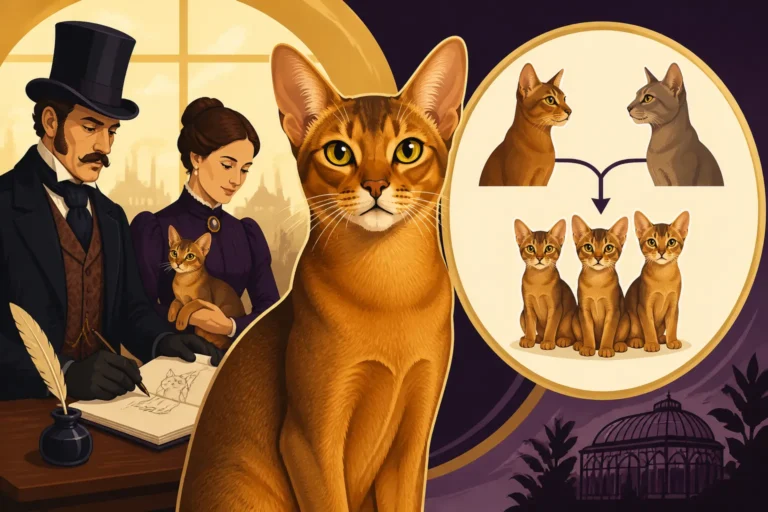
If you've ever admired the sleek, athletic form and intelligent gaze of an Abyssinian cat, you might assume this "ancient" breed has been a fixture in American homes for centuries. However, the truth is a bit more recent and full of fascinating twists! It's easy to overlook the specific journey a breed takes to establish itself in a new country, and for the Abyssinian, its arrival and flourishing in the United States tell a unique story of preservation and dedication. This guide will take you through the pivotal moments when the Abyssinian made its way across the Atlantic and carved out its place in American cat fancy.
The Abyssinian's Early European Footprint
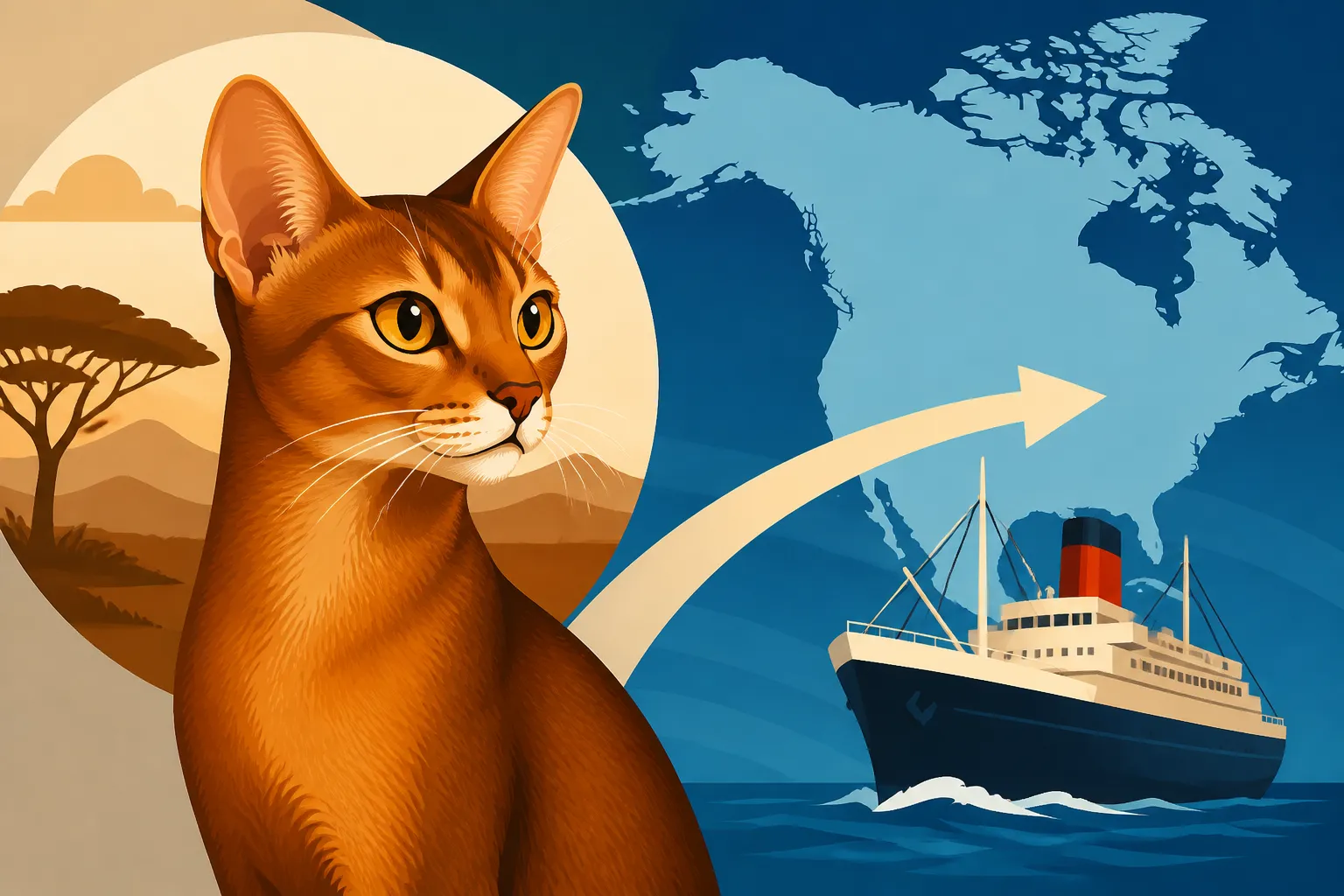
Before we dive into the breed's American debut, it's essential to understand its somewhat mysterious origins and initial establishment in Europe. The Abyssinian, despite its exotic name, likely doesn't hail from Abyssinia (modern-day Ethiopia) as popularly believed. Most genetic studies point towards a more Southeast Asian or Indian Ocean coast origin, with the breed making its way to Europe via trade routes. For more on this, you might enjoy The Abyssinian Is Probably Not From Abyssinia.
The breed first gained significant attention in England in the late 19th century, with the most famous early tale revolving around a cat named Zula, purportedly brought back from the Abyssinian War in 1868. While the story of Zula is enchanting, and you can read more about it in Zula and the 1868 Story Everyone Repeats, there's no definitive evidence linking her to the modern Abyssinian bloodlines. Nevertheless, by the 1870s and 1880s, Abyssinians were being exhibited in cat shows in Britain, admired for their distinctive ticked coats and lively personalities.
Near Extinction in Britain
The early 20th century, particularly the tumultuous periods of the two World Wars, proved to be incredibly challenging for many pedigree cat breeds, and the Abyssinian was no exception. Breeding programs were disrupted, resources became scarce, and genetic pools dwindled. There were times when the breed nearly vanished entirely from Britain. This precarious situation in its European homeland underscored the critical importance of its establishment elsewhere for its long-term survival. The British Abyssinian population faced further blows from widespread feline diseases, particularly after World War II, which made preserving existing lines incredibly difficult. The Abyssinian Nearly Disappeared From Britain Twice offers a deeper look into these struggles.
The Foundation of American Abyssinian Lines
It was against this backdrop of fragility in Europe that the Abyssinian's future began to solidify across the Atlantic. The handful of Abyssinians that made their way to American shores would become the foundation for a vibrant and thriving population, essentially acting as an ark for the breed during its darkest hours in Europe. Without these early imports and the dedicated American breeders who championed them, the Abyssinian we know today might look very different, or perhaps not exist at all.
Crossing the Atlantic: The Abyssinian's Arrival in America
The precise moment the first Abyssinian cat stepped paw on American soil is a bit hazy, but certainly, by the early 20th century, these elegant felines were making their way into the homes and catteries of American enthusiasts. This wasn't a mass migration but rather a steady trickle of individual cats, often brought over by passionate individuals who had fallen in love with the breed in Europe or read about its unique qualities.
Early Imports and Pioneers
While there isn't one single "first" Abyssinian that can be definitively named, records indicate that Abyssinians were present in the United States by the early 1900s. The Cat Fanciers' Association (CFA) registered its first Abyssinian in 1909, though the breed was likely present before then. These early imports typically came from British lines, as the UK was the primary hub for Abyssinian breeding at the time.
One of the most significant early figures in establishing the Abyssinian in America was a woman named Carolyn Wetmore from California. Her cattery, "Pussywillows," played a crucial role in importing and breeding Abyssinians during the mid-20th century. Her dedication, alongside other pioneering breeders, helped create a strong genetic foundation for the breed in the US, distinct from the struggling European lines. These breeders were truly passionate, understanding that they were not just acquiring pets, but preserving a piece of feline history. They spent countless hours studying pedigrees and ensuring the health and integrity of their lines.
The Interwar Period and Post-War Resurgence
The period between the two World Wars saw a slow but steady increase in the Abyssinian population in the US. American breeders were actively working to establish their own lines, often cross-breeding with domestic shorthairs when necessary to broaden the gene pool, much like their British counterparts had done in earlier decades. This careful and sometimes challenging work ensured the breed's survival during a time when war made international exchange difficult and European populations were facing devastation.
Following World War II, the American Abyssinian population truly flourished. While the British lines were decimated, American breeders were able to provide a vital lifeline, sending cats back to Europe to help rebuild the breed there. This collaborative effort speaks volumes about the dedication of Abyssinian enthusiasts worldwide. These were not just pets; they were living legacies, and their breeders felt a profound responsibility to protect them. The meticulous record-keeping and careful pairings by these early American catteries proved invaluable in bringing the Abyssinian back from the brink.
Establishing the Breed in the New World
Once Abyssinians had arrived, the real work began: establishing a healthy, vibrant, and genetically diverse population that could thrive independently. This wasn't just about breeding cats; it was about building a recognized and respected presence within the American cat fancy.
Challenges of a Limited Gene Pool
One of the primary hurdles for early American Abyssinian breeders was the limited gene pool. With only a small number of imported cats, there was a risk of inbreeding and the propagation of undesirable traits or genetic health issues. Breeders had to be extremely careful and selective in their pairings to maintain genetic diversity and health. This meant meticulous research into lineage and sometimes waiting for new imports to diversify their lines further. They understood that building a healthy foundation was paramount, even if it meant slower growth in numbers.
This careful approach is still a hallmark of responsible Abyssinian breeding today. Owners looking for a kitten should always inquire about the health testing of the parents, ensuring that common genetic conditions like Pyruvate Kinase Deficiency (PKD) and Progressive Retinal Atrophy (PRA-rdAc) have been screened for. For example, a reputable breeder will have certificates from labs like Optimal Selection or Wisdom Panel, often listing results right on their website or on a platform like Chewy's pet health records section if they use it for their own pets. You can learn more about specific tests in The Abyssinian Has Three DNA Tests and One Disease With None.
Developing the American Standard
As the breed became more established, American breeders began to refine their vision for the ideal Abyssinian, leading to the development of specific breed standards by organizations like the CFA. While rooted in the original British standards, the American interpretation began to emphasize certain characteristics that would eventually differentiate the "American Abyssinian" from its European counterparts. This involved a lot of discussion, compromise, and careful selection within breeding programs.
These standards, painstakingly crafted over decades, served as a blueprint for what a show-quality Abyssinian should embody. They detailed everything from coat color and ticking patterns to head shape, ear set, and body type. Adhering to these standards helped to create a consistent look and temperament for the breed across the country, ensuring that breeders were all working towards a common, recognized ideal. This consistency also made it easier for judges to evaluate cats fairly in competition.
American Abyssinian Lines and Their Distinctives
The Abyssinian's journey in the United States led to the development of its own unique characteristics, subtly distinguishing the American-bred Abyssinian from those developed in other parts of the world, particularly the UK and Europe.
The "American Look" vs. European Styles
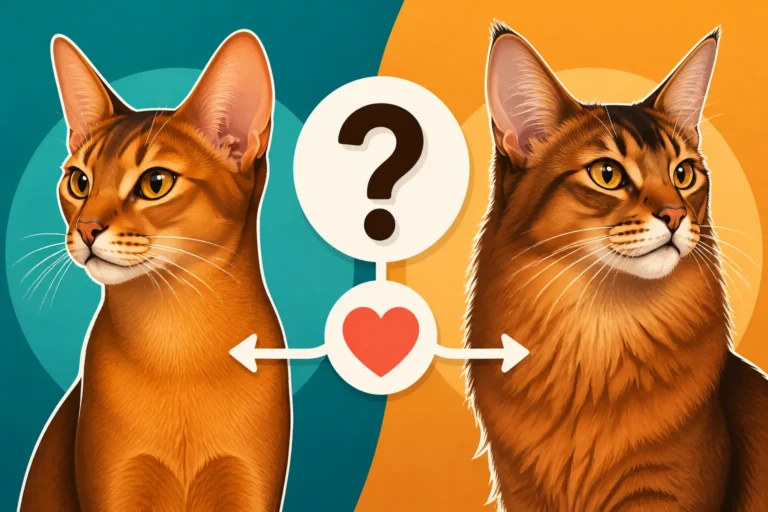
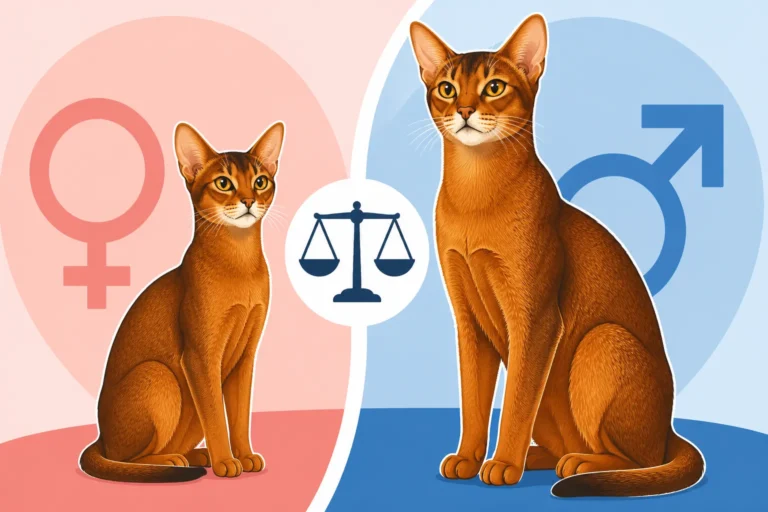
Over time, American breeders tended to favor a slightly different look for the Abyssinian. Generally, the "American Abyssinian" is often described as having a more refined, elegant, and somewhat lighter build compared to some European lines, which can appear a bit stockier or heavier. This isn't a hard and fast rule, as there's always variation, but it's a trend that emerged from breeding priorities and aesthetic preferences. The American standard leaned towards a more "foreign" type, emphasizing the lithe, athletic body, and slightly longer legs, giving the cat a graceful, almost tiptoeing appearance.
The head shape and ear set also saw subtle divergences. American Abyssinians typically feature a somewhat wedge-shaped head with larger, more widely set ears, contributing to their alert, intelligent expression. European lines, while equally beautiful, sometimes maintained a slightly rounder head and less pronounced ear set. These subtle differences became the hallmark of dedicated breeding lines and were proudly showcased in cat shows across the continent. You can explore these differences further in How the American Abyssinian Differs From the British.
Notable American Catteries and Their Legacy
Throughout the 20th century, numerous American catteries became instrumental in shaping the Abyssinian breed. These were often family-run operations, built on a deep love for cats and a commitment to preserving and improving the breed. Their legacies are found in the pedigrees of countless Abyssinians today. They dedicated years, even decades, to careful selection, health screening, and temperament assessment.
These catteries were more than just places where kittens were born; they were centers of knowledge and passion. Breeders exchanged ideas, mentored newcomers, and collaborated to overcome challenges. The collective effort of these dedicated individuals ensured that the Abyssinian not only survived but thrived in America, becoming a beloved and recognizable breed. One prominent example is the work done by breeders that are credited for founding the modern Abyssinian in the US, as discussed in Which American Cattery Founded the Modern Abyssinian.
Here's a quick overview comparing general characteristics that evolved between American and European Abyssinian types:
| Feature | American Abyssinian (General Trend) | European Abyssinian (General Trend) |
|---|---|---|
| Body Type | More slender, lithe, elegant, medium | Slightly more cobby, muscular, medium-heavy |
| Legs | Longer, fine-boned, giving a "tiptoe" stance | Proportionate, often appearing sturdier |
| Head Shape | Moderate wedge, slightly longer nose | Slightly rounder, less pronounced wedge |
| Ears | Larger, more widely set, often cupped | Medium to large, set slightly closer |
| Eye Shape | Almond-shaped, expressive | Almond-shaped, sometimes rounder appearance |
| Overall Impression | Refined, athletic, graceful, alert | Robust, classic, sometimes more "feral" |
| Breeding Focus | Emphasis on elegance, agility, intelligence | Emphasis on robust health, traditional type |
It's important to remember that these are general trends and there's significant overlap and individual variation within both populations.
Formal Recognition and Growing Popularity
Official recognition by major cat registries was a pivotal step in the Abyssinian's establishment and growth in the United States. This formalized its status, provided guidelines for breeding, and opened the doors to widespread exhibition.
Gaining Championship Status
The Cat Fanciers' Association (CFA), one of the largest pedigree cat registries in the world, granted the Abyssinian championship status in 1929. This was a monumental moment for the breed in America. Championship status meant that Abyssinians could now compete for prestigious titles at CFA-sanctioned shows, significantly increasing their visibility and desirability among cat enthusiasts. This recognition brought a sense of legitimacy and encouraged more breeders to commit to the breed. You can read more about this significant milestone in When CFA Recognized the Abyssinian.
Similarly, other American cat registries also recognized the Abyssinian, further solidifying its place in the American cat fancy. This widespread acceptance provided breeders with a clear framework for pedigrees, registrations, and show rules, contributing to a more organized and robust breeding community. It also meant that breed enthusiasts could easily find reliable information and resources, often available through online pet supply retailers like Chewy, which sometimes carries educational materials from breed associations.
The Abyssinian in American Homes
From the mid-20th century onwards, the Abyssinian's popularity steadily grew in the United States. Its unique combination of striking appearance, playful intelligence, and affectionate (though not always lap-sitting) nature made it a favorite among those seeking an active and engaging companion. Abyssinians are known for their high energy and need for mental stimulation, often referred to as the "Clowns of the Cat Kingdom."
Today, the Abyssinian is a well-established and cherished breed in American homes. Its captivating personality and low-maintenance coat make it a wonderful companion for active families or individuals. While they may not be as common as some other breeds, their loyal following appreciates their distinct charm. For potential owners, understanding the breed's history can deepen their appreciation for these resilient and captivating felines, a breed that almost vanished but found a new home and a bright future in the United States. If you're considering bringing one home, it's worth checking out How Much a Pet Abyssinian Costs From a Breeder and How to Vet an Abyssinian Breeder Before Paying to ensure you're getting a healthy, well-socialized kitten. Their typical lifespan of The Twelve to Fifteen Years an Abyssinian Usually Gets means a long-term commitment, but one filled with endless joy and playful antics.
Disclaimer
This article is for general informational purposes only and does not constitute professional advice. Laws, prices and regulations vary by location and change over time. Consult a qualified professional for guidance on your specific situation.