Which Abyssinian Colors CFA Recognizes
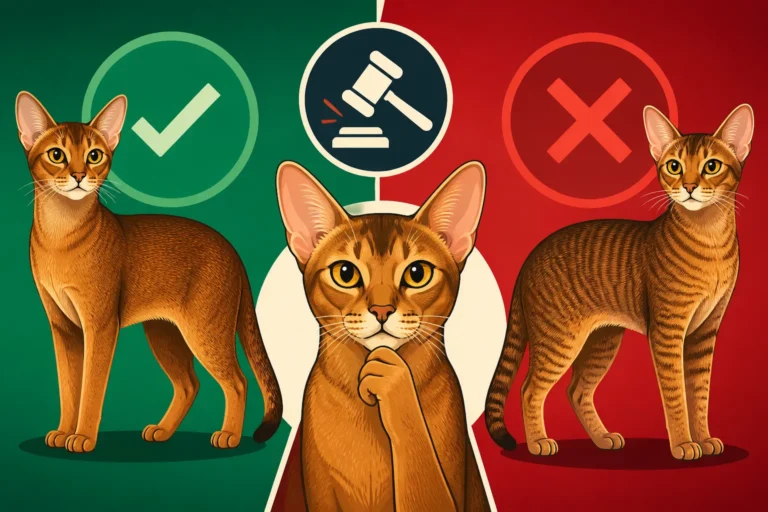
It can be incredibly confusing when you're first learning about Abyssinian cats, especially with all the talk of different colors and patterns. You might see gorgeous cats advertised online in shades you've never heard of, only to learn that not all registries consider them "official." This guide will help you understand precisely which beautiful coat colors the Cat Fanciers' Association (CFA) recognizes for the Abyssinian breed, clarifying what you can expect from a show-quality cat and what those other, lovely variations actually are.
Understanding the Abyssinian's Ticked Coat
Before we dive into the specific recognized colors, it's really important to grasp what makes an Abyssinian's coat so unique in the first place: its ticking. Unlike a tabby cat with distinct stripes or spots, an Abyssinian has what's called an agouti coat. This means that each individual hair isn't just one solid color; instead, it has bands of color, giving the coat a shimmering, almost iridescent quality when the cat moves. It's this ticking that truly defines the Abyssinian's appearance and makes its recognized colors so distinctive.
The Agouti Gene and Ticking Explained
The magic behind the Abyssinian's coat lies squarely with the agouti gene. This gene is responsible for producing the banded hairs that are the hallmark of the breed. Imagine each strand of hair as a tiny miniature tiger stripe: a light band, then a dark band, then another light band, and so on, usually with a dark tip. This isn't just some random quirk; it's a specific genetic trait that has been carefully bred for over generations. When you run your hand over an Abyssinian's coat, you don't feel distinct stripes or blotches; instead, you feel a smooth, short coat that appears uniformly colored from a distance, but up close, it reveals an intricate tapestry of shades. This intricate banding is why Abyssinians look so much like miniature pumas or wildcats. It's a key part of their historical appeal and why breeders work so hard to maintain that clear, unbarred ticking. You can learn more about this fascinating genetic trait by reading How an Abyssinian's Agouti Banding Works and Why Each Abyssinian Hair Carries Three or Four Bands.
Why the Standard Abyssinian Coat Appears 'Warm'
Because of the way the agouti ticking works, most Abyssinian colors tend to have a certain warmth to them. The lighter bands on each hair shaft are often a rich, golden, or cream tone, which plays beautifully against the darker bands. This interaction of light and dark, warm and cool tones, gives the Abyssinian its famous glow. When the cat walks, the light catches these different bands, creating a dynamic shimmer that few other breeds possess. This effect is most pronounced in the ruddy and sorrel colors, but even the dilute blues and fawns carry a subtle warmth beneath their cooler outer appearance. It's truly a marvel to behold, and it's one of the primary reasons why Abyssinian enthusiasts are so drawn to these cats. The depth of color is simply captivating, and it's something you really have to see in person to fully appreciate.
The Core Four: CFA Recognized Abyssinian Colors
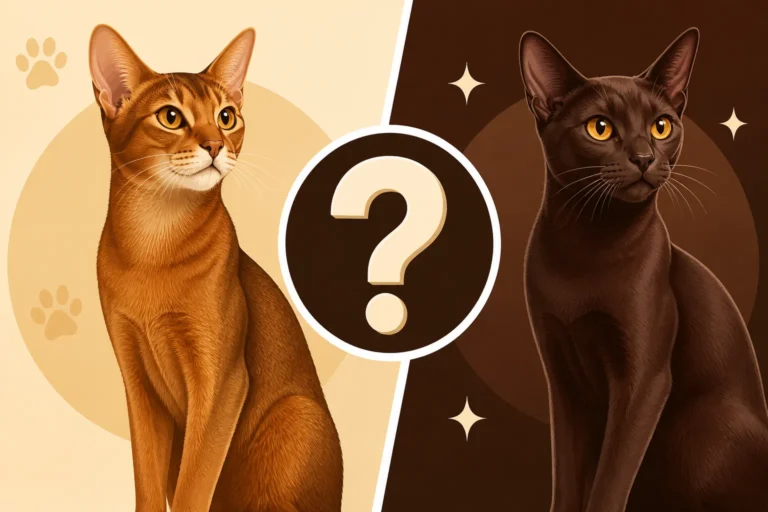
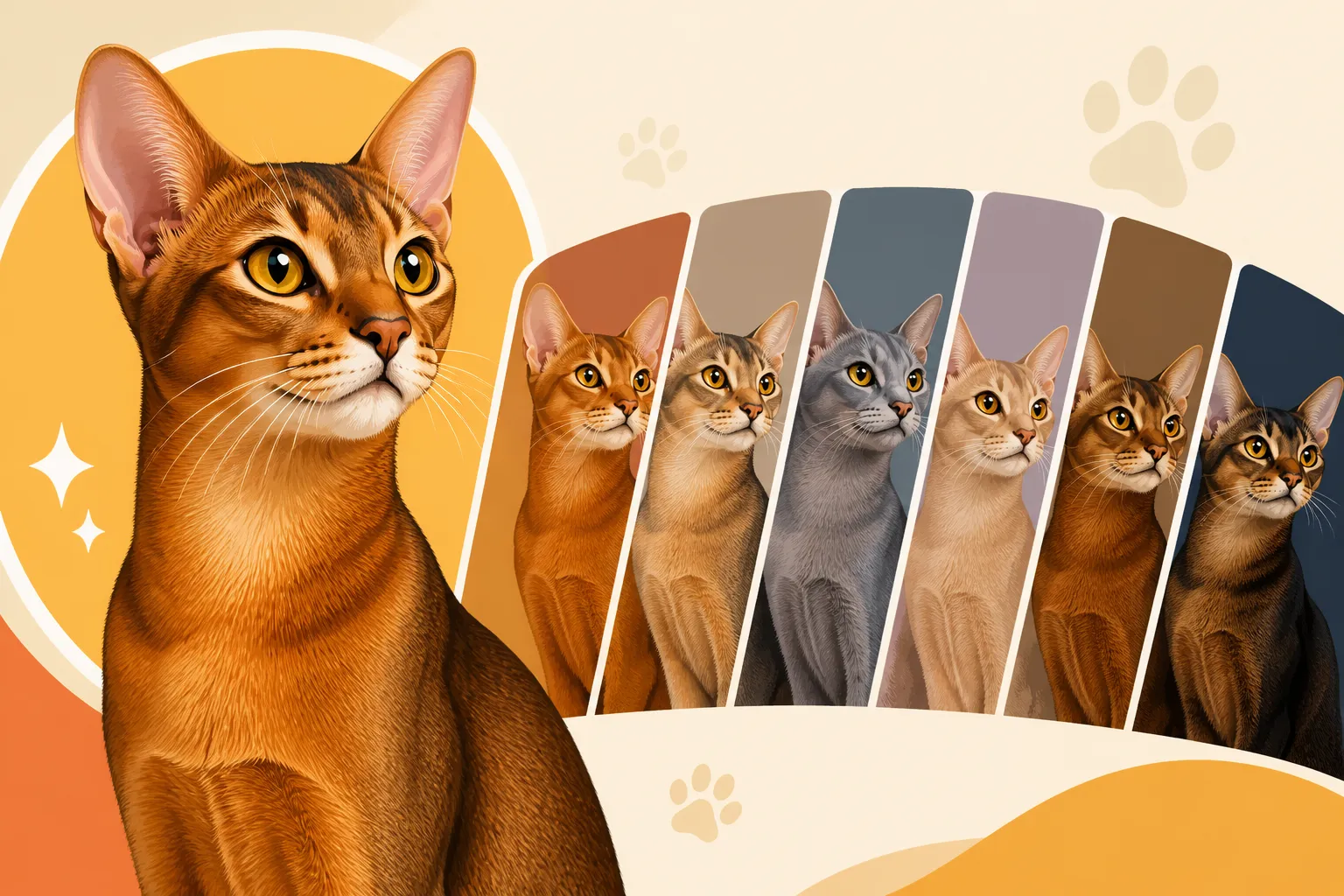
The Cat Fanciers' Association, one of the most prominent cat registries, officially recognizes four distinct colors for the Abyssinian breed. These four colors are considered the standard and are the ones you'll see in the show ring. Each has its own unique charm and specific genetic makeup that breeders strive to maintain. These are the colors that define the classic Abyssinian look and pedigree.
Ruddy: The Classic Abyssinian Hue
Often called "Usual" in some parts of the world, Ruddy is the original and most common Abyssinian color. It's a rich, warm, reddish-brown base with black ticking. Think of a wild rabbit or a fox; that's the kind of earthy, vibrant tone we're talking about. Each individual hair has bands of black on a deep apricot or reddish-brown background, typically ending with a black tip. The overall impression is a rich, warm brown, often with a darker line running down the spine and tail tip. The pads of their paws are usually black or dark brown, and they often have a brick-red nose outlined in black. Many people new to the breed imagine this color when they hear "Abyssinian." It's a truly striking color that showcases the ticking to perfection. If you want to dive deeper into this specific shade, check out What a Ruddy Abyssinian Actually Looks Like.
Sorrel: The Rich, Warm Cinnamon
Sorrel is another incredibly popular and stunning color, often mistakenly referred to as "Red" in some circles. It's a gorgeous, warm cinnamon or copper tone with chocolate-brown ticking. Instead of black, the ticking here is a lighter, reddish-brown, giving the entire cat a vibrant, almost fiery appearance. The base color is a brighter apricot or deep copper. Their nose leather is typically pink, often outlined in a reddish-brown, and their paw pads match, being pink or cinnamon. Sorrels have an undeniable presence; their coats seem to glow, especially in natural light. This color truly highlights the Abyssinian's sleek physique and active nature, making them look even more like tiny, graceful deer. For more details on this fiery hue, consider reading What a Sorrel Abyssinian Looks Like.
Blue: A Cool, Elegant Grey
Moving into the dilute colors, we find Blue. This isn't a bright, primary blue, of course. Instead, it's a soft, muted blue-grey, with bands of slate blue ticking on a softer, cream-colored base. The overall effect is a stunning, cool grey with hints of peach or fawn undercoat showing through. Imagine a smoky, ethereal grey, incredibly sophisticated and refined. Their nose leather is a dark rose, often outlined in dark blue or grey, and their paw pads are similarly dark blue-grey. Blue Abyssinians possess a quiet elegance, and their coats often appear exceptionally soft and plush due to the lighter color. They stand in beautiful contrast to the warm ruddy and sorrel tones, offering a different kind of beauty within the breed. To appreciate the nuances of this color, you can refer to What a Blue Abyssinian Looks Like.
Fawn: The Delicate Sandy Tone
Fawn is the palest of the four recognized colors, a truly delicate and refined shade. It's a warm, rosy cream or beige, with soft, dilute fawn ticking. The ticking is a light taupe or mushroom grey, giving the coat an overall sandy, almost powdery appearance. The base color is a lovely warm cream, making the cat look incredibly soft and ethereal. Their nose leather is a delicate pale rose, outlined in light fawn, and their paw pads are a soft, rosy fawn. Fawn Abyssinians are often described as having a porcelain-like quality, and their gentle coloring complements their expressive eyes beautifully. They might be less common than ruddy or sorrel, but they possess an undeniable, understated charm. For a closer look at this subtle shade, check out What a Fawn Abyssinian Looks Like.
Beyond the Core: Colors Not Recognized by CFA
While the four recognized colors are the foundation of the Abyssinian breed standard within the CFA, the genetics of cats can produce a wider array of coat colors. It's important to understand that while these other colors may be beautiful and perfectly healthy, they do not meet the strict criteria for showing or breeding within the CFA registry. This doesn't make them any less of an Abyssinian, just one that falls outside the official show standard.
Silver Abyssinians: A Genetic Twist
Silver Abyssinians are breathtaking to behold, often featuring stark black ticking over a dazzling, pure white or pale silver base coat. This creates a high-contrast, almost monochromatic effect that is incredibly striking. The silver gene actually inhibits the production of yellow or red pigment in the undercoat, replacing it with a cool silver or white. So, instead of the warm apricot or cream base, you get silver. While absolutely stunning, the CFA does not recognize silver as an official Abyssinian color. Other registries, however, might. If you ever encounter a silver Abyssinian, you're seeing a genetic variation that produces a truly unique and beautiful cat, even if it can't compete in CFA shows. This difference highlights the specific requirements for different cat associations and the diversity within the breed's genetic potential.
Chocolate, Lilac, and Other Variations
Beyond silver, you might encounter Abyssinians in colors like chocolate, lilac (also known as lavender), or even cream. These colors arise from further genetic dilutions or modifications of the primary colors. For example, chocolate is a genetic variation of black, and lilac is a dilute form of chocolate. Cream is a dilute form of sorrel. While these variations are genetically possible and result in equally charming and healthy cats, they are not recognized by the CFA. The CFA maintains a very specific standard for the Abyssinian, focusing on the traditional four colors that embody the breed's historical development and characteristic appearance. This doesn't mean these cats are "bad" or "unhealthy"; it simply means they don't conform to the precise aesthetic criteria set forth by that particular organization. It's a bit like having a car in a custom paint job versus a factory standard color – both are functional, but only one is "stock."
The Importance of a Reputable Breeder and Pedigree
Understanding recognized colors goes hand-in-hand with finding a reputable Abyssinian breeder. An ethical breeder will not only breed for health and temperament but also adhere to breed standards, including color. When you're looking for an Abyssinian, especially one intended for showing or breeding, knowing the recognized colors is crucial. Even for a beloved pet, understanding the lineage and genetic background from a responsible breeder is paramount.
Why CFA Recognition Matters for Showing and Breeding
For anyone interested in the competitive world of cat showing, or for those aiming to contribute to the Abyssinian gene pool through breeding, CFA recognition is everything. A cat must meet the breed standard, including being one of the four recognized colors, to be eligible for championship status in CFA shows. This adherence to standards helps preserve the distinct characteristics of the Abyssinian breed. Breeders who focus on CFA-recognized colors are often committed to the overall health and integrity of their lines, ensuring that their cats are not only beautiful but also conform to the established ideal. It’s about maintaining a consistent vision for the breed, one that has been carefully cultivated over decades. When you see an Abyssinian winning at a CFA show, you can be sure it exhibits all the hallmarks of the breed, including its stunning, correctly-colored ticked coat.
Verifying Your Abyssinian's Pedigree and Parentage
When you're looking for an Abyssinian, a responsible breeder will always provide you with documentation, including a pedigree. This pedigree is essentially your cat's family tree, tracing its lineage back several generations and confirming its purebred status. It will also specify the colors of the cat's parents and grandparents. This is important for understanding the genetic background of your kitten, especially in relation to coat color and potential genetic health issues. A pedigree from a reputable registry like CFA gives you assurance about your cat's heritage. Never hesitate to ask for these papers. A good breeder will be proud to share them and explain Which Registry an Abyssinian's Papers Come From and How an Abyssinian's Coat Color Is Registered. They'll also typically have had the parents tested for common genetic issues, which is something you should definitely inquire about. You can even sometimes verify these details on platforms like Chewy by checking their breed guides, though always confirm with the breeder's direct documentation.
The Ethical Breeder's Role in Color Breeding
An ethical Abyssinian breeder prioritizes the health and well-being of their cats above all else, and that includes careful consideration of genetics and breed standards. They won't chase "rare" or unrecognized colors simply because they might fetch a higher price. Instead, they focus on producing healthy kittens with excellent temperaments and coats that meet the CFA standards. This means they will conduct health testing, provide clear pedigrees, and offer health guarantees. They understand that while a silver or chocolate Abyssinian might be visually appealing, breeding for non-recognized colors can sometimes inadvertently introduce undesirable traits or health concerns if not done with extreme care and knowledge of genetics. They'll be transparent about their breeding program and answer any questions you have, whether it's about What an Abyssinian Breeder's Health Guarantee Covers or even where they source their specialized cat food (some reputable breeders recommend certain brands, often found on sites like Chewy, to maintain optimal coat health). Their goal is to ensure the long-term health and vitality of the Abyssinian breed, respecting the standards that have been established over many years.
Disclaimer
This article is for general informational purposes only and does not constitute professional advice. Laws, prices and regulations vary by location and change over time. Consult a qualified professional for guidance on your specific situation.