How an Abyssinian’s Head and Ears Are Judged
When you welcome an Abyssinian into your home, you're not just getting a cat; you're adopting a living piece of art, a vibrant, intelligent companion whose very appearance sets them apart. Many prospective owners are captivated by their striking looks, particularly their intelligent, alert head and large, expressive ears, but understanding what makes these features so iconic, especially in the context of breed standards, can be a fascinating journey. This guide will walk you through the intricate details of how an Abyssinian's head and ears are assessed, giving you a deeper appreciation for this magnificent breed.
The Distinctive Abyssinian Head Shape
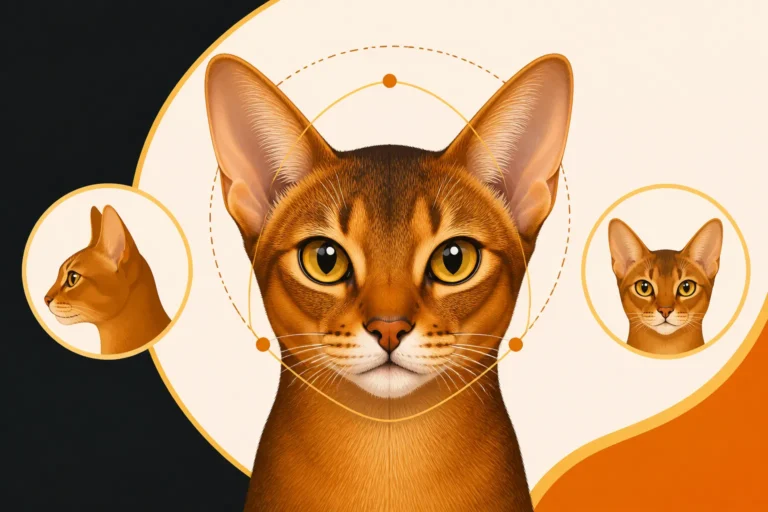
The Abyssinian's head is often described as a modified wedge, a term that might sound a bit technical but essentially means it's neither perfectly round nor sharply triangular. Instead, it presents a beautiful balance, gently tapering from the brow to the muzzle with smooth contours that avoid any harsh lines or flat planes. This unique shape is fundamental to the breed's overall elegant and somewhat wild appearance, contributing significantly to its appeal.
This modified wedge isn't just about the outline; it's about the entire structure working in harmony. You'll notice a subtle curve to the skull and a distinct lack of any "pinch" in the muzzle area. When viewed from the front, the lines should flow gracefully, creating an impression of strength without bulkiness. It's this careful balance that gives the Abyssinian its refined yet powerful look, a testament to years of careful breeding aimed at preserving its ancestral beauty.
The placement of the eyes and ears within this head shape is also crucial. They should fit seamlessly, enhancing the overall symmetry rather than appearing tacked on. Imagine a sculptor carefully crafting each feature to contribute to a singular, harmonious masterpiece; that's the level of detail the breed standard seeks in an Abyssinian's head. The gentle slope of the forehead leading into the nose, for instance, is a key indicator of correct type.
The Modified Wedge and Gentle Contours
The "modified wedge" refers to a head that is somewhat rounded but tapers gracefully from the prominent cheekbones to the muzzle, forming a gentle curve. It's not a pointy triangle, nor is it a broad, round shape like some other breeds. Instead, it’s all about smooth transitions and soft angles. There should be no extreme flatness on the top of the head or a sudden, abrupt stop at the muzzle. This fluid design helps create the Abyssinian's intelligent and alert expression, which is one of its most cherished characteristics.
Breeders strive for these gentle contours because they contribute to the classic Abyssinian look – a blend of domestic elegance with a hint of wild ancestry. When you run your hand over an Abyssinian's head, you should feel a smooth, even curve, indicating a well-formed skull. Any indentation or lumpiness would be considered a deviation from the ideal. This sculptural quality of the head is what distinguishes a well-bred Abyssinian and contributes to its captivating allure.
The breadth of the head at the temples should be moderate, not too wide to make the head appear heavy, nor too narrow to give a pinched look. This allows for the correct setting of the ears and eyes, providing a balanced canvas for all the facial features. It's a subtle but vital detail that ensures the overall proportionality of the cat, allowing each feature to stand out without overwhelming the others. You can see how this careful consideration of every angle plays into What an Abyssinian's Ideal Head Shape Is.
Profile and Forehead Transition
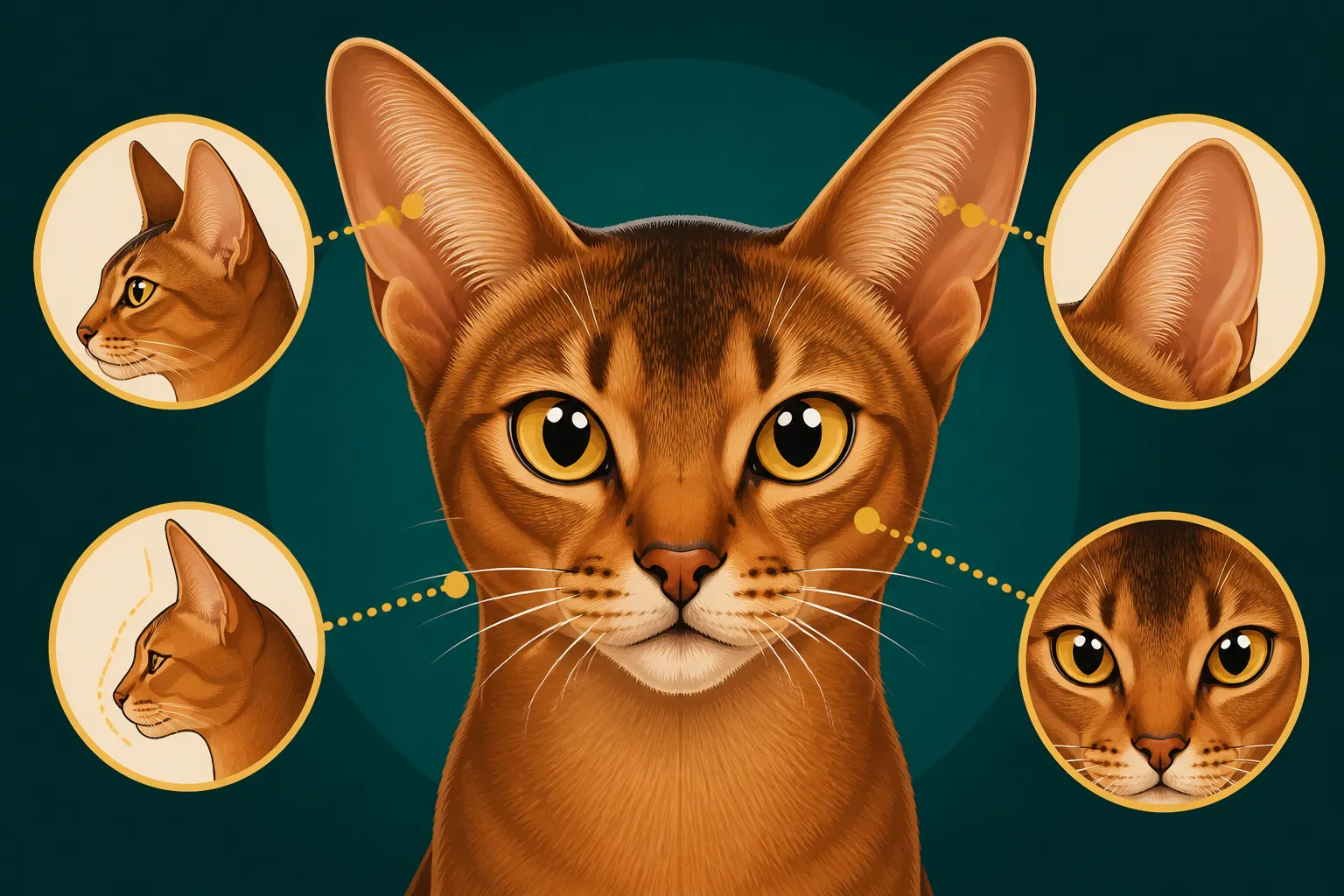
Looking at an Abyssinian's head in profile offers another critical perspective on its structure. The profile should show a gentle curve from the top of the head, flowing smoothly into the nose. There should be no "break" or sudden stop at the forehead, which would indicate a flatter or more extreme profile. Instead, it’s a long, graceful sweep, sometimes referred to as a "slight rise" from the bridge of the nose to the forehead. This continuous line is crucial for defining the breed's distinct aesthetic.
The length of the nose itself is also considered. It should be of medium length, neither overly short and snub-nosed nor excessively long and pointed. This proportion works in conjunction with the forehead transition to create that balanced, regal appearance. A strong, firm chin that aligns with the nose and upper lip completes the profile, providing a sense of determination and strength without being overly prominent or recessed. This helps to underscore the Abyssinian's athletic and elegant build, as described in What an Abyssinian's Body Type Is Called.
Judges pay close attention to this profile because it's a key indicator of overall breed type and balance. A well-constructed profile speaks to the structural integrity of the cat's skull and facial bones. It's one of those subtle details that, when perfect, makes the entire face sing with harmony and intelligence. Any deviation in this area can significantly alter the cat's expression and detract from the ideal breed standard.
The Importance of Ear Placement and Size
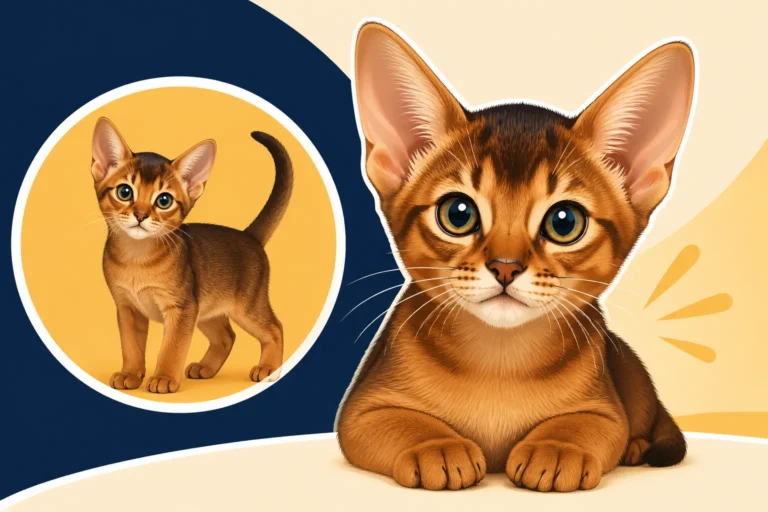
The Abyssinian's ears are one of its most striking features, large and expressive, giving the cat an alert, inquisitive look that's constantly taking in its surroundings. They are often described as being "large and well-cupped," meaning they have a good depth and open appearance rather than being flat or narrow. This size and shape contribute heavily to the Abyssinian's distinctive "wild cat" appearance, despite being a thoroughly domestic companion.
The placement of these magnificent ears is just as important as their size. They should be set widely apart on the head, following the contours of the modified wedge, giving the impression that they are always listening. This wide-set placement, combined with their large size, creates an open, engaging facial expression that truly captures the Abyssinian's curious and active personality. If the ears are set too close together, or too high or low, it can dramatically change the cat's overall look. You can find more details on why this specific ear set is desirable in Why an Abyssinian's Ears Are Set So Wide.
Furthermore, the ears should be adorned with what are called "ear tufts," small tufts of hair that emerge from the inner ear. These tufts enhance the wild, untamed aesthetic of the Abyssinian, adding to its allure. Even the presence of "thumb prints" on the back of the ears, dark markings that suggest a wild ancestor, can be a desirable trait for some enthusiasts, though it's not always explicitly in every standard. It’s all part of the captivating presentation that breeders aim for.
Large and Alert: The Signature Abyssinian Ears
The sheer size of an Abyssinian's ears is one of its most defining characteristics. They are noticeably larger than those of many other domestic cat breeds, giving them an almost "bat-eared" or "cougar-like" appearance. This isn't just for show; large ears are excellent at picking up sounds, fitting perfectly with the Abyssinian's highly active and inquisitive nature. They are always swiveling, twitching, and listening, a constant testament to the cat's perpetual curiosity.
Beyond their size, the ears should be "well-cupped," meaning they have a good, open bowl shape rather than being flat or too pointed at the tips. The tips themselves should be slightly rounded, not sharply pointed. This cupped shape contributes to their ability to funnel sound, but also adds to the soft elegance of the head. It's a careful balance: large and prominent, yet refined and in harmony with the rest of the face.
This characteristic alertness isn't just about how the ears function, but also how they contribute to the cat's overall expression. An Abyssinian with well-formed, correctly placed ears always looks ready for adventure, always engaged with its surroundings. This is a cat that misses nothing, and its ears are a visible indicator of that keen awareness. This vigilant look is a hallmark of the breed and highly valued in the show ring, reflecting the breed’s lively temperament.
Wide Set and Tufted: Placement and Furnishings
The positioning of an Abyssinian's ears is key to achieving the desired open and intelligent expression. They should be set wide apart on the head, aligning with the modified wedge shape. Imagine a line extending from the outer corner of each eye upwards; the inner edges of the ears should fall roughly along these lines. This wide setting contributes to the breed's distinctive appearance, giving the head a broader, more regal presentation. Ears set too close together can make the head appear narrower and less balanced.
Adding to their charm are the small tufts of hair that adorn the inner ear, often referred to as "ear furnishings." These subtle but important details enhance the natural, wild look of the Abyssinian, making them even more captivating. While not as dramatic as the lynx tips on some other breeds, these tufts add a touch of untamed beauty. Many owners find these little tufts incredibly endearing, and they are definitely a feature that What Ear Tufts Add to an Abyssinian details further.
The wide-set, cupped, and tufted ears collectively frame the Abyssinian's face, drawing attention to its striking eyes and intelligent expression. They are an integral part of the overall breed standard, and any significant deviation in their placement, size, or shape can affect a cat's conformity to the ideal. Breeders spend years honing lines that consistently produce these characteristic ears, understanding their importance to the breed's identity.
Eye Shape and Expression: The Window to the Abyssinian Soul
The eyes of an Abyssinian are incredibly expressive, often described as almond-shaped, large, and luminous. They are perhaps the most captivating feature on their face, conveying a depth of intelligence and an almost ancient wisdom. Unlike the perfectly round eyes found in some breeds or the deeply slanted eyes of others, the Abyssinian's eyes strike a perfect balance, giving them an inquisitive and soulful gaze. This unique shape allows for a wide range of expressions, from playful mischief to thoughtful contemplation.
The color of an Abyssinian's eyes is also very specific to the breed standard, typically being shades of gold, green, or copper. The intensity and clarity of the eye color are highly prized, as dull or washed-out eyes can detract from the overall impression of vibrancy and alertness. These rich, deep colors add to the breed's regal aura, often complementing their ticked coats beautifully. Which Eye Colors an Abyssinian Can Have explores these variations in more detail.
Beyond shape and color, it's the expression conveyed by these eyes that truly sets an Abyssinian apart. They should appear bright, alert, and full of life, reflecting the cat's energetic and curious nature. A dull or timid expression can indicate a deviation from the breed's lively temperament, and judges often look for that spark of personality shining through. It's this combination of physical attributes and inherent character that makes the Abyssinian's eyes so powerful.
Almond-Shaped and Luminous Eyes
The almond shape of the Abyssinian's eyes is critical to its characteristic look. This means they are slightly elongated with a gentle curve on both the top and bottom lids, rather than being perfectly round. This shape contributes to the intelligent, alert, and sometimes mischievous expression that Abyssinian owners adore. The eyes should be set moderately far apart, neither too close together nor too wide, maintaining the overall balance of the head.
Their luminosity is another key aspect. An Abyssinian's eyes should shine with an inner light, appearing clear and vibrant. This isn't just about eye health, though that's certainly important; it's about the depth and richness of the color itself. A well-nourished Abyssinian, perhaps with a diet including high-quality food available from reputable retailers like Chewy, tends to have bright, clear eyes that truly pop against their ticked coat.
The interplay of the almond shape, generous size, and luminous color gives the Abyssinian its expressive power. When an Abyssinian looks at you, it feels like they are looking into you, understanding everything. This intense gaze is a big part of their captivating appeal and differentiates them from many other breeds. It’s a feature that draws you in and holds your attention.
The Dark Eye Rim and Intense Gaze
One of the most distinctive details of an Abyssinian's eyes is the dark rim that often encircles them, giving the appearance of natural eyeliner. This dark outline, which sometimes extends into a short, dark line from the outer corner, enhances the almond shape and makes the eyes stand out even more. It's a subtle yet powerful feature that adds to the exotic, wild look of the breed, a topic explored in Why an Abyssinian's Eye Rim Is Outlined.
This dark rim isn't just decorative; it emphasizes the intensity of the Abyssinian's gaze. Combined with their large, luminous eyes, it creates an impression of constant observation and deep curiosity. Abyssinians are known for their intelligent and watchful nature, and their eyes are a perfect reflection of this temperament. When they focus on something, their entire being seems to concentrate through those captivating eyes.
The overall effect of the eye shape, color, and dark rim is to create an expression that is both gentle and piercing, playful and profound. It’s this multi-faceted expression that makes interacting with an Abyssinian so rewarding. Their eyes truly are the window to their busy, intelligent minds, always communicating their thoughts and feelings without a single meow. This deep connection through their gaze is something cherished by every Abyssinian owner.
Muzzle and Chin: Finishing Touches to the Abyssinian Face
While often less highlighted than the eyes and ears, the muzzle and chin play an integral role in completing the Abyssinian's distinctive facial structure. The muzzle should be gently contoured, following the modified wedge of the head, and should not appear excessively pointed or blunt. It's a delicate balance that contributes to the overall elegance of the face, avoiding any harsh or exaggerated features. The transition from cheek to muzzle should be smooth and flowing, without any abrupt changes that would disrupt the harmony of the head.
A strong, firm chin is also a hallmark of the breed. It should be neither receding nor overly prominent, but rather align well with the upper lip and the nose, creating a balanced profile. This firm chin adds to the impression of strength and character without adding any heaviness to the delicate Abyssinian bone structure. It's these subtle, well-defined features that collectively make up the refined look of the breed, distinguishing it from cats with softer or more exaggerated jawlines.
The overall proportionality of the muzzle and chin to the rest of the head is vital for achieving the desired breed type. When all these elements come together correctly, they create a face that is both expressive and refined, perfectly complementing the Abyssinian's sleek body and active personality. It's the attention to these smaller details that truly elevates a good Abyssinian to an excellent one in the eyes of a judge.
Tapering Muzzle and Strong Chin
The muzzle of an Abyssinian is expected to taper gently from the cheekbones, forming a smooth, elegant line that integrates seamlessly with the rest of the head. It's never a sudden, sharp point, nor is it wide and boxy. This gentle taper maintains the modified wedge shape of the head, ensuring a proportionate and refined look. The whiskers should emerge cleanly from the muzzle, without any appearance of excessive fat pads or puffiness, further enhancing its sleekness.
Accompanying this tapering muzzle is a strong, firm chin. This isn't about being heavy-jawed; rather, it indicates good bone structure and a confident profile. The chin should be well-developed, aligning neatly with the upper lip and the tip of the nose when viewed in profile. A weak or receding chin can give an Abyssinian a less alert or less assertive expression, while an overly prominent one can disrupt the delicate balance of the face.
Together, the tapering muzzle and strong chin contribute significantly to the Abyssinian’s intelligent and dignified expression. They provide the necessary framework for the other striking facial features – the large ears and expressive eyes – allowing them to truly shine. This combination ensures that the Abyssinian’s face is not only beautiful but also structurally sound and in perfect harmony, a testament to its balanced breeding.
The Overall Balance of Facial Features
Ultimately, judging an Abyssinian's head and ears isn't just about individual features; it's about how every single component harmonizes to create a cohesive and balanced whole. The modified wedge of the head, the large, wide-set ears, the almond-shaped, luminous eyes with their dark rims, and the tapering muzzle with a firm chin – all must work together to produce the classic Abyssinian expression. This is what truly captures the essence of the breed: an alert, intelligent, and subtly wild appearance.
A judge will evaluate the overall impression first, looking for symmetry and proportion. Are the features well-placed? Do they enhance each other? For instance, ears that are too small or set too close might make the head look disproportionately large, while eyes that are too round could detract from the "wild" look. Every element must contribute to the elegant and refined image that is the hallmark of the Abyssinian. What the Abyssinian Show Standard Asks For explicitly details these holistic requirements.
This balance is what gives the Abyssinian its captivating charm. It’s the reason why a well-bred Abyssinian feels so perfectly "put together," with every part contributing to a singular, striking identity. Owners often speak of their Abyssinian's "look" as being utterly unique, and it’s precisely this intricate balance of facial features that creates such an indelible impression, setting the breed apart in the feline world.
What Judges Look For: An Overview of the Standard
When an Abyssinian steps into the show ring, judges aren't just admiring a pretty cat; they are meticulously comparing it against a detailed breed standard that describes the ideal specimen. For the head and ears, this means assessing everything from the subtle curve of the skull to the precise placement of those large, expressive ears. Every single line, angle, and proportion is under scrutiny to ensure the cat embodies the true essence of the Abyssinian breed.
The overall impression of the head should be one of elegance and intelligence, with a natural, almost untamed grace. Judges are looking for a cat that is alert and curious, with an expression that speaks volumes about its lively personality. It's a holistic assessment where all the parts must contribute to a harmonious whole. They will also assess the cat’s overall health and condition, as a healthy Abyssinian often projects a more vibrant and keen appearance. A good diet, perhaps from quality brands found at places like Chewy, is essential for maintaining this peak condition.
Consistency across all features is also highly valued. There shouldn't be any single feature that dominates or appears out of place. For instance, while large ears are desirable, ears that are too large or poorly set can disrupt the overall balance of the head. Similarly, while a firm chin is important, an overly heavy jaw would be considered a fault. It's all about finding that perfect midpoint that defines the quintessential Abyssinian look.
| Feature | Ideal Description | Common Faults | Impact on Overall Look |
|---|---|---|---|
| Head Shape | Modified wedge, gentle contours, no flat planes | Round or flat head, pinched muzzle, heavy jowls | Diminishes elegance, alters characteristic expression |
| Profile | Gentle curve from skull to nose, no break | Flat forehead, deep stop, Roman nose, weak chin | Disrupts flow, less refined profile |
| Ears | Large, well-cupped, wide-set, slightly rounded tips | Small ears, set too close/low, pointed tips, narrow base | Loses wild look, alters alertness |
| Eyes | Almond-shaped, large, luminous, gold/green/copper | Round or oriental, small, dull color, watery | Changes expression, can look less intelligent/alert |
| Eye Rims | Darkly outlined | Missing or indistinct rim | Reduces exotic appeal, less defined eyes |
| Muzzle | Gently tapering, no pinch | Pointed, blunt, pinched, over-full | Affects balance, can look coarse or timid |
| Chin | Strong, firm, aligns with nose and upper lip | Receding, overly prominent | Weakens profile, detracts from strength |
The Ideal Abyssinian Head in Profile
The profile of an Abyssinian's head is a critical element in the judging process, and it's where many of the breed's subtle nuances truly shine. The ideal profile begins with a gentle curve from the top of the skull, continuing smoothly over the forehead, then gently rising from the bridge of the nose to its tip. There should be no abrupt change in direction, no "stop" or indentation where the forehead meets the nose, which can be seen in some other breeds. This continuous, graceful line is often referred to as a "gentle rise."
This flowing profile is essential for the refined look of the Abyssinian. It contributes to the impression of poise and intelligence. A profile that is too flat can make the head appear less elegant, while one with a pronounced "stop" can give a rather different, less "wild" impression than desired. The length of the nose is also considered here; it should be moderate, neither too long nor too short, to maintain the harmony of the entire profile.
The chin's alignment with the upper lip and nose is the final piece of the profile puzzle. It should be firm and well-developed, giving a strong finish to the jawline without being heavy or retreating. When viewed together, these elements create a profile that is distinctly Abyssinian – elegant, alert, and beautifully balanced, highlighting the breed’s unique skeletal structure.
The Role of Expression in Judging
Beyond the physical attributes, an Abyssinian's expression plays a significant role in how it's judged. The breed standard emphasizes an "alert, intelligent, and lively" expression, and this is largely conveyed through the combination of its head shape, eye placement, and ear carriage. A cat might have perfectly shaped features, but if its expression is dull or fearful, it won't fully embody the Abyssinian ideal. This is where personality and conformation truly intersect.
A confident, curious Abyssinian will naturally hold its head high, ears swiveling, and eyes bright and engaged. This natural alertness is part of their charm and is highly valued in the show ring. Judges are looking for that spark, that vibrant presence that makes the Abyssinian so captivating to live with. A cat that is comfortable and well-socialized, often benefiting from early enrichment and a stimulating home environment like those equipped with interactive toys from Chewy, is more likely to display this desired open expression.
Ultimately, the expression ties all the physical elements of the head and ears together. It's the living quality that brings the blueprint of the breed standard to life. An Abyssinian's eyes should communicate intelligence, its ears, attentiveness, and its overall head shape, a noble elegance. When a judge sees this perfect blend of conformation and character, they see an Abyssinian that truly represents the pinnacle of the breed.
Common Faults in Abyssinian Head and Ear Judging
While the ideal Abyssinian head and ears are a picture of balanced elegance, there are several common deviations from the breed standard that judges look out for. These faults, while not always detrimental to the cat's health or personality, can significantly impact its placement in a show and are important for breeders to understand when striving for the perfect Abyssinian. Recognizing these issues is part of appreciating the meticulous work that goes into breeding to standard.
One of the most frequent issues relates to the overall head shape. Any sign of a round head, a flat forehead, or a "pinched" muzzle (where the muzzle narrows abruptly just below the eyes) would be considered a fault. These deviations detract from the smooth, modified wedge desired and can alter the cat's characteristic expression. Similarly, ears that are too small, set too close together, or have overly pointed tips would be marked down, as they lose that signature large, wide-set, and cupped appearance.
Eye shape and color can also present faults. Eyes that are too round, too small, or set too deep can give a different expression than the desired almond-shaped, luminous gaze. A lack of the distinctive dark eye rim, or eyes that are dull in color, would also be considered a deviation. Understanding these common faults helps breeders make informed decisions and helps owners appreciate why certain traits are so highly prized in the Abyssinian world.
Deviations from the Ideal Head Shape
The ideal modified wedge head of an Abyssinian is a delicate balance, and many faults can arise from deviations from this specific shape. A common fault is a head that appears too round or "apple-domed," which lacks the graceful tapering and smooth contours. Conversely, a head that is too flat on top or too angular, resembling more of a sharp triangle than a gentle wedge, would also be incorrect. Both extremes distort the elegant profile.
Another significant fault relates to the muzzle. A "pinched" muzzle, where the facial bones narrow abruptly below the eyes, is a definite no-go. This can give the cat a less confident and sometimes less intelligent expression. Equally problematic is a muzzle that is too blunt or boxy, which detracts from the refined taper. The chin can also be a source of faults; a weak, receding chin or one that protrudes excessively would be considered incorrect, as it compromises the strong profile.
Judges are looking for a harmonious blend of curves and gentle lines. Any feature that creates a harsh stop, a disproportionate width, or an unrefined appearance in the head structure will be noted. These deviations, even subtle ones, can dramatically change the perception of the cat's overall type and elegance. The aim is always for that balanced, sculptural quality that makes an Abyssinian's head so distinctive.
Ear and Eye Imperfections
Imperfections in ear and eye characteristics are significant in Abyssinian judging. For ears, faults can include ears that are too small, which make the cat lose its characteristic alert, wild-like appearance. Ears set too high on the head can give a surprised or over-eager look, while those set too low or too close together can make the head appear narrower and less balanced. The lack of desirable ear tufts, or ears that are flat rather than well-cupped, would also be considered deviations from the standard.
When it comes to the eyes, one of the most common faults is eyes that are too round. This "round eye" is a significant departure from the desired almond shape and can fundamentally alter the Abyssinian's expression, making it appear less sophisticated or intense. Eyes that are too small, set too close together, or deeply sunken can also detract from the luminous, expressive quality that is so important. Similarly, a washed-out or incorrect eye color (e.g., blue eyes) would be a severe fault.
Even the lack of the dark eye rim, or an incomplete rim, can be considered an imperfection, as it diminishes the exotic definition of the eyes. These seemingly small details contribute to the overall impression of an Abyssinian's face. While a cat with minor faults can still make a wonderful pet, these distinctions are vital in the competitive world of cat shows, where every feature is carefully considered against the exacting standards of the breed.
Disclaimer
This article is for general informational purposes only and does not constitute professional advice. Laws, prices and regulations vary by location and change over time. Consult a qualified professional for guidance on your specific situation.