What Modern DNA Studies Found About Abyssinian Ancestry
It's easy to get swept up in the romantic tales surrounding the Abyssinian cat's origins – visions of ancient pharaohs and exotic lands. For years, these captivating stories, passed down through generations of cat enthusiasts, became almost indistinguishable from fact, leaving many of us with a somewhat hazy understanding of this truly unique breed. This guide is here to cut through the folklore, revealing what modern DNA studies have scientifically unveiled about the surprising and fascinating ancestry of our quick-witted, captivating Abyssinians.
The Enduring Allure of Abyssinian Origin Myths
For a long time, the narrative surrounding the Abyssinian cat was woven with threads of intrigue and ancient mystery. You’d hear stories of their direct lineage from the sacred cats of ancient Egypt, or perhaps a more recent but equally compelling tale of a cat named Zula, purportedly brought back from Abyssinia (modern-day Ethiopia) by a British soldier after a military campaign in 1868. These stories, let’s be honest, are incredibly appealing. Who wouldn't want to think their energetic, regal-looking companion has such a grand and noble past?
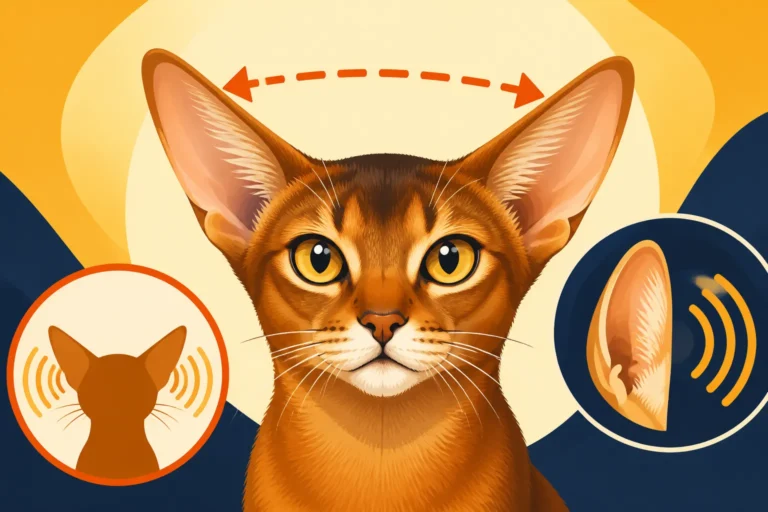
The visual similarities between the Abyssinian’s sleek, muscular build, large ears, and almond-shaped eyes, and the depictions of cats in ancient Egyptian art, certainly fed this narrative. It's easy to look at a majestic Aby perched high on a shelf, surveying its kingdom, and imagine it once sat beside a pharaoh. This perception instilled a sense of deep history and exoticism, contributing significantly to the breed's mystique and popularity. Why the Abyssinian Resembles Ancient Egyptian Art delves deeper into these visual connections.
However, the trouble with these romantic notions is that they often lacked concrete evidence. The Zula story, while charming, quickly fell apart under historical scrutiny. There's no clear, traceable pedigree linking Zula to the foundation of the modern Abyssinian breed. While the cat undoubtedly existed, the direct line is broken, and many foundational Abyssinians in early pedigrees were simply identified as "Abyssinian" without clear ancestral documentation, often acquired through local sources rather than exotic imports. Why the Link Between Zula and Modern Abyssinians Is Broken elaborates on this historical gap. These myths, despite their lack of scientific backing, persisted because they provided a compelling narrative for a strikingly beautiful and distinct cat, offering a sense of connection to a storied past that breeders and owners alike cherished.
Unpacking the Genetic Clues: Where DNA Points
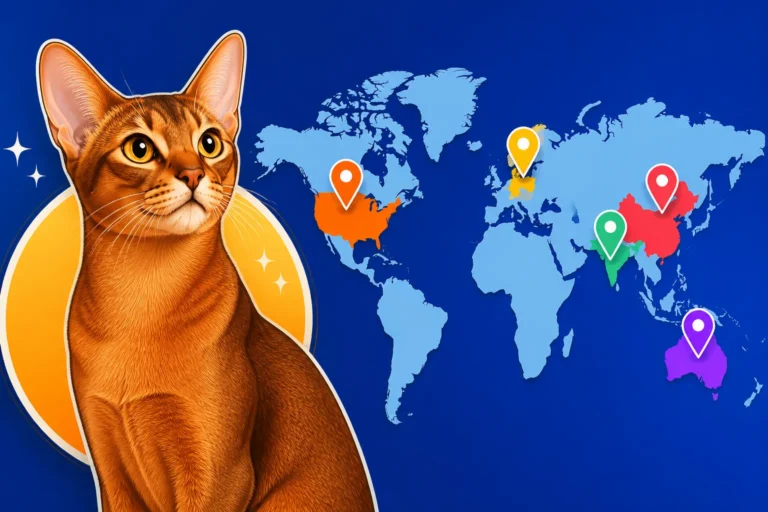
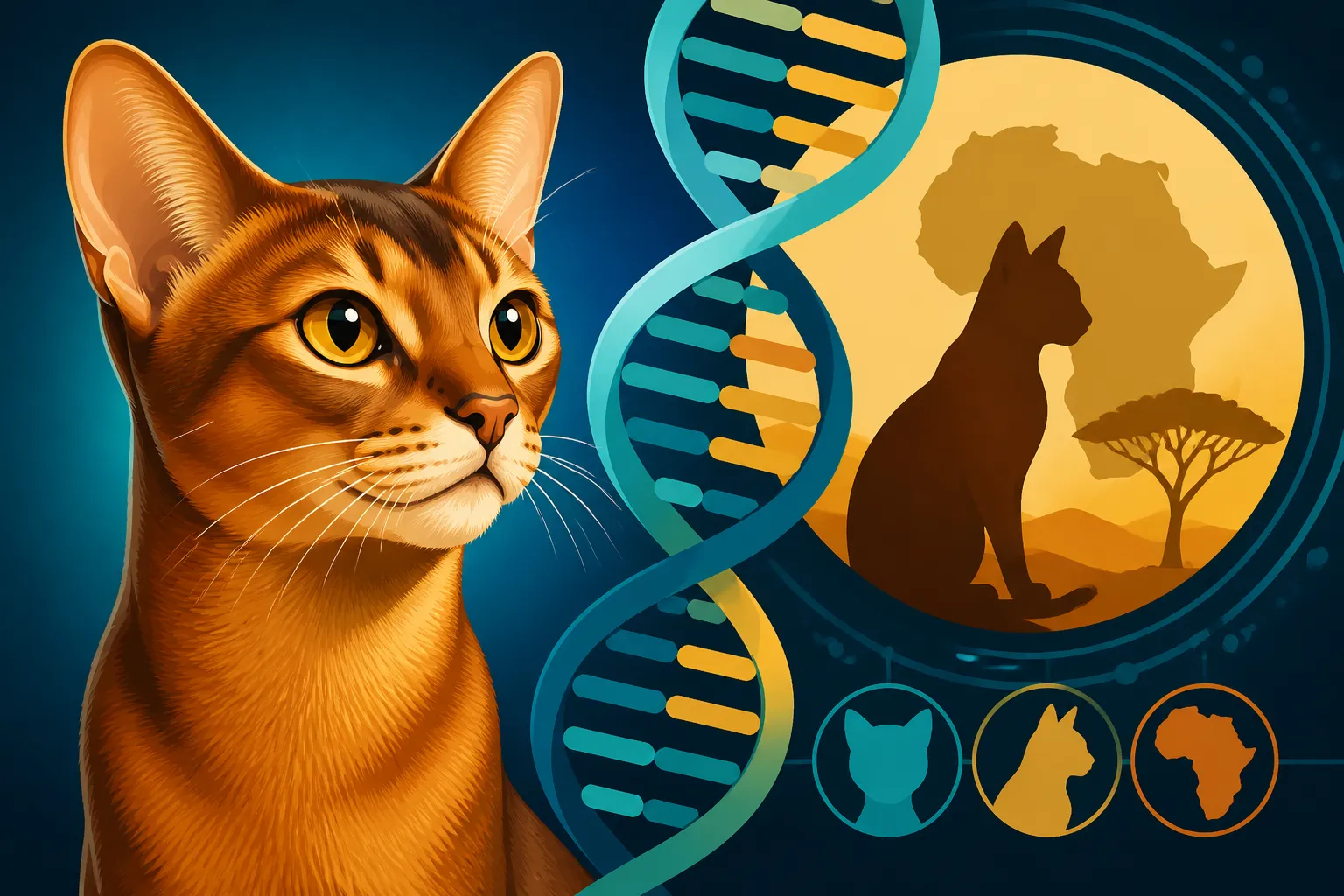
When scientists started delving into the genetic makeup of domestic cats, including pedigree breeds like the Abyssinian, the findings began to tell a very different, yet equally fascinating, story. Instead of the sands of Egypt or the highlands of Ethiopia, the genetic markers of the Abyssinian cat strongly point eastward – specifically towards the coastal regions of the Indian Ocean, including areas within Southeast Asia. This was quite a revelation, challenging decades of popular belief.
Genetic studies, often relying on mitochondrial DNA (mtDNA) and Y-chromosome analysis, trace maternal and paternal lineages back through generations. What these analyses showed was that the genetic signatures within the Abyssinian breed were much more akin to those found in domestic cat populations from places like Singapore, Malaysia, and parts of India, rather than those from Africa or the Middle East. It indicated that the Abyssinian likely shares a common ancestor with these Asian cat populations, suggesting a journey that spanned continents rather than a localized development in East Africa.
The specific genetic mutations responsible for the Abyssinian's signature ticked coat, where each hair has multiple bands of color, also have a stronger prevalence in these Southeast Asian cat populations. This ticking, known as the "agouti" pattern without striping, is a defining characteristic of the Abyssinian. Finding the genetic roots of this trait so far from the traditionally assumed origins reinforced the hypothesis that their true ancestral home was indeed in Asia. Why Southeast Asia Turns Up in Abyssinian Genetics explores these specific genetic links. This groundbreaking work fundamentally reshaped our understanding, revealing a much more complex and global origin story than previously imagined.
The Journey of the Abyssinian: Historical Migrations and Trade Routes
So, if their genetic roots are in Southeast Asia, how did these cats end up in Europe, where the modern Abyssinian breed was developed and formally recognized? The answer lies in the incredible history of human migration and global trade routes. For centuries, maritime trade connected distant lands, with ships carrying not just goods but also people and their companion animals. Cats were invaluable on these long voyages, helping to control rodent populations on board. It’s highly probable that ancestral Abyssinian-like cats made their way from ports in Southeast Asia, across the Indian Ocean, around Africa, and eventually into European ports like those in Britain.
These cats weren't necessarily "Abyssinians" as we know them today, but rather cats carrying the distinct ticked gene and other traits that would later be selectively bred to create the modern Abyssinian. They would have interbred with local cat populations along the way, slowly spreading their unique genetic markers. The bustling port cities of Europe, particularly in Britain, would have been melting pots of feline genetics, where cats arriving from all corners of the globe mixed and mingled. This is where the breed began to take shape through careful selection by early cat fanciers.
The idea of "wild animal traders" also plays a role. While most cats on ships were utilitarian, there was also an interest in exotic animals. How Wild Animal Traders Moved Cats Between Ports explains how various creatures, including interesting-looking cats, could have been transported as curiosities, further contributing to the spread of diverse feline genetics. This human-facilitated movement over centuries means that the cats that eventually formed the foundation of the Abyssinian breed were not necessarily a direct import from one single, dramatic expedition, but rather a gradual accumulation of distinct genetics brought in through common maritime commerce.
Beyond Geography: Genetic Uniqueness and Breed Development
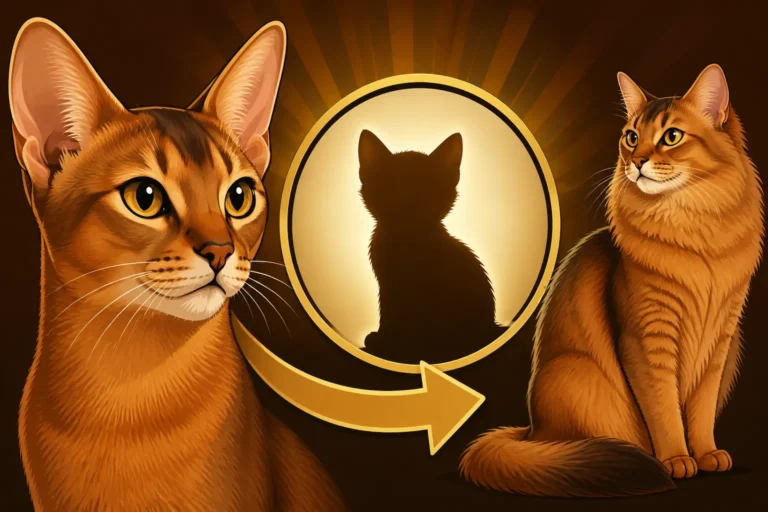
Understanding the Abyssinian's true genetic origins doesn't just rewrite geographical history; it also provides invaluable insight into the breed's development and its unique place in the feline world. Once these ticked cats arrived in Europe, British breeders, fascinated by their appearance and spirited personalities, began a deliberate breeding program. This period, particularly in Victorian Britain, was crucial. Breeders sought to enhance the ticked coat, refine the body type, and solidify the temperament that makes an Abyssinian so recognizable today. How the Abyssinian Was Bred in Victorian Britain offers a detailed look into these early efforts.
It's important to remember that breed development is an ongoing process. Early Abyssinians were likely crossed with other short-haired domestic cats to expand the gene pool and introduce desired traits, slowly standardizing the "look" we associate with the breed. This explains why, despite their deep Asian roots, the modern Abyssinian breed as a recognized entity was cultivated and refined in Europe.
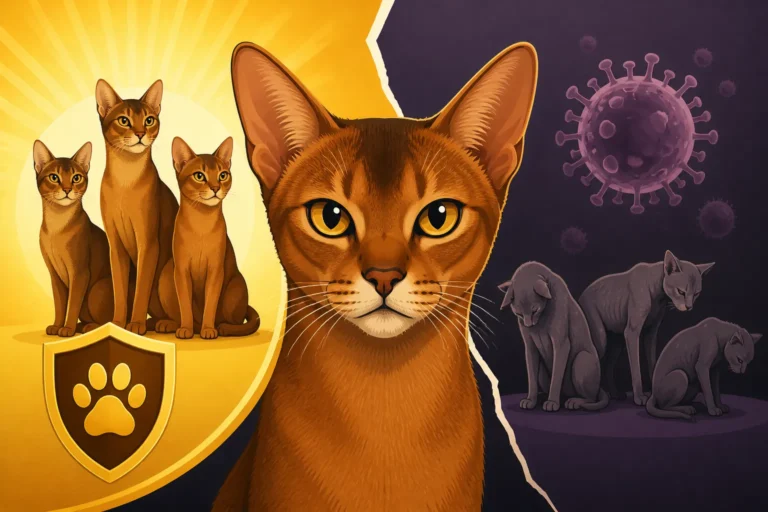
What does this mean for current and prospective Abyssinian owners? Primarily, it reinforces the breed's status as a marvel of selective breeding. While their distant ancestors roamed the port cities of Southeast Asia, the Abyssinian you welcome into your home today is the result of generations of dedicated breeding efforts. Understanding their genetic background also helps us appreciate the importance of responsible breeding practices, including genetic testing to maintain health and diversity. For instance, reputable breeders today use DNA tests to screen for genetic conditions specific to Abyssinians, ensuring the health of future generations. Even general pet supply resources, like Chewy, can be helpful for finding information about various pet care topics, including the supplies needed for a new Abyssinian whose unique heritage you now appreciate even more.
The genetic studies offer a powerful reminder that the story of our cats is intertwined with human history, trade, and culture. While the ancient Egyptian and Abyssinian tales were charming, the true story revealed by DNA is arguably even more captivating – a testament to global migration and careful human selection over centuries. It underscores that while the name "Abyssinian" might point to one place, their genetic journey began much further east. If you're looking into getting an Abyssinian, knowing their complete background, from ancient migration patterns to the detailed What an Abyssinian Looks Like Against the Show Standard, truly enriches the experience of welcoming such a distinguished and spirited cat into your life.
Here's a quick look at how the traditional narrative contrasts with the scientific findings:
| Aspect of Origin | Traditional Myth (Pre-DNA) | Modern DNA Evidence |
|---|---|---|
| Geographic Origin | Ethiopia (formerly Abyssinia), Ancient Egypt | Southeast Asia (specifically Indian Ocean coastal regions) |
| Ancestral Type | Royal cats of Pharaohs, African wildcats | Domestic cat lineages from Asia |
| Migration Route | Direct from Africa to Europe | Maritime trade routes from Asia to Europe |
| Evidence Basis | Historical accounts, visual resemblance to art, anecdotes | Genetic markers, population studies, haplogroup analysis |
| Conclusion | Direct link to ancient civilizations | Complex history of human-facilitated movement of cats |
This incredible journey from the ports of Southeast Asia to becoming one of the most beloved and recognized cat breeds in the world is a testament to the enduring bond between humans and felines. The next time you see an Abyssinian, know that you're looking at a living piece of global history, carrying the genetic echoes of ancient trade winds and the careful hands of dedicated breeders, all the way to your home, perhaps with a favorite toy from Chewy.
Disclaimer
This article is for general informational purposes only and does not constitute professional advice. Laws, prices and regulations vary by location and change over time. Consult a qualified professional for guidance on your specific situation.