Whether an Abyssinian Can Be an Only Cat
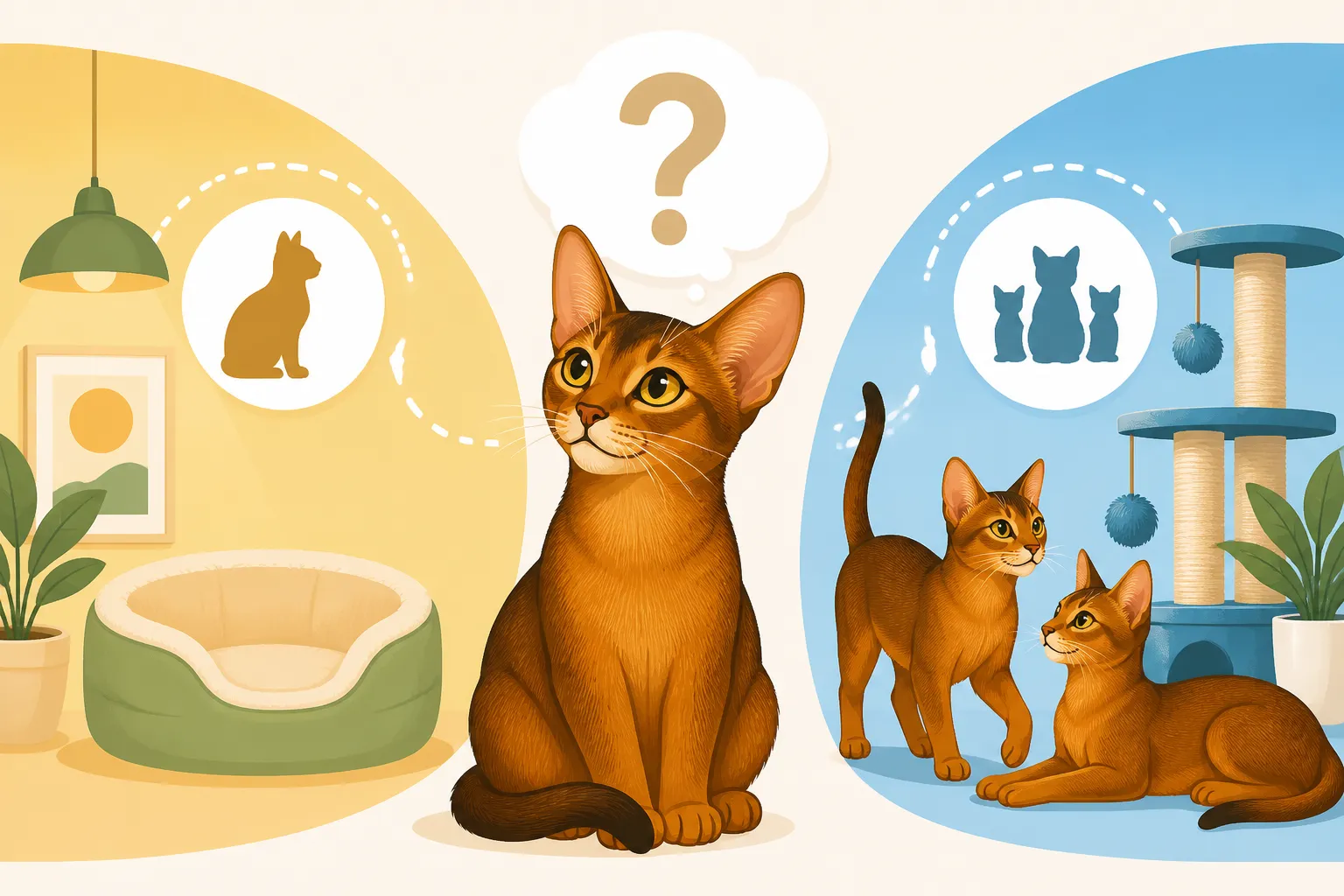
An Abyssinian can live as an only cat, but “only” should not mean ignored for long stretches or left with nothing to do. This energetic, people-oriented breed often wants company, movement, and mental challenges. The right choice depends less on the number of cats in your home than on your schedule, your cat’s temperament, and the attention and enrichment you can reliably provide.
Can an Abyssinian Be Happy as an Only Cat
A feline companion is not automatically necessary
Abyssinians are social and curious, but that does not mean every one needs another cat. Some are content to be the only pet when they have a close relationship with their people and a home that gives them plenty to explore. Your cat may follow you from room to room, supervise household tasks, or bring a toy over when it wants to interact. That can be a happy, healthy social life without another feline in the house.
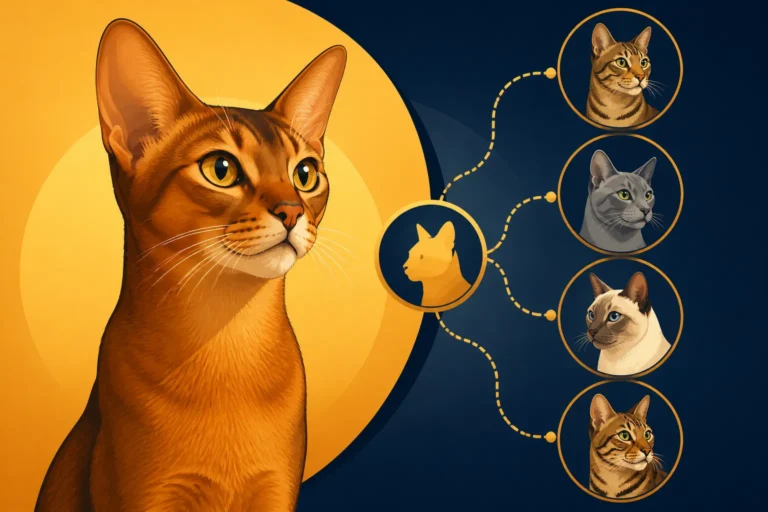
Individual personality matters. One Abyssinian may welcome a compatible cat, while another may find sharing space, food, resting spots, and human attention stressful. A second cat is not a guaranteed solution to loneliness, and an incompatible pairing can create more tension rather than less. Why a Second Cat Suits an Abyssinian explores the situations where a feline companion may be a good fit.
Age and background can also shape what your cat prefers. A kitten raised with littermates may enjoy having another playful cat nearby, but that is not a promise that it will want a roommate as an adult. A previously solitary adult may have settled into a routine and prefer predictable, one-on-one contact. When adopting, ask the breeder, rescue, or previous caregiver what the cat is like around other animals and how it handles time alone.
The real question is how much interaction you can offer
An only cat still needs regular social contact. That does not mean you must entertain it every minute, but it does mean making time for play, companionship, and daily routines. An Abyssinian may be happiest when it can sit near you while you work, follow you around the home, or join a short play session before dinner.
Think about an ordinary weekday, not an ideal weekend. If you leave early, return late, and then have little energy for interaction, a lively Abyssinian may struggle unless you arrange a more engaging routine. If you work from home or can reliably build play into your morning and evening, a single-cat home may work very well. Whether an Abyssinian Suits a Full Time Worker can help you assess how your schedule fits the breed’s needs.
Being present in the same room helps, but it is not always a substitute for interaction. A cat that spends hours watching you work may still benefit from a wand-toy session, a food puzzle, or a chance to climb and investigate safely. The aim is not to keep the cat constantly busy. It is to give its social and active nature enough outlets that the rest of the day feels manageable.
What an Only Abyssinian Needs at Home
Build a daily routine around play and attention
Play is more effective when it is part of a predictable routine than when it happens only after your cat becomes restless. Try offering interactive play at times you can maintain, such as before breakfast and after work. A wand toy can encourage chasing, pouncing, and jumping; finish by letting your cat catch the toy, then offer a meal or a small portion of its regular food.
Vary the activity rather than repeating the same game until your cat loses interest. Some days, your Abyssinian may want to chase a moving toy. On others, it might prefer searching for a few pieces of kibble or practicing a simple cue. Keep sessions manageable and let your cat pause or walk away. How Much Play an Abyssinian Needs Each Day offers more ways to plan activity around this breed’s energy.
You do not need elaborate equipment to make a routine interesting. A cardboard box, a safe paper bag with handles removed, or a toy moved behind a cushion can become a new challenge. If you shop for toys or feeders through Chewy, choose items that suit your cat’s size and play style, and supervise anything with loose strings or small pieces. The important part is how you use the activity, not how complicated or expensive it is.
Give your cat ways to climb, watch, and explore
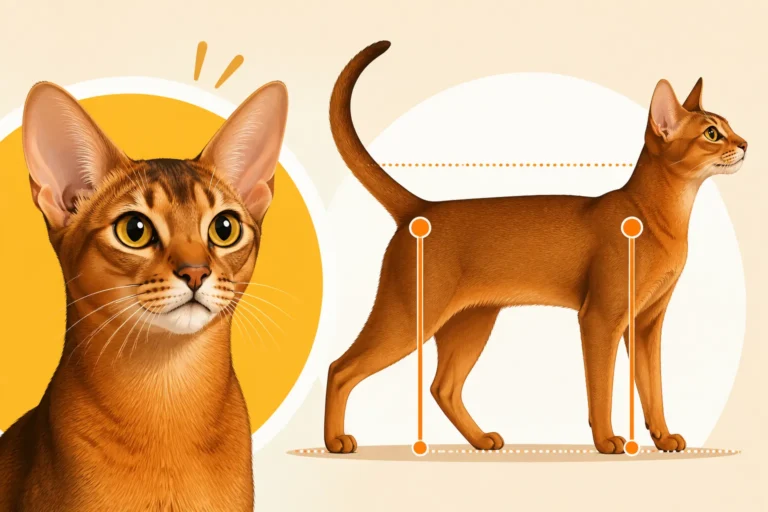
An Abyssinian often enjoys using vertical space. A sturdy cat tree, accessible shelves, and a comfortable window perch can make a home more engaging, particularly when the cat is alone. Make sure climbing routes are stable and that high spots are reachable without risky leaps. If you live in a small apartment, thoughtful vertical space can add variety without taking over the floor.
Rotate toys instead of leaving every option out all the time. Put a few away and bring them back later, so familiar objects can feel interesting again. Food puzzles and treat toys can provide a little problem-solving between human play sessions. If you’re browsing Chewy for a puzzle feeder, look for one that is easy enough to introduce without frustration, then adjust the challenge as your cat learns.
A useful setup is not just a collection of toys. It includes places to perch, scratch, rest, and retreat. Keep the litter box, food, and water accessible, and provide scratching surfaces in areas your cat already likes to visit. How to Give an Abyssinian a Job has ideas for turning ordinary routines into safe, rewarding activities.
How to Decide Whether Your Cat Needs a Companion
Look at behavior in context, not one moment
A cat that meows when you leave or greets you enthusiastically at the door is not necessarily asking for another cat. It may be responding to a change in routine, wanting attention, or anticipating a meal. Likewise, a cat that naps while you are out is not necessarily bored or unhappy. Look for patterns across the day and consider whether the behavior is new.
Signs that your current routine may need attention can include repeated destructive behavior, persistent attempts to get interaction at inconvenient hours, or a marked drop in play and engagement. These signs do not prove that your Abyssinian needs a feline companion. First consider whether the cat has enough activity, whether its environment has changed, and whether anything about its health or comfort could explain a sudden shift. A noticeable behavior change is worth discussing with a veterinarian.
A simple weekly check-in can help you see the bigger picture:
| What you notice | What it might suggest | A reasonable first step |
|---|---|---|
| Your cat seeks you out but settles after play | It wants social interaction and activity | Add a predictable play session |
| Your cat explores, eats, rests, and uses its litter box normally | Its routine may be meeting its needs | Keep routines steady and monitor |
| Your cat repeatedly gets into unsafe areas | It may need safer outlets and better prevention | Secure hazards and add climbing or foraging options |
| Your cat becomes withdrawn or changes behavior suddenly | Stress, discomfort, or illness may be involved | Contact your veterinarian |
| Your cat enjoys other cats during calm, gradual introductions | A compatible companion could be considered | Assess temperament, space, and introduction plans |
Consider a second cat only if you can support both
If you are considering another cat, focus on compatibility rather than assuming that another Abyssinian is automatically the best match. Energy level, confidence, age, past experience with cats, and willingness to share space all matter. A playful, confident cat may overwhelm a shy or older resident, even if both cats are friendly with people.
You will also need enough resources for each animal. Plan for separate feeding areas, multiple resting spots, scratching options, and a gradual introduction that allows both cats to retreat. Do not expect them to become close friends immediately. A calm coexistence can be a successful outcome, even if they do not sleep curled up together.
A second cat also means additional care, costs, and planning for travel or veterinary visits. It may be helpful to ask a rescue or breeder about a cat’s known social history and whether a trial or support during introductions is available. If you choose to bring a new cat home, How to Settle an Abyssinian in a New Home offers useful guidance for making transitions less overwhelming.
Making an Only-Cat Home Work
Prepare for the hours you are away
Before leaving, make sure your cat has fresh water, a clean litter area, safe places to rest, and access to suitable enrichment. A food puzzle or a small amount of food hidden in approved locations can add a foraging activity. Choose options that are safe for your cat to use without supervision, and avoid leaving out toys with strings, loose parts, or anything that could be swallowed.
When you return, offer connection rather than assuming the cat will entertain itself indefinitely. A brief greeting, play, grooming if your cat enjoys it, or simply spending time in the same room can become part of the routine. If your schedule changes often, try to keep meals and interactive play as consistent as possible. How Long an Abyssinian Can Be Left Alone can help you think through time away and the arrangements your cat may need.
For longer absences, arrange for a trusted person to check on your cat and handle feeding, litter, and interaction. A camera may help you observe routines, but it does not replace in-person care or companionship. If your cat seems distressed when alone, consider whether a sitter, a different daily schedule, or more pre-departure enrichment could help before deciding that another pet is the answer.
Reassess as your cat’s needs change
Abyssinians do not stay at the same activity level throughout life. A young cat may demand frequent play and exploration, while an older cat may prefer shorter games, easier routes to favorite resting spots, and more quiet company. Keep adjusting the environment rather than expecting a single setup to work forever. Which Household an Abyssinian Fits Best can help you consider the wider match between this breed and your home.
Notice what your cat chooses when it has options. Does it seek you out after waking? Does it use its climbing areas? Does it engage with toys, food puzzles, or window views? A cat that eats, rests, explores, and interacts in its usual way may be doing well as an only pet, even if it is not constantly active.
If you are unsure, keep a brief record of changes in appetite, play, sleep, social behavior, and litter-box habits. That can help you distinguish a long-standing personality from a new concern. A shift in energy or behavior should not automatically be blamed on boredom or being an only cat; health and stress can affect how a cat acts. When a change is sudden, persistent, or worrying, check in with your veterinarian.
An Abyssinian can thrive as an only cat when its people provide companionship, daily activity, safe places to explore, and a dependable routine. Another cat may be a welcome friend for some Abyssinians, but it is not a substitute for attention or a guaranteed fix for boredom. Let your individual cat’s temperament and behavior guide the decision.
Disclaimer
This article is for general informational purposes only and does not constitute professional advice. Laws, prices and regulations vary by location and change over time. Consult a qualified professional for guidance on your specific situation.