How a Kidney Diet Buys an Abyssinian Time
Discovering your energetic Abyssinian is facing kidney issues can feel like a punch to the gut. The diagnosis often comes with a heavy heart, leaving you wondering if there’s anything concrete you can do to slow the progression and ensure your beloved cat still enjoys a good quality of life. This guide is here to walk you through exactly how a specialized kidney diet can become your most powerful ally in managing your Abyssinian’s renal health, buying you precious time and comfort.
Understanding Kidney Disease in Abyssinians
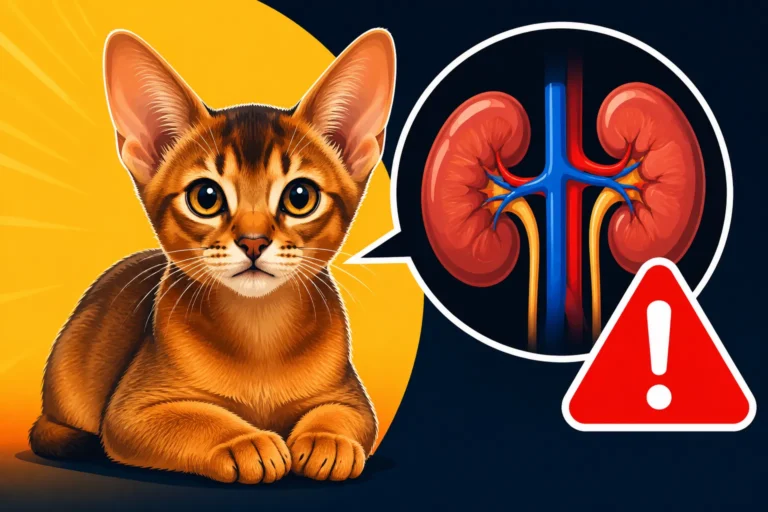
It’s truly disheartening when our vibrant, active Abyssinians, who seem to defy the aging process with their boundless energy, are diagnosed with something as serious as kidney disease. Many owners feel a crushing weight of guilt, wondering if they missed something. The truth is, kidney disease, especially in a breed like the Abyssinian, can be a master of disguise, silently progressing until it's quite advanced.
The Silent Threat of Renal Amyloidosis
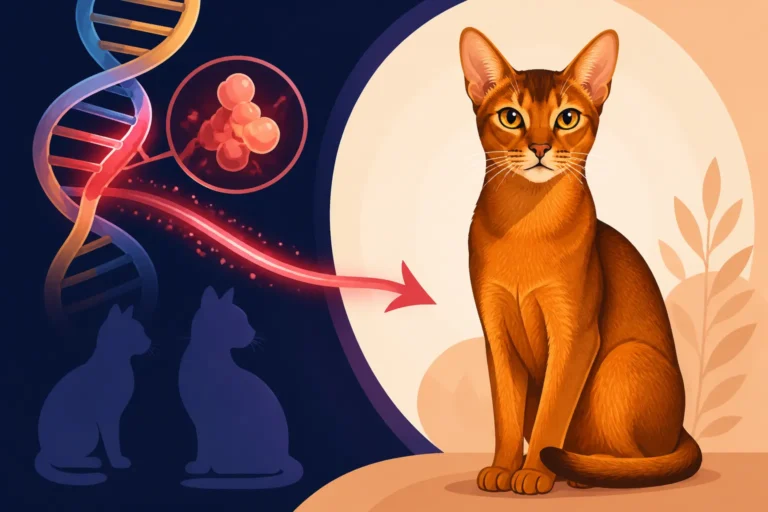
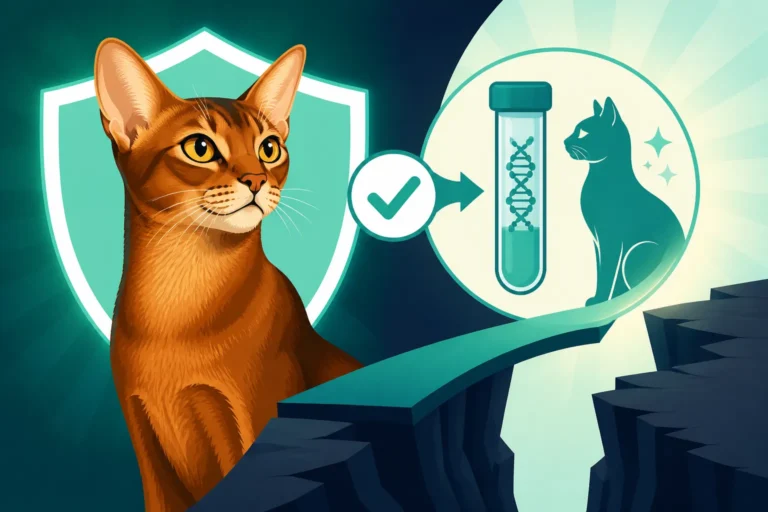
For Abyssinians, one of the most insidious forms of kidney disease is Renal Amyloidosis Is the Abyssinian Problem Nobody Can Test For. This genetic predisposition means that an abnormal protein, amyloid, deposits in the kidney tissue, slowly choking the life out of these vital organs. It’s a devastating condition because, unlike some other genetic diseases, there isn't a simple DNA test to definitively screen for it before symptoms appear. This lack of a proactive test is a huge source of frustration for dedicated Abyssinian owners and breeders alike. You can do everything right, choose a reputable breeder who screens for other known issues, and still face this challenge. The insidious nature of amyloidosis means that by the time overt signs of kidney failure appear, a significant portion of kidney function might already be lost, making early intervention critical, even if that intervention is mostly supportive.
When Kidney Signs Become Apparent
Because Abyssinians are naturally lean, active, and incredibly stoic, they are masters at hiding illness. This means that the subtle early warning signs of kidney trouble can be incredibly easy to miss, often until the disease has progressed significantly. You might notice your Abyssinian drinking more water than usual, perhaps making more frequent trips to the litter box. These changes can be so gradual that you might initially attribute them to other factors, like warmer weather or a new food. Often, a slight decrease in appetite or a subtle shift in energy levels might be dismissed as an "off day" for your usually boisterous cat.
The frustration intensifies when you consider that Why a Lean Abyssinian Hides Illness Longer Than a Heavy Cat. Their naturally athletic build means that weight loss, a common symptom of kidney disease, can be masked by their existing slender frame. A quick visit to the vet for a routine check-up, where your cat's weight is meticulously recorded, becomes even more important for Abyssinians to catch these subtle shifts. By the time symptoms like vomiting, lethargy, or a dull coat become undeniable, the kidneys are often severely compromised. This is why understanding even the most minor changes in your Abyssinian’s habits and routine vet visits are paramount, as these could be early indicators of a condition that ultimately leads to What Kidney Failure Looks Like in a Young Abyssinian.
The Core Principles of an Abyssinian Kidney Diet
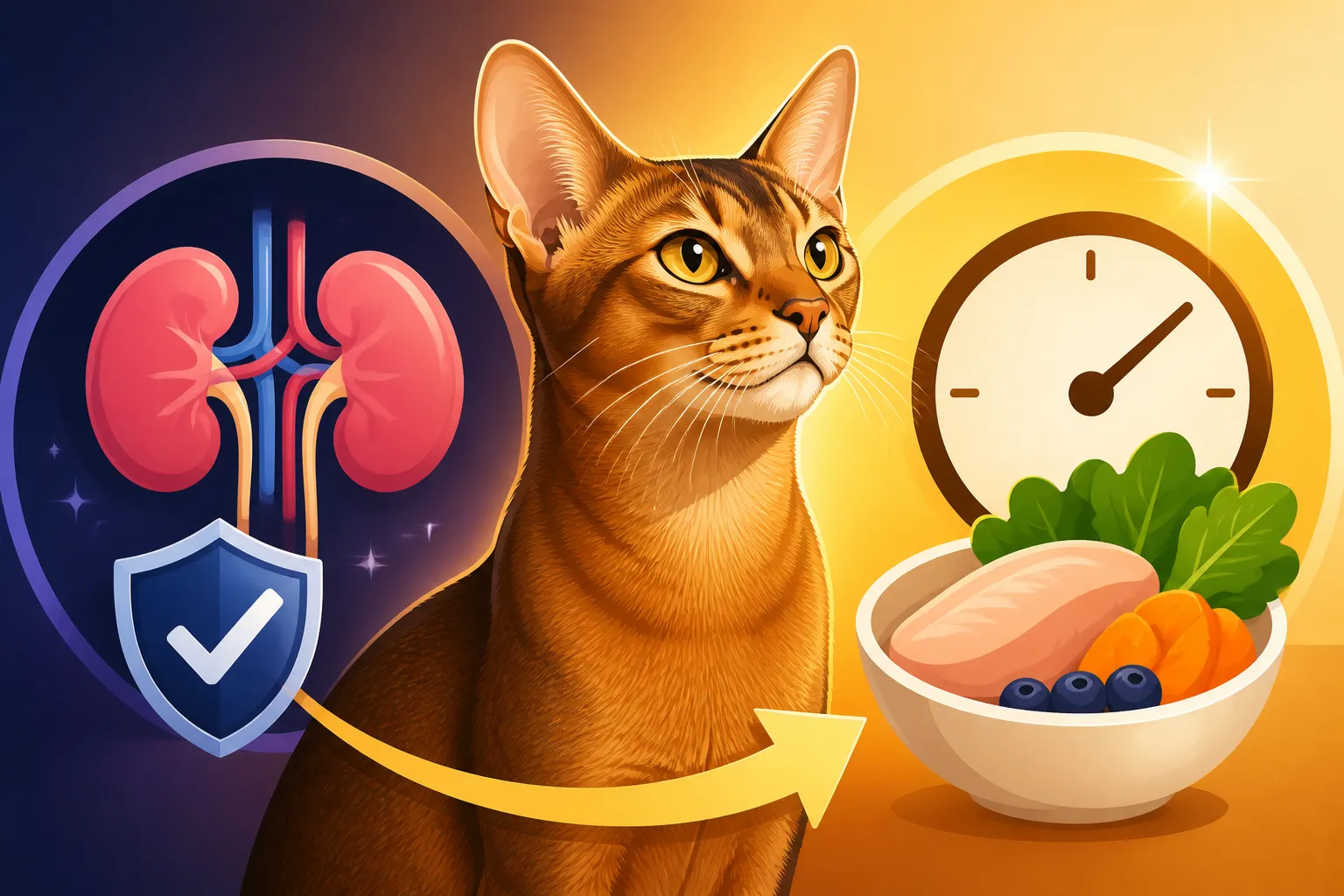
Once kidney disease is diagnosed, shifting your Abyssinian to a specialized renal diet isn't just a suggestion; it's a cornerstone of managing the condition and extending their quality of life. It’s not about finding just any special food; it’s about understanding the specific nutritional adjustments that can ease the burden on their struggling kidneys.
Protein Control and Why It Matters
One of the biggest misconceptions when it comes to kidney diets for cats is that they are simply "low protein." This isn't entirely accurate, and in fact, a truly low protein diet could be detrimental to an Abyssinian, who needs adequate high-quality protein to maintain their lean muscle mass and high energy levels. The key is controlled protein, and crucially, high-quality protein.
Healthy kidneys are responsible for filtering out waste products, including those produced when the body breaks down protein. When the kidneys are compromised, they struggle to perform this function efficiently. Feeding too much protein, especially low-quality protein that isn't fully utilized by the body, can lead to a build-up of these waste products in the bloodstream, making your cat feel unwell. So, a renal diet aims to provide just enough highly digestible, high-quality protein to meet your Abyssinian's nutritional needs without overwhelming their impaired kidneys. This means protein from sources that are easily absorbed and utilized, leaving minimal waste behind. It's a delicate balance, and commercially prepared prescription diets are formulated specifically to achieve this.
Phosphorus Restriction: The Unsung Hero
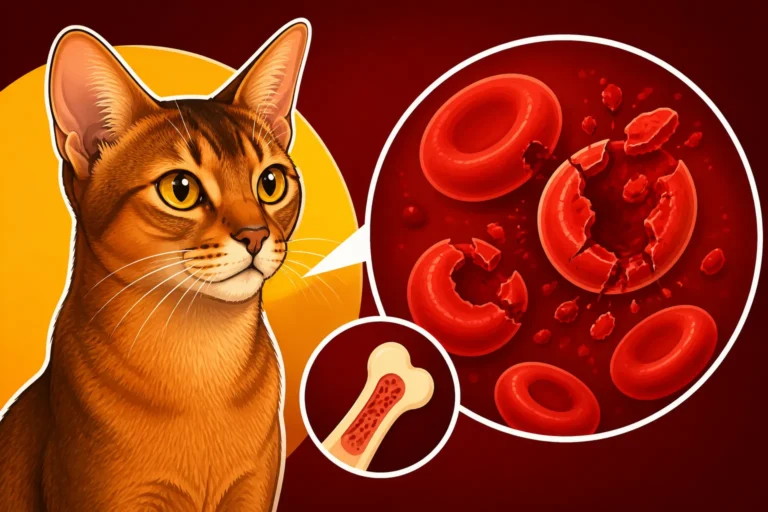
While protein gets a lot of attention, phosphorus restriction is arguably one of the most critical aspects of a kidney diet, yet it's often overlooked by owners. As kidney function declines, the body struggles to excrete phosphorus, leading to high levels in the blood. This excess phosphorus can wreak havoc, contributing to further kidney damage, bone demineralization, and even calcification of soft tissues. It also plays a significant role in making cats with kidney disease feel unwell, contributing to nausea and lethargy.
Specialized kidney diets are formulated with significantly reduced phosphorus levels compared to regular cat foods. This isn't something you can easily achieve by simply picking a "natural" food off the shelf. These diets use specific ingredients and formulations to keep phosphorus within a safe range, thereby slowing the progression of kidney disease and improving your Abyssinian's overall comfort. It's a key intervention that directly impacts how long and how well your cat can live with the condition, preventing further damage and helping to mitigate the more severe symptoms of How Young an Abyssinian Can Lose Its Kidneys.
Sodium and Omega-3 Fatty Acids
Beyond protein and phosphorus, other dietary components play crucial supportive roles. Controlled sodium levels are important because high sodium intake can contribute to high blood pressure, a common complication in cats with kidney disease. Hypertension further damages the kidneys and can affect other organs, including the eyes and brain. Renal diets carefully manage sodium to help keep blood pressure in check, which is part of the comprehensive approach a vet takes to How a Vet Manages an Abyssinian in Kidney Failure.
Additionally, many renal diets include increased levels of omega-3 fatty acids, particularly EPA and DHA. These powerful anti-inflammatory agents can help reduce inflammation within the kidneys, potentially slowing the progression of the disease. They also support overall health, including skin and coat condition, which can sometimes deteriorate when an Abyssinian's kidneys are struggling. Think of omega-3s as a soothing balm for overworked kidneys, helping to create a more supportive internal environment.
Navigating the World of Kidney-Friendly Foods
When your Abyssinian gets a kidney disease diagnosis, the sheer number of specialized food options can feel overwhelming. It's important to understand the different avenues available and why your veterinarian's guidance is absolutely non-negotiable in this process.
Prescription Diets: Your First Line of Defense
Without a doubt, veterinary prescription kidney diets are the absolute gold standard when it comes to managing feline renal disease. Brands like Royal Canin Renal Support, Hill's Prescription Diet k/d, Purina Pro Plan Veterinary Diets NF Kidney Function, and Iams Veterinary Formula Renal are specifically formulated to meet the unique nutritional needs of cats with compromised kidneys. These aren't just "special" foods; they are therapeutic diets backed by extensive research and designed with the precise balance of controlled protein, restricted phosphorus, and often, added omega-3s and adjusted sodium.
They come in various textures and flavors (wet and dry) because palatability can be a major hurdle. Getting a finicky Abyssinian, who might already have a reduced appetite due to feeling unwell, to eat a new food can be a challenge. Your vet might suggest trying several different brands and textures until you find one your cat will consistently eat. Patience is key here. Mix small amounts of the new food with their old food, gradually increasing the proportion over days or even weeks. It's far better for them to eat some kidney-appropriate food than to refuse to eat anything at all, which can lead to other serious health issues.
Incorporating Wet Food for Hydration
For an Abyssinian with kidney disease, hydration is paramount. Their kidneys are less efficient at concentrating urine, meaning they lose more water and are at a higher risk of dehydration. This is especially critical for a breed susceptible to conditions like amyloidosis, where every bit of support for kidney function matters. This is where wet food becomes an invaluable tool.
Even if your Abyssinian loves dry kibble, introducing or increasing the amount of wet kidney-friendly food is highly recommended. The high moisture content in wet food provides a significant boost to their daily water intake, which helps the kidneys flush out toxins and reduces the burden on these organs. You might find that offering a variety of wet food textures – pâté, chunks in gravy, or minced – helps keep meal times interesting for your discerning Abyssinian. You can even add a little extra water to their wet food to further increase their fluid consumption. Remember, How Much Water an Abyssinian's Amyloid Risk Demands is often much higher than you'd expect, and wet food is an excellent way to help meet those needs. This increased water intake can significantly slow down the damage to the kidneys, offering your cat a better quality of life for longer, directly impacting Why an Abyssinian's Kidneys Fail Before Its Coat Dulls.
Homemade Diets: Proceed with Caution
The idea of making a homemade diet for your Abyssinian can be appealing, especially if they're particularly picky or you want to feel more in control of their nutrition. However, for a cat with kidney disease, homemade diets come with significant complexities and risks. Balancing the precise levels of protein, phosphorus, sodium, and other essential nutrients is incredibly difficult for a layperson. Even small imbalances can have serious consequences for a cat with already compromised kidneys, potentially accelerating the disease rather than slowing it.
If you are considering a homemade approach, it is absolutely essential to work with a board-certified veterinary nutritionist. These specialists have the expertise to formulate a diet that is both nutritionally complete and appropriate for your Abyssinian’s specific stage of kidney disease. Without expert guidance, you risk creating nutrient deficiencies or excesses that could be life-threatening. Simply looking up recipes online or attempting to adapt a regular homemade cat food recipe is not safe for a renal patient. For example, trying to understand How to Balance a Raw Diet for an Abyssinian is already a complex task for healthy cats, but for a cat with kidney disease, the risks are exponentially higher due to the need for strict phosphorus control and careful protein management. The stakes are simply too high to guess.
Beyond the Bowl: Supportive Care for Abyssinian Kidney Health
While diet is undoubtedly the cornerstone of managing kidney disease in your Abyssinian, it's part of a larger picture of comprehensive care. Supporting their overall well-being with other strategies can significantly enhance the effectiveness of the kidney diet and contribute to a better quality of life for your cat.
Hydration Strategies
We’ve touched on wet food, but let's dive deeper into ensuring your Abyssinian is consistently well-hydrated. Given Why an Abyssinian's Kidneys Make Water Intake Matter, creative approaches are often necessary. Place multiple water bowls around the house, in different textures and materials – some cats prefer ceramic, others stainless steel. Position bowls away from their food, as many cats don't like to drink near their eating spot. A pet water fountain can also be a game-changer; the flowing water often entices cats to drink more. Consider adding a small amount of low-sodium chicken or beef broth (check the ingredients carefully!) to their water or wet food for added appeal. Monitoring their litter box for urine volume is a good way to gauge their hydration status – a healthy Abyssinian with kidney disease should be producing a good amount of dilute urine.
Regular Veterinary Monitoring
Ongoing veterinary care is absolutely critical. Kidney disease is a progressive condition, and regular monitoring allows your vet to track its progression and adjust treatments as needed. This usually involves routine blood tests to check kidney values like SDMA, creatinine, and BUN, as well as urine tests to assess urine specific gravity and look for protein in the urine. These values can give early indications of disease progression, sometimes before your Abyssinian shows obvious symptoms. Your vet will establish a schedule for these check-ups, which might be every few months depending on the stage of the disease. These visits are also an opportunity to discuss any changes in your cat's behavior or appetite.
The costs associated with these frequent vet visits, specialized foods, and potential medications can add up quickly. This is where pet insurance, such as a comprehensive plan from Healthy Paws, can be incredibly helpful. Having coverage for these ongoing treatments can provide immense peace of mind, allowing you to focus on your Abyssinian's health without the added stress of financial burden. A good policy from Healthy Paws can often cover a significant portion of diagnostic tests and long-term management, ensuring you can afford the best care for your furry family member. Regular monitoring ensures you're staying ahead of the curve, especially when it comes to understanding Which Blood Values Catch an Abyssinian's Kidneys Early.
Maintaining Quality of Life
Beyond the medical management, simply helping your Abyssinian feel good day-to-day is paramount. If they're experiencing nausea, your vet might prescribe anti-nausea medication. Appetite stimulants can be useful if they're struggling to eat. Ensure they have warm, comfortable resting spots, as cats with kidney disease can sometimes feel colder. Continue engaging them in gentle play, modifying activities if their energy levels are lower. An Abyssinian will still want to climb and explore, but an older or ailing cat might need ramps or lower steps to reach their favorite high perches. You might find that Why an Abyssinian That Stops Climbing Needs a Vet becomes particularly relevant, as it could signal discomfort or weakness related to their condition.
It’s all about maintaining their comfort and dignity. Observe their behavior closely. Are they still interacting with you? Are they grooming themselves? Even small signs of continued engagement are indicators of a good quality of life. Celebrate the good days and be patient and understanding on the more challenging ones. Providing an enriching environment and lots of love, alongside their specialized diet and veterinary care, ensures you are doing everything possible to extend their time with you and make every moment count. Many owners have found that with dedicated care, including a suitable diet, their Abyssinians can live comfortably for a significant period even after a diagnosis, allowing for years of continued companionship, a testament to proper Caring for an Abyssinian Past Ten.
Here's a quick look at how a kidney diet differs from a standard diet:
| Feature | Standard Adult Cat Diet | Kidney Diet for Abyssinians | Purpose in Kidney Disease |
|---|---|---|---|
| Protein Level | Moderate to High, for general maintenance | Controlled, high-quality, highly digestible | Reduces kidney workload by minimizing protein waste products |
| Phosphorus | Varies, often higher to meet general needs | Significantly restricted | Prevents mineral imbalances, slows kidney damage, reduces nausea |
| Sodium | Variable, often higher | Controlled | Helps manage blood pressure, reducing kidney and heart strain |
| Omega-3 Fatty Acids | Present, but not always therapeutically high | Increased | Reduces inflammation in the kidneys and supports overall health |
| Moisture Content | Variable (often low in dry kibble) | Often higher (especially wet food) | Promotes hydration, helping kidneys flush toxins |
Disclaimer
This article is intended for informational purposes only and does not constitute veterinary advice. Always consult with a qualified veterinarian for any health concerns or before making any dietary changes for your Abyssinian, especially if they have a diagnosed medical condition.