What a Pet Quality Abyssinian Sells For
The dream of bringing home an Abyssinian kitten is often met with the stark reality of their price tag, leaving many prospective owners wondering if they're paying too much or getting a fair deal. This guide is here to demystify the cost of a pet quality Abyssinian, breaking down what influences their price, what you should expect to receive for your investment, and the crucial ongoing expenses that truly define the commitment of Abyssinian ownership.
Understanding "Pet Quality" in Abyssinians
When you first start looking for an Abyssinian, you'll inevitably hear terms like "pet quality" and "show quality" thrown around. It can be a little confusing, especially if you're new to the world of pedigreed cats. Don't worry, it doesn't mean your potential fur baby is somehow "lesser" – it simply refers to how closely they adhere to the breed standard and their intended role in a home.
What "Pet Quality" Really Means
A "pet quality" Abyssinian is, quite simply, a wonderful companion animal who brings all the joy, energy, and affectionate antics that the breed is famous for. They possess the typical Abyssinian personality: curious, playful, intelligent, and deeply connected to their human family. The "pet quality" designation usually means that while they are purebred Abyssinians with excellent lineage, they might have minor conformational quirks that prevent them from excelling in the show ring. These could be subtle things like ear set, eye shape, or a slight variation in ticking pattern that only a trained judge would notice.
For example, perhaps their beautiful ticked coat has a tiny "necklace" marking around the neck, or maybe their tail isn't quite as long and tapered as the breed standard dictates. These are purely cosmetic details that have absolutely no impact on their health, temperament, or ability to be a loving family member. In fact, many people prefer a pet quality cat because it allows them to enjoy the breed without the added pressure or expense associated with showing. You're getting all the heart and soul of an Abyssinian, just without the need to impress judges.
Show Quality vs. Pet Quality: The Nuance
The distinction between show quality and pet quality often comes down to very fine details in a breeder's eyes. A "show quality" Abyssinian is one that perfectly exemplifies the breed standard – the written description of the ideal Abyssinian cat. This cat would have the potential to win titles in cat shows, where judges meticulously evaluate every aspect from ear tufts to tail length, coat color, and body condition. Breeders often reserve their top kittens, those most closely matching the standard, for showing or future breeding programs.
A pet quality kitten, while still healthy and true to the breed, might have a subtle deviation that, again, makes them less competitive in a show environment. It's not about being "imperfect"; it's about meeting a highly specific aesthetic ideal. Think of it like comparing a perfectly graded apple to one with a slight blemish – both are delicious, but only one might be chosen for a magazine cover. The important thing is that both categories of kittens come from the same loving home, receive the same care, and carry the same potential for a long, happy life with you.
The Difference in Pricing Philosophy
The pricing philosophy behind pet quality versus show quality Abyssinians is pretty straightforward: show quality kittens typically command a higher price. This premium reflects the breeder's success in producing kittens that meet a very high standard, the effort involved in campaigning cats in shows, and the potential value of that kitten as a future breeding animal (if sold with breeding rights). Pet quality kittens are generally more accessible in terms of cost.
A reputable breeder will often price their pet quality kittens significantly lower than their potential show or breeding counterparts. This isn't because the pet quality kitten is inferior, but because their primary purpose is to be a cherished companion, not a competitive show cat. It makes the breed more accessible to families who simply want a wonderful pet without paying for the "potential champion" status. What you’re essentially paying for with a pet quality Abyssinian is a healthy, well-socialized, purebred cat with all the characteristics you expect from the breed, ready to bring years of entertainment and affection into your home.
Factors Influencing the Price of a Pet Quality Abyssinian
While the "pet quality" designation sets a general price expectation, several other factors can cause variations. Understanding these elements will help you appreciate why prices might differ between breeders or regions.
Breeder Reputation and Experience
A breeder’s reputation and years of experience play a huge role in the price of their kittens, and for good reason. A well-established, ethical breeder invests significantly in their cats. This includes extensive health testing of parent cats for genetic diseases common in the breed, such as Pyruvate Kinase Deficiency (PKD) and Progressive Retinal Atrophy (PRA-rdAc). They will usually be upfront about Which Four Diseases the Abyssinian Actually Carries and provide proof of testing. They also spend considerable time on socialization, ensuring kittens are handled daily, exposed to various household sounds, and introduced to different people, making for a confident, well-adjusted adult cat. This meticulous care comes at a cost, reflecting in the kitten's price.
Think about it this way: a backyard breeder or someone looking to make a quick buck might offer Abyssinians at a suspiciously low price. However, these kittens often come without proper health screenings, vaccinations, or early socialization. This can lead to significant vet bills down the line for genetic conditions or behavioral issues, making that initial "bargain" far more expensive in the long run. An experienced breeder provides peace of mind, knowing your kitten has the best start in life, and that their lines are carefully chosen to minimize health risks. This commitment to the breed's health and welfare is a critical part of the value you receive.
Location and Availability
Geographic location and the availability of Abyssinian breeders can also influence pricing. In areas where there are fewer reputable breeders, or where demand for Abyssinians is particularly high, prices may naturally be a bit steeper. Conversely, in regions with a more saturated market, prices might be slightly lower due to increased competition. Shipping costs, if you're not able to pick up your kitten in person, also factor into the overall expense. Some breeders are willing to coordinate with families from out of state, but you'll need to factor in the cost of air travel and special carriers.
Beyond just the number of breeders, the general cost of living in a particular area can affect breeder overheads, from veterinary care and quality food to facility upkeep, all of which can trickle down into the kitten's price. For instance, a breeder operating in a major metropolitan area with high expenses might need to price their kittens differently than one in a rural location. It's not always about the breeder trying to make more money; sometimes, it’s simply a reflection of their operational costs.
Color, Gender, and Age as Price Factors
Believe it or not, even specific colors, gender, or the age of the kitten can subtly affect pricing, though this is usually less pronounced for pet quality Abyssinians than for show or breeding stock. The four recognized Abyssinian colors are Ruddy, Sorrel, Blue, and Fawn. Ruddy Abyssinians are often the most common and, consequently, sometimes the least expensive. Rarer or less common colors, such as Fawn or certain Silver variations, might command a slightly higher price due to their uniqueness and the specific genetics required to produce them. You might wonder, Why a Cream Abyssinian Female Reaches Twenty Five Hundred if you see one advertised, as this implies a very specific genetic pairing that might be harder to produce.
Gender can also play a minor role, with females sometimes priced slightly higher than males, particularly if they come from desirable lines. However, for pet quality kittens, this difference is often negligible. Lastly, the age of the kitten can sometimes affect the price. While most kittens go to their new homes between 12 and 16 weeks, an older kitten, perhaps one that was initially held back for observation or that didn't sell as quickly, might occasionally be offered at a slightly reduced price. This isn't a sign of anything wrong with the kitten; rather, it’s often just the breeder hoping to find a loving home for them as they get a little older.
What Your Pet Quality Abyssinian's Price Should Include
When you pay for an Abyssinian kitten, you're not just buying a cat; you're investing in a lifetime companion. The price should encompass a comprehensive package of care and assurances that a reputable breeder provides. This isn't just a nicety; it's a non-negotiable standard for ethical breeding.
Essential Health Screenings and Guarantees
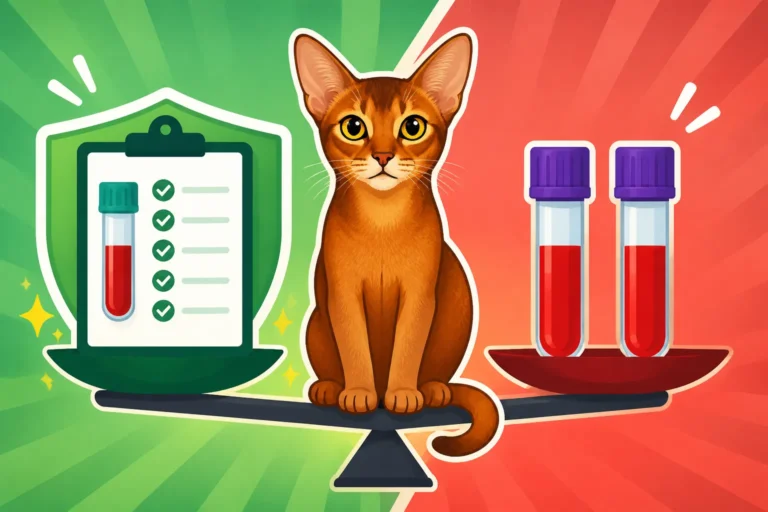
The very first thing you should expect the price to cover, or at the very least, be informed about, are the health screenings of the parent cats. Responsible breeders will test their breeding cats for known genetic conditions prevalent in the Abyssinian breed. This notably includes tests for Pyruvate Kinase Deficiency (PKD) and Progressive Retinal Atrophy (PRA-rdAc). They should be able to provide you with documentation of these tests, showing that the parents are clear or are carriers that have been bred responsibly. For example, understanding How the Abyssinian's DNA Panel Is Ordered can help you verify the breeder's claims.
Furthermore, a reputable breeder will offer a health guarantee for your kitten, typically covering a period against congenital or hereditary diseases. This guarantee provides crucial peace of mind, ensuring that if a serious genetic health issue arises within that timeframe, the breeder will stand by their kitten. This is a far cry from what you might find with breeders who cut corners, selling untested kittens that could harbor hidden health problems, leading to heartbreaking and costly veterinary interventions down the road. Always ask for specific details about the health guarantee before committing.
Veterinary Care and Early Socialization
Your Abyssinian kitten should come to you having already received their initial veterinary care. This means they should have had their first round of core vaccinations and deworming treatments. Many breeders will also ensure the kitten has been microchipped before leaving for their new home, which is a fantastic safety measure should your adventurous Abyssinian ever get lost. A detailed health record from a licensed veterinarian, outlining all treatments and future appointments, should be provided.
Beyond physical health, the price you pay also reflects the breeder's dedication to early socialization. An Abyssinian is an incredibly intelligent and active breed, and proper early exposure is crucial for their development into confident, friendly adults. This includes consistent handling from birth, exposure to a busy household environment with various sounds and people, and interaction with other cats (and sometimes well-behaved dogs). Kittens raised in a loving, stimulating home environment are much more likely to adapt seamlessly to their new families, avoiding common behavioral issues that can arise from inadequate early experiences.
Registration Papers and Spay/Neuter Agreements
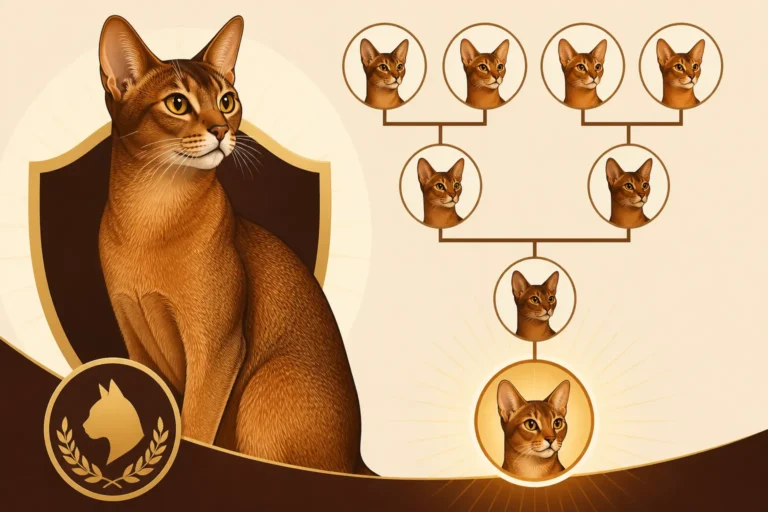
When you purchase a pet quality Abyssinian from a reputable breeder, the price generally includes their registration papers from a recognized cat registry, such as the Cat Fanciers' Association (CFA) or The International Cat Association (TICA). These papers are proof of your cat's purebred status and pedigree, tracing their lineage back several generations. While you may not intend to show or breed your cat, these papers offer assurance of their ancestry and the breeder's commitment to maintaining breed standards.
Crucially, pet quality kittens are almost always sold with a strict spay/neuter agreement. This means you will be required to have your kitten surgically altered by a certain age (usually around 6-9 months) as part of your contract with the breeder. Sometimes, the breeder will even arrange and cover the cost of the spay/neuter before the kitten goes home, or offer a rebate upon proof of the procedure. This agreement is vital for preventing accidental breeding, controlling pet overpopulation, and ensuring that breeding is left to experienced individuals dedicated to genetic health and breed improvement. It’s a sign of a responsible breeder who prioritizes the welfare of the breed over profit.
The True Cost Beyond the Purchase Price
While the initial price of your pet quality Abyssinian is a significant investment, it's really just the beginning of your financial commitment. Abyssinians are known for their playful nature and active minds, which means ongoing costs for their care, enrichment, and health can add up. Ignoring these can lead to unexpected strain on your budget and a less-than-ideal life for your energetic companion.
Ongoing Expenses: Food, Litter, and Enrichment
Abyssinians are high-energy cats, which means they often burn more calories than a less active breed. This translates into a need for high-quality food, rich in protein, to fuel their endless adventures. You might find yourself going through more food than you initially expected! Many Abyssinian owners choose to supplement kibble with wet food, which is excellent for hydration and kidney health. Finding a good balance can be a bit of a dance, but prioritizing nutrition is paramount for a long, healthy life.
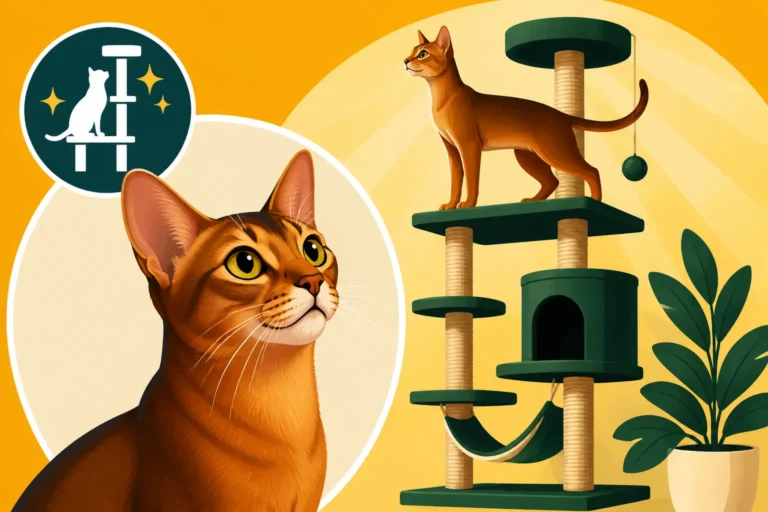
Beyond food, there's litter. Abyssinians, being fastidiously clean, appreciate a clean litter box, so you'll go through a fair amount of litter. Then comes enrichment. These intelligent cats thrive on mental and physical stimulation. This means investing in sturdy, tall cat trees (because An Abyssinian Needs Height More Than It Needs Floor), wall-mounted shelves, puzzle feeders, and a variety of interactive toys. They can be rough on toys, so durability is key. Failing to provide adequate enrichment can lead to boredom and potentially destructive behaviors like scratching furniture or opening cabinets, which can then incur more costs in repairs or deterrents.
The Inevitable Vet Bills: Regular and Unexpected
Even with the best breeding and a fantastic start in life, routine veterinary care is an absolute must. Annual check-ups, booster vaccinations (if needed), and parasite prevention are standard expenses. For a breed like the Abyssinian, who can be prone to certain conditions, regular monitoring becomes even more critical. You'll want to ensure you keep up with their dental health, as Why Abyssinian Dental Work Is the Biggest Line in the Budget often rings true for many owners. Early onset gingivitis is a known issue for the breed, making regular dental cleanings and potentially gingivectomies a common, albeit costly, part of their care.
Then there are the unexpected vet bills. Life happens, and even the healthiest cat can have an accident, ingest something they shouldn't, or develop an unforeseen illness. These emergency visits can quickly run into hundreds or even thousands of dollars. Having an emergency fund specifically for your pet, or investing in pet insurance, becomes not just a recommendation but a crucial financial buffer. A proactive approach to vet care, rather than a reactive one, can save you both money and heartache in the long run.
Insurance Considerations: Protecting Your Investment
Given the potential for both routine and unexpected health costs, many Abyssinian owners find pet insurance to be an invaluable investment. Providers like Healthy Paws offer various plans that can help cover a significant portion of veterinary bills, ranging from accidents and illnesses to emergency care. When considering insurance, it's wise to look into policies that specifically cover hereditary and congenital conditions, as these are often where the largest vet expenses for Abyssinians can lie.
The cost of pet insurance varies based on your cat's age, breed, and your location, as well as the coverage level you choose. It's generally recommended to insure your Abyssinian when they are young, as pre-existing conditions are typically excluded from coverage. While it's an added monthly expense, the peace of mind that comes with knowing you can provide the best possible care for your Abyssinian without facing devastating financial choices is truly priceless. Thinking about Whether Pet Insurance Is Worth It for an Abyssinian early on can save you stress later.
Navigating the Market: Red Flags and Reputable Breeders
Finding the right Abyssinian kitten is an exciting journey, but it's essential to approach the market with a critical eye. Unfortunately, not all sellers have the best interests of the breed or the cats at heart. Knowing what to look for, and what to avoid, will ensure you bring home a healthy, well-adjusted companion.
Identifying Reputable Breeders and Avoiding Scams
A reputable Abyssinian breeder will operate with transparency, ethics, and a deep love for the breed. They will be registered with a recognized cat association (like CFA or TICA) and breed according to their standards. Expect them to ask you a lot of questions about your home, lifestyle, and experience with cats – this isn't an interrogation; it's a sign they want to ensure their kittens go to the best possible homes. They should also be eager to answer all your questions, provide references, and allow you to visit their cattery (or at least conduct a video tour) to see the kittens and parent cats in their living environment. This helps you get a feel for the cleanliness and care provided.
Red flags include breeders who:
- Refuse to provide proof of health screenings for parent cats.
- Offer kittens for sale at unusually low prices without explanation.
- Are unwilling to let you meet the kitten's parents.
- Insist on meeting you in a public place rather than at their home.
- Don't provide a written contract or health guarantee.
- Have multiple litters available at once, suggesting a high-volume operation rather than a focus on quality.
- Advertise "rare" colors or types of Abyssinians for an inflated price that aren't recognized by breed standards.
- Allow kittens to leave before 12-14 weeks of age.
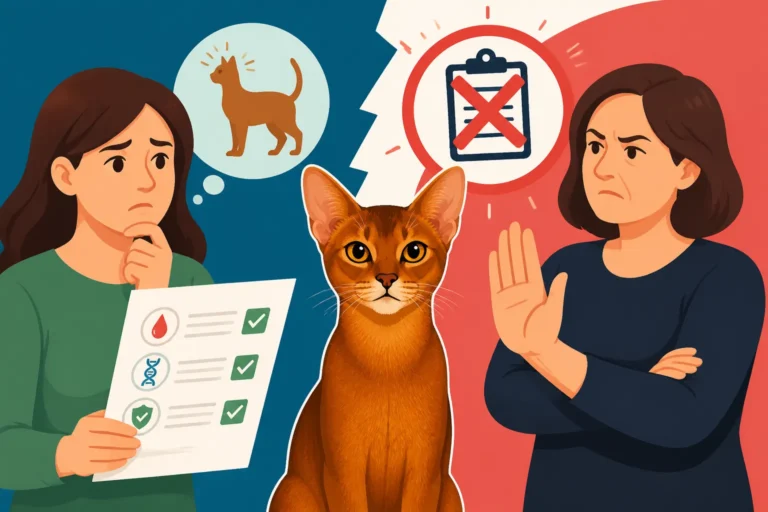
Learning How to Spot an Abyssinian Breeder Who Does Not Test is crucial in protecting yourself and the breed.
The Role of Rescue and Adoption
While many people dream of a kitten, adopting an adult Abyssinian from a breed-specific rescue organization is a fantastic option that often comes with a much lower adoption fee. These fees typically cover the cost of spay/neuter, vaccinations, microchipping, and any necessary veterinary care the cat received while in foster care. An added benefit is that adult cats often come with established personalities, and rescue organizations can help match you with an Abyssinian whose temperament perfectly suits your home.
Adult Abyssinians end up in rescue for various reasons – owners' allergies, lifestyle changes, or simply being overwhelmed by the breed's energetic nature. These cats are no less deserving of a loving home and can often be a wonderful fit for individuals or families who appreciate a more mature companion. Rescues provide a detailed history of the cat (to the best of their knowledge) and often have them thoroughly vetted and socialized in foster homes. It’s a rewarding way to provide a second chance and experience the joy of the breed without the higher initial purchase price of a kitten.
Verifying Health Clearances and Contracts
Before finalizing any purchase, it is absolutely essential to verify the health clearances of the parent cats. Don't just take a breeder's word for it; ask for copies of the DNA test results for PK Deficiency and PRA-rdAc. These are typically generated by veterinary genetics laboratories. A transparent breeder will have no problem providing these documents and explaining them to you. Remember, a health guarantee is only as good as the contract it's written in, so read it carefully.
Ensure the contract clearly outlines:
- The kitten's details (breed, color, date of birth, registration number if applicable).
- The terms of the health guarantee, including what it covers and for how long.
- The spay/neuter agreement, including deadlines and any stipulations.
- What happens if the kitten is unable to be kept (e.g., return policy).
- Any expectations regarding future contact or updates with the breeder.
A comprehensive, clear contract protects both you and the breeder and sets the foundation for a positive relationship. This upfront diligence is key to ensuring that your pet quality Abyssinian will be a healthy, happy member of your family for many years to come, truly making them a worthwhile investment over their What an Abyssinian Costs Over Fifteen Years lifespan.
Disclaimer
This article is for general informational purposes only and does not constitute professional advice. Laws, prices and regulations vary by location and change over time. Consult a qualified professional for guidance on your specific situation.