What a Show Quality Abyssinian Sells For
When you start looking for an Abyssinian, you quickly discover there's a significant difference between the cost of a beloved companion pet and an Abyssinian destined for the show ring. The journey of acquiring a show-quality Abyssinian involves understanding a breeder's immense investment in genetics, health, and dedication, which naturally influences the final price you'll pay for a feline superstar. This guide will walk you through what defines a show-quality Abyssinian and the many factors that contribute to its unique valuation.
Understanding "Show Quality" in an Abyssinian
It's easy to assume "show quality" just means a really beautiful cat, but for an Abyssinian, it's far more specific and rigorous. A show-quality Abyssinian isn't just a pretty face; it's a living embodiment of the breed standard, meticulously bred to represent the ideal characteristics established by feline fancy organizations. This level of perfection is incredibly difficult to achieve, and that rarity is a fundamental driver of its higher price.
The Strict Demands of the Breed Standard
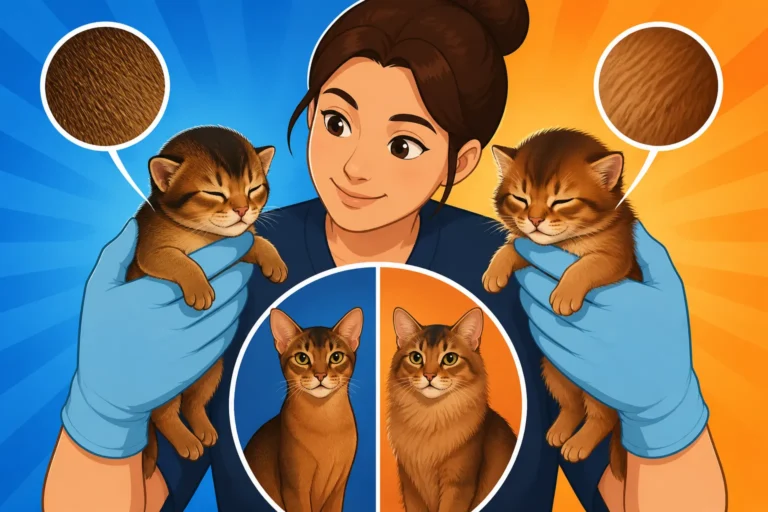
The Cat Fanciers' Association (CFA) or The International Cat Association (TICA) standards, for example, lay out incredibly detailed specifications for every aspect of an Abyssinian. We're talking about the exact shape of the head, the placement and size of the ears, the almond shape and color of the eyes, and even the "mascara" lines around them. The body must be lithe and muscular, with long, slender legs and small, oval paws. And then there's the coat – the signature ticked coat that makes the Abyssinian so striking. Each individual hair should have three or four bands of color, with the darkest banding at the tip, creating that shimmering, agouti effect without any visible bars or stripes. When you look at What an Abyssinian Looks Like Against the Show Standard, you begin to appreciate the intricate details breeders are striving for.
A show cat needs to be nearly flawless in these aspects. A minor fault, like slightly large ears or a less-than-perfect tuck-up, might still allow a cat to be shown, but it significantly impacts its potential to win. Major faults, such as a kinked tail or improper eye color, would disqualify the cat from competition entirely. Breeders dedicate generations to refining their lines, hoping to produce kittens that come as close to this elusive perfection as possible. It's a testament to their skill and selective breeding that any cat can consistently meet these demanding criteria.
Temperament: More Than Just Good Looks
While physical appearance is paramount, a show Abyssinian also needs an exceptional temperament. Imagine a cat terrified of crowds, unwilling to be handled by strangers, or prone to lashing out when examined. Such a cat, no matter how physically perfect, would never succeed in the show ring. Judges need to be able to assess the cat calmly, and the cat needs to project confidence and grace, even in a bustling environment. Abyssinians are known for being The Abyssinian Is the Busiest Cat in the House, but a show cat must channel that energy into curious engagement rather than frantic escape.
A show-quality Abyssinian is expected to be outgoing, friendly, and tolerant of being handled and poked, all while maintaining its characteristic lively curiosity. This means breeders not only select for physical traits but also for personality, ensuring that kittens are well-socialized from birth, accustomed to different sounds, people, and experiences. A kitten with true show potential will often stand out even in a young litter for its bold, confident demeanor and willingness to interact.
The Financial Realities Behind a Show Abyssinian's Price Tag
It's tempting to compare the price of a show Abyssinian to that of a randomly bred cat, but that's like comparing a custom-built sports car to a basic sedan. The costs associated with breeding show-quality animals are astronomical, encompassing years of research, significant health testing, and the continuous effort to improve the breed. These aren't expenses that can be skimped on if the goal is to produce top-tier cats.
Extensive Health Screening and Genetic Testing
Reputable breeders invest heavily in the health of their breeding stock. This isn't just a routine vet check-up; it involves comprehensive genetic testing to screen for inheritable diseases common in the Abyssinian breed. For example, the Abyssinian is prone to Pyruvate Kinase Deficiency (PKD) and Progressive Retinal Atrophy (PRA-rdAc). Breeders routinely screen their cats for these conditions. You can read more about Which Two DNA Tests an Abyssinian Must Have to understand the specifics. A breeder whose cats are clear for these conditions, or carefully managed as carriers, is offering a kitten with a much lower risk of developing devastating diseases.
Beyond DNA tests, many breeders also pursue cardiac screenings and other general health checks. This proactive approach ensures that any potential genetic weaknesses are identified and ideally bred out of the lines. All these tests cost money, often hundreds of dollars per cat, and a breeder with multiple breeding animals will incur these expenses repeatedly. When you receive a kitten from a thoroughly tested lineage, you're not just paying for the cat; you're paying for the peace of mind that comes from knowing its genetic background has been rigorously vetted. This comprehensive approach is a stark contrast to breeders who cut corners, selling cheaper, untested kittens that can become very costly pets down the line.
Pedigree and Lineage: A Legacy of Excellence
The "pedigree" of a show Abyssinian isn't just a piece of paper; it's a meticulously documented family tree that reflects generations of selective breeding. A show-quality Abyssinian will typically come from a lineage of champions, Grand Champions, and even National Winners. This means the cat's ancestors have consistently met or exceeded the breed standard in the show ring. Breeders often import top lines from around the world to introduce new, desirable traits and strengthen their breeding programs.
A deep, strong pedigree indicates that the breeder is working with proven genetics and has a clear understanding of what their cats will produce. This reduces the variability in litters, increasing the chances of producing kittens that have true show potential. A kitten from such a lineage is priced higher because it represents decades of effort and success in maintaining the breed's integrity and quality. This isn't just about bragging rights; it's about the consistent application of genetic knowledge to produce outstanding examples of the breed.
Breeder Reputation and Support
A reputable Abyssinian breeder does not just sell a cat; they offer a lifetime of support. This includes advising on nutrition, behavior, grooming, and health concerns. They are a resource for questions that arise years after you've taken your kitten home. For a show-quality Abyssinian, this support extends to mentoring on how to prepare for shows, understanding judging criteria, and even networking within the show community. Such breeders are deeply invested in the success of their kittens, both as companions and as representatives of their cattery.
Their reputation is built on consistency, ethical practices, and the quality of the cats they produce. They'll have a clear contract outlining health guarantees, spay/neuter clauses, and rehoming policies. For instance, What an Abyssinian Breeder's Health Guarantee Covers can vary, but a good breeder will offer robust protection against genetic illnesses. They're often members of breed clubs and actively participate in the cat fancy community, demonstrating their commitment beyond simple transactions. This level of dedication and ongoing support is invaluable and naturally reflected in the price.
Comparing Show Quality to Pet Quality Abyssinian Prices
The distinction between a "pet quality" and "show quality" Abyssinian is often the biggest point of confusion for prospective owners. While both are purebred Abyssinians with excellent temperaments and come from health-tested parents, their price points can vary considerably.
What Makes a Pet Quality Abyssinian Different?
A pet quality Abyssinian is typically a kitten that possesses all the wonderful traits of the breed – the playful personality, the beautiful ticked coat, the stunning eyes – but has one or more minor "faults" that would prevent it from consistently winning in the show ring. These faults are purely cosmetic and have no bearing on the cat's health, temperament, or its ability to be a cherished family member. It might have ears that are a touch too close, a slightly less defined ticking pattern on its coat, or a body type that is not quite as refined as the standard dictates. These are often things only a trained eye would even notice.
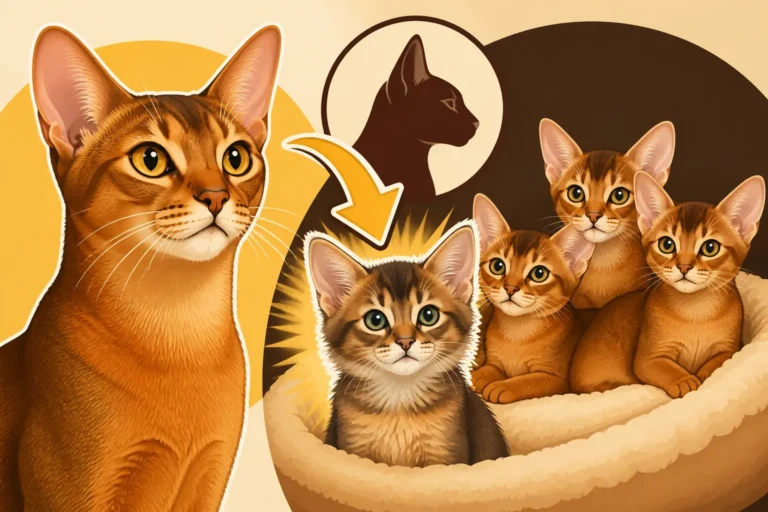
Many breeders will assess a litter around 10-12 weeks of age to determine which kittens have show potential and which are best suited as pets. A pet quality Abyssinian might cost significantly less than its show-quality littermate because the breeder doesn't need to account for the ongoing time, effort, and mentorship involved in preparing and supporting a show career. You can often find a wonderful pet quality Abyssinian for a much more accessible price point, as explored in How Much a Pet Abyssinian Costs From a Breeder. These cats are still fantastic companions, embodying the breed's spirit without the pressure of competition.
The Spectrum of Show Quality
Even within "show quality," there's a spectrum. A cat designated as "show quality" might be expected to earn a Grand Champion title, while an "alter show quality" cat might be a spayed or neutered Abyssinian shown in the Premiership (alter) class. The most expensive Abyssinian will be one with the potential to become a national or regional winner, consistently placing at the very top of its class. These are the cats that are truly exceptional, embodying the breed standard with minimal to no faults, and possessing that intangible "presence" that judges adore.
The breeder's confidence in a kitten's show potential also plays a role. A breeder might price a kitten with "potential" differently than one that is clearly outstanding. Sometimes, a breeder might sell a show-quality kitten with an agreement that the new owner will actively participate in showing it, understanding the commitment required. This ensures the breeder's lines continue to be represented in the competitive arena.
Here's a simplified comparison of factors:
| Feature | Pet Quality Abyssinian | Show Quality Abyssinian |
|---|---|---|
| Physical Appearance | Minor cosmetic faults (e.g., ear set, coat pattern) | Conforms almost perfectly to breed standard |
| Temperament | Excellent, social, loving companion | Excellent, confident, outgoing, tolerant of handling |
| Genetic Health Tests | Parents are health tested, kitten guaranteed healthy | Parents are extensively health tested, superior lineage |
| Pedigree | Purebred, usually multiple generations | Deep pedigree of champions/Grand Champions |
| Breeder Support | Ongoing advice for general care | Ongoing advice, mentoring for show prep and participation |
| Purpose | Loving companion, family member | Competition, potential breeding stock (if sold with rights) |
| Contract Terms | Strict spay/neuter clause | May include showing requirements, potential breeding rights |
| Price | Generally lower, more accessible | Significantly higher, reflects exceptional quality & potential |
The Ongoing Investment in a Show Abyssinian
Bringing home a show-quality Abyssinian is just the beginning of a significant financial and time commitment. The initial purchase price is merely the entry fee into the world of cat showing, and the ongoing costs can quickly add up, easily dwarfing the initial acquisition. This is something any prospective show owner needs to consider carefully before taking the plunge.
Show Entry Fees and Travel Expenses
Participating in cat shows is not a cheap endeavor. Each entry for a show typically carries a fee per cat, and if you're entering multiple classes or multiple cats, these fees multiply quickly. Beyond the entry fees, there's the cost of travel. Shows can be held across states or even internationally, requiring airfare, hotel stays, rental cars, and meals. Your Abyssinian will also need a comfortable, airline-approved carrier, which might be a more substantial investment than a standard pet carrier. For a truly dedicated owner, travel and entry fees can run into thousands of dollars annually, proving that the initial cost of the cat is just the tip of the iceberg.
Then there's the consideration of how frequently you plan to show. Some owners might attend a few local shows a year, while others travel almost every weekend, chasing points and titles. This intensive schedule demands not only financial resources but also a huge time commitment, as you'll spend many weekends away from home. Every choice, from how far you travel to how many shows you enter, directly impacts your overall budget.
Specialized Grooming and Presentation
While Abyssinians have relatively easy-care coats, maintaining a show Abyssinian's coat and overall presentation to ring perfection requires attention. This isn't just a quick brush; it involves ensuring the coat is impeccably clean, soft, and gleaming, with the ticking perfectly defined. Before a show, a cat might need a bath with specific shampoos to enhance its color and texture, followed by careful drying and polishing with a chamois cloth to bring out its natural luster, as discussed in How a Chamois Brings Up an Abyssinian's Shine. Their nails must be perfectly trimmed, and their ears spotless.
Some owners prefer to handle all grooming themselves, while others might enlist professional groomers for pre-show preparation, especially for major events. Even if you do it yourself, you're investing in high-quality grooming tools, special shampoos, and conditioners. This meticulous attention to detail ensures that the Abyssinian looks its absolute best under the bright lights of the judging ring, where every nuance of its appearance is scrutinized. Neglecting this aspect can mean the difference between winning a ribbon and simply participating.
Maintaining Peak Health and Condition
A show Abyssinian needs to be in absolute peak physical condition, which means a premium diet, regular veterinary care, and an enriching environment. This includes high-quality food, which might be more expensive than standard kibble. Many show cat owners opt for specialized diets, possibly including some fresh food options. It’s always wise to discuss any dietary changes with your vet to ensure they suit an Abyssinian's specific needs, especially given their tendency towards dental issues.
Regular veterinary check-ups are essential, often more frequent than for a typical pet cat, to ensure there are no underlying health issues that could affect performance or appearance. This includes regular dental care, which can be a significant expense for Abyssinians. Why Abyssinian Dental Work Is the Biggest Line in the Budget highlights the importance of this. Having pet insurance from providers like Healthy Paws can be a real lifesaver here, helping to mitigate the costs of unexpected illnesses or injuries, which become even more critical when you're trying to maintain a show cat's pristine health. These consistent investments in health are crucial for longevity and performance in the competitive arena.
Why a Show-Quality Abyssinian Commands a Premium Price
The significant price difference between a pet-quality and a show-quality Abyssinian stems from a combination of rarity, the intensive labor involved in breeding and raising such cats, and the inherent value of acquiring an animal that truly exemplifies its breed. It's not just about aesthetics; it's about the culmination of ethical breeding practices, genetic excellence, and a commitment to preserving and enhancing the Abyssinian breed.
The Rarity of True Show Potential
It's a simple truth in animal breeding: genuinely outstanding individuals are rare. Even in a litter from two champion parents, only one or two kittens (if any) might possess the near-perfect combination of traits required for a successful show career. Many more will be beautiful, healthy, and loving pets, but they won't quite meet the stringent criteria of the breed standard to be consistent winners. This scarcity of "the best" drives up their value. Breeders spend years, sometimes decades, carefully selecting breeding pairs, studying pedigrees, and even importing cats from other catteries to introduce desirable traits, all in the hope of producing that one extraordinary kitten.
This rarity means that when a breeder does produce a truly show-quality Abyssinian, its price reflects not just the cost of that individual kitten's upbringing, but the entire investment in the breeding program that made such a rarity possible. It's the culmination of generations of careful planning, keen observation, and unwavering dedication to the breed's improvement.
Intensive Time and Effort by the Breeder
Raising any litter of kittens is demanding, but raising a litter with show potential takes it to another level. Breeders of show-quality Abyssinians don't just provide food and shelter; they engage in extensive socialization to ensure the kittens are confident, friendly, and accustomed to handling. This includes exposing them to various sounds, textures, and people, as well as regular handling sessions to get them comfortable with being examined, just like a judge would in the ring. The breeder is often a mentor, spending hours advising prospective owners and ensuring the right fit.
They invest time in studying genetics, attending workshops, and networking with other top breeders to continuously improve their knowledge and lines. All this translates into countless hours of work that go far beyond what a hobby breeder or a typical pet owner would dedicate. The price of a show-quality Abyssinian reflects this immense, ongoing investment of time, expertise, and passion. When you buy from a reputable breeder, you're not just getting a cat; you're gaining access to a wealth of knowledge and a lifelong resource.
Lifelong Breeder Support and Mentorship
For those aspiring to enter the competitive world of cat showing, a reputable breeder becomes an invaluable mentor. They're not only selling you a potential champion but guiding you through the intricacies of the show circuit. This might include advice on selecting the best shows, preparing your Abyssinian for judging, and understanding the nuances of the breed standard. This mentorship often continues for years, helping you navigate the sometimes-challenging world of cat fancy.
This kind of ongoing support is a huge part of the value proposition for a show-quality Abyssinian. It's a relationship, not just a transaction. The breeder has a vested interest in the success of their cats and their new owners in the ring, as it reflects well on their cattery. For someone new to showing, this guidance is almost as valuable as the cat itself, and it's certainly factored into the higher initial price. This is particularly true when you consider the commitment a breeder makes to the health and well-being of the cat throughout its life, with some even requiring updates on its progress and health check-ups.
Finding a Reputable Breeder for a Show Abyssinian
Finding the right breeder for a show-quality Abyssinian is perhaps the most critical step in this entire process. It's not just about finding a kitten; it's about establishing a relationship with someone who shares your passion and can provide the foundation and support you'll need. This is a journey that requires patience, research, and a clear understanding of what to look for and what to avoid.
Critical Questions to Ask and Red Flags to Watch For
When you first connect with a breeder, be prepared to ask a lot of questions – and expect them to ask just as many of you! A good breeder wants to ensure their kittens go to the best possible homes. You should inquire about the health testing protocols for both parents, asking for copies of genetic test results for PK Deficiency and PRA-rdAc, and any other relevant screenings. Don't shy away from asking about the kidney history of the line, as renal amyloidosis is a concern in Abyssinians, even without a genetic test. What to Ask About an Abyssinian Line's Kidney History is a great resource here. Ask about their show history, the titles their cats have achieved, and their philosophy on breeding.
Be wary of breeders who offer kittens at significantly lower prices than others in the show community, as this often indicates a lack of proper health testing, poor lineage, or a disregard for breed standards. Avoid anyone who pressures you into a sale, refuses to provide health documentation, or doesn't seem knowledgeable about the breed's specific health concerns. A breeder who truly cares will be transparent, patient, and thorough in their responses. Also, be suspicious if they have multiple litters available at all times, as ethical breeding involves careful planning and limits on how often a queen is bred.
Visiting the Cattery and Observing the Environment
Whenever possible, visiting the breeder's cattery in person is highly recommended. This allows you to see the living conditions of the cats, observe the temperament of the parents, and interact with the kittens. A reputable cattery should be clean, well-maintained, and provide a stimulating environment for the cats. The cats should appear healthy, well-socialized, and comfortable in their surroundings. You'll want to see how the kittens interact with each other and with people. Do they seem confident and playful, or shy and withdrawn? This is your chance to assess the real-world conditions that have shaped your potential future show cat.
If an in-person visit isn't feasible due to distance, a good breeder should be willing to provide video calls, extensive photos, and references from other satisfied owners or judges. They might even be connected through organizations like CFA or TICA, which can offer a directory of reputable breeders. Remember, a thorough breeder interview is a two-way street; they're vetting you just as much as you're vetting them. This process is essential for ensuring you're getting a healthy, well-adjusted Abyssinian with true show potential.
Understanding Contracts and Guarantees for Show Cats
A comprehensive contract is a hallmark of an ethical breeder. For a show-quality Abyssinian, this contract will typically be more detailed than for a pet. It should clearly outline the health guarantee, specifying what genetic conditions are covered and for how long. It might include clauses regarding the cat's show career, such as requirements for the new owner to campaign the cat to a certain title, or even an agreement on breeding rights if the cat is intended for future breeding. Understanding Why an Abyssinian Sells on a Non Breeding Agreement is important, as most pet quality Abyssinians are sold with this in place, whereas a show quality cat might have breeding rights included or as a separate, higher-priced option.
The contract might also specify a return policy if the cat develops an unforeseen health issue or does not meet its show potential. Read every clause carefully, and don't hesitate to ask for clarification on anything you don't understand. A transparent breeder will be happy to explain their terms. This contract isn't just a formality; it's a mutual agreement that protects both you and the breeder, ensuring the long-term welfare and success of your show-quality Abyssinian. It's a testament to the fact that these cats are not just commodities, but living beings into which a great deal of care, effort, and hope has been invested.
Disclaimer
This article is for general informational purposes only and does not constitute professional advice. Laws, prices and regulations vary by location and change over time. Consult a qualified professional for guidance on your specific situation.