Why a Ruddy Abyssinian Is the Cheapest Color
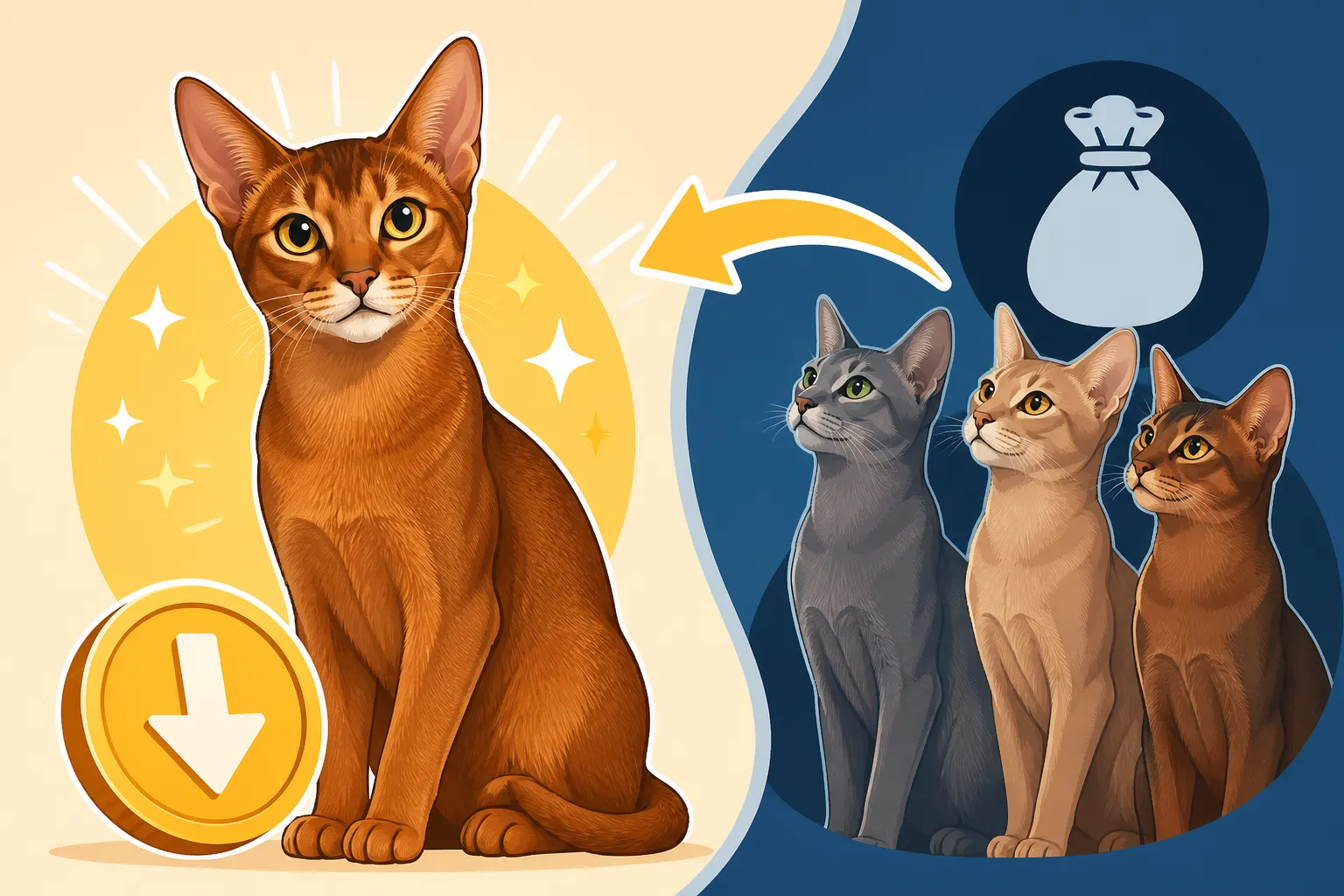
It’s a common thought when you start looking into getting an Abyssinian cat: why do some colors seem to cost more than others? You might stumble upon a gorgeous Ruddy Abyssinian and notice that their price point can often be a bit more accessible than, say, a Blue or a Fawn. This guide will delve into the fascinating reasons behind these price differences, exploring why the classic Ruddy Abyssinian often comes with a slightly lower price tag.
Understanding Abyssinian Pricing Beyond Color
When you're embarking on the exciting journey of bringing an Abyssinian into your life, you quickly discover that the price of a kitten isn't just a random number. There's a whole complex web of factors that breeders consider, from lineage and health to the sheer demand for specific traits. It’s not just about the color, although that certainly plays a significant role. Understanding these underlying elements helps to demystify why one kitten might be priced differently from another, even within the same litter.
The Basic Factors Influencing Kitten Cost
First and foremost, the core cost of an Abyssinian kitten, regardless of color, is deeply tied to the quality of the breeding program. A responsible breeder invests heavily in their cats: top-tier nutrition, regular veterinary care, genetic health testing for conditions like Pyruvate Kinase Deficiency (PKD) and Progressive Retinal Atrophy (PRA-rdAc), and providing an enriching environment for their queens and kittens. These aren't just optional extras; they're foundational to producing healthy, well-socialized kittens. Furthermore, factors like the breeder's reputation, their location (which impacts travel costs and local market demand), and whether the kitten is designated "pet quality" or "show quality" all contribute. Show-quality kittens, those bred to the exacting standards of the breed, typically command a higher price due to their conformation and potential in the show ring, whereas a pet-quality kitten, while still a perfect companion, might have minor traits that make them less suitable for competition. You can learn more about these distinctions in How Much a Pet Abyssinian Costs From a Breeder.
Beyond the general operational costs, there's the lineage to consider. A kitten from champion bloodlines, whose parents have achieved titles in cat shows, often comes with a higher price tag. This isn't just about bragging rights; it signifies a history of proven health, temperament, and adherence to the breed standard, which is something many buyers are willing to pay a premium for. The intensive process of screening potential breeding cats, traveling to stud services, and the sheer time commitment involved in raising a litter all factor into that initial price. So, while the initial cost might seem high compared to a shelter cat, you're paying for generations of careful selection and dedicated care.
Why Rarity and Demand Drive Up Prices
It's a simple economic principle that applies as much to pedigree cats as it does to anything else: when something is rare, its value tends to increase. This holds true for specific Abyssinian colors. While all Abyssinian colors are beautiful in their own right, some are naturally less common, either due to their genetic expression being recessive or simply because fewer breeders focus on producing them. This scarcity creates higher demand, and higher demand, of course, means a higher price. Think of it like this: if only a handful of breeders are working with a particular dilute color gene, and the litters are small, those unique kittens become highly sought after.
Breeding for specific, less common colors can also be more genetically complex. Sometimes, it requires careful pairing of cats that carry the necessary recessive genes, and even then, there's no guarantee every kitten in a litter will express that desired rare color. This added challenge, coupled with the desire for something distinctive, naturally drives up the market value for these unique Abyssinian shades. Buyers who specifically want a blue or a fawn Abyssinian understand they might need to wait longer and pay more for the privilege of owning a cat with such a striking and less frequently seen coat.
The Ruddy Abyssinian: A Classic and Abundant Choice
Now, let's talk about the Ruddy. This is the color that often sparks the initial curiosity about price differences. When you see a Ruddy Abyssinian, you're looking at what many consider the quintessential Abyssinian look – a rich, warm, ticked coat that evokes the wild elegance of their supposed ancestors. It’s a stunning color, yet it often sits at the more affordable end of the Abyssinian price spectrum.
Ruddy as the Original and Most Common Color
The Ruddy Abyssinian is often considered the "original" color of the breed, also sometimes referred to as "Usual" in some parts of the world. This rich, warm brown ticked with black bands on each hair is what most people picture when they think of an Abyssinian. It's the color that has been present since the breed's earliest days, dominating pedigrees for generations. Because of its historical prominence and widespread breeding, Ruddy Abyssinians are simply more common than other colors. What a Ruddy Abyssinian Actually Looks Like can give you a deeper appreciation for this classic shade.
The sheer abundance of Ruddy Abyssinians means that the supply generally meets or even slightly exceeds the demand for this particular color. When there are more high-quality Ruddy kittens available, the competitive pricing among reputable breeders can lead to a slightly lower average cost compared to the rarer shades. It’s not that the Ruddy is any less beautiful or healthy, but rather that its prevalence in breeding programs makes it more accessible to prospective owners. This widespread availability also means that waiting lists for Ruddy kittens might not be as long as for some of the more exotic colors, making them a quicker path to Abyssinian ownership for many.
Genetic Dominance and Breeding Ease
Another key factor in the Ruddy Abyssinian's relative affordability lies in its genetics. The gene responsible for the Ruddy coloration is dominant. This means that a cat only needs one copy of the Ruddy gene to express the color. When you breed two Ruddy Abyssinians, or even a Ruddy with another color that carries the Ruddy gene, you're very likely to produce Ruddy kittens in the litter. This makes breeding for Ruddy much less complex than trying to achieve recessive colors like blue or fawn, where both parents must carry the specific recessive gene.
Because the Ruddy gene is dominant and widely distributed within the breed's gene pool, breeders don't face the same challenges or uncertainties in producing Ruddy kittens. They don't need to selectively breed for several generations to 'fix' a particular dilute color, nor do they often encounter litters where the desired rare color simply doesn't appear. This ease of breeding translates into a more consistent supply, which in turn influences the pricing. Breeders can confidently plan for Ruddy kittens, and the relative predictability helps keep their costs, and subsequently the purchase price for you, a little lower.
Comparing Ruddy to Other Abyssinian Colors
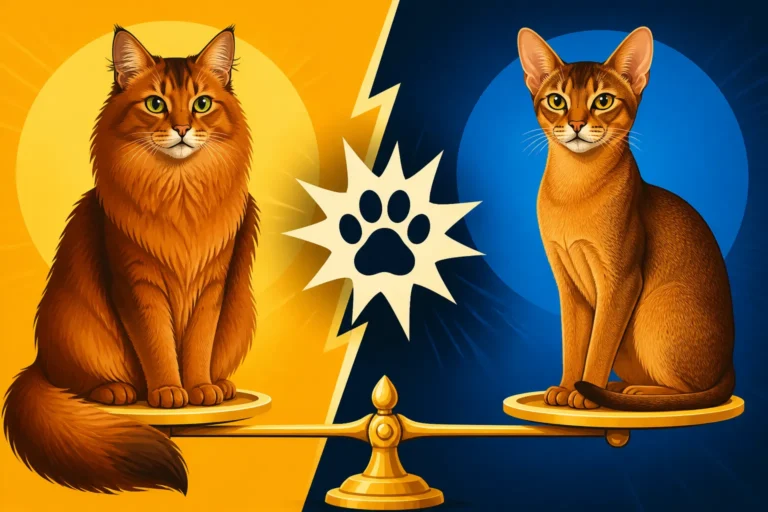
While the Ruddy holds a special place, the Abyssinian breed boasts a captivating palette of other recognized colors, each with its own unique charm and, yes, often a different price point. Understanding these variations helps highlight why the Ruddy is often considered the baseline for Abyssinian pricing.
The Appeal and Cost of Sorrel, Blue, and Fawn
Beyond Ruddy, the most commonly recognized Abyssinian colors include Sorrel, Blue, and Fawn. Sorrel Abyssinians, often called "Red" in some regions, are characterized by a warm, cinnamon-red coat with chocolate ticking. They are visually striking and represent a dilution of the Ruddy gene, making them a bit less common than Ruddy. How Much a Sorrel Abyssinian Costs will give you more insight into their pricing.
Blue Abyssinians are a true marvel, with a soft, warm grey-blue coat ticked with slate blue bands. This color is a dilute of the Ruddy gene, making it less frequently seen. Fawn Abyssinians, the palest of the traditional colors, are a dilute of Sorrel, featuring a warm cream coat ticked with light mushroom or cocoa tones. Both Blue and Fawn are dilute colors, meaning two copies of the dilution gene must be inherited for the color to express. This genetic requirement makes them less common in litters and often elevates their price. You can dive deeper into their costs with How Much a Blue Abyssinian Costs and How Much a Fawn Abyssinian Costs. The delicate hues and relative scarcity of these dilute colors make them highly desirable to some buyers, and breeders invest considerable time and effort to produce kittens of these specific shades, which is reflected in their pricing.
Silver Varieties and Their Premium
If you're looking for something truly distinctive, you might encounter the silver varieties of Abyssinians. While not a color in itself, 'silver' refers to the presence of an inhibitor gene that removes the warm, golden pigment from the base of the hair shaft, leaving the ticking color on a silvery-white or pale cream undercoat. So, you can have Silver Ruddy, Silver Sorrel, Silver Blue, or Silver Fawn Abyssinians. These cats have a breathtaking, shimmering appearance that sets them apart.
The inhibitor gene that creates the silver effect adds another layer of genetic complexity to breeding. Not all Abyssinians carry this gene, and successfully breeding for consistent, clear silver coats requires specific pairings and careful selection. This added genetic challenge, combined with the stunning and unique appearance of a silver Abyssinian, means they often command a higher price. They are definitely less common than their non-silver counterparts, making them a premium choice for those seeking a truly rare and visually spectacular Abyssinian. Even the famously rare Why a Cream Abyssinian Female Is the Priciest of All will often be a silver variety or a combination of rare factors.
Here's a quick overview of general price influences by Abyssinian color:
| Abyssinian Color | General Rarity/Availability | Genetic Basis | Typical Price Influence (Relative to Ruddy) | Key Characteristics |
|---|---|---|---|---|
| Ruddy | Most Common, Widely Available | Dominant Gene | Baseline/Lower end of spectrum | Classic warm brown/red ticked with black. The "original" Abyssinian look. |
| Sorrel | Less Common than Ruddy | Recessive Gene | Moderately Higher | Warm cinnamon/red ticked with chocolate. Often called "Red." |
| Blue | Less Common than Sorrel | Recessive (Dilute) | Higher | Soft, warm grey-blue ticked with slate blue. Very elegant. |
| Fawn | Rarest of the Four Standard Colors | Recessive (Dilute) | Highest of the standard colors | Palest, warm cream ticked with mushroom/cocoa. Truly exquisite. |
| Silver (any base color) | Highly Rare | Inhibitor Gene | Premium, Significant Increase | Any base color with a silver-white undercoat, creating a shimmering effect. |
Note: These are general observations, and actual prices can vary significantly based on breeder, lineage, location, and individual kitten quality.
What "Cheapest" Really Means in the Abyssinian World
When we talk about a Ruddy Abyssinian being the "cheapest" color, it’s really important to keep perspective. We’re discussing relative pricing within the world of pedigree cats. An Abyssinian, even the most common color, is a significant financial investment up front, and that’s before you even consider the long-term costs of care. The word "cheapest" here does not imply low quality or cutting corners. In fact, far from it.
The Importance of a Reputable Breeder, Regardless of Color
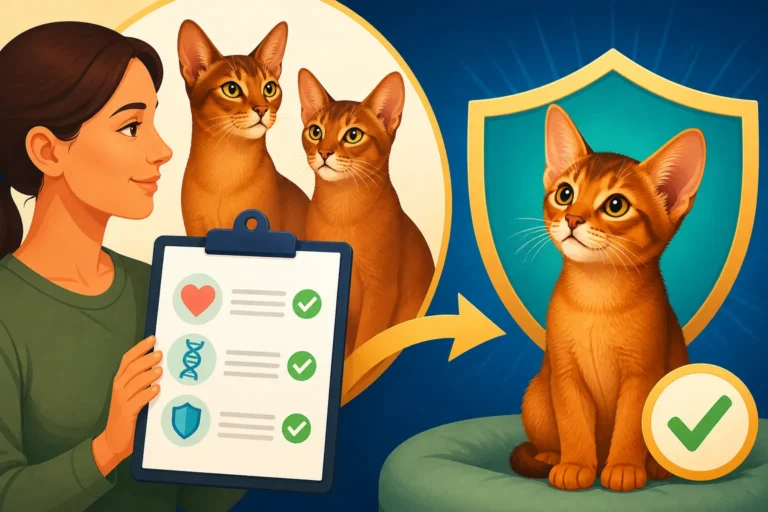
Regardless of the color you choose, the most crucial factor is always selecting a reputable breeder. A breeder who truly cares for their cats will prioritize health, temperament, and adherence to the breed standard above all else. This means they will conduct all necessary genetic health screenings, such as for Pyruvate Kinase Deficiency Is the Abyssinian's Best Known Test and PRA-rdAc Takes an Abyssinian's Sight by Five. They will provide a clean, stimulating environment for their kittens and queens, ensuring proper socialization. They will also be transparent about their breeding practices, health guarantees, and the health history of their lines, particularly concerning conditions like renal amyloidosis, which is a concern in Abyssinians despite not having a direct genetic test. You should expect to receive The Test Results an Abyssinian Breeder Owes You.
A breeder who is selling kittens at an unusually low price, even for a Ruddy, should raise a red flag. This often indicates they are cutting corners on vital health testing, proper nutrition, or necessary veterinary care. These "cheap" kittens can end up costing you exponentially more in vet bills and heartache down the line. As the saying goes, "you get what you pay for." A responsible breeder will have a fair, consistent pricing structure that reflects the considerable investment they make in their program. Remember, Why an Untested Abyssinian Is Cheaper for a Reason is a critical lesson to learn early. Always ask for proof of health tests and engage with breeders who are members of reputable cat fancier associations.
Long-Term Costs Outweigh Initial Purchase Price
It's a truth I tell everyone considering a new pet: the purchase price is almost always the smallest part of the financial commitment. Owning an Abyssinian, with their high energy and specific needs, is an ongoing investment. You'll need to budget for premium cat food, high-quality litter, and plenty of stimulating toys. Abyssinians are incredibly active and intelligent, so they need durable enrichment items that stand up to their playful nature. Many owners use online retailers like Chewy to keep their Abyssinians well-stocked with everything from food to their favorite wand toys.
Then there are the ongoing veterinary costs. Even a perfectly healthy Abyssinian needs yearly check-ups, vaccinations, and parasite prevention. Given their predisposition to certain dental issues, such as Why an Abyssinian Needs Dentals More Often, regular professional dental cleanings can become a significant budget line item. As they age, they might develop conditions common to felines, requiring more frequent vet visits. This is where pet insurance, like plans offered by Healthy Paws, can become invaluable. Investing in a good pet insurance policy early on can help mitigate the financial stress of unexpected accidents or illnesses. Understanding What an Abyssinian Costs to Keep Every Year gives you a much clearer picture of true ownership expenses. Ultimately, while a Ruddy Abyssinian might be the "cheapest" to acquire, the joy and responsibility of owning one mean you're signing up for a lifelong financial and emotional commitment that far transcends the initial purchase price.
Disclaimer
This article is for general informational purposes only and does not constitute professional advice. Laws, prices and regulations vary by location and change over time. Consult a qualified professional for guidance on your specific situation.