What Litter One Abyssinian Uses in a Month
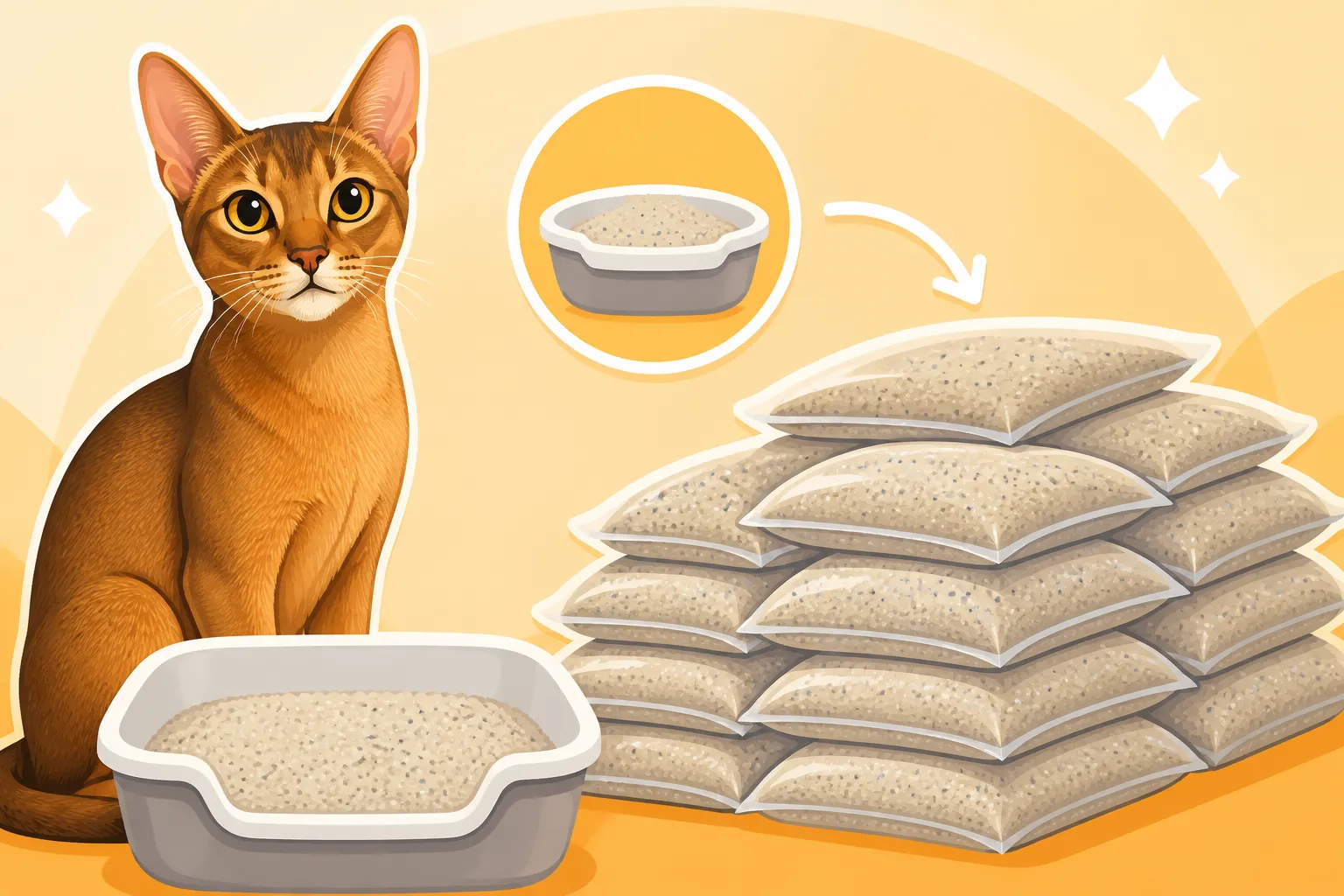
As an Abyssinian parent, you know our busy little friends are bundles of energy, and that energy often translates into frequent trips to the litter box. You might find yourself going through bags of litter faster than expected, and it's easy to wonder, "Is my Abyssinian using more litter than average, or am I just imagining things?" This comprehensive guide will break down the true factors behind how much litter one Abyssinian typically uses in a month, offer practical tips for managing consumption, and help you understand what's normal for these vibrant felines.
The Abyssinian's Unique Relationship with the Litter Box
Our Abyssinian cats are anything but average, and their unique physiology and boundless energy certainly play a role in their litter box habits. It's not just about the act of elimination; it's about their entire approach to life that can influence how much litter you're scooping.
Why an Abyssinian's Energy Affects Litter Use
Abyssinians are renowned for their high energy levels. They are constantly on the go, exploring, climbing, and playing. This constant motion means a higher metabolism compared to many other cat breeds. A higher metabolism often translates to a need for more calories, more food intake, and consequently, more output. It’s a simple equation: more goes in, more must come out. They are often lean, muscular cats that burn through energy quickly, which means they might eat more frequently and drink more water, both contributing to more frequent visits to the litter box. This isn't a bad thing; it's just part of their active nature, but it absolutely impacts your litter supply. If you've ever wondered How Many Calories an Adult Abyssinian Burns, you'll understand why their systems are always humming along.
Beyond just the volume of waste, their activity also means they might simply visit the box more often. A quieter cat might hold it a bit longer, but an Abyssinian, always on the move, will likely hop in and out more frequently throughout the day, kicking up litter each time. This isn't just about urination or defecation; it's about their general busy nature.
Digging Habits and Litter Scatter
If you've ever watched an Abyssinian use the litter box, you know they're not delicate about it. They are typically enthusiastic diggers. This strong instinct to bury their waste is a natural behavior, but it can lead to a considerable amount of litter being displaced and, frankly, wasted. They'll often dig down to the bottom of the box, then meticulously cover their leavings, sometimes flinging litter out of the box in the process.
This vigorous digging means that if your litter isn't deep enough, or if your box isn't high-sided, you'll find a lot of litter outside the box. Every granule outside is a granule not absorbing waste inside, effectively reducing your usable supply. It also means that even if a clump is formed, the surrounding litter gets disturbed and scattered more, which can impact the overall freshness and longevity of the remaining litter. Consider a larger, high-sided litter box to contain the enthusiastic excavation. When thinking about their environmental needs, it’s worth noting that Why an Abyssinian Needs a Tall Cat Tree is a similar instinct—they love to interact with their environment in an active, physical way.
Dietary Impact on Output
What your Abyssinian eats plays a significant role in the quantity and quality of their eliminations, and therefore, how much litter is used. Cats on a high-quality, easily digestible diet tend to produce less waste overall. Their bodies are more efficiently absorbing nutrients, leading to smaller, firmer stools. Conversely, a diet with a lot of fillers can result in larger, softer, and more frequent stools, which demand more litter to clump around and absorb.
Consider the difference between wet and dry food. Cats on a predominantly wet or fresh food diet naturally take in more moisture through their meals. This increased hydration is fantastic for their kidney health, but it also means they will likely urinate more frequently and produce a larger volume of urine. More urine means bigger clumps, which in turn means more litter consumed per scoop. While wet food is often recommended for its health benefits, especially given that Why Wet Food Protects an Abyssinian's Kidneys, it does come with the trade-off of potentially higher litter usage. If your Abyssinian consumes a lot of high-protein, moisture-rich food, you'll notice those larger, more frequent clumps.
Deciphering the Factors Behind Litter Consumption Rates
Understanding what goes into your Abyssinian's litter box is one thing, but how long that bag of litter actually lasts depends on a variety of practical factors you control. From the type of litter you choose to how often you scoop, every decision influences your monthly consumption.
Litter Type Makes a Huge Difference
The market is flooded with different types of cat litter, and each has its own characteristics that impact how much you'll use. It's not just about price per bag, but about density, absorption, and clumping ability.
- Clumping Clay Litter: This is by far the most popular choice for a reason. It forms solid clumps around urine and feces, making scooping easy and efficient. Brands like Fresh Step or Tidy Cats are common. However, clumping clay is heavy, and those solid clumps mean you are physically removing a good amount of litter with each scoop. If your Abyssinian produces a lot of urine, those big, wet clumps can deplete your supply faster than you'd think. The fine texture also makes it prone to tracking and scatter, especially with an enthusiastic Abyssinian digger.
- Silica Gel Litter (Crystal Litter): This litter works by absorbing urine and dehydrating solid waste. It doesn't clump in the same way clay does, and often you simply scoop solids and stir the crystals to distribute absorbed moisture. While a bag might seem smaller, it can last longer because you're not removing large clumps of litter. It's great for odor control, but often more expensive per pound, and some cats dislike the texture.
- Plant-Based Litters (Pine, Paper, Corn, Wheat): These eco-friendly options are lighter and often biodegradable. Pine litter often disintegrates into sawdust when wet, requiring a different scooping method (often a sifting box or full changes more frequently). Corn and wheat litters can clump, but sometimes not as firmly as clay, leading to crumbling clumps and less efficient removal. While lighter, you might find yourself doing full litter changes more often if odor control or clumping isn't up to par for your Abyssinian's output. The choice of Which Litter Texture an Abyssinian Will Not Refuse is crucial here, as they can be particular.
The density of the litter also matters. A 20-pound bag of lightweight clumping litter might occupy more volume than a 20-pound bag of traditional clay litter, but its effectiveness per volume might be different. Ultimately, what matters is how well it clumps, absorbs, and controls odor, minimizing the need for full box changes.
Litter Box Size and Number of Boxes
You might think a litter box is just a box, but its size can significantly impact litter usage. A general rule of thumb is that cats prefer a box that is at least 1.5 times their length from nose to tail base. For an active Abyssinian, a larger box provides ample space for them to move around, dig, and bury without feeling cramped. This can reduce "accidental" eliminations outside the box, which instantly translates to a full litter change and wasted litter.
If the box is too small, your Abyssinian might feel uncomfortable, leading to them perching awkwardly, leaving waste uncovered, or even choosing another spot in your home. A larger box with high sides helps contain that enthusiastic digging and scatter, keeping more litter inside where it belongs. While we often recommend "number of cats + 1" boxes, even a single Abyssinian can benefit from a spacious box or even two boxes in different locations. You might find that How Big an Abyssinian's Litter Box Should Be is larger than you initially thought to accommodate their energetic habits.
The depth of the litter also plays a role. Too shallow, and your Abyssinian won't be able to dig and cover properly, leading to uncovered waste and faster odor buildup, necessitating more frequent full changes. Too deep, and you might be overfilling, wasting litter as it gets kicked out or simply used inefficiently. A good starting point is 3-4 inches of litter.
Scooping Frequency and Litter Freshness
This is perhaps the most critical factor in managing litter consumption and cost. Scooping your Abyssinian's litter box at least once a day, and ideally twice (morning and evening), makes a massive difference. When you remove waste promptly, you're preserving the cleanliness and effectiveness of the remaining litter. Odor-causing bacteria don't have time to proliferate, and the clean litter isn't contaminated.
If you let waste sit, urine clumps can break apart, spreading moisture and odor throughout the entire litter bed. Feces can dry out, becoming harder to scoop cleanly, and the odor permeates the house. This forces you to do full litter changes much more frequently than necessary. Regularly scooped litter stays fresh longer, meaning you only top up the litter as needed rather than dumping and refilling the entire box. Think of it this way: diligent scooping for your Abyssinian helps you make the most of every granule of litter, stretching the time between those expensive full changes. And remember to place the litter box strategically, as keeping it away from food is a key hygiene principle.
Estimating Monthly Litter Usage for Your Abyssinian
So, with all these factors in mind, what can you actually expect for a single Abyssinian? It’s not an exact science, but we can give you a realistic range and methods to calculate your own specific needs.
The Average Baseline for a Single Cat
For an average-sized, healthy adult cat, many sources suggest a consumption of about 7-10 pounds of clumping clay litter per month. This assumes diligent daily scooping and perhaps one full litter change during that month. Some estimates go as high as 15-20 pounds if scooping is less frequent or the cat is larger or has a higher output.
Now, where does an Abyssinian fit in? Given their active metabolism, tendency for enthusiastic digging, and often higher water intake (especially if on a wet food diet), a single Abyssinian might lean towards the higher end of the average. You could reasonably expect an Abyssinian to use 10-15 pounds of clumping clay litter per month under ideal conditions (daily scooping, appropriate box size). If you're less diligent with scooping, have a smaller box, or your cat is particularly vigorous, you might find yourself using closer to 15-20 pounds per month. Remember that these are just general guidelines, and your Abyssinian is an individual!
Calculating Your Abyssinian's Specific Needs
The best way to figure out your Abyssinian's exact litter consumption is to track it yourself.
Here's how:
- Start Fresh: Clean your litter box thoroughly and fill it with a measured amount of your preferred litter (e.g., 20 lbs or a full 14-liter bag). Note the date.
- Scoop Diligently: Stick to your regular scooping routine, ideally twice a day.
- Top Up & Track: When you need to add more litter, note how much you add (e.g., "added 5 lbs on Day 10").
- Full Change: When you do a full litter change, note the date and the amount of fresh litter you put in.
- Calculate: At the end of a month (or a few weeks), sum up the total amount of litter you used.
For example, if you start with 20 lbs, add 5 lbs mid-month, and then do a full change with another 20 lbs at the end of the month, your total usage for that period was 45 lbs. If that was over 30 days, you're using 1.5 lbs per day.
This tracking helps you adjust. Perhaps you realize you're going through a lot more than you thought, prompting you to try a different litter type or adjust your scooping schedule. Websites like Chewy offer a wide variety of litter options and often have bulk purchasing or subscription services that can help you manage your supply and cost.
Budgeting for Litter: More Than Just the Bag
When you budget for your Abyssinian's litter, it's not just the cost of the bags themselves. There are other associated expenses that add up over time:
- Litter Box Liners: While some owners swear by them for easier cleaning, they can be an added cost and some cats chew on them. Many Abyssinians, with their strong digging instincts, will tear through liners quickly.
- Litter Deodorizers: Sprinkles or additives can help with odor control, but a truly clean box and good quality litter often negate the need for them.
- Scoops: You'll need a sturdy scoop.
- Waste Bags: Small bags for disposing of scooped waste.
These seemingly small costs can add up, especially if you're frequently topping up or doing full changes. Buying larger bags or in bulk from retailers like Chewy can often offer a significant discount per pound, making it a smart move for long-term savings. Planning for these ancillary costs ensures you have a realistic picture of your monthly pet care budget.
Smart Strategies to Optimize Litter Usage and Costs
Managing litter for an energetic Abyssinian doesn't have to break the bank or consume all your time. With a few smart strategies, you can optimize usage, control odors, and keep your Abyssinian happy.
Choosing the Right Litter for Your Abyssinian and Your Wallet
The "best" litter is a balance of what your Abyssinian tolerates, what works for your home's odor control, and what fits your budget. Don't be afraid to experiment, but do it gradually.
- Prioritize Clumping and Odor Control: For an Abyssinian, strong clumping action is key to efficient scooping, especially with their higher output. Good odor control means less need for full litter changes. Many premium clumping clay litters offer excellent performance here. Some litters incorporate baking soda or activated charcoal for added odor absorption.
- Consider Dust Levels: Abyssinians are active cats, and fine litter dust can irritate their respiratory systems, as well as yours. Look for low-dust formulas.
- Explore Lightweight Options: If lugging heavy bags of litter is a concern, lightweight clumping litters can be a godsend. They often perform just as well as their heavier counterparts but make refills and disposal much easier.
- Gradual Transitions: If you decide to switch litter types, do it gradually over a week or two. Mix a small amount of the new litter with the old, slowly increasing the proportion. This allows your Abyssinian to adjust to the new texture and scent without causing litter box aversion. They can be creatures of habit, and a sudden change might mean they refuse the box entirely!
Maintaining Optimal Litter Box Hygiene
Beyond just scooping, overall litter box hygiene is paramount for minimizing usage and keeping your Abyssinian content.
- Scoop, Scoop, Scoop: We've said it before, but it bears repeating. Daily, or even twice-daily, scooping is the single most effective way to make your litter last longer, reduce odors, and ensure your Abyssinian always has a clean place to go.
- Full Litter Changes: Even with diligent scooping, the entire litter box needs to be emptied, cleaned, and refilled with fresh litter periodically. For a single Abyssinian, this usually means once every 3-4 weeks for clumping litter. If you're using non-clumping litter, it might be weekly. When you do a full change, wash the litter box itself with unscented soap and water, or a dilute bleach solution (rinse very thoroughly to remove all residue). Odor buildup on the plastic itself can deter your cat.
- Box Placement: Where you put the litter box matters. Abyssinians prefer privacy but also accessibility. Ensure the box is in a quiet, low-traffic area where they won't be disturbed, but also easy for them to get to. Why an Abyssinian Prefers an Open Litter Box might surprise you, but many cats feel safer being able to see their surroundings while they're vulnerable.
Health Considerations and Unexpected Litter Spikes
A sudden, unexplained increase in your Abyssinian's litter usage—either more frequent urination, larger clumps, or more frequent defecation—can be a red flag for underlying health issues. Abyssinians, like many pedigree cats, can be prone to certain conditions.
- Increased Urination: This could signal anything from a urinary tract infection to more serious conditions like diabetes or kidney disease. Abyssinians are unfortunately known for their predisposition to Renal Amyloidosis Is the Abyssinian Problem Nobody Can Test For, which can manifest as increased thirst and urination. If you notice your Abyssinian drinking a lot more or having unusually large urine clumps, a vet visit is essential. What an Abyssinian's Urine Output Should Look Like can give you a baseline for what's normal.
- Changes in Stool: Diarrhea or very frequent, soft stools will obviously consume more litter to absorb. This could be due to dietary intolerance, parasites, stress, or other gastrointestinal issues. Persistent changes warrant veterinary attention.
- Litter Box Aversion: Sometimes, an increase in "litter usage" actually means your cat is eliminating outside the box, forcing you to clean up messes and use more litter elsewhere. This is almost always a sign of a medical problem, stress, or dissatisfaction with the litter box setup (e.g., dirty box, wrong litter type).
Monitoring your Abyssinian's litter box habits is a critical part of being a responsible pet parent. Early detection of health problems can make a huge difference in outcomes and cost. Having pet insurance, like plans from Healthy Paws, can be invaluable for covering unexpected veterinary expenses when these issues arise. If you ever have concerns about your Abyssinian's health or litter habits, always consult your veterinarian. How a Vet Manages an Abyssinian in Kidney Failure details just how important early intervention can be.
| Litter Type | Pros | Cons | Approx. Monthly Usage (1 Abyssinian) |
|---|---|---|---|
| Clumping Clay | Excellent clumping, good odor control | Heavy, can be dusty, tracking | 10-20 lbs |
| Silica Gel | Superb odor absorption, low dust | More expensive, some cats dislike texture | 5-10 lbs |
| Pine/Wood | Eco-friendly, natural scent, lightweight | Variable clumping, requires sifting box | 15-25 lbs (can be higher if not sifted efficiently) |
| Corn/Wheat | Eco-friendly, lightweight, flushable | Variable clumping, can track, potential for mold if left wet | 10-20 lbs |
Ultimately, understanding your Abyssinian's individual habits and preferences, coupled with smart litter management strategies, will help you accurately estimate and control your monthly litter consumption. Every Abyssinian is unique, so paying attention to their cues is the best way to ensure their comfort and your peace of mind.
Disclaimer
This article is for general informational purposes only and does not constitute professional advice. Laws, prices and regulations vary by location and change over time. Consult a qualified professional for guidance on your specific situation.