What an Abyssinian’s Kidney Workup Costs
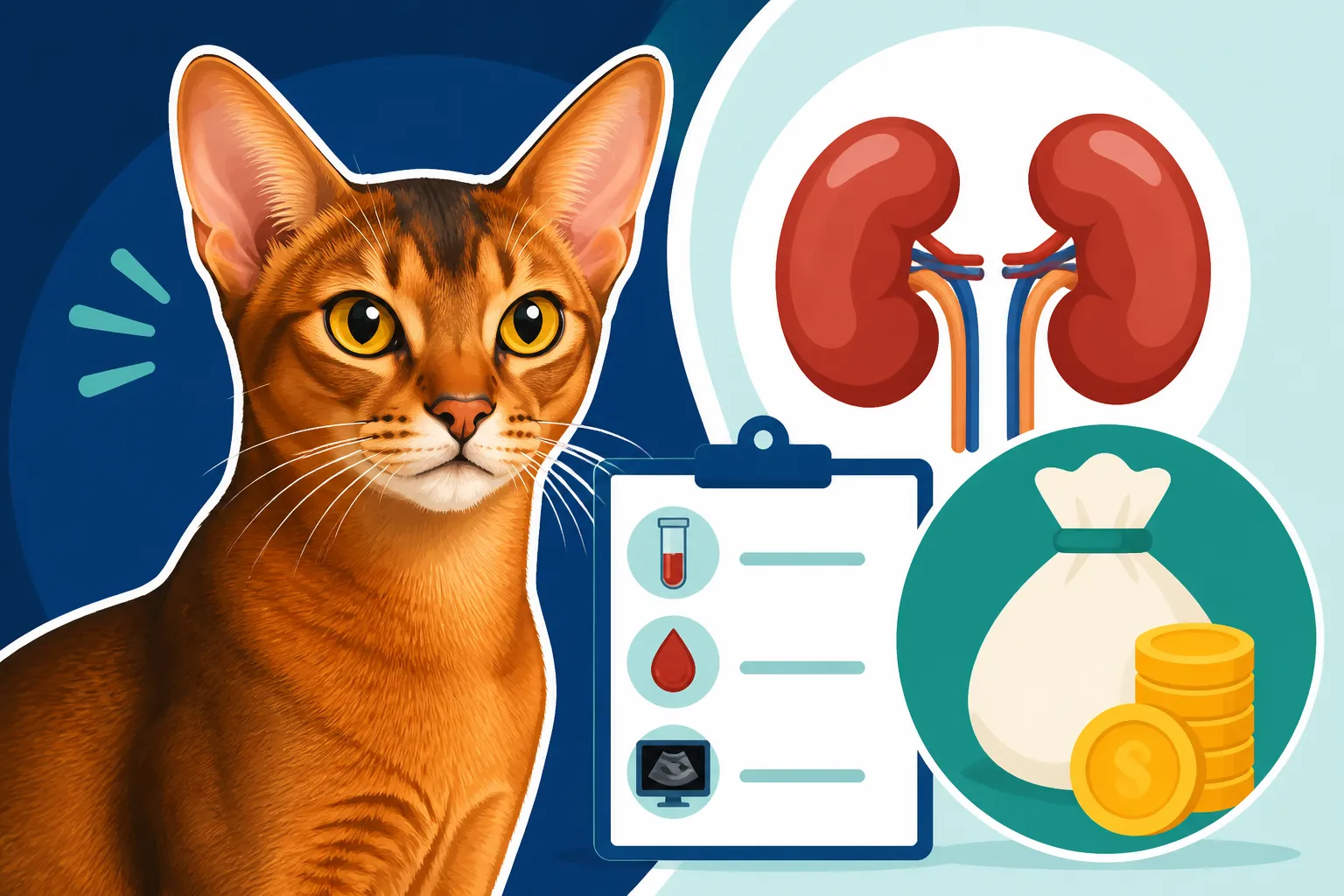
It's a heartbreaking reality for many Abyssinian owners: the vibrant, playful cat you adore suddenly seems a little off, a bit quieter, perhaps drinking more water. Your mind immediately jumps to a host of possibilities, and for Abyssinians, kidney issues, particularly renal amyloidosis, are a persistent worry. Understanding the potential costs of diagnosing and managing kidney disease is crucial for any Aby parent, and this guide aims to demystify those financial realities, so you can be prepared for what lies ahead.
Understanding the Early Signs and Initial Vet Visits
One of the most frustrating things about living with Abyssinians is their incredible ability to mask illness. They are naturally stoic, incredibly energetic, and often so focused on engaging with their environment and their people that subtle signs of discomfort can be easily missed. This is especially true when it comes to internal health issues like kidney disease, which often progresses silently in its early stages.
The Elusive Nature of Early Kidney Disease in Abyssinians
Abyssinians are notorious for their lean, athletic builds and boundless energy. They're usually the last cats you'd suspect of being unwell, often pushing through discomfort with sheer will. This means that by the time you notice overt symptoms like significant weight loss, lethargy, or a dull coat, the disease might be more advanced than you initially thought. You might notice your cat is drinking a bit more, or perhaps has a slightly reduced appetite, but these can be so subtle that they're dismissed as normal variations in behavior. It's a cruel trick of their spirited nature, making early detection a true challenge for even the most observant owner. Why a Lean Abyssinian Hides Illness Longer Than a Heavy Cat really dives into how their physical traits can mask illness.
Because Abyssinians are so active, they can burn through calories quickly, and a slight dip in appetite might not immediately register as a problem. You might assume they're just being picky or had a big play session. But consistently higher water intake or increased urination, even if seemingly minor, are often the very first red flags for kidney trouble. Keeping a close eye on their litter box habits and water bowl levels can provide invaluable clues that something is amiss, prompting that crucial first vet visit.
The Initial Consult and Basic Diagnostics
Once you notice something is off, that first vet visit is paramount. Your veterinarian will start with a thorough physical examination, feeling your Abyssinian's abdomen, checking their hydration status, and listening to their heart and lungs. They'll also typically recommend a basic diagnostic workup, which usually includes a routine blood panel and a urinalysis.
The blood panel will check for elevated kidney values like creatinine and blood urea nitrogen (BUN), which are waste products that build up when the kidneys aren't filtering properly. However, these values often don't become elevated until kidney function is significantly compromised. The urinalysis provides vital information about the concentration of your cat's urine and the presence of any abnormalities like protein, glucose, or blood. These initial tests form the foundation of understanding your Abyssinian's kidney health and can guide further diagnostics if abnormalities are found. Which Blood Values Catch an Abyssinian's Kidneys Early is a great resource to understand what these numbers mean.
The cost of this initial consultation, combined with a standard blood panel and urinalysis, can vary. It’s an investment in your cat's health, offering the first real glimpse into what might be happening internally. Think of it as detective work; these initial tests gather the primary clues needed to point the investigation in the right direction.
Deeper Diagnostics for Kidney Concerns
If the initial tests raise concerns, or if your Abyssinian's symptoms persist despite normal routine values, your vet will likely recommend more specific and advanced diagnostic tests. These are designed to catch kidney disease earlier, provide a more complete picture of kidney function, and help pinpoint the exact nature of the problem, especially for breeds like the Abyssinian prone to conditions like amyloidosis.
Bloodwork Beyond the Basics: SDMA and Comprehensive Panels
While traditional kidney markers like BUN and creatinine are useful, they often don't show changes until kidney function has declined by as much as 60-75%. This is where a newer, more sensitive blood test called Symmetric Dimethylarginine (SDMA) comes into play. SDMA can detect kidney disease much earlier, sometimes when only 25-40% of kidney function has been lost. This early detection is a game-changer, as it allows for interventions sooner, potentially slowing the progression of the disease.
A comprehensive blood panel might also include checks for electrolytes (like potassium and phosphorus), which can become imbalanced with kidney disease, and calcium levels. High phosphorus levels, for example, are a common complication of chronic kidney disease and require dietary management. Your vet might also want to look at a full thyroid panel, especially for older Abyssinians, as hyperthyroidism can mask or exacerbate kidney issues. Understanding How the SDMA Value Reads on an Abyssinian can help you interpret those results with your vet, and it's important to remember Why a Normal Creatinine Does Not Clear an Abyssinian of kidney issues entirely.
Urinalysis and Imaging: The Full Picture
Beyond routine urinalysis, your vet might recommend a urine protein-to-creatinine (UPC) ratio. This test specifically measures how much protein is being lost in the urine, which is a key indicator of kidney damage and can be an early sign of conditions like amyloidosis, even if other kidney values are still within the normal range. Collecting a clean urine sample can sometimes be a challenge with a cat, but it provides such critical information that it’s well worth the effort.
Imaging tests, such as abdominal ultrasound and X-rays, also play a crucial role. An ultrasound allows the vet to visualize the kidneys directly, assessing their size, shape, and internal architecture. They can look for any structural abnormalities, cysts, stones, or changes consistent with conditions like renal amyloidosis, where abnormal protein deposits accumulate in the kidneys. X-rays might be used to check for kidney stones or to get a general overview of the abdominal organs. These imaging studies are non-invasive and provide invaluable insights into the physical state of your Abyssinian's kidneys. Which Urine Test Catches an Abyssinian's Kidneys First is often the unsung hero of early detection, especially when paired with an ultrasound to visualize What Renal Amyloidosis Deposits in an Abyssinian's Kidney.
Let's look at a quick comparison of some common diagnostic procedures and what they generally involve:
| Test Type | Purpose | Key Information Provided | Cost Category (General) |
|---|---|---|---|
| Initial Consult | Physical examination, discussion of symptoms | Overall health, initial assessment | Low |
| Routine Blood Panel | Basic kidney values (BUN, Creatinine), general organ function | Baseline health, overt signs of kidney dysfunction | Moderate |
| SDMA Test | Early detection of kidney function decline | Can detect kidney disease much earlier than traditional tests | Moderate |
| Urinalysis (Full) | Urine concentration, presence of protein, infection, crystals | Kidney's concentrating ability, signs of urinary issues | Low |
| Urine Protein:Creatinine Ratio (UPC) | Quantifies protein loss in urine, indicative of kidney damage | Specific marker for kidney damage, especially for amyloidosis | Moderate |
| Abdominal Ultrasound | Visualizes kidney structure, size, presence of masses, stones | Structural integrity, specific disease characteristics | High |
| Blood Pressure | Checks for hypertension, a common complication of kidney disease | Systemic health, impact of kidney disease | Low |
The Ongoing Costs of Managing Kidney Disease
Diagnosing kidney disease is just the first step. The true financial commitment comes with managing the condition over your Abyssinian's lifetime. While there's no cure for chronic kidney disease, proper management can significantly slow its progression and improve your cat's quality of life for months or even years.
Dietary Changes and Prescription Foods
One of the cornerstones of kidney disease management is a specialized diet. Your vet will likely recommend a prescription renal diet, which is specifically formulated with controlled protein levels, reduced phosphorus, and often added omega-3 fatty acids to support kidney health. These diets come in both wet and dry forms, and finding one your finicky Abyssinian will eat can sometimes be a trial-and-error process.
Brands like Hill's k/d, Royal Canin Renal Support, and Purina Pro Plan Veterinary Diets NF are common examples, and they are typically more expensive than over-the-counter cat foods. The cost difference is substantial, but the nutritional support they offer is invaluable for preserving kidney function. Many owners find it convenient to order these specialized foods through online retailers like Chewy, which can sometimes offer subscription discounts or bulk pricing to help manage the ongoing expense. Remember, How a Kidney Diet Buys an Abyssinian Time is a significant factor in their longevity.
While premium fresh food is excellent for general feline health due to its high-quality ingredients and moisture content, for advanced kidney disease, a vet-prescribed renal diet is usually non-negotiable. These diets are meticulously balanced to reduce the workload on compromised kidneys in a way that even the highest quality commercial foods cannot.
Medications and Supportive Therapies
As kidney disease progresses, dietary changes alone might not be enough. Your Abyssinian may require various medications to manage complications. This could include phosphorus binders to reduce the absorption of phosphorus from their food, medications to control high blood pressure (a common issue in kidney cats), and appetite stimulants if they're struggling to eat. Anti-nausea medications and stomach acid reducers are also often needed to make them more comfortable.
Perhaps one of the most common and vital supportive therapies for cats with kidney disease is subcutaneous (SQ) fluids administered at home. This involves giving fluids under the skin to help keep your cat hydrated and flush out toxins, significantly improving their comfort and energy levels. The cost of these fluids, along with the needles, administration sets, and instruction from your vet, becomes a regular, ongoing expense. While initially daunting, many owners become adept at giving SQ fluids, and it truly makes a difference in their Aby's well-being. Whether Fluids at Home Help an Abyssinian is a question many owners ask, and the answer is a resounding yes.
Regular Monitoring and Follow-Up Visits
Managing chronic kidney disease isn't a "set it and forget it" situation. It requires consistent, proactive monitoring. Your Abyssinian will need regular follow-up visits with your veterinarian, often every few months, for repeat blood tests, urinalysis, and blood pressure checks. These visits allow your vet to track the progression of the disease, adjust medications as needed, and ensure your cat is responding well to treatment.
Each of these visits, blood panels, and medication refills contributes to the overall cost. As the disease advances, the frequency of these visits and the number of medications might increase, leading to higher monthly expenses. It’s an ongoing commitment, but one that can extend your beloved Abyssinian’s life and maintain their quality of life. Understanding How a Vet Manages an Abyssinian in Kidney Failure can give you a clearer picture of the dedicated care involved.
Budgeting and Financial Preparedness
Facing a chronic illness like kidney disease in your Abyssinian can feel overwhelming, not just emotionally, but financially. Being proactive about financial preparedness can alleviate some of that stress and allow you to focus on your cat's care.
The Value of Pet Insurance
Pet insurance can be a lifesaver when dealing with a chronic condition like kidney disease. Companies like Healthy Paws offer coverage for unexpected illnesses and accidents, which can significantly reduce your out-of-pocket costs for diagnostics, medications, and ongoing treatments. However, it's critical to enroll your Abyssinian in a policy before any signs of kidney disease emerge, as pre-existing conditions are typically excluded from coverage.
If your Abyssinian is already diagnosed, unfortunately, that specific condition won't be covered, but insurance can still be beneficial for any new illnesses or accidents that might arise. It’s definitely something to consider from the moment you bring your kitten home. Whether Pet Insurance Is Worth It for an Abyssinian is a question with a clear answer when you're facing large vet bills, and Why to Insure an Abyssinian Before Its First Birthday cannot be stressed enough.
Creating a Dedicated "Abyssinian Health Fund"
Even with pet insurance, there will always be deductibles, co-pays, and services that aren't fully covered. This is why having a dedicated "Abyssinian Health Fund" or emergency savings account is so important. Regularly contributing a small amount to this fund can build a buffer against unexpected vet bills, whether it's for a kidney workup, a dental cleaning, or another unforeseen health issue.
Think about it like this: your Abyssinian will live How Many Years a Well Bred Abyssinian Lives, and over that lifetime, they will inevitably need significant veterinary care. Budgeting for these costs from the outset helps ensure you can provide the best care without financial strain. This fund can cover everything from yearly check-ups, regular dental work (which Abyssinians often need), to more intensive diagnostics and treatments for chronic conditions. It gives you peace of mind and, more importantly, gives your Abyssinian the best chance at a long, healthy, and happy life, no matter what health challenges come their way.
Disclaimer
This article is for general informational purposes only and does not constitute professional advice. Laws, prices and regulations vary by location and change over time. Consult a qualified professional for guidance on your specific situation.