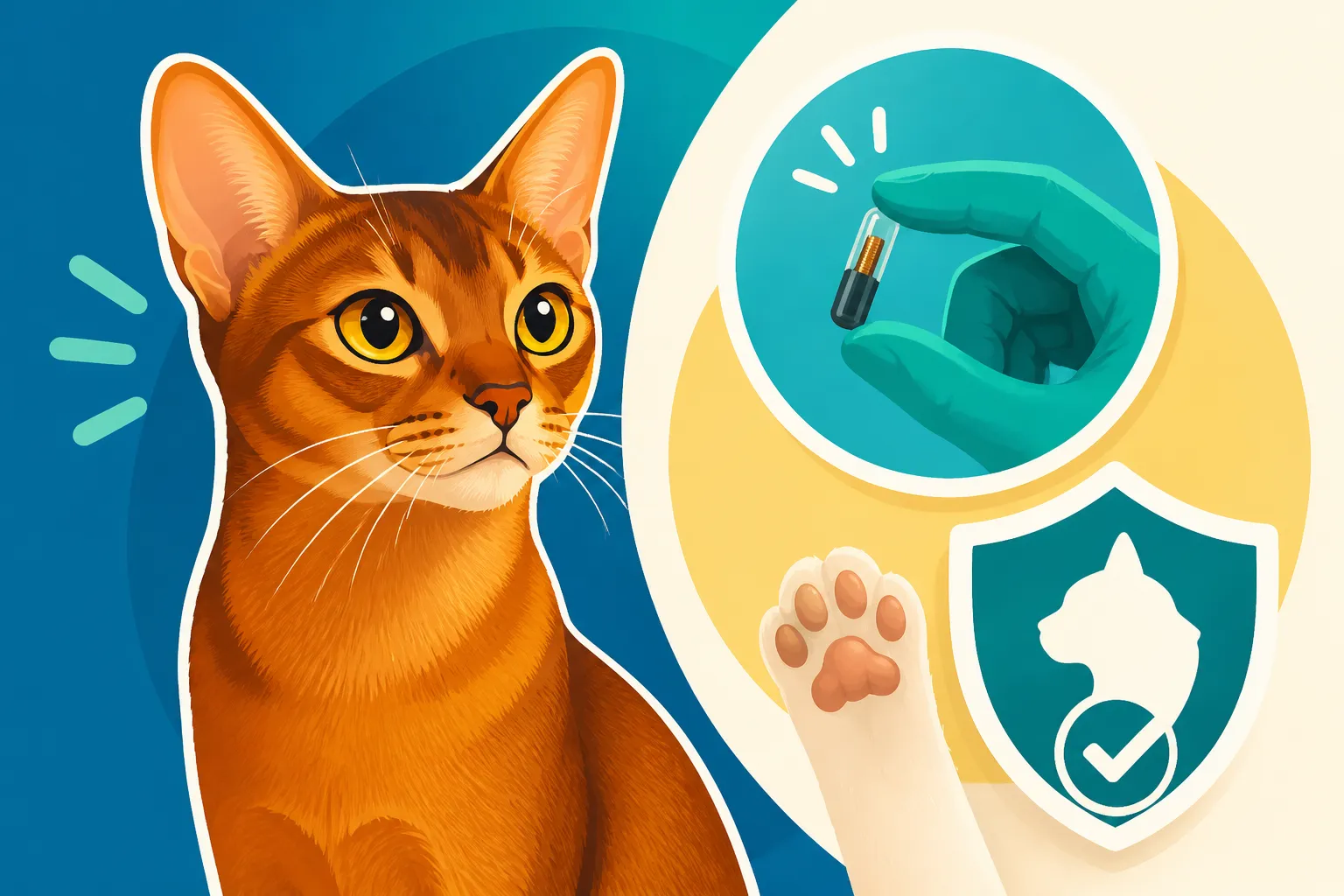
What Microchipping an Abyssinian Costs
Losing a beloved Abyssinian is a heartbreaking thought, and the fear of your adventurous cat getting out and never finding their way home is a very real concern for many owners. Even with the most secure home, these clever, agile felines can find an escape route you never even knew existed. This guide aims to thoroughly demystify the process and cost of microchipping your Abyssinian, offering peace of mind by exploring how this tiny device acts as a permanent, reliable ID to help reunite you with your precious pet.
Understanding Why Microchipping Your Abyssinian Is Non-Negotiable
Abyssinians are not your typical couch potatoes; they are bundles of energy, curiosity, and intelligence. Their zest for exploration means that even the most dedicated indoor-only cat can, through a moment of distraction or sheer will, find themselves outside. This is why microchipping isn't just a good idea for an Abyssinian; it's an essential layer of security.
The Peace of Mind a Microchip Provides
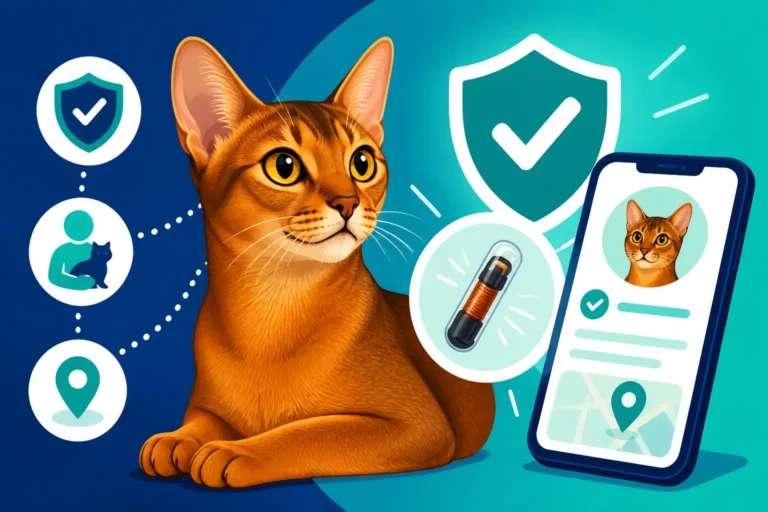
Imagine the sheer panic of realizing your quick-witted Abyssinian has slipped past you at the door or found a way out through an open window. Collars and tags, while useful, can fall off, get snagged, or simply be lost during an adventure. A microchip, on the other hand, is a tiny, passive transponder about the size of a grain of rice, inserted just under the skin between your cat's shoulder blades. It’s a permanent form of identification that cannot be lost or removed.
When a lost pet is found and taken to a vet clinic or shelter, one of the first things they do is scan for a microchip. If a chip is detected, the unique ID number is read, and then cross-referenced with a national database. This database holds your contact information, allowing the facility to reach out to you directly and quickly. It’s an invisible safety net that truly works, turning a potentially devastating loss into a joyful reunion. For a breed known for its spirited nature and agility, like the Abyssinian, this unalterable ID is invaluable. You can read more about keeping your adventurous friend safe indoors in Why an Indoor Abyssinian Reaches Fifteen More Often.
The Difference Between Microchips and GPS Trackers
It’s crucial to understand that a microchip is not a GPS tracker. This is a common misconception that can lead to disappointment if owners expect it to actively track their pet's movements. A microchip does not have a battery, does not emit a signal on its own, and cannot be used to locate your Abyssinian in real-time. Think of it more like a digital tattoo that needs a special scanner to be read.
GPS trackers, on the other hand, are wearable devices, usually attached to a collar, that use satellite technology to provide real-time location data. While fantastic for understanding where your cat might roam within a safe, enclosed outdoor space like a catio, they come with their own set of challenges. They require batteries that need regular charging, they can be lost if the collar comes off, and they often come with a subscription fee. For an active and clever Abyssinian, a GPS tracker can be a great additional tool for supervised outdoor time, but it should never replace the permanent, passive identification that a microchip provides. Both tools serve different but equally important purposes in ensuring your Abyssinian’s safety, especially considering their propensity for exploration, which you might notice if they start opening cabinets, as discussed in How an Abyssinian Learns to Open a Cupboard.
Breaking Down the Cost of Microchipping an Abyssinian
When you’re budgeting for a new Abyssinian kitten or considering chipping an adult, the cost of microchipping is often a pleasant surprise. Compared to many other veterinary procedures, it's quite affordable, typically a one-time expense that offers a lifetime of security.
The Core Fee: Insertion at the Vet's Office
The primary cost associated with microchipping your Abyssinian is the insertion procedure itself, performed by a veterinarian or a trained veterinary technician. This is a quick and relatively painless process, similar to a routine vaccination, where the tiny chip is injected under the skin. Most cats react with little more than a flicker of an ear or a curious glance. Because it's a sterile, straightforward procedure, the cost is usually quite reasonable.
Often, if you’re getting an Abyssinian kitten, the breeder or rescue organization might have already had them microchipped as part of their kitten package, which is fantastic! If not, your first vet visit for vaccinations is an ideal time to have it done. Some vets may offer a slightly reduced rate if it's combined with other services. The fee typically covers the microchip itself and the professional service of inserting it. While specific numbers vary widely, expect it to be a modest, one-time investment that pales in comparison to the general yearly costs of keeping an Abyssinian, which are detailed in What an Abyssinian Costs to Keep Every Year.
Registration and Database Fees
Once your Abyssinian has been microchipped, the next crucial step is registering that unique microchip ID number with a national pet recovery database. This is where your contact information is stored, linking you to your cat’s chip. Without proper registration, the microchip is essentially useless; it's just a number with no associated owner details.
Many microchip companies offer different registration options. Some include a one-time registration fee that covers the lifetime of your pet, meaning you pay once and never worry about it again. Others might have a lower initial registration fee but then charge a small annual fee to keep your information active and up-to-date. There are also free registries available, but it’s vital to ensure they are reputable and widely accessible to shelters and vets. Always confirm with your vet which database they recommend and what the associated fees are. Some databases offer premium services, like pet alert networks, that might come with an extra charge. When you're dealing with the costs associated with owning an Abyssinian, understanding these separate fees is important to avoid any surprises. Reputable pet care suppliers, like those you find on Chewy, might even offer insights or links to reliable databases as part of their broader pet information resources.
What Influences the Overall Price Tag
Several factors can affect the total cost you'll incur for microchipping your Abyssinian:
- Geographic Location: Vet costs can vary significantly based on where you live. Clinics in large metropolitan areas often have higher operating costs, which can translate to slightly higher fees for services, including microchipping, compared to rural areas.
- Type of Clinic: Private veterinary practices might charge more than low-cost vaccination clinics, humane societies, or animal shelters. These non-profit organizations often provide microchipping at a heavily subsidized rate, sometimes even for free during special events, as part of their community outreach programs. If budget is a major concern, exploring these options can be very beneficial.
- Included in Kitten/Adoption Package: As mentioned, many responsible breeders and rescue organizations will include microchipping as part of the purchase price of an Abyssinian kitten or the adoption fee for an adult cat. This is a sign of a high-quality, ethical provider and usually represents a cost-saving for you, as they often get group rates or perform the service in-house. When considering What an Abyssinian Kitten Costs in 2026, always ask if microchipping is part of the package.
- Bundled Services: If your Abyssinian is already at the vet for an annual check-up, vaccinations, or spay/neuter surgery, adding a microchip might be slightly cheaper than a standalone appointment just for the chip, as you're already paying for the consultation or anesthesia time.
Here's a quick comparison of potential microchipping scenarios:
| Scenario | Typical Cost Structure | Key Considerations |
|---|---|---|
| Private Vet Clinic | Moderate one-time fee | Convenient, often during routine visits. |
| Low-Cost Clinic/Shelter Event | Low fee, sometimes free | Excellent for budget-conscious owners. May require a specific appointment or event attendance. |
| Included with Kitten/Adoption | No direct additional cost | Best value, handled by breeder/rescue. Ensure registration is transferred to your name. |
| Registration Fee (separate) | One-time or annual small fee | Absolutely essential! Verify database reputation and update process. |
This table provides a general idea; actual costs will depend on your local providers and specific choices for registration.
Beyond the Initial Microchip: Ongoing Considerations
Getting your Abyssinian microchipped is just the first step. To ensure it remains an effective safety net throughout their active life, there are ongoing responsibilities and considerations that every owner should be aware of.
The Importance of Keeping Your Information Current
A microchip is only as useful as the contact information linked to it. If you move, change your phone number, or even get a new email address, you must update your details with the microchip registry. This cannot be stressed enough. Many heartbreaking stories of lost pets involve an unreadable chip or, even worse, a chip that leads back to outdated contact information.
Most microchip databases offer easy online portals or phone lines to update your information. Make it a habit to check your pet’s microchip registration once a year, perhaps around the time of their annual vet check-up or when you review other pet-related subscriptions. This simple five-minute task can be the difference between a quick reunion and an agonizing, fruitless search. Your vet can usually provide you with the microchip number and the name of the associated registry if you've forgotten.
Microchipping as Part of Broader Abyssinian Care and Safety
Microchipping isn't a standalone safety measure; it's one critical piece of a comprehensive approach to responsible Abyssinian ownership. Given their incredibly intelligent and athletic nature, Abyssinians need a home environment that anticipates their adventurous spirit. Why an Abyssinian Needs More Vertical Furniture Than Most Cats highlights their need for climbing, which also underscores their ability to find unexpected escape routes.
Beyond the chip, consider strong, secure window screens, checking doors carefully, and even leash training your Abyssinian for supervised outdoor excursions. A secure carrier is also paramount for vet visits or travel, ensuring they don't bolt in an unfamiliar environment; think about What an Abyssinian Carrier Needs to Be. Furthermore, regular vet check-ups, where your Abyssinian's weight is recorded, as in Why an Abyssinian's Weight Should Be Recorded at Every Visit, are not just for health but also offer an opportunity for the vet to quickly scan the chip and ensure it’s still in place and readable.
While microchipping is a relatively low-cost intervention, understanding its role within the larger picture of your Abyssinian's health and happiness is key. And when it comes to unexpected health issues, especially for a breed like the Abyssinian which can sometimes hide illness behind its energy, having pet insurance from providers like Healthy Paws can be a lifesaver. While insurance typically doesn't cover preventative care like microchipping, it provides essential coverage for the larger, unforeseen costs that might arise throughout your Abyssinian's life, making that small microchip investment even more critical for identification if something were to happen. It's all about building layers of protection for your beloved, busy Abyssinian.
Disclaimer
This article is for general informational purposes only and does not constitute professional advice. Laws, prices and regulations vary by location and change over time. Consult a qualified professional for guidance on your specific situation.