An Abyssinian Needs Height More Than It Needs Floor
You bring home your beautiful Abyssinian kitten, expecting a playful companion, but soon discover they view your home as a vertical obstacle course, not a flat expanse. It’s a common surprise for new Aby owners! These intelligent, athletic cats have an insatiable desire to climb and explore the highest points available, and if you don’t provide it, they’ll find it themselves – often to the detriment of your curtains or bookshelves. This guide will help you understand why your Abyssinian needs to climb, and how to create a safe, enriching environment that truly satisfies their innate need for vertical space.
The Abyssinian's Natural Instinct for High Places
It's easy to forget that beneath that sleek, ticked coat and those intelligent eyes lies a creature still very much connected to its wilder roots. Unlike some more placid breeds, the Abyssinian retains a strong connection to ancestral behaviors, and climbing is absolutely paramount among them. This isn't just a quirky habit; it's a deep-seated instinct for survival and observation that impacts their well-being in profound ways. When you see your Aby perched precariously on top of a door, they aren't trying to annoy you; they're simply being an Abyssinian.
The Hunter's Vantage Point
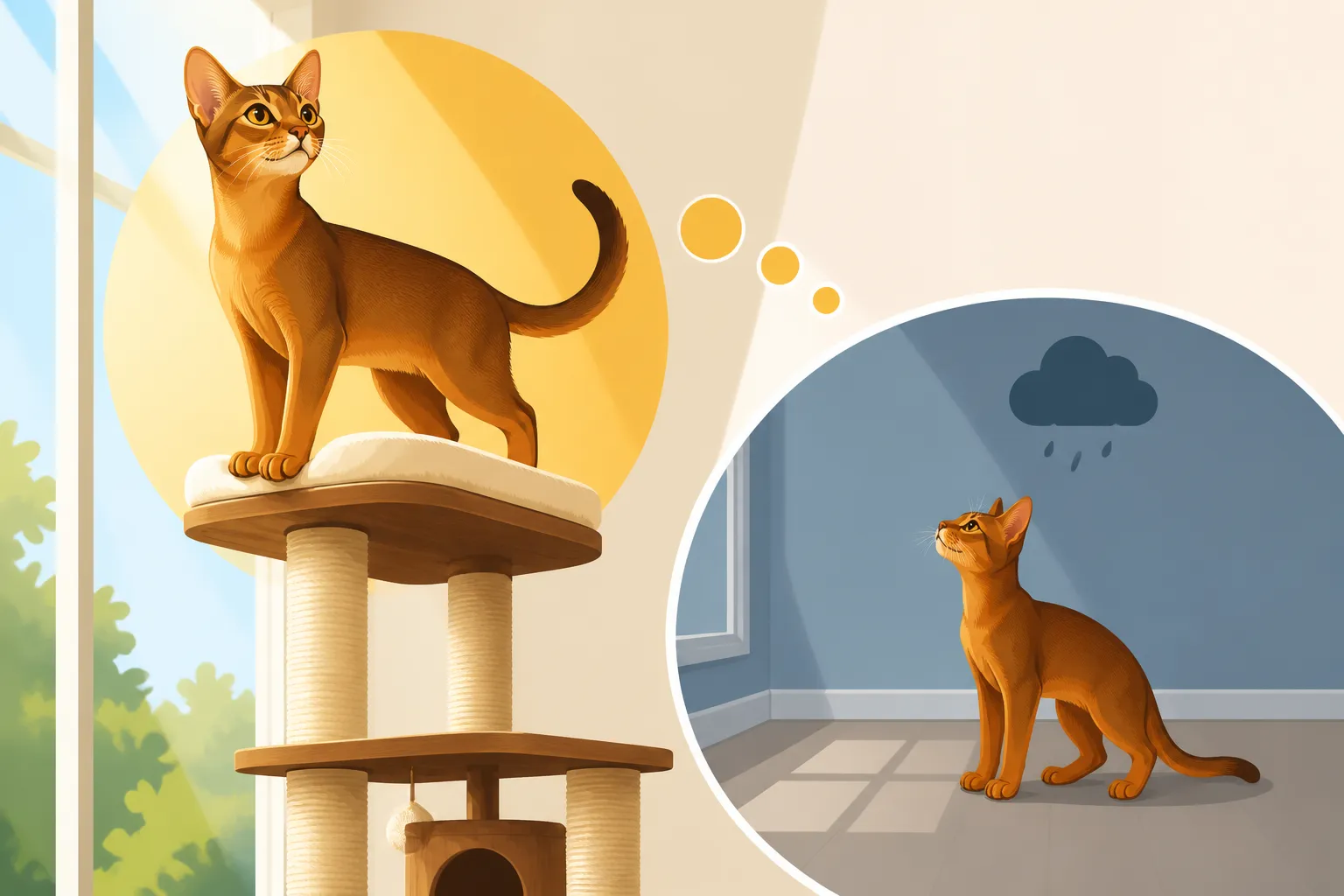
Think about a wild cat. Where do they feel safest, most secure, and most effective as a hunter or observer? Not usually on the ground. A high vantage point offers an unparalleled view of their territory, allowing them to spot potential prey or perceive threats long before they become immediate dangers. Your Abyssinian, even in the safest indoor environment, still operates on these ancient instincts. Being up high allows them to survey their "pride lands"—your living room, kitchen, and hallways—with a sense of mastery and control.
From a tall cat tree or a high shelf, your Aby can keep an eye on everything: who's coming through the door, where the family is congregating, and most importantly, where the food bowl is being prepared! This oversight provides a huge sense of security and mental stimulation. They are actively engaged with their surroundings, constantly processing information from their elevated position. This isn't laziness; it's active engagement with their world. Without this elevated perspective, they might feel vulnerable or simply bored, which can lead to other issues.
The Thrill of the Climb
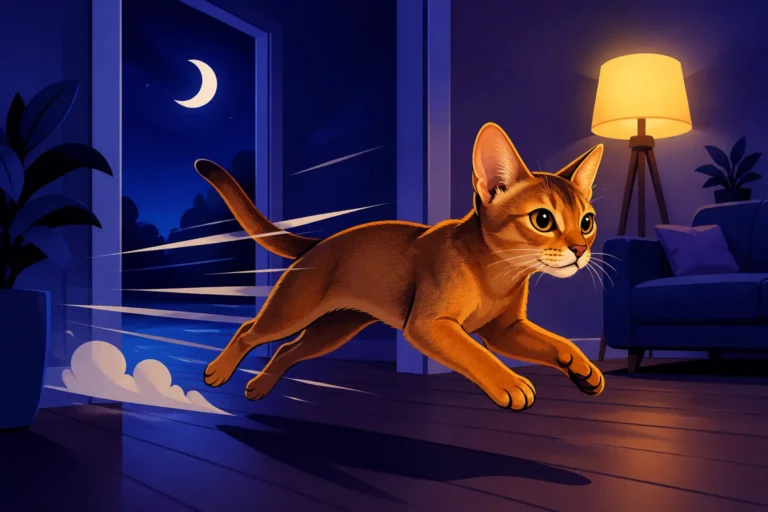
Beyond mere observation, the act of climbing itself is incredibly satisfying and necessary for an Abyssinian. Their lean, muscular bodies are built for agility, leaps, and vertical movement. Each jump, each scramble up a textured post, is a mini-workout that engages their core muscles, hones their balance, and expends that famous Abyssinian energy. It's a physical expression of their athleticism, something they inherently crave. Denying them this outlet is like asking a marathon runner to only walk short distances – it simply doesn't align with their natural capabilities or desires.
When you witness your Abyssinian launching themselves from the floor to the top of a cabinet in a single, fluid motion, you're seeing a magnificent display of their physical prowess. This isn't just about reaching a destination; it's about the journey and the intense physical satisfaction derived from the climb. It keeps their muscles toned, their joints flexible, and their minds sharp as they navigate complex vertical pathways. It's a fundamental part of their physical and mental enrichment, something that significantly contributes to their overall health and happiness.
Why Height Isn't Just a "Want" But a "Need" for Abyssinians
It's common for cat owners to think a scratching post or a small cat bed is sufficient. For an Abyssinian, that's barely scratching the surface of their needs. Providing ample vertical space isn't a luxury; it's a foundational component of their welfare. Ignoring this fundamental requirement can have repercussions that impact everything from their mood to their physical health. Their innate drive to be high up is so strong that they will find ways to achieve it, whether you provide the appropriate channels or not.
Mental Enrichment and Preventing Boredom
Abyssinians are incredibly intelligent and curious cats. They thrive on novelty, challenge, and constant engagement. A flat, ground-level environment quickly becomes monotonous for a cat that naturally seeks new perspectives and physical puzzles. When they have multiple levels to explore, different heights to jump to, and various textures to climb, their minds are constantly stimulated. It transforms a mundane room into an exciting, ever-changing landscape. The Abyssinian Is the Busiest Cat in the House, and a busy mind needs outlets!
Without adequate vertical enrichment, Abyssinians can quickly become bored. Boredom in an Abyssinian often manifests in undesirable ways. This might include excessive vocalization, destructive scratching on furniture not meant for climbing, or even obsessive behaviors like over-grooming. A multi-level environment offers endless opportunities for exploration, play, and observation, keeping their sharp minds engaged and preventing the kind of stagnant mental state that leads to problematic behaviors. It's about giving them a job, even if that job is simply "cat."
Physical Exercise and Health
An Abyssinian's athletic build isn't just for show; it's for constant motion. They need to run, jump, and climb to maintain their lean physique and powerful muscles. Providing a rich vertical landscape ensures they get the regular, high-intensity exercise they require. Imagine them leaping from one shelf to another, scrambling up a tall cat tree, or using a ramp to reach a higher perch. Each of these movements contributes to their cardiovascular health, muscle strength, and flexibility.
Regular vertical exercise is also crucial for maintaining a healthy weight. Abyssinians are generally lean cats, but like any animal, inactivity can lead to issues. More importantly, consistent physical activity helps strengthen their bones and joints, which is especially important as they age. A cat that can keep climbing and moving throughout its life is often a healthier, more agile cat in its golden years. This kind of movement is far more effective than simply chasing a toy across the floor; it uses their entire body in dynamic ways.
Stress Reduction and Sense of Security
For many cats, height equates to safety. In a multi-cat household or even just a busy human home, having vertical retreats offers an escape from perceived threats or overwhelming activity. A high perch provides a safe haven where your Abyssinian can retreat, observe without being bothered, and simply decompress. This is particularly important for managing stress and reducing anxiety. A cat that feels it has control over its environment, including the option to withdraw to a safe height, is generally a more confident and relaxed cat.
When a new visitor arrives, or if there’s a sudden loud noise, an Abyssinian might instinctively seek higher ground. This isn't about being antisocial; it's about self-preservation. Knowing they have these secure, elevated spaces reduces their overall stress load, leading to a more harmonious household. It’s their private sanctuary, a place where they can feel invisible yet still be aware of their surroundings. This sense of security is vital for any cat, but for the alert and active Abyssinian, it's non-negotiable.
The Risks of a Ground-Level Life for an Abyssinian
Ignoring an Abyssinian's inherent need for vertical space isn't just a missed opportunity for enrichment; it can actively lead to a host of problems. Many owners, unwittingly, set their Abyssinians up for frustration and destructive behaviors by failing to provide appropriate climbing outlets. It’s not that your Aby is misbehaving; it’s that you haven’t given them the tools to behave correctly according to their instincts.
Destructive Climbing and Furniture Damage
If you don't provide dedicated climbing structures, your Abyssinian will improvise. And unfortunately, "improvisation" often means your expensive curtains, bookshelf, or the top of your kitchen cabinets become their personal climbing gym. This isn't out of malice but out of necessity. They have an innate drive to get high, and if the approved options aren't there, they'll turn to what is available. This can lead to significant damage, not to mention a lot of frustration for you.
We've all heard stories, or experienced firsthand, the sight of an Abyssinian swinging from drapes or launching themselves from the back of a sofa onto a precarious shelf. These incidents aren't just annoying; they can be dangerous for both the cat and your belongings. Investing in proper vertical structures is almost always cheaper than replacing torn upholstery or shattered ornaments. Why an Abyssinian Destroys Cheap Furniture Faster is a real concern, and a lack of proper climbing options only exacerbates it.
Behavioral Issues and Frustration
An Abyssinian with unfulfilled climbing instincts is often a frustrated Abyssinian. This frustration can manifest in various ways, from excessive vocalization (a high-pitched "meow" that demands attention) to increased aggression or even withdrawal. They might pester other pets, knock items off tables, or engage in other attention-seeking behaviors, all stemming from a deep-seated boredom and lack of appropriate physical and mental outlets. What an Abyssinian Does When It Is Bored can be quite a spectacle, and not in a good way.
Furthermore, a cat that doesn't feel secure or stimulated by its environment may develop anxiety. This can lead to stress-related physical symptoms, like digestive upset or over-grooming to the point of skin irritation. Providing vertical pathways gives them agency and control over their environment, which is crucial for their psychological well-being. A content Abyssinian is one whose needs are met, and vertical exploration is high on that list.
Reduced Physical Fitness and Mobility
While Abyssinians are naturally active, a lack of appropriate climbing can still lead to reduced physical fitness over time. If their only exercise involves running on flat surfaces, they miss out on the specific muscle engagement and flexibility required for vertical movement. This can affect their agility, balance, and overall muscle tone. Over years, this can contribute to early onset joint stiffness or a decline in their characteristic springy gait.
Their powerful hindquarters and agile spine need to be utilized in dynamic ways. Without vertical challenges, these muscles might not develop to their full potential or could weaken prematurely. Why an Abyssinian That Stops Climbing Needs a Vet because it's often a sign of underlying health issues, highlighting just how fundamental climbing is to their normal, healthy function. A home that encourages climbing throughout their life helps maintain their incredible athleticism well into their senior years.
Creating a Vertical Playground: Essential Elements
Once you understand why your Abyssinian needs height, the next step is to figure out how to provide it. The good news is there are many creative and effective ways to turn your home into an Abyssinian paradise. It's not just about one tall tree; it's about integrating multiple elements that cater to their diverse climbing needs and preferences.
Tall Cat Trees and Condos
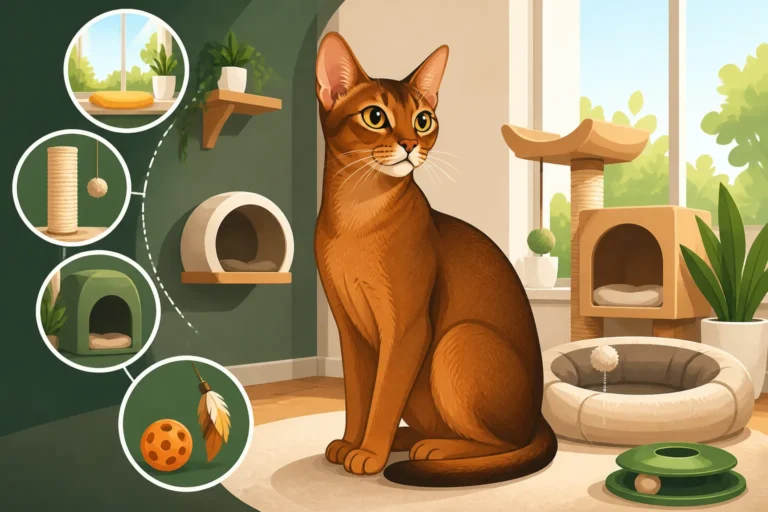
The classic cat tree is a fantastic starting point, but for an Abyssinian, bigger is almost always better. Look for trees that are truly floor-to-ceiling or at least offer multiple levels reaching close to the ceiling. They adore the highest perches, especially if they offer an unobstructed view. Features like sturdy scratching posts, enclosed cubbies for napping, and platforms at varying heights are all excellent. Consider models with sisal rope coverings, which provide excellent grip for climbing and satisfy their scratching instincts.
When choosing a cat tree, stability is absolutely key. An Abyssinian launches themselves with impressive force, and a wobbly tree is not only unsafe but will deter them from using it. Look for a wide, heavy base and sturdy construction. Many owners find robust options on platforms like Amazon, but always check reviews for stability. Place the cat tree near a window if possible; Abyssinians love to watch the world go by from a safe, elevated spot. A well-placed tall cat tree can instantly become the focal point of their vertical world.
Wall-Mounted Shelves and Climbers
For the ultimate vertical playground, wall-mounted shelves and climbing structures are unparalleled. These allow you to create custom pathways and perches that perfectly suit your space and your Abyssinian's agility. Think of them as shelves designed specifically for cat traffic, often featuring carpeted surfaces or sisal scratching areas. Why Wall Shelves Work Better Than a Tree for an Abyssinian in many homes is because they don't take up floor space and can be customized to cover entire walls, providing more continuous climbing opportunities.
You can arrange shelves in a staggered pattern, creating a "cat highway" around your room. Include larger platforms for napping and smaller steps for jumping. Corners can be utilized with triangular shelves, and even bridging elements can connect different sections. The trick is to ensure the shelves are spaced appropriately for an Abyssinian's impressive leaping ability. Too close, and it's too easy; too far, and it's frustrating or dangerous. Remember to secure these shelves directly into wall studs to handle their dynamic weight. Which Shelves Hold an Abyssinian's Weight is critical, so proper installation is paramount.
Integrated Furniture and Creative Solutions
Don't limit yourself to dedicated cat furniture. Look at your existing home with an Abyssinian's eyes. Can you create safe, accessible pathways using your current furnishings? Perhaps a sturdy bookcase can have some shelves cleared to become cat-friendly perches, or a console table can be placed next to a window ledge to offer an easy jump up. Carpeted steps or ramps can provide access to higher points that might otherwise be too challenging, especially for younger or older Abyssinians.
Consider installing pet-friendly ledges above doorways or along the perimeter of rooms. Even the top of a tall, sturdy cabinet can become a prime napping spot if you provide a safe way for your Aby to get up and down. Some creative owners have even built elaborate cat "catios" that extend vertically, offering secure outdoor climbing adventures. How an Abyssinian Uses a Catio is often to climb and observe their outdoor territory from a protected vantage point. The key is to think vertically and safely connect different high points in your home.
| Vertical Structure Type | Pros | Cons | Ideal For |
|---|---|---|---|
| Tall Cat Trees | Easy to install, portable (to an extent), multi-functional (scratching, sleeping, climbing) | Takes up floor space, can be wobbly if not well-made, aesthetics might clash | Homes with some available floor space, renters |
| Wall-Mounted Shelves | Maximizes vertical space without using floor area, customizable, modern aesthetic, highly stimulating | Requires secure installation (drilling into studs), not easily reconfigured | Homes with limited floor space, owners willing to DIY, modern decor |
| Cat Condos / Towers | Offers enclosed, secure spaces for privacy, often quite sturdy and feature-rich | Can be bulky, may have fewer open climbing opportunities than shelves | Cats who enjoy enclosed spaces, multi-cat households needing hideaways |
| Built-in Cat Walkways | Seamlessly integrates into home design, very durable, often custom-made to fit specific spaces | Most expensive, requires professional installation or advanced DIY skills | Dedicated cat rooms, luxury cat spaces, long-term installations |
| Existing Furniture | Cost-effective, reuses existing items, can be quickly implemented | May not be perfectly stable or cat-friendly, can damage furniture | Temporary solutions, supplementing other vertical options, creative owners |
Integrating Vertical Space into Your Home Decor (Stylishly!)
One common concern for homeowners is how to add all these cat-centric structures without turning their living space into a giant cat playground that clashes with their carefully curated decor. The good news is that feline enrichment and aesthetics are not mutually exclusive. With a little thought and planning, you can create a vertical paradise that complements your home’s style.
Choosing Materials and Colors
When selecting cat trees or wall-mounted shelves, think about the materials and colors that will blend seamlessly with your existing decor. Instead of brightly colored carpets, look for neutral tones like grey, beige, or even dark browns that mimic natural wood. Many modern cat trees now feature sleek designs with natural wood finishes, minimalist lines, and plush, removable cushions that can be washed or replaced. Consider materials like solid wood, bamboo, or even clear acrylic for a contemporary look.
If you’re going the DIY route with wall shelves, select wood stains or paints that match your trim or furniture. Carpet pieces can be cut to fit shelves and secured with pet-safe adhesive, allowing you to choose carpet remnants that complement your rugs or flooring. This thoughtful selection of materials helps these structures feel less like an intrusive pet accessory and more like an intentional design element of your home. The goal is for them to feel like they belong, rather than standing out like a sore thumb.
Strategic Placement and Layout
The placement of your vertical structures is crucial for both functionality and aesthetics. Instead of scattering small, individual pieces, think about creating a cohesive flow. Can a tall cat tree be placed in a corner next to a window, drawing attention to the view rather than the structure itself? Can wall shelves be arranged to complement an existing gallery wall or to frame a doorway? How Many Vertical Levels an Abyssinian Needs often depends on how effectively you connect existing elements with new additions.
Consider creating a "cat wall" on an unused section of a wall, turning it into an artful display of functional cat furniture. This dedicates a specific area to your Abyssinian's vertical needs, keeping the rest of your home clear. You can also integrate cat shelves above human-level furniture, like over a desk or above a couch, creating pathways that don't interfere with daily human activities. By visualizing the cat's path through the room, you can create an intuitive and aesthetically pleasing vertical landscape.
Blending Functionality with Decor
Sometimes, the best solution is to create pieces that serve a dual purpose. For example, a sturdy, multi-level bookcase can double as a cat climbing structure if you ensure there are clear, stable paths for your Abyssinian. You can place decorative items on the lower shelves that are less appealing to cats, while the higher shelves become prime cat territory, perhaps with a plush bed tucked away. Similarly, a wide window sill can be extended or reinforced to become a luxurious viewing perch.
Think about incorporating climbing elements into built-in features. A custom-built media center or shelving unit could have hidden cat tunnels or shelves seamlessly integrated into its design. The aim is to make the cat furniture feel like an intentional part of the architectural or interior design, rather than an afterthought. This approach not only makes your home look better but also makes your Abyssinian feel more included and integrated into your living space.
Safety First: Securing Your Abyssinian's High Kingdom
While it's exciting to envision your Abyssinian scaling new heights, safety must always be your top priority. An unsecured or poorly constructed vertical structure isn't just an inconvenience; it can be a serious hazard, leading to injuries for your cat or damage to your home. Abyssinians are agile, but even the most coordinated cat can suffer a fall if their climbing equipment isn't up to snuff.
Stability and Construction Materials
The most critical aspect of any vertical cat furniture is its stability. This is particularly true for Abyssinians, who jump and move with incredible force and speed. A wobbly cat tree or a loosely mounted shelf is an accident waiting to happen. For cat trees, always look for a wide, heavy base. If it's a very tall tree, consider models that come with wall anchor straps. These straps secure the top of the tree to your wall, preventing it from toppling over, especially during enthusiastic play sessions or if your Aby decides to launch off it.
When it comes to wall-mounted shelves or walkways, invest in high-quality, sturdy materials like solid wood or thick plywood. Avoid particle board if possible, as it can degrade over time and might not hold up to repeated impacts. Crucially, these shelves must be installed directly into wall studs using long, heavy-duty screws. Drywall anchors, even strong ones, may not be sufficient for the dynamic weight of a leaping Abyssinian. It's better to over-engineer the installation than to risk a collapse. How to Make an Abyssinian's Climbing Route Safe involves both good materials and secure installation.
Placement and Potential Hazards
Beyond the structures themselves, consider their placement in relation to other household items. Avoid placing climbing routes directly above delicate electronics, breakable decor, or anything that could be easily knocked over or damaged by a falling cat (or cat-induced collateral damage!). Clear pathways are essential. Ensure there's enough space around the shelves or perches for your Abyssinian to comfortably land, turn around, and navigate without feeling cramped.
Also, be mindful of potential snagging hazards like loose threads on carpeted surfaces or sharp edges on wooden shelves. Regularly inspect all climbing structures for wear and tear. Loose screws, frayed carpet, or splintering wood should be addressed immediately. Remember, what might seem like a minor flaw to you could be a tripping point or a paw hazard for your agile climber. Finally, ensure any plants near climbing areas are non-toxic, as curious Abyssinians might sample them from their elevated positions.
Gradual Introduction and Supervision
Even the most well-designed vertical playground needs a proper introduction. Don't expect your Abyssinian to immediately understand or utilize new structures, especially if they've never had such opportunities before. Start by encouraging them with treats, toys, or even catnip on the lower levels. Gently guide them up and down, making it a positive and rewarding experience. Use their favorite wand toy to lead them to the highest perches.
For the first few days or weeks, supervise their use of new, complex vertical routes. Observe how they navigate, identify any tricky spots, and ensure they can safely get up and down. Some Abyssinians are fearless, but others might need a little time and encouragement to build their confidence. Once they’re comfortable and proficient, you'll see them effortlessly integrate these new heights into their daily routine. This gradual approach ensures safety and builds a lasting positive association with their new vertical kingdom.
Troubleshooting Common Vertical Space Challenges
Even with the best intentions and the most impressive cat furniture, you might encounter a few hiccups. It's frustrating when you've invested time and effort into creating a fantastic vertical environment, only for your Abyssinian to seem uninterested. But don't despair! Most challenges have solutions.
My Abyssinian Isn't Using the New Cat Tree/Shelves
This is a common complaint, and it can be perplexing when you've done everything "right." The first thing to consider is placement. Is the cat tree in a high-traffic area where your Aby feels exposed, or is it tucked away where they can't observe the household? Abyssinians often prefer to be part of the action, but from a safe distance. Try moving the structure to a spot near a window, or where they can see the main living area.
Another factor could be initial appeal. Cats are creatures of habit and scent. Try rubbing a blanket or toy with your Aby's scent on the new perches. Use treats or catnip to entice them onto the different levels. Play with a wand toy while standing on a higher step, encouraging them to climb up and chase. Sometimes, it's about making the new item feel less "new" and more like "theirs." Be patient; it might take a few days or even weeks for them to fully explore and claim their new territory.
They Still Climb Where They Shouldn't!
Even with ample vertical options, some Abyssinians might still try to scale curtains or jump onto prohibited countertops. This often boils down to a few things: either the provided structures aren't appealing enough, or the prohibited areas offer a unique benefit. For instance, if your kitchen counter is where all the interesting human food smells happen, it's a powerful draw. How an Abyssinian Learns to Open a Cupboard and get into trouble often starts with this kind of curiosity.
First, make sure your provided vertical space is genuinely more enticing. Is it high enough? Does it offer great views? Is it stable and comfortable? If the "forbidden" areas offer a higher vantage point or a more interesting view, you might need to add a taller cat tree or higher wall shelves in an acceptable location. For persistent counter-surfers, you might need to use temporary deterrents on the forbidden surfaces (like double-sided tape or motion-activated air canisters) while simultaneously reinforcing the use of their approved climbing zones with positive rewards. Consistency is key here.
The Structures Aren't Stable Enough for My Aby's Jumps
If your cat tree wobbles or your shelves feel flimsy, your Abyssinian might avoid them, or worse, risk injury. This is a critical safety issue that needs immediate attention. For cat trees, if it didn't come with a wall anchor, consider purchasing one separately. These are simple straps that secure the top of the tree to your wall stud, drastically improving stability. If the base itself feels too light, you can sometimes add weight to it (e.g., a heavy flat tile or sandbags under the carpeted base, if safe and out of reach).
For wall shelves, if they're not holding up, they likely weren't installed into studs. This is a common mistake. You'll need to re-install them properly, locating the studs in your wall and using screws long enough to get a secure grip. If you're unsure how to do this, it's always best to consult a handyman or someone experienced with home installations. It might be an extra step, but ensuring the structures are truly safe and robust will give both you and your Abyssinian peace of mind and prevent costly veterinary visits.
The Long-Term Benefits of a Vertically Enriched Abyssinian
Providing a rich vertical environment for your Abyssinian isn't just about managing their energy or preventing furniture damage in the short term. It's an investment in their overall health, happiness, and your enduring bond. The benefits extend throughout their entire lifespan, making for a more well-adjusted and joyful companion.
A Healthier, More Agile Companion
An Abyssinian that has consistent access to climbing opportunities will maintain superior physical fitness. Their muscles will be stronger, their joints more flexible, and their balance more refined. This means they are less prone to weight gain, and more capable of performing the impressive acrobatic feats they are famous for, even as they mature. This continuous engagement with their environment helps to keep their bodies lean and toned, supporting their overall vitality.
As your Abyssinian ages, this foundation of strength and agility becomes even more critical. While they may slow down, a history of consistent vertical exercise can mean the difference between an older cat that can still comfortably navigate lower shelves and one that struggles with simple steps. You might even find that What an Old Abyssinian Slows Down From is not their ability to climb, but other health factors, demonstrating the enduring benefits of keeping their physical form primed through climbing.
A Happier, More Confident Cat
A well-stimulated Abyssinian is a happy Abyssinian. When their instinctual needs for height, exploration, and observation are met, they are less likely to exhibit boredom-induced destructive behaviors or anxiety. Instead, you'll observe a confident, content cat who is engaged with their surroundings, curious, and playful. This mental enrichment is just as important as physical exercise for their overall well-being.
The ability to retreat to a high, safe perch when overwhelmed or simply wanting some solitude contributes immensely to their confidence. They know they have control over their environment, which reduces stress and fosters a sense of security. This confidence translates into a more relaxed and affectionate demeanor when they do choose to interact with you, strengthening the human-animal bond. A cat that feels safe and engaged is a cat that is more likely to thrive in your home.
A Stronger Bond with Your Abyssinian
Ultimately, understanding and catering to your Abyssinian's unique needs, including their profound desire for vertical space, deepens your relationship. It shows them you're listening, you understand, and you care about their well-being on an intrinsic level. This recognition builds trust and mutual respect. When you provide them with the tools they need to be their true, climbing, observing selves, they flourish.
Engaging with your Abyssinian on their vertical playground, whether through play or simply by acknowledging their presence on a high perch, reinforces this bond. You become part of their enriched world, not just a provider of food. Watching them effortlessly leap and explore their vertical kingdom is a joy, and knowing you've created an environment where they can truly express their natural instincts is one of the most rewarding aspects of Abyssinian ownership.
Disclaimer
This article is for general informational purposes only and does not constitute professional advice. Laws, prices and regulations vary by location and change over time. Consult a qualified professional for guidance on your specific situation.