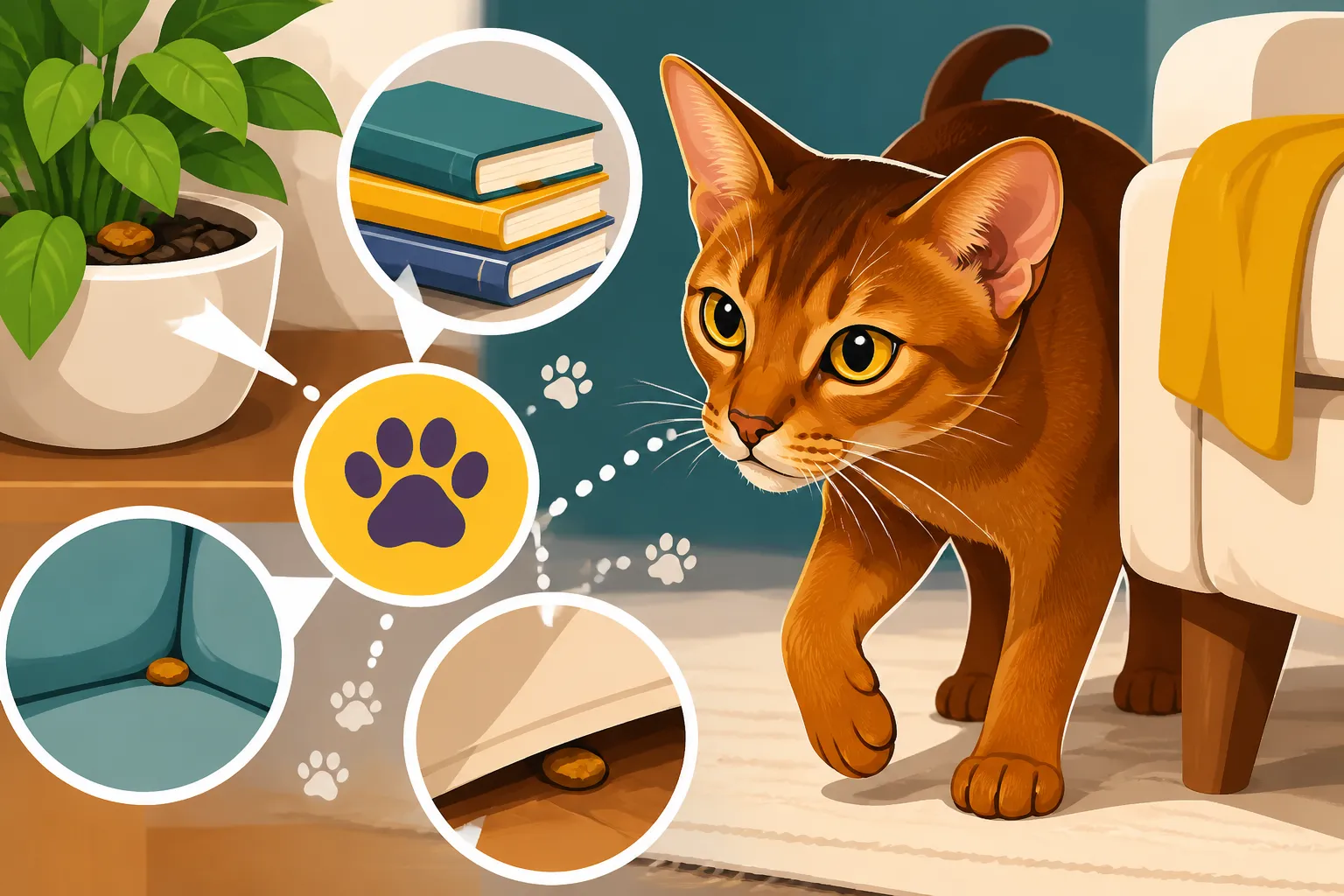
How to Hide Food Around the House for an Abyssinian
One of the biggest challenges of living with an Abyssinian is keeping their incredibly active minds and bodies engaged, especially when you can't be playing with them constantly. An Abyssinian that doesn't get enough mental stimulation can quickly become a mischievous "redecorator" or a relentless purrbaby demanding attention. This guide will walk you through the art of hiding food around your house, transforming mealtime into an enriching game that taps into your Abyssinian's natural instincts and keeps them happily occupied.
The Abyssinian's Innate Need for Foraging and Mental Stimulation
If you've spent any time with an Abyssinian, you know they're not your average couch potato cat. They are bundles of energy, intelligence, and curiosity, always on the go. This isn't just a quirky personality trait; it's deeply ingrained in their genetic makeup, stemming from their wild ancestors. Providing outlets for these instincts is crucial for their overall well-being.
Tapping into Natural Instincts
Abyssinians, often called "nature's athletes," possess an incredible prey drive and problem-solving ability. In the wild, cats spend a significant portion of their day hunting for food, a process that engages their senses, their bodies, and their minds. They stalk, pounce, climb, and strategize, and the reward is a meal. Our domesticated Abyssinians still carry these same instincts, even if their food appears magically in a bowl twice a day. When food is too easily accessible, they miss out on a fundamental behavioral pattern that makes them feel like a cat.
Think about it: how much mental effort does it take for your Abyssinian to walk two feet to a bowl and eat? Almost none! By contrast, a hidden treat requires them to use their superb sense of smell, their keen eyesight, their agility to climb, and their intelligence to figure out how to access it. This mimics the successful hunt, providing a profound sense of satisfaction that a simple bowl meal just can't offer. Engaging these natural behaviors can significantly reduce boredom and anxiety. You'll find that their bursts of energy become more channeled and less destructive when they have a "job" to do, like finding dinner.
Combating Boredom and Destructive Behavior
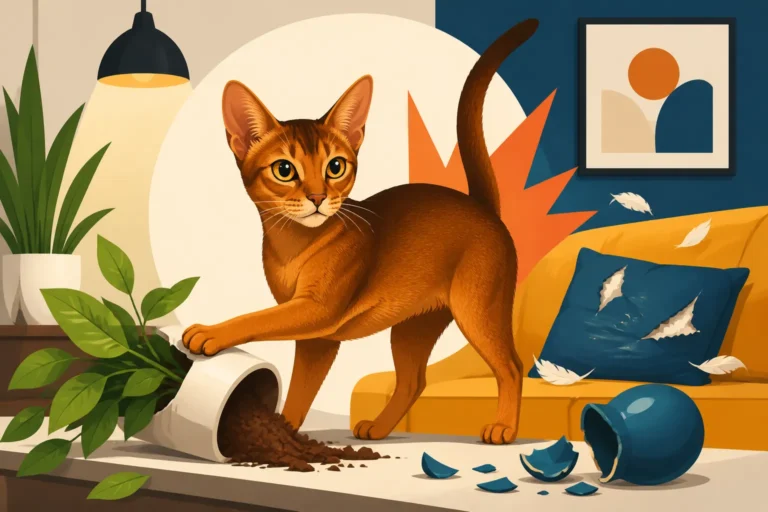
An Abyssinian with nothing to do is an Abyssinian looking for trouble. Seriously! Their high intelligence means they need constant mental engagement, and if you don't provide it, they will absolutely find it themselves – often in ways you won't appreciate. This might manifest as counter surfing, where they explore every surface for interesting objects (or potential snacks), or opening cabinets and drawers because they've observed you doing it. They might start Why an Abyssinian Chews Cables, or even begin incessant vocalizations, demanding attention. What an Abyssinian Does When It Is Bored is often a display of these unwanted behaviors.
By making them "work" for their food, even for a portion of it, you provide a constructive outlet for their boundless energy and problem-solving skills. Instead of trying to open your kitchen cabinets out of sheer curiosity, they'll be busy trying to extract a piece of kibble from a hidden spot. This shifts their focus from potential household chaos to a rewarding activity. It's not about stopping their natural drive to explore and manipulate their environment; it's about redirecting it into something beneficial for everyone involved.
Supporting Physical and Mental Health
Beyond just fun, foraging for food offers tangible health benefits for your Abyssinian. For one, it slows down their eating. Many Abyssinians, with their high metabolism and zest for life, can inhale a bowl of food in seconds, which can lead to indigestion or vomiting. By scattering food or putting it in puzzle feeders, they are forced to eat more slowly, which can aid digestion and reduce stomach upset. This also prevents them from overeating in one go, helping to manage their weight.
Mentally, the challenge of foraging stimulates their brains, keeping them sharp and engaged. This kind of enrichment is particularly important as cats age, helping to maintain cognitive function and stave off mental decline. Foraging also provides a gentle form of exercise as they move around the house, climbing and exploring, rather than just standing still at a food bowl. It's a holistic approach to their well-being, addressing their physical needs for food and exercise, and their mental needs for stimulation and purpose.
Setting Up Your Abyssinian's Foraging Environment
So, you're ready to embrace the foraging journey with your Abyssinian! The good news is that you don't need expensive gadgets to start. Creativity and an understanding of your cat's natural movements around your home are your best allies. The key is to introduce new concepts gradually to build confidence and prevent frustration.
Choosing the Right "Containers" and Hiding Spots
When starting out, think simple and safe. Empty toilet paper rolls or paper towel rolls are fantastic. You can fold the ends in after placing a few pieces of kibble inside, making a simple cracker-like package for them to tear open. Small, clean cardboard boxes, like those from a tea order from Amazon, can be turned into foraging boxes by cutting small holes in them, or simply by scrunching up paper inside with treats. Even an empty egg carton can hold a few pieces of kibble in each cup.
As for hiding spots, consider your Abyssinian's natural climbing routes. Start with easily accessible places: on the floor near their favorite sleeping spot, just under a blanket, or tucked into the corner of a cat tree platform. Gradually, you can increase the difficulty and height. Think about the multiple levels of a cat tree, or even secure wall shelves. An Abyssinian Needs Height More Than It Needs Floor after all, so using vertical space is not just for climbing, but for hiding treats too! Always ensure the hiding spots are safe, stable, and won't trap your cat or lead to a fall.
Starting Simple and Gradually Increasing Difficulty
The first few times you hide food, make it ridiculously easy. You want your Abyssinian to succeed quickly and understand the game. Scatter a few pieces of kibble directly on the floor in plain sight. Then, try placing a few pieces under a small, light toy they can easily bat away. Once they've got the hang of that, move to slightly more concealed spots: inside an open paper bag, under a corner of a rug, or in the very bottom bowl of their cat tree.
As they become adept, you can slowly escalate the challenge. Place food higher up on cat trees or shelves, in more enclosed spaces like inside a loosely crumpled paper ball, or within a simple puzzle feeder that requires a bit of paw-work. The goal is to keep them engaged, not frustrated. If your Abyssinian gives up quickly, it's likely too hard, so dial it back. The idea is to build on their successes, reinforcing the positive association with the "hunt." Remember, this isn't a test; it's enrichment.
What Foods to Hide
For most Abyssinians, their regular dry kibble is perfect for foraging. It’s consistent, usually not too smelly (which can attract pests if left too long), and easy to hide. If your cat is on a specific diet, sticking to their kibble is the safest bet. However, you can also use high-value treats to make the game even more enticing, especially when introducing new, more challenging hiding spots.
Freeze-dried meat treats are excellent options because they are very potent in scent, highly palatable, and usually healthy. Just be mindful of the calorie count if you're using treats, and adjust their main meal portions accordingly to prevent weight gain. Small pieces of cooked, unseasoned chicken or fish can also be used, but these need to be found and consumed quickly to avoid spoilage. Always ensure any food you hide is safe for cats and won't pose a choking hazard.
Creative Foraging Strategies for the Clever Abyssinian
Once your Abyssinian is a seasoned pro at finding easily hidden treats, it's time to unleash your inner game designer. Abyssinians are exceptionally clever, and they thrive on variety and challenge. Think beyond just dropping kibble on the floor; consider how you can use your home environment to create an engaging, multi-sensory scavenger hunt.
Vertical Adventures
Abyssinians are renowned for their climbing prowess; it's practically their superpower! They love vertical spaces, so incorporate them into your foraging games. Instead of just hiding food on the floor, place pieces on different levels of their Why an Abyssinian Needs a Tall Cat Tree. Tuck kibble into the crevices of scratching posts, on the edge of a catio shelf, or even inside a small, sturdy box placed on a high bookshelf (ensure it's stable and won't tip!).
You can create a "trail" leading upwards. Start with a few pieces on the floor, then a few on the first platform, then the next, and so on, guiding their exploration. This not only provides mental stimulation but also encourages physical activity and strengthens their muscles as they leap and climb. Just remember to ensure all vertical surfaces are safe and secure. Abyssinians are agile, but even the most athletic cat can have an accident if a shelf is unstable.
Scent Games and Trail Laying
Cats have an incredible sense of smell, far more nuanced than we often realize. While their vision helps them spot prey, their nose is crucial for identifying food. You can leverage this by creating scent trails. Take a piece of their favorite treat and rub it along a route, then hide the main prize at the end. This is particularly effective for introducing new hiding spots or for older cats whose eyesight might not be as sharp.
Another idea is to place a strongly scented treat in an opaque container (like a small, clean plastic bottle with holes poked in it, or a sealed cloth bag) and hide it. This encourages them to use their nose to locate the scent, even if they can't see the food itself. Once they find it, the challenge becomes figuring out how to get the treat out. This type of play, often called "nose work," is incredibly rewarding for cats and helps to build their confidence and problem-solving skills.
DIY Puzzle Feeders and Commercial Options
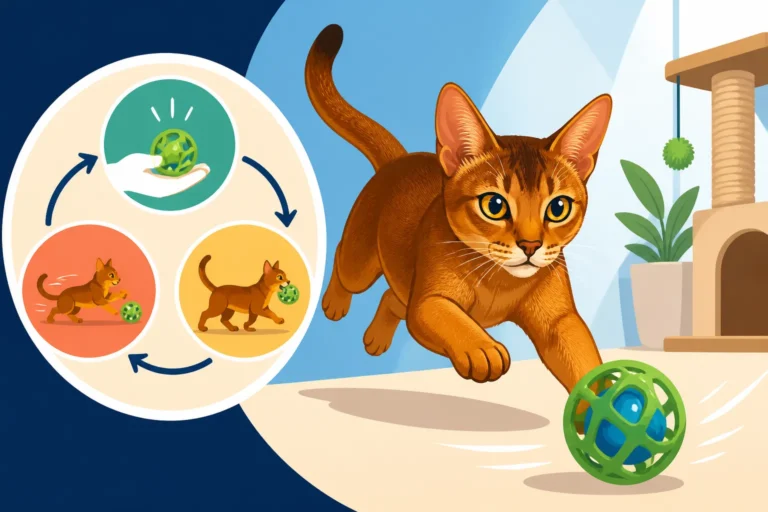
While simple hiding spots are great, dedicated puzzle feeders can add another layer of complexity. You can easily make your own. Take an empty plastic water bottle, cut a few holes in it that are slightly larger than a piece of kibble, and put food inside. Your Abyssinian will have to bat and roll it to get the food out. Another DIY option is to take a shallow box, glue or tape some empty toilet paper rolls upright inside it, and drop kibble into the tubes. Your cat then has to reach in with their paw to extract the food.
For more advanced options, commercial puzzle feeders are readily available from retailers like Amazon. These range from simple slow-feeder bowls that make eating kibble take longer, to intricate multi-chamber devices where your cat has to slide panels or bat at levers to release food. Brands like Catit and Nina Ottosson offer excellent ranges. Which Puzzle Feeders Hold an Abyssinian's Attention often depends on the individual cat, so it might take a bit of trial and error to find what truly captivates your Abyssinian. Some cats prefer reaching into holes, others enjoy batting objects around, and some like sliding mechanisms.
Troubleshooting and Best Practices for Foraging Fun
Even with the best intentions, foraging games can sometimes hit a snag. It's important to anticipate potential issues and have strategies in place to ensure these activities remain positive and enriching for your Abyssinian. From preventing frustration to keeping your home clean, a little planning goes a long way.
Over-Enrichment and Frustration
While we want to keep our Abyssinians stimulated, it's possible to go overboard, especially when they're new to foraging. If the task is too difficult, or if there's too much novelty at once, your cat might become frustrated, ignore the food, or even develop anxiety around the game. Signs of frustration include batting at the puzzle feeder aggressively, walking away from the hidden food without trying, or exhibiting a lack of interest.
If you notice these signs, simply dial back the difficulty. Make the hiding spots more obvious, or switch to a simpler puzzle feeder. Sometimes, you might need to show them how to get the food out a few times. Don't force them; let them discover it at their own pace. Remember that the goal is fun and engagement, not a test of their intelligence. Keep sessions relatively short, especially at first, to prevent them from becoming overwhelmed. How to Make a Puzzle Feeder Harder for an Abyssinian should only be done once they master the current level.
Keeping it Safe
Safety is paramount when hiding food. Always ensure that the hiding spots are stable and won't fall or cause injury. Avoid placing food near household chemicals, medications, or electrical cords. Similarly, ensure any DIY feeders are made from non-toxic materials and don't have sharp edges or small pieces that could be swallowed. Why Medication Must Be Locked Away From an Abyssinian and How to Cable Manage a Room for an Abyssinian are crucial considerations for general household safety, but become even more important when encouraging exploration.
Be mindful of the food itself. As mentioned, kibble is generally safe to leave for a while. However, if you're using fresh treats like cooked meat, make sure your cat finds and eats them quickly to prevent spoilage and attract pests. Always check that all food is consumed after a foraging session, especially if you have other pets who might try to eat it later or if it could attract insects.
The Clean-Up Challenge
Let's be realistic: foraging can be messy. Bits of kibble might get scattered, or a enthusiastic cat might bat a puzzle feeder a bit too far. This is a small price to pay for a happy, engaged Abyssinian, but it's something to prepare for. Consider using an easy-to-clean mat under larger puzzle feeders, especially if your cat tends to be a bit "energetic" with their play. Hard floors are generally easier to clean than carpets when it comes to spilled kibble.
Regularly check hiding spots for any uneaten food, particularly if you have a multi-cat household where one cat might have hidden a treat for later. Make sure to clean any DIY puzzle feeders or commercial products regularly to prevent bacterial growth and keep them appealing to your cat. Ultimately, a bit of tidiness maintenance is a small investment in your Abyssinian's happiness and your home's peace. Why an Abyssinian Gets Into the Bin might be less of a problem if they're too busy finding their own treasure!
Here's a quick guide to different foraging ideas:
| Foraging Difficulty | Method / Tool | Recommended Foods | Benefits | Considerations |
|---|---|---|---|---|
| Easy | Scattered on floor / in open box | Kibble, small treats | Quick success, builds confidence | Can be messy, needs frequent check for uneaten food |
| Moderate | Under small rug / towel, in egg carton | Kibble, freeze-dried treats | Introduces concealment, mild problem-solving | Ensure no choking hazards, check for hiding spots under heavy furniture |
| Intermediate | Toilet paper roll, paper bag, simple bowl feeder | Kibble, small dry treats | Engages paws, basic manipulation | Rolls can be torn apart, some cats chew cardboard |
| Advanced | Multi-level cat tree, wall shelves, complex puzzle feeder | Kibble, high-value freeze-dried treats | Utilizes climbing, advanced problem-solving, sustained engagement | Ensure stability of climbing structures, monitor for frustration with complex toys |
| Expert | Scent trails, hidden in multi-room circuit | Potent freeze-dried treats | Deep mental stimulation, engages all senses | Requires more owner involvement, could lead to missed treats if not monitored |
Disclaimer
This article is for general informational purposes only and does not constitute professional advice. Laws, prices and regulations vary by location and change over time. Consult a qualified professional for guidance on your specific situation.