Why No Groomer Can Improve an Abyssinian’s Coat
It's a common thought among new Abyssinian parents: "My cat's coat is so unique and beautiful, surely a professional groomer can make it even better, or at least help with the occasional shed!" The reality, though, is quite different. When it comes to the Abyssinian's magnificent coat, traditional professional grooming often does more harm than good, and trying to "improve" it with conventional methods is a misunderstanding of what makes their fur so special. This guide will delve into why a groomer's efforts are usually wasted on an Aby and how you can truly keep your cat's coat looking its absolute best from the comfort of your own home.
The Abyssinian Coat: A Marvel of Simplicity
The Abyssinian's coat is truly one of a kind in the feline world. It's not like the thick, fluffy double coats of Maine Coons or Persians, nor the sleek, single coats of Siamese. The Aby possesses a "ticked" coat, a defining characteristic that makes professional grooming services, as commonly understood, largely unnecessary and even counterproductive. Understanding this unique structure is key to appreciating why Why No Groomer Can Improve an Abyssinian's Coat is a saying amongst breed enthusiasts.
The Anatomy of a Ticked Coat
What makes an Abyssinian's coat so special is the ticking itself. Each individual hair isn't just one solid color; it has multiple bands of color along its length, typically three or four, with a darker tip. This is why when your Aby moves, its coat seems to shimmer and change color in the light, revealing depths you don't see on a solid-colored cat. It's a marvel of natural genetics, not something that can be styled or enhanced by external products. You can learn more about this in How an Abyssinian's Agouti Banding Works.
Unlike many other breeds, Abyssinians have very little to no undercoat. This means their fur lies close to their body, giving them that sleek, athletic appearance. There's no dense, fluffy layer to rake through or detangle. This lack of undercoat is also why Why the Ticked Coat Leaves an Abyssinian Almost No Undercoat is so important for their comfort and ease of care. Without a thick undercoat, they don't develop mats or tangles, which are often the primary reason other cat breeds visit a groomer. Their fine, silky texture is naturally gorgeous and needs minimal intervention.
Why 'De-shedding' is a Misconception
When people think of grooming cats, often "de-shedding" comes to mind, especially for breeds with dense coats that shed heavily. Tools like deshedding blades are popular for pulling out loose undercoat and reducing shedding around the house. However, for an Abyssinian, these tools are completely inappropriate.
Because the Abyssinian has virtually no undercoat, using a deshedding tool on them would strip away their delicate banded guard hairs, damaging the very structure that gives their coat its unique ticking and shimmer. You'd essentially be pulling out healthy hair unnecessarily, which can lead to bald spots, skin irritation, and a dull, uneven appearance. It's akin to trying to "de-shed" a short-haired dog breed like a Greyhound – it simply doesn't make sense for their coat type. The purpose of de-shedding is to remove dead undercoat, and since an Aby lacks this, the tool has nothing beneficial to target.
Furthermore, Abyssinians are generally light shedders compared to many other cats. Their short, fine hairs are less noticeable than the longer, coarser hairs of other breeds. So, the problem that de-shedding aims to solve – excessive loose fur – simply isn't a significant issue for most Abyssinian owners.
What Happens at a Professional Groomer (and Why It's Often Unnecessary)
Taking your Abyssinian to a professional groomer, especially one accustomed to more conventional breeds, can be a perplexing experience. They might offer services that just don't apply to your Aby's specific needs, or worse, use tools and techniques that could be detrimental to their unique coat. It's not that groomers are ill-intentioned, but rather that the Abyssinian's grooming requirements are so specific that they often fall outside the typical professional grooming repertoire.
The Risks of Improper Grooming Techniques
Imagine taking your Aby to a groomer who reaches for a slicker brush or a deshedding blade. We've already discussed why a deshedding tool is a bad idea, but even a slicker brush, designed for untangling and removing loose undercoat from longer, thicker coats, can be too harsh for an Abyssinian's fine, close-lying fur. It can irritate their skin, pull out healthy guard hairs, and generally make them uncomfortable, turning grooming into a dreaded experience. This is especially true given Why the Wrong Brush Flattens an Abyssinian's Ticking.
Shaving is another service some groomers offer, often for matted cats or to "cool down" a pet in summer. For an Abyssinian, shaving is almost universally a terrible idea. Their coat is designed to protect them, and without a dense undercoat, it actually regulates their temperature quite efficiently. Shaving can expose their delicate skin to sunburn, make them feel vulnerable, and worst of all, when the hair grows back, it might come in coarser or with disrupted ticking, leading to a patchy or dull appearance. Why a Shaved Abyssinian Grows Back Wrong perfectly encapsulates this potential pitfall. A professional groomer not familiar with the breed might inadvertently suggest or perform such a service, thinking it's helpful, without realizing the breed-specific consequences.
Harsh shampoos or conditioners meant for other coat types can also strip the natural oils from an Abyssinian's skin and coat, leading to dryness, flakiness, or dullness. Their coats are generally self-cleaning and rarely require intensive bathing, unless they've gotten into something truly messy.
When a Professional's Help Is Valuable
While a professional groomer might not "improve" your Abyssinian's coat, there are specific instances where their expertise can be beneficial, typically for tasks that aren't coat-related.
Nail Trims: If you struggle to trim your Aby's nails at home – and let's face it, those energetic little bundles of joy don't always cooperate – a professional groomer or vet tech can handle it swiftly and safely. Sharp claws can be a hazard for both furniture and humans, especially with an Abyssinian's love for climbing and exploring every vertical surface. You can find excellent clippers for at-home use on Amazon or Chewy, but sometimes a pro is just easier.
Ear Cleaning: Abyssinians have wonderfully large, expressive ears that should be checked weekly. While you can certainly clean them at home, a groomer can assist if you're unsure how or if your cat is particularly resistant. They can spot signs of ear mites or infection, though any suspected issue should always lead to a vet visit. How to Clean an Abyssinian's Large Ears offers great tips for doing this yourself.
Therapeutic Baths: If your Abyssinian has a skin condition that requires medicated shampoo, or if they've managed to get themselves truly filthy (think rolling in mud or something sticky), a professional groomer can administer a bath using appropriate, gentle products. For most Abys, however, baths are a rare occurrence because When an Abyssinian Actually Needs Washing is truly not often. An older or infirm Abyssinian who can no longer groom themselves effectively might also benefit from a gentle wash from a professional who understands their limitations.
The Truth About Abyssinian Coat Care: Less is More (and it's a Home Job)
The secret to a stunning Abyssinian coat isn't fancy treatments or expensive salon visits; it's consistent, gentle care at home, coupled with excellent nutrition. These cats thrive on simplicity when it comes to their fur, and their natural beauty shines through when their basic needs are met.
Simple, Regular At-Home Grooming
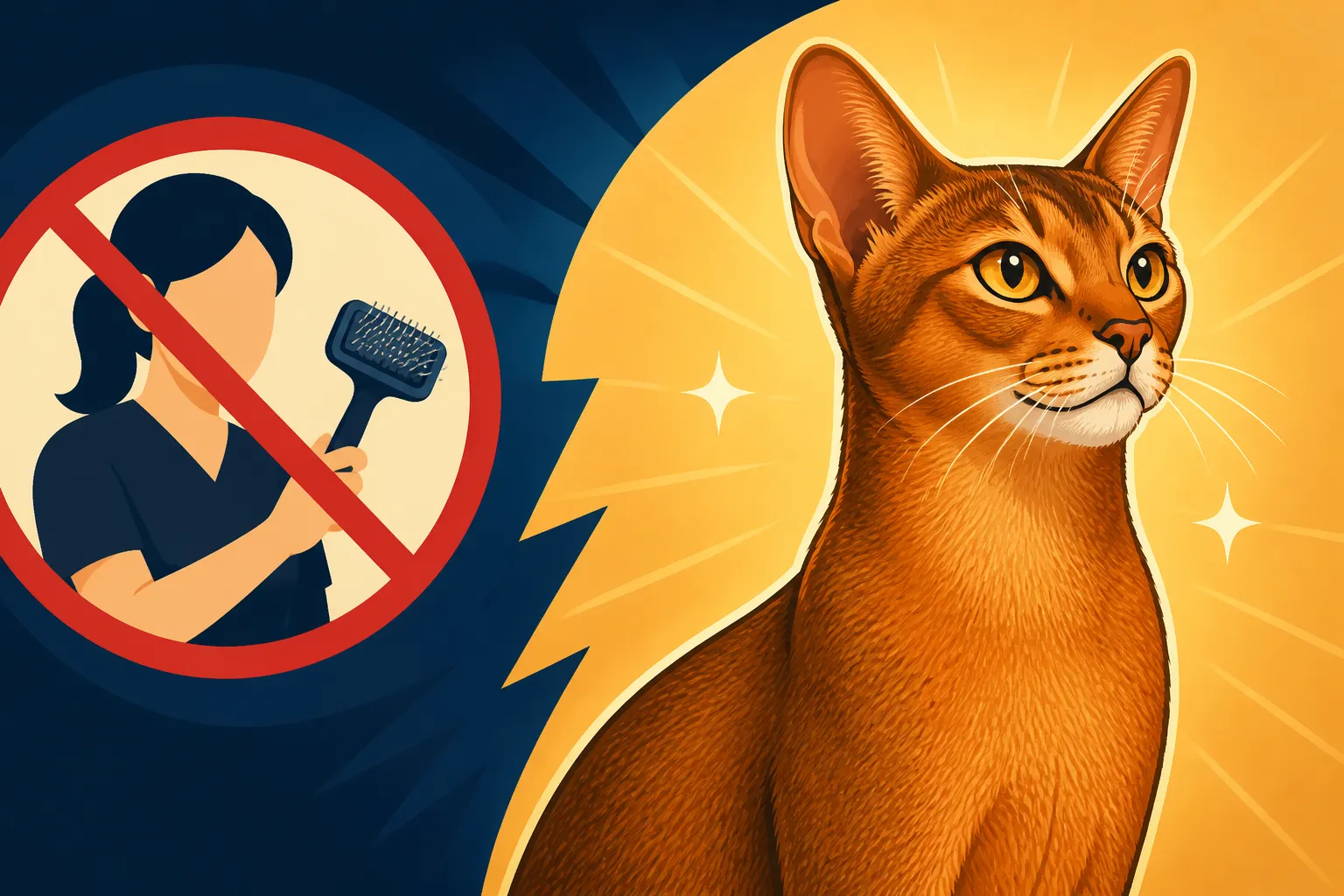
For an Abyssinian, "grooming" primarily means light, regular brushing that respects their delicate coat. An Abyssinian Needs Brushing Once a Week and No More is a golden rule.
Here’s what you should do:
- Gentle Brushing: Use a soft rubber curry brush or a grooming mitt. These tools gently massage the skin, distribute natural oils, and pick up any loose hairs without damaging the ticking. Run it over their body in the direction of hair growth. Your Abyssinian will likely enjoy this, turning it into a bonding experience rather than a chore.
- Polishing with a Chamois: For that extra sheen, a chamois cloth can work wonders. After a light brush, gently rub a chamois over their coat. This helps to buff the hairs and bring out that incredible shimmer that Abyssinians are famous for. It truly does help A Chamois Brings Up an Abyssinian's Shine.
- Spot Cleaning: If your Aby gets a small spot of dirt, a damp cloth is usually all you need. Their short, single coat doesn't hold onto grime like longer, denser coats do.
This minimal approach is not laziness; it’s an understanding of the breed's unique biology. Over-grooming, especially with harsh tools, will do more harm than good, diminishing their coat's natural luster and potentially causing skin irritation.
The Role of Diet in Coat Health
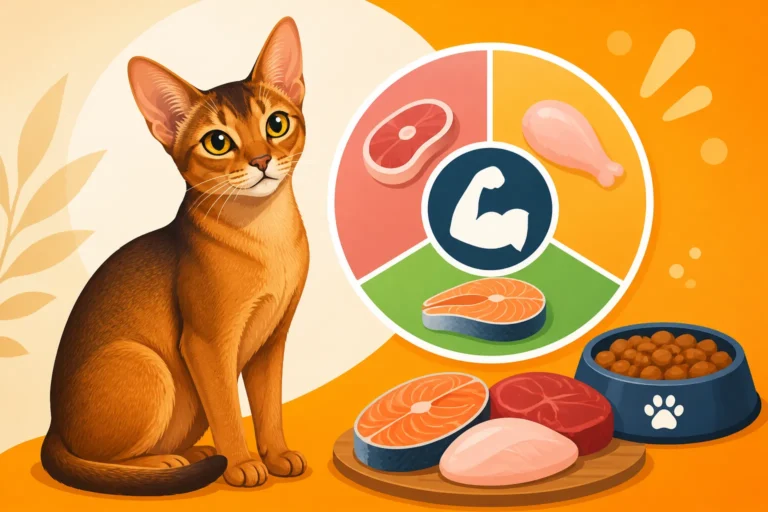
Far more impactful than any brush or shampoo is what you feed your Abyssinian. A healthy, shiny coat is a direct reflection of internal health. A diet rich in high-quality protein, essential fatty acids (like Omega-3 and Omega-6), and vitamins is paramount.
- High-Quality Protein: Abyssinians are active, muscular cats, and their diet should reflect this. Look for foods where meat is the first ingredient, providing the building blocks for healthy skin and fur. Which Protein Level Keeps an Abyssinian's Muscle On for their physique will also benefit their coat.
- Essential Fatty Acids: These are crucial for skin hydration and coat luster. Many premium cat foods, available through retailers like Chewy and Amazon, include these. Some owners also supplement with fish oil, but always consult your vet before adding supplements.
- Hydration: Ensuring your Abyssinian drinks enough water is vital for overall health, including skin and coat condition. Wet food often contributes significantly to their daily water intake, which is especially important for breeds like Abyssinians, who are unfortunately prone to kidney issues. Offering a water fountain can encourage more drinking.
Fresh food or reputable premium dry and wet food brands found at pet supply stores provide the nutritional foundation for a gleaming coat. If your Aby's coat seems dull or coarse, the first place to look isn't at new grooming tools, but at their diet and overall health.
Environmental Factors and Coat Condition
Even environmental factors play a role in your Abyssinian's coat health, though they might not immediately come to mind as "grooming."
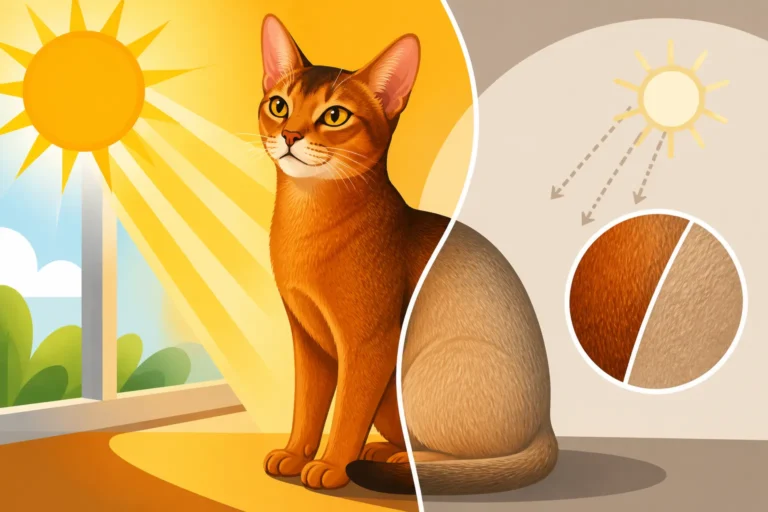
- Sunlight Exposure: While Abyssinians love to bask in sunny spots, excessive direct sunlight can actually cause their coat colors to fade over time. Why Sun Fades an Abyssinian's Coat is a real phenomenon, particularly noticeable in sorrel and blue Abyssinians. Providing shaded sunning spots or limiting prolonged direct exposure can help preserve their vibrant ticking.
- Temperature Regulation: Because Abyssinians have such a fine coat with minimal undercoat, they can be more sensitive to cold than other breeds. Ensuring they have warm, comfortable spots to rest in during cooler months can prevent their body from expending too much energy on thermoregulation, indirectly supporting coat health. Conversely, they are generally efficient at cooling themselves in warmer weather, meaning no need for shaving. How an Abyssinian's Coat Thickens in Winter can also play a role here.
- Clean Living Environment: A clean home helps keep their coat clean. Regular vacuuming and dusting means less environmental debris to settle on their fur, reducing the need for intensive bathing.
Common Grooming Myths and the Abyssinian Reality
There are several common misconceptions about cat grooming and health that simply don't apply, or apply differently, to the Abyssinian breed. Understanding these differences can save you time, money, and potential frustration.
The "Hypoallergenic" Myth
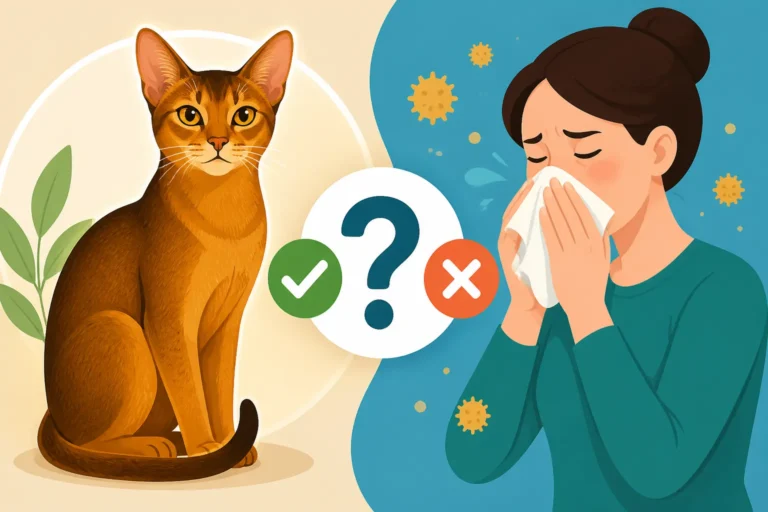
Despite their short, fine hair and minimal shedding, Abyssinians are not truly hypoallergenic. No cat breed is 100% hypoallergenic, as allergies are primarily triggered by a protein found in cat saliva, dander, and urine, not just the hair itself. While their less copious shedding might mean less dander spread around the house compared to a long-haired cat, they still produce the allergenic proteins. Don't fall for marketing claims that suggest otherwise if you or a family member has severe cat allergies. It's important to understand Whether an Abyssinian Sets Off Cat Allergies before bringing one home.
Beyond the Coat: Other Essential Care
While their coat is low-maintenance, Abyssinians have other grooming and health needs that are absolutely crucial and often require more attention than their fur.
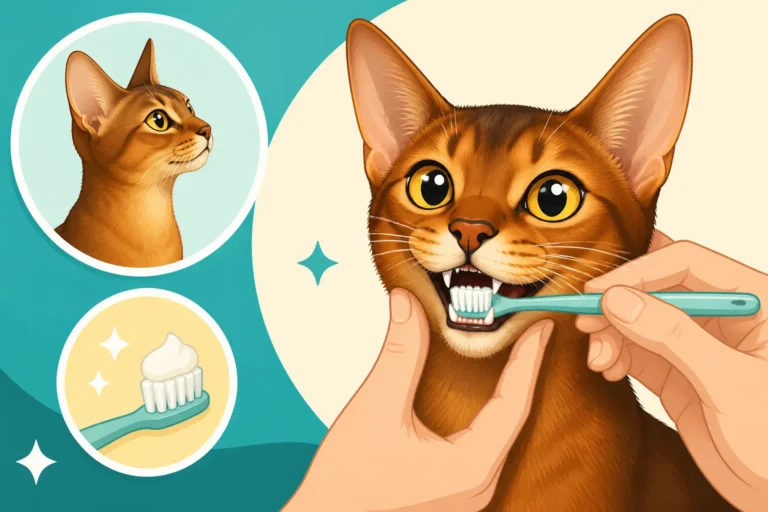
- Dental Care: This is arguably the most critical "grooming" task for an Abyssinian. They are unfortunately prone to dental issues, including juvenile gingivitis and periodontal disease. Regular toothbrushing at home is paramount, ideally starting from kittenhood. Brushing an Abyssinian's Teeth Matters More Than Its Coat cannot be stressed enough. If you neglect their teeth, you could be facing costly dental procedures down the line. A groomer can't prevent serious dental disease, but daily brushing at home can.
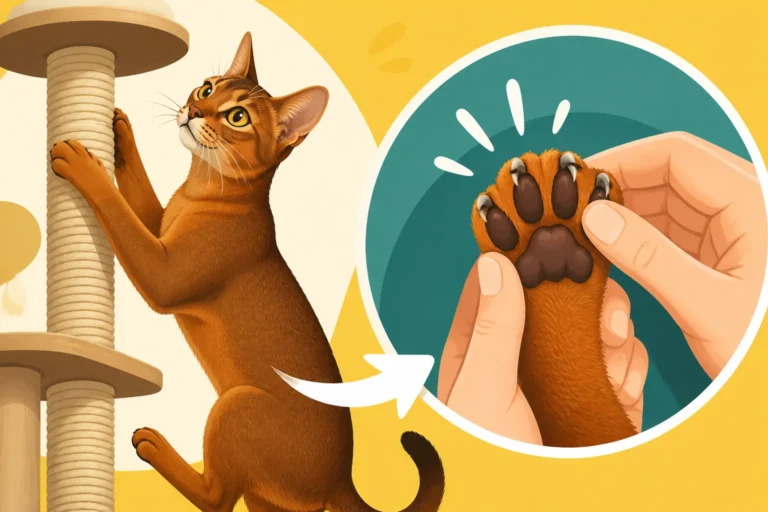
- Claw Care: Abyssinians are natural climbers and jumpers, using their claws extensively. Keeping their claws trimmed is important for their safety and yours, as well as protecting your furniture. Provide plenty of appropriate scratching posts and surfaces, and trim their claws regularly. How to Trim a Climbing Abyssinian's Claws is a skill worth mastering, or asking your vet or groomer to demonstrate.
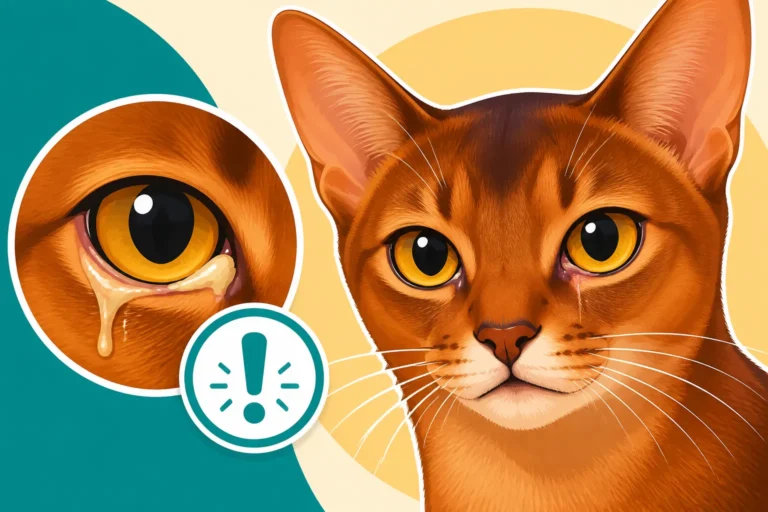
- Eye and Ear Checks: Their large, alert ears and expressive eyes require occasional checks for cleanliness and signs of infection. While usually self-sufficient, a quick wipe with a soft, damp cloth can keep them looking their best.
Abyssinian Coat Care vs. Conventional Grooming
Here’s a quick overview of why Abyssinian coat care is fundamentally different from what many professional groomers are trained for:
| Feature/Service | Abyssinian Coat Reality | Conventional Grooming Approach for Other Breeds | Impact on Abyssinian |
|---|---|---|---|
| Coat Structure | Short, fine, ticked, single coat (minimal undercoat) | Often double-coated, long-haired, or dense undercoats | Low risk of matting/tangling |
| De-shedding Tools | Harmful; pulls out healthy guard hairs, damages ticking | Beneficial for removing loose undercoat | Damages coat, irritates skin |
| Shaving | Detrimental; exposes skin, disrupts ticking regrowth | Sometimes used for mats, hygiene, or cooling | Sunburn, poor regrowth |
| Bathing Frequency | Rarely needed; self-cleaning, light shedding | Can be frequent, especially for long-haired breeds | Strips oils, unnecessary stress |
| Brushing Tools | Soft rubber mitts, chamois cloth | Slicker brushes, pin brushes, rakes | Harsh brushes damage coat |
| Focus of Care | Nutrition, gentle routine, dental health | Styling, de-matting, elaborate bathing/drying | Internal health is key |
Ultimately, the goal with an Abyssinian's coat is to maintain its natural beauty and health, not to reshape or "improve" it with techniques meant for other breeds. Your best "groomer" for an Abyssinian is you, armed with a soft brush, good nutrition, and an understanding of what makes their coat truly special. Enjoy the effortless elegance of your Aby, knowing that less really is more when it comes to their magnificent fur.
Disclaimer
This article is for general informational purposes only and does not constitute professional advice. Laws, prices and regulations vary by location and change over time. Consult a qualified professional for guidance on your specific situation.