Why an Abyssinian’s Chin Blackheads Come From Its Bowl
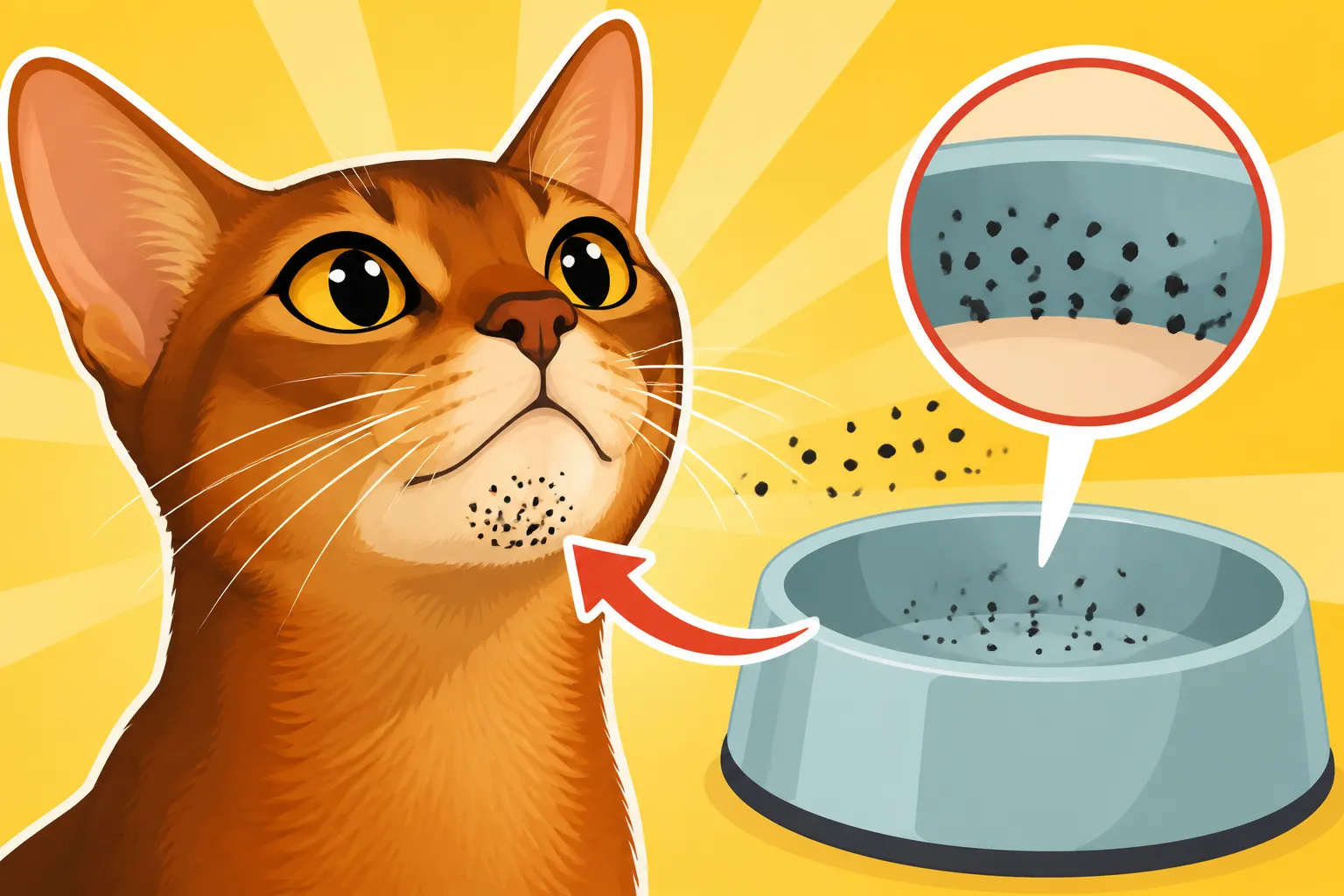
It's incredibly frustrating when you notice those tiny, stubborn black dots appearing on your beloved Abyssinian's chin, often mistaken for just a little bit of food stuck in their fur. You clean it, it comes back, and you wonder if it’s something you’re doing wrong, or if your energetic companion is just prone to being a bit messy. This guide is here to shed light on why your Abyssinian might be experiencing chin blackheads, with a particular focus on a common, often overlooked culprit: their food and water bowls.
Understanding Abyssinian Chin Blackheads: More Than Just a Speck of Dirt
When you see those little dark spots, it’s easy to dismiss them as dirt or dried food. But for many Abyssinian owners, these aren't just superficial marks; they're often a sign of feline acne. Just like people, cats can get clogged pores, and their chin is a common hotspot due to its anatomy and constant contact with various surfaces. It’s a skin condition that can range from a few cosmetic spots to more inflamed, painful lesions, and it certainly warrants a closer look.
What Exactly is Feline Acne?
Feline acne, or chin acne, is essentially a disorder of follicular keratinization. In simpler terms, the hair follicles on your cat's chin become clogged with keratin, a protein found in skin, hair, and nails. This creates comedones – those pesky blackheads you see. If these comedones become inflamed or infected with bacteria, they can turn into pimples, pustules, or even painful boils. Imagine having tiny, itchy bumps on your chin all the time; it’s not pleasant for your active Abyssinian, who just wants to explore and play. Early detection and understanding the cause are key to keeping your cat comfortable and their skin healthy. It's often a cyclical problem, appearing, seemingly clearing, and then returning with a vengeance, which is why addressing the root cause is so important.
Why Abyssinians Seem Prone to Chin Issues
While any cat breed can develop feline acne, some breeds, including our lively Abyssinians, do seem a bit more predisposed. Their short, fine coats on the chin area mean that any skin irritation or follicular blockage is often more immediately visible. But it's not just about aesthetics. Abyssinians are incredibly active and inquisitive cats, constantly nosing around, exploring, and engaging with their environment. This means their chins are frequently rubbing against various surfaces – from their climbing trees to your furniture, and most importantly, their food and water bowls. This constant contact, combined with their natural skin oils and sometimes a bit of food debris, creates a perfect storm for clogged pores. Their naturally higher energy levels can also sometimes mean they are less meticulous about self-grooming after eating, or they might splash more water around, leaving their chin damp and an ideal breeding ground for bacteria if not cleaned properly. It's just another part of understanding the unique needs of this wonderful breed, right alongside considerations for their overall health like How to Read an Abyssinian's Body Condition Through That Coat.
The Unseen Problem: How Your Cat's Bowls Contribute to Acne
It sounds counter-intuitive, doesn't it? "My cat's bowl? But I clean it!" You're probably diligent about washing your dishes, so why would a cat's bowl be different? The truth is, the material and condition of your Abyssinian's food and water bowls can be a major, silent contributor to chin blackheads. Many owners don't realize that certain materials, even with regular washing, harbor microscopic issues that directly impact their cat's sensitive chin.
The Dangers of Plastic: Scratches, Bacteria, and Allergens
Plastic bowls are a common choice for many pet owners – they're inexpensive, lightweight, and seem easy to clean. However, they are perhaps the biggest offender when it comes to feline chin acne. Over time, plastic develops tiny, almost invisible scratches and gouges from your cat's teeth, cleaning brushes, or even just general wear and tear. These microscopic crevices become ideal hiding spots for bacteria, yeast, and food residue. Even if you wash the bowl diligently, these tiny invaders can persist and multiply.
When your Abyssinian dips its chin into this bacterial buffet day after day, these microorganisms are transferred directly to their skin, exacerbating inflammation and leading to clogged pores and potential infection. Think about how active Abyssinians are; they're constantly pushing their faces into their food and lapping up water, making direct and prolonged contact unavoidable. Furthermore, some cats can develop a contact allergy to the plastic itself, leading to an allergic reaction on the chin that mimics or worsens acne. It's a double whammy: bacterial contamination combined with potential allergic irritation. Swapping out those plastic bowls for a safer alternative is often the single most effective step you can take.
The Superiority of Non-Porous Materials: Stainless Steel and Ceramic
When it comes to your Abyssinian's dining experience, material matters immensely. The gold standard for preventing chin acne, and generally promoting better hygiene, is either stainless steel or ceramic. These materials are wonderfully non-porous, meaning they don't develop those tiny, inviting scratches that plastic does.
Stainless steel bowls are incredibly durable, hygienic, and easy to clean. They don't harbor bacteria, and they don't leach chemicals into your cat's food or water. Brands like Chewy and Amazon offer a wide selection of high-quality stainless steel bowls that are robust enough to withstand daily use and dishwashing. Ceramic bowls are another excellent option, provided they are made of food-grade ceramic with a smooth, glazed finish. The glaze ensures they are non-porous and just as easy to sanitize as stainless steel. Both types of bowls prevent bacteria from accumulating, significantly reducing the risk of transferring irritants to your Abyssinian's chin. They might cost a little more upfront than plastic, but the long-term benefits for your cat's health and your peace of mind are absolutely worth it.
The Importance of Regular Bowl Cleaning
Even with the best materials, consistency in cleaning is paramount. It’s not enough to just rinse the bowls; they need a proper wash, ideally daily. Think about your own dinner plate – you wouldn't use it again and again without washing it, would you? The same principle applies, perhaps even more so, to your cat's bowls, especially their water bowl. Bacteria can thrive in stagnant water, and food residue, especially from wet food, can spoil quickly.
My routine involves washing food bowls after every meal, and water bowls once a day, using hot, soapy water. If you use a dishwasher, even better – the high temperatures ensure thorough sterilization. This diligent cleaning schedule removes any food particles, saliva, oils, and bacteria before they have a chance to multiply and cause trouble for your Abyssinian's delicate chin. Some owners even have multiple sets of bowls so they can always have a clean one ready while another is being washed. It may seem like a small detail, but this simple habit can make a monumental difference in preventing feline acne and keeping your spirited Abyssinian feeling their best. It also ties into overall oral hygiene, which can be a bigger concern for Abyssinians as discussed in articles like How Often an Abyssinian Needs Its Teeth Cleaned.
Beyond the Bowl: Other Factors Affecting Abyssinian Chin Health
While the type of bowl your Abyssinian uses is a major factor, it's certainly not the only piece of the puzzle when it comes to chin blackheads. Understanding the broader context of your cat's health and environment can help you create a more comprehensive prevention strategy. Sometimes, those pesky blackheads are a symptom of something deeper, or they're aggravated by other common household elements.
Dietary Sensitivities and Their Role
What your Abyssinian eats can play a significant role in their skin health, including the appearance of chin acne. Just like humans, cats can develop sensitivities or allergies to certain ingredients in their food. Common culprits often include certain proteins (like chicken or beef) or grains. While not a direct cause of all chin acne, an underlying food sensitivity can trigger an inflammatory response in your cat’s body, which in turn can manifest as skin issues, including exacerbated acne.
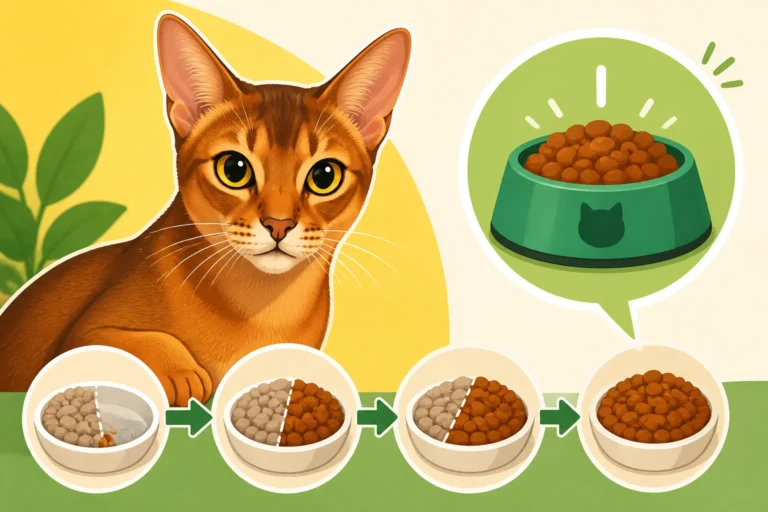
If you’ve already switched to non-porous bowls and are diligent with cleaning, but the chin blackheads persist, it might be time to consider a dietary change. Consulting with your vet is always the first step, as they can guide you through an elimination diet or recommend a novel protein or hypoallergenic food. Fresh, limited-ingredient options might be beneficial, but always check with your vet before making drastic changes. Good nutrition is foundational to an Abyssinian's vibrant energy and overall health, and ensuring they get the right Which Wet Food Suits an Abyssinian is crucial, especially considering their active lifestyle and potential for other health concerns like those mentioned in How Much Water an Abyssinian's Amyloid Risk Demands.
Stress, Grooming, and Underlying Health Conditions
Our Abyssinians are incredibly intelligent and sensitive creatures, and stress can manifest in many surprising ways, including skin problems. A change in routine, a new pet, moving to a new home, or even a perceived threat can cause stress, which can suppress their immune system and make them more susceptible to skin inflammation and acne breakouts. Observing your Abyssinian's behavior for signs of stress, such as overgrooming, changes in appetite, or hiding, can provide clues.
Beyond stress, their natural grooming habits (or lack thereof, particularly after a messy meal) and any underlying health conditions can contribute. An Abyssinian who isn't feeling well might not groom their chin as thoroughly, allowing food particles and saliva to accumulate. Hormonal imbalances, metabolic disorders, or even certain medications can also predispose a cat to acne. If the chin blackheads are severe, inflamed, or accompanied by other symptoms, it's vital to seek veterinary attention. Your vet can rule out other skin conditions, such as fungal infections or mites, and address any systemic issues that might be contributing to the problem. Regular vet check-ups, as discussed in What an Abyssinian's Annual Checkup Costs, are critical for catching these issues early.
Practical Solutions for a Clearer Abyssinian Chin
Alright, so we've talked about why those chin blackheads appear. Now, let's get into the actionable steps you can take to clear them up and, more importantly, prevent them from coming back. It's all about making small, consistent changes that add up to a big difference for your Abyssinian's comfort and well-being.
Choosing the Right Bowls for Your Abyssinian
As we've covered, ditching plastic is priority number one. Opt for either high-quality stainless steel or ceramic bowls. When choosing, look for:
- Smooth Surfaces: Ensure stainless steel is polished and ceramic is well-glazed, with no chips or cracks that could harbor bacteria.
- Shallow Design: Abyssinians have relatively short muzzles. A shallower bowl prevents their entire chin from submerging too deeply into food or water, reducing contact and keeping their whiskers from bending uncomfortably.
- Sturdy Base: Abyssinians are known for their energetic nature. A heavy, non-slip base prevents bowls from being tipped over or pushed around, which could lead to spills and extra cleaning for you.
- Elevated Bowls (Optional): Some cats benefit from elevated feeders, as it can make eating more comfortable and potentially reduce the amount of food that gets on their chin. You can find a range of options on sites like Amazon or Chewy.
By being mindful of the material and design, you're setting your Abyssinian up for success right from mealtime.
Establishing a Consistent Cleaning Routine
This is where the rubber meets the road. Even the best bowls won't stay hygienic without regular cleaning. Here’s a simple routine to adopt:
- Daily Wash: At a minimum, wash both food and water bowls daily with hot, soapy water. If you feed wet food, wash the food bowl after each meal to prevent bacterial growth.
- Dishwasher Power: If your bowls are dishwasher-safe, run them through the dishwasher regularly. The high temperatures are excellent for sanitization.
- Dedicated Sponge/Brush: Consider having a sponge or brush specifically for your pet’s bowls to avoid cross-contamination with your family’s dishes.
- Air Dry or Paper Towel: After washing, allow bowls to air dry completely or dry them with a clean paper towel. Avoid using a shared dish towel, which can also harbor bacteria.
This consistent routine will dramatically reduce the bacterial load that comes into contact with your Abyssinian's chin, giving their skin a chance to heal and stay clear.
Gentle Home Treatments and When to Seek Veterinary Help
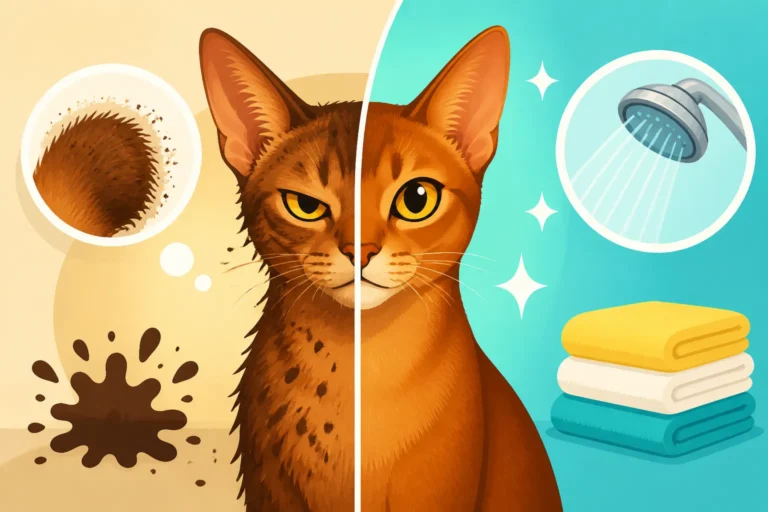
For mild cases of chin blackheads, you can gently clean your Abyssinian’s chin with a soft cloth dampened with warm water and a tiny bit of mild, cat-safe antiseptic cleanser (ask your vet for recommendations). Some owners find success with chlorhexidine wipes or pads, which are readily available and can help reduce bacterial load. Pat the area dry thoroughly afterward. Remember, the key is gentle care; harsh scrubbing will only irritate the skin further. For a more detailed approach, you might find specific instructions in How to Clean an Abyssinian's Chin.
However, if the chin blackheads become inflamed, red, swollen, painful, or develop into pustules or boils, it's time to call your veterinarian. These signs indicate a more severe infection that likely requires prescription medication, such as topical antibiotics, medicated shampoos, or even oral antibiotics. Don't try to pop or squeeze the blackheads yourself, as this can introduce more bacteria and lead to deeper infection or scarring. A vet visit will help you get an accurate diagnosis and the right course of treatment, ensuring your Abyssinian gets relief and their beautiful face returns to its normal, playful self.
Disclaimer
This article is for general informational purposes only and does not constitute professional advice. Laws, prices and regulations vary by location and change over time. Consult a qualified professional for guidance on your specific situation.