Why an Abyssinian’s Ears Need Checking Weekly
It’s easy to overlook your Abyssinian’s ears, especially with their endless energy and tendency to be a whirlwind through the house. But those beautiful, large ears are actually quite vulnerable, and neglecting them, even for a few weeks, can lead to uncomfortable issues for your active companion. This guide will walk you through why a regular, weekly check-up of your Abyssinian's ears is a non-negotiable part of their care, and how to make it a calm, easy routine for both of you.
The Unique Vulnerability of Abyssinian Ears
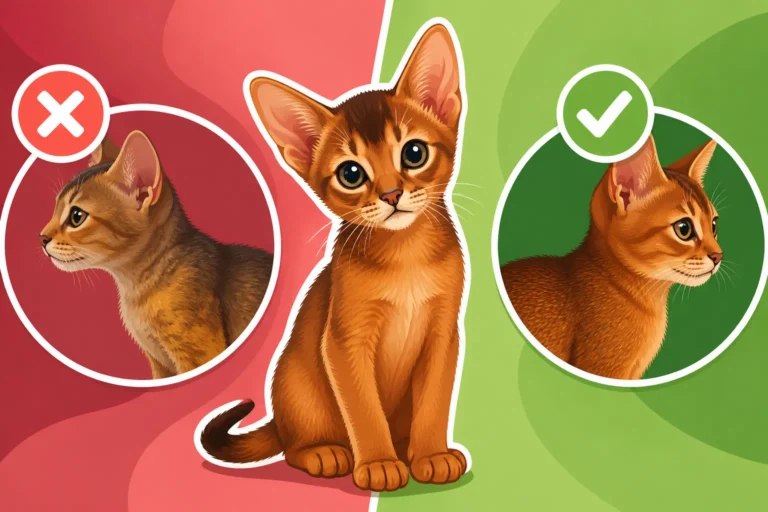
Abyssinians are known for their striking appearance, and their ears play a big part in that. They are typically large, broad at the base, and set rather wide apart, giving them an alert, almost wild look. While aesthetically pleasing, these characteristics also make them more susceptible to certain issues compared to cats with smaller, more covered ears.
Why Their Large, Open Shape Matters
Think about the structure of an Abyssinian's ear. It's quite open, almost like a satellite dish, designed to capture sound efficiently. This broad, upright stance means the inner ear canal isn't as protected from the outside world as it might be in other breeds with more hair inside or smaller pinnae (the external ear flap). This openness can act like a funnel for environmental irritants. Dust, pollen, tiny bits of debris from their adventurous climbs, or even microscopic hitchhikers like mites can find their way in with relative ease. Unlike breeds with thick tufts of hair guarding the ear canal entrance, the Abyssinian's sleek, fine coat offers less of a natural barrier.
Imagine your Abyssinian scaling a tall cat tree or darting through a dusty corner of the house. Those large ears are constantly exposed. If there's pollen in the air during spring, it can settle deep inside the ear. If they're exploring under furniture, bits of fluff or dirt can become trapped. This isn't to say Abyssinians are delicate, far from it, but their ear anatomy simply means we, as their caregivers, need to be a little more diligent with preventative checks.
The Role of Their Fine Coat
The Abyssinian's coat is famously short, fine, and lies close to the body, with very little undercoat. This extends to their ears as well. While this means less matting or excessive hair to contend with, it also means there’s less natural protection against foreign objects or temperature fluctuations. In the winter, their large, thinly covered ears can be more prone to becoming chilled, though this is rarely a health issue for an indoor cat. More critically, the lack of dense hair around the ear opening means that any buildup of wax or debris isn't naturally shed or trapped as effectively. This can lead to a more direct path for irritants or bacteria to the sensitive inner structures, creating a breeding ground for problems if not managed. It also makes it easier for you to visually inspect, which is a silver lining!
Common Ear Issues Abyssinians Can Face
Despite their generally robust health, Abyssinians can encounter ear problems just like any other cat, and their unique ear structure can sometimes exacerbate these issues. Knowing what to look for is the first step in prevention and early intervention.
Excessive Wax Buildup and Debris
Every cat produces ear wax, which is a natural protective mechanism. However, an Abyssinian's open ear canal can sometimes lead to an accumulation of wax, especially if they are particularly active or live in a dusty environment. This wax can mix with dirt, shed skin cells, and other airborne particles, forming a thick, dark, and sometimes smelly residue. It's not just unsightly; excessive buildup can trap moisture, create an itchy environment, and even muffle their hearing over time. You might notice your Abyssinian scratching at their ears more often or shaking their head if wax is bothering them. This is often the mildest form of ear trouble, but it can quickly escalate if ignored.
Ear Mites and Fungal Infections
Ear mites (Otodectes cynotis) are tiny parasites that love to set up shop in a cat's ear canal, causing intense itching and irritation. They produce a characteristic dark, crusty discharge that often looks like coffee grounds. While not specific to Abyssinians, any cat, especially a kitten, can pick them up. Given an Abyssinian's higher activity levels and curiosity, they might be more exposed to environments where mites could be present, such as in multi-cat households or from brief outdoor excursions (which most breeders strongly discourage for their safety). Fungal infections, often caused by yeast (Malassezia), can also occur, particularly in warm, moist ear canals. These typically present with a greasy, reddish-brown discharge and a distinct, sweet-sour odor. They often go hand-in-hand with bacterial infections or can be a secondary issue to allergies. How Often an Abyssinian Needs Its Teeth Cleaned is another area where routine checks are vital, much like with their ears, to prevent common problems from escalating.
Bacterial Infections and Allergies
Bacterial infections are serious and can be very painful. They usually manifest as redness, swelling, yellow or green pus, and a strong, unpleasant odor. Your Abyssinian might be very sensitive to touch around their ears, cry out, or constantly paw at the affected ear. These infections often occur as a secondary complication when the ear's natural defenses are compromised by wax buildup, mites, or allergies.
Speaking of allergies, Abyssinians can suffer from environmental allergies (like pollen or dust mites) or food allergies, which can manifest as skin issues, including itchy, inflamed ears. If your Abyssinian's ears are persistently red, itchy, or producing discharge even after cleaning, and other causes have been ruled out, allergies might be the culprit. It's a common frustration for owners to figure out the root cause, but a consistent routine of checking helps you spot the early signs. This is similar to how diligent owners monitor their cat's overall health; for instance, understanding Why an Abyssinian's Weight Loss Is Never Minor can be crucial for early detection of broader health issues.
Your Weekly Ear Check and Cleaning Routine
Establishing a regular ear care routine for your Abyssinian is key to preventing problems. Weekly checks allow you to catch minor issues before they become major headaches, and if cleaning is needed, it’s a quick and simple process.
What to Look For During Your Weekly Inspection
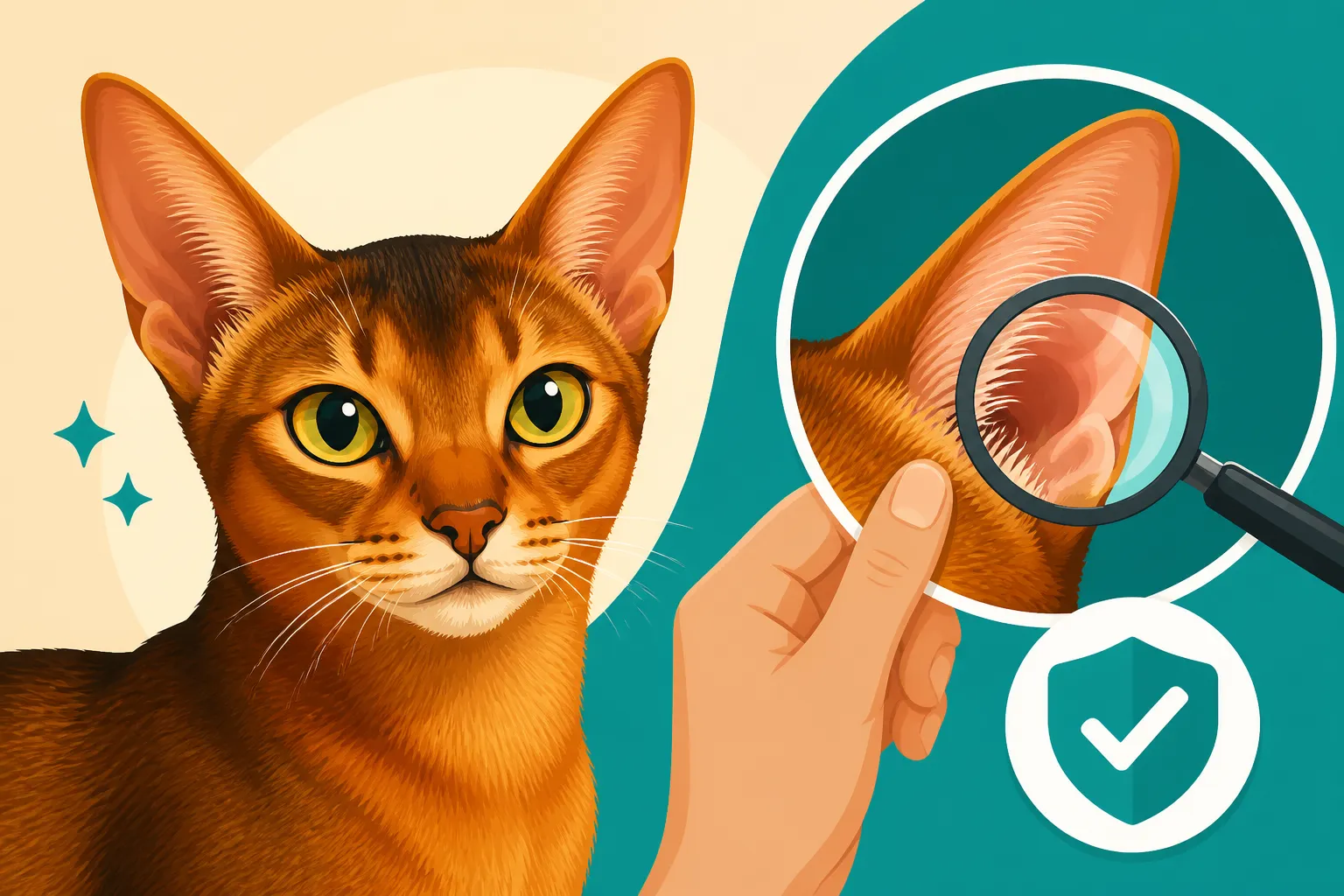
Before you even think about cleaning, a thorough visual inspection is crucial. Aim to do this in a well-lit room, perhaps while your Abyssinian is relaxed and cuddly, or after a play session when they're winding down. Gently fold back the ear flap and take a good look inside.
Here's a checklist of what you should be observing:
- Color: The skin inside your Abyssinian's ear should be a healthy pale pink, similar to the color of the skin on their paw pads. Redness or inflammation is a red flag.
- Odor: Bring your nose close and take a gentle whiff. A healthy ear should have little to no odor. Any strong, yeasty, sweet, or foul smell indicates a problem.
- Discharge: Look for any abnormal discharge. Healthy ears might have a tiny bit of light brown wax, but excessive dark brown, black (coffee grounds-like), yellow, or green discharge is concerning.
- Swelling or Bumps: Feel the ear flap and the base of the ear gently. You shouldn't feel any lumps, bumps, or excessive warmth.
- Scratching or Head Shaking: Pay attention to your cat's behavior throughout the week. Is your Abyssinian scratching at their ears more than usual? Are they shaking their head frequently? These are clear signs of discomfort.
Making this a positive experience is important. Start by simply petting their head and ears. If they’re happy, slowly peek inside. If they resist, don’t force it. Try again later, perhaps with a tasty treat as a reward. Consistency is more important than speed.
Step-by-Step Cleaning an Abyssinian's Ears
If your inspection reveals a bit of normal, light brown wax or some dust, it's time for a gentle cleaning. Avoid cleaning if the ear appears red, swollen, or has a strong odor, or if there’s a lot of dark, crusty discharge – these warrant a vet visit first.
What you'll need:
- Cat-specific ear cleaner: Never use rubbing alcohol, hydrogen peroxide, or human ear drops. These can be irritating or even harmful to a cat's delicate ear canal. Many excellent vet-approved cleaners are available at pet supply stores like Chewy or on Amazon.
- Cotton balls or gauze pads: Avoid cotton swabs (Q-tips) as they can push debris further into the ear canal or damage the eardrum.
- Treats: To reward good behavior!
The Cleaning Process:
- Prepare: Gather your supplies and find a comfortable, well-lit spot. It helps to have another person to gently hold your Abyssinian, especially if they’re not keen on ear cleaning.
- Apply Cleaner: Hold your Abyssinian's ear flap up and carefully squirt a small amount of the ear cleaner directly into the ear canal. Don't worry about hurting them; the ear canal has a bend that protects the eardrum. The amount will depend on the cleaner, but usually, it's enough to fill the canal a bit.
- Massage: Gently massage the base of the ear for about 20-30 seconds. You should hear a squishing sound as the cleaner loosens wax and debris. This part is usually quite pleasant for them.
- Allow Shaking: Let your Abyssinian shake their head. This helps to dislodge the cleaner and debris. You might want to do this in an area where you don't mind a little splash.
- Wipe Clean: Take a fresh cotton ball or gauze pad and gently wipe out the visible parts of the ear canal and the inner ear flap. Go only as far as your finger can reach comfortably. Do not try to probe deep into the ear. You'll likely see some dissolved wax and dirt on the cotton ball – that’s a good sign! Use a fresh cotton ball for each ear to avoid spreading any potential issues.
- Reward: Shower your Abyssinian with praise and treats! Make it a positive experience so they associate ear checks with good things.
Here's a quick comparison of ear types and their care considerations:
| Cat Breed Ear Type | Key Characteristics | Grooming/Care Implication | Abyssinian Example |
|---|---|---|---|
| Abyssinian (Large, Open) | Broad at base, upright, less internal hair | More exposed to debris, requires weekly visual checks | Prone to dust/pollen accumulation, needs gentle wiping |
| Scottish Fold (Folded) | Ears fold forward and down | Reduced airflow, increased risk of wax buildup and infections | Requires more frequent checks for moisture and deep cleaning needs |
| Maine Coon (Tufted) | Large, well-tufted with protective ear furnishings | Tufted hair can trap dirt, but also offers some protection | Hair needs occasional gentle removal/trimming, less internal checks |
| Sphynx (Hairless) | Large, open, completely hairless | No hair to protect, prone to more visible wax buildup | Requires very frequent cleaning as wax is more obvious and exposed |
When to Consult Your Veterinarian
Sometimes, what looks like a simple wax buildup can be something more serious. It's vital to know when to put down the ear cleaner and pick up the phone to call your vet.
Seek veterinary attention immediately if you notice:
- Persistent Head Shaking or Scratching: If your Abyssinian is constantly bothering their ears, it's a sign of significant discomfort.
- Strong, Foul Odor: A healthy ear has almost no smell. Any strong, unpleasant odor warrants a professional check.
- Excessive Dark, Waxy, or Pus-like Discharge: Especially if it resembles coffee grounds (suggestive of mites) or is yellow/green (suggestive of bacterial infection).
- Redness, Swelling, or Pain: If the ear appears inflamed, swollen, or your cat cries out when you touch it, there’s likely an infection or injury.
- Loss of Balance or Disorientation: Ear infections can sometimes affect a cat's balance, leading to head tilting or clumsiness.
- Any visible foreign object: Don't try to remove anything lodged deeply in the ear yourself; you could cause more harm.
Your vet will be able to properly diagnose the issue, whether it's mites, a bacterial or fungal infection, or an allergy. They can prescribe appropriate medication, which might include ear drops or oral antibiotics. Never try to self-diagnose or treat a suspected ear infection with over-the-counter remedies not specifically approved by your vet for cats, as you could worsen the problem or cause hearing damage. Just as you'd monitor What Kidney Failure Looks Like in a Young Abyssinian or seek care when A Lethargic Abyssinian Needs Blood Work Fast, ear issues demand prompt professional attention. Early intervention can save your Abyssinian a lot of pain and potentially prevent more serious complications.
Maintaining Optimal Abyssinian Ear Health
Beyond the weekly checks and occasional cleaning, there are some proactive steps you can take to contribute to your Abyssinian's overall ear health and well-being. It's all about creating an environment that minimizes risk and a routine that fosters early detection.
Preventative Measures and Environmental Control
While you can't completely seal off your Abyssinian's ears from the world, you can certainly manage their environment to reduce exposure to irritants. Consider factors like dust and allergens in your home. Regular vacuuming, especially in areas your active Abyssinian frequents, can significantly cut down on airborne dust and pollen that might find its way into those open ear canals. If you live in an area with high pollen counts during certain seasons, a HEPA air purifier can also be beneficial, not just for ears but for their overall respiratory health.
Another aspect is preventing exposure to potential sources of ear mites. If your Abyssinian is strictly indoors and never interacts with other animals, the risk is lower. However, if you have other pets that go outdoors or visit places like dog parks, they could bring mites into the home. Regular preventative parasite control for all your pets, as recommended by your vet, is a smart move. Even if your Abyssinian rarely goes outside, these tiny creatures can hitch a ride into your home. Think about the overall health of your cat, including their diet. A balanced, high-quality diet can support a strong immune system, which in turn can help your cat fend off minor infections.
Regular Veterinary Check-ups
Your annual veterinary check-up isn't just for vaccinations; it's a comprehensive health assessment that includes a thorough examination of your Abyssinian's ears. Even if you're vigilant with your weekly home checks, a veterinarian can spot subtle changes or underlying issues that might escape an untrained eye. They have specialized tools like an otoscope to look deep into the ear canal and can easily take samples for microscopic examination if they suspect mites, bacteria, or yeast.
Discuss your home ear care routine with your vet. They can confirm if you’re doing it correctly, recommend specific ear cleaners suitable for your cat, and offer advice tailored to any predispositions your Abyssinian might have. If you've ever wondered What an Abyssinian's Annual Checkup Costs, remember that these visits are an investment in their long-term health, catching problems like ear infections early before they become more costly and painful to treat. Regular vet visits are also crucial for managing other health aspects, from dental health, as covered in Why an Abyssinian's Gums Overgrow Its Teeth, to broader health screens like How the Abyssinian's DNA Panel Is Ordered. These check-ups are fundamental to ensuring your spirited Abyssinian lives a long, healthy, and happy life, free from preventable discomfort.
Disclaimer
This article is for general informational purposes only and does not constitute professional advice. Laws, prices and regulations vary by location and change over time. Consult a qualified professional for guidance on your specific situation.