Why an Abyssinian’s Water Bowl Should Be Away From Food
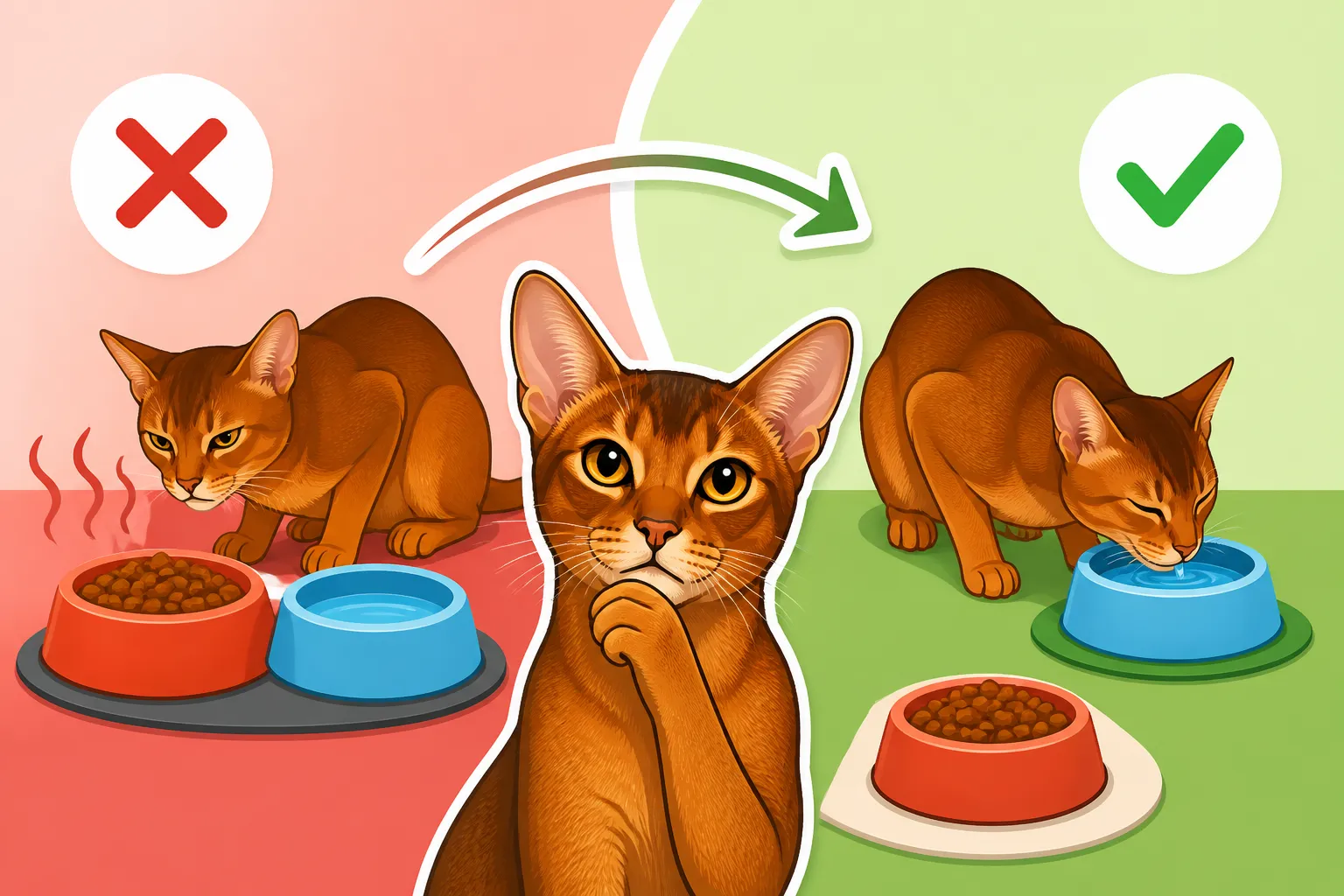
It’s a common sight in many homes: your cat's food and water bowls nestled right next to each other, a picture of convenience. But if you own an Abyssinian, or any cat for that matter, this seemingly logical setup might actually be silently sabotaging their hydration. This guide will delve into why separating your Abyssinian's food and water sources is crucial for their health and well-being, helping you understand their natural instincts and how to cater to them.
The Instinctive Drive: Why Cats Separate Food and Water
When we think about giving our pets food and water, our human logic often leads us to place them side-by-side. It makes sense to us, right? Eat, then drink. But for cats, especially a breed as connected to its wild ancestry as the Abyssinian, this arrangement goes against deeply ingrained instincts that have kept them safe and healthy for millennia.
Mimicking the Wild Hunt
Imagine a wild cat, perhaps a relative of the Abyssinian, out in the scrub. When they make a kill, they're not going to drag their prey to the local watering hole. Why? Because the presence of prey, especially if it's been there a while, can contaminate the water. Blood, fur, and other detritus would spoil the clean drinking source. Predators, being smart, learned long ago to keep their eating areas and drinking areas distinct. It's a fundamental survival mechanism to avoid illness from tainted water.
Your Abyssinian, despite being a pampered housecat, still carries this ancient programming in their DNA. Their brain tells them: food (even delicious kibble or wet food) and water don't mix. If their water bowl is too close to their food, it triggers this primal aversion. They may subconsciously perceive the water as contaminated, even if it's sparkling clean. This isn't them being finicky; it's them being a cat, listening to instincts that whisper "danger" when food particles or odors are too close to their drinking source. They'd rather seek water elsewhere, or worse, drink less than they need.
The Contamination Conundrum in Your Home
Even without the grisly reality of a fresh kill, your Abyssinian’s food bowl presents a contamination risk to their water. Bits of kibble, crumbs of wet food, or even just the scent of their meal can easily get into the adjacent water bowl. This isn't just about bacteria (though that's a factor too, especially with wet food); it's about taste and smell. Cats have a highly refined sense of smell, and a water bowl that smells faintly of tuna or chicken pâté isn't appealing. Think of it this way: would you want to drink water that had tiny bits of your dinner floating in it? Probably not.
This leads to a subtle but significant problem. Your Abyssinian might approach the bowls, sniff, and then turn away from the water because it's "off." Over time, this repeated rejection can lead to chronic low-level dehydration, which can have serious long-term consequences for their health. It's a silent threat because you might not notice them drinking less, especially if they're drinking from other places you can't easily monitor, like a dripping faucet or even the toilet bowl, which, let's be honest, is not ideal!
The Abyssinian's Unique Hydration Needs and Health Risks
Abyssinians are not your average couch potato cats. They are renowned for their incredible energy, athleticism, and constant motion. This high-octane lifestyle means their bodies are working harder, burning more calories, and consequently, they have a greater need for proper hydration than many other breeds. Ignoring this fact can lead to significant health issues, some of which Abyssinians are already predisposed to.
High Energy, High Water Demand
Have you ever watched your Abyssinian race through the house, scale your cat tree in seconds, or play fetch for what feels like an hour straight? They are little bundles of perpetual motion! All this activity, all that running and jumping, means they're constantly using energy and metabolizing food. A higher metabolism naturally translates to a higher demand for water to keep all their bodily functions running smoothly. It’s not just about quenching thirst; water is essential for circulation, nutrient transport, waste elimination, and temperature regulation.
If their water source is unappealing due to its proximity to food, they might not drink enough to compensate for their active lifestyle. This isn't always obvious. An Abyssinian is incredibly good at Why an Abyssinian Hides Pain Behind Its Energy, so you might not see immediate signs of sluggishness. Instead, it might manifest as drier stools, reduced urine output, or just a general dullness over time. Adequate water intake directly supports their incredible vitality and ensures they can continue to be the playful, energetic companions we adore. You might think, "My Abyssinian eats more than a bigger cat!" and that's often true for their calorie needs, but it also applies to their water intake.
Kidney Health and the Amyloidosis Risk
One of the most pressing health concerns for the Abyssinian breed is a condition called Renal Amyloidosis. This genetic predisposition means abnormal proteins called amyloid can deposit in their kidneys, eventually leading to kidney failure. While there's no cure, and no genetic test to definitively identify affected cats, proper hydration is one of the most critical factors in managing and potentially slowing the progression of kidney disease. This is why Why Abyssinian's Kidneys Make Water Intake Matter is so important.
If your Abyssinian is chronically under-hydrated, their kidneys have to work harder to filter waste, concentrating urine and potentially putting additional strain on already vulnerable organs. This is a subtle, long-term effect that might not show up until much later in life, but it's preventable. By ensuring easy access to clean, appealing water sources, placed away from their food, you are actively supporting their kidney health and potentially delaying the onset or progression of serious issues like What Kidney Failure Looks Like in a Young Abyssinian. If you notice a Why a Thirsty Young Abyssinian Is a Red Flag, it's time for a vet visit and a hydration check.
Dental Health Implications
While not as direct as kidney disease, inadequate hydration can also play a role in dental health. Abyssinians are unfortunately prone to dental issues, including juvenile gingivitis and tooth resorption. Why Abyssinian Dental Work Is the Biggest Line in the Budget for many owners. While regular brushing and professional cleanings are paramount, proper hydration helps maintain a healthy oral environment, aiding in the natural rinsing of food particles and promoting saliva production, which acts as a natural defense against bacteria.
If food bits are constantly falling into their water, and they avoid drinking as much, these food particles can linger in their mouth for longer. This might seem like a small detail, but over an Abyssinian's lifespan, every little bit of preventative care adds up. Ensuring their water is pristine and enticing encourages more frequent drinking, which in turn helps keep their mouth a little cleaner between meals and brushings. Consider how often an Abyssinian needs its teeth cleaned; every advantage helps.
Practical Tips for Optimal Water Placement
So, you're convinced: separate those bowls! But where do you start? It's not just about moving the water a few inches; it's about understanding your Abyssinian's preferences and creating an environment that actively encourages them to drink enough.
Multiple Water Stations: A Hydration Highway
The biggest mistake cat owners make, after putting food and water together, is only having one water source. For an Abyssinian, with their boundless energy and curiosity, one spot simply isn't enough. They want options, variety, and convenience. Think of your home as their kingdom, and you want to install a "hydration highway" with accessible watering holes in different locations.
Aim for at least two to three water stations throughout your home, especially if you have a larger space or multiple cats. Place them in quiet, low-traffic areas where your Abyssinian feels safe and undisturbed. Good spots might include:
- A different room entirely from their main feeding area.
- A high perch or shelf where they can drink from a vantage point (Abyssinians love height!).
- Near a window where they can observe the outside world while they sip.
- On a different floor if you have a multi-story home.
The key is variety and accessibility. Don't put them all in a row. Spread them out! This ensures that no matter where your Abyssinian is playing or resting, a fresh drink is just a short hop away.
Types of Water Bowls: Catering to Kitty Preference
Not all water bowls are created equal, and your Abyssinian might have strong preferences. Material and shape can greatly influence how much they drink.
- Ceramic or Stainless Steel Bowls: These are generally the best choices. They are easy to clean, non-porous (so they don't harbor bacteria), and don't retain odors or flavors like some plastic bowls can. Plastic can also sometimes cause chin acne in sensitive cats. You can find a fantastic selection of these on sites like Amazon or Chewy.
- Wide, Shallow Bowls: Many cats dislike it when their whiskers touch the sides of a bowl while they drink, a phenomenon known as "whisker fatigue." Wide, shallow bowls prevent this, making the drinking experience more comfortable.
- Water Fountains: Abyssinians, like many cats, are often fascinated by moving water. In the wild, running water is generally safer than stagnant puddles, so this instinct carries over. A cat water fountain can be a game-changer for encouraging drinking. Look for ceramic or stainless steel versions, easily available on Amazon, that offer different flow settings. Regularly cleaning these is vital to prevent bacterial buildup.
- Glass Bowls: While less common, glass bowls are also excellent, easy to clean, and don't impart any taste.
| Water Bowl Type | Pros | Cons | Ideal Placement Consideration |
|---|---|---|---|
| Ceramic | Heavy, stable, easy to clean, non-porous | Can break if dropped, heavier to move | Any quiet, accessible area |
| Stainless Steel | Durable, hygienic, easy to clean, lightweight | Can be noisy if bumped, some cats dislike reflection | High-traffic areas where durability is key, or elevated spots |
| Glass | Hygienic, aesthetically pleasing, easy to clean | Fragile, can be heavy | Quiet spots away from potential knocks |
| Plastic | Lightweight, inexpensive | Can harbor bacteria, cause chin acne, retain odors | Generally not recommended for long-term use |
| Water Fountain | Encourages drinking, mimics natural water sources | Requires electricity, needs regular cleaning | Away from food, ideally in a visible, appealing spot |
Encouraging Hydration Beyond the Bowl
Even with perfectly placed, appealing bowls, some Abyssinians still need a little extra nudge to drink enough.
- Freshness is Key: Change the water at least once, preferably twice, daily. Cats are picky about stale water. They truly appreciate a fresh pour.
- Add Ice Cubes: Some cats love playing with ice cubes, and it's a fun way to add extra hydration, especially during warmer months.
- Wet Food is Your Friend: This is perhaps the most powerful tool in your hydration arsenal. High-quality wet food is naturally rich in moisture, significantly contributing to your Abyssinian's daily water intake. Incorporating wet food into their diet can make a huge difference, even if they primarily eat kibble. Which Wet Food Suits an Abyssinian will expand on this.
- Consider Broth or Water Additives: Unsalted, plain chicken or beef broth (specifically formulated for pets) can be a tasty way to encourage drinking. There are also water additives designed to make water more appealing, though always check with your vet before introducing new supplements.
Remember, a well-hydrated Abyssinian is a happy, healthy Abyssinian, and making those small adjustments to their environment can have profound long-term benefits. Pay attention to How Much Water an Active Abyssinian Drinks and adjust your strategy if needed.
Beyond Bowl Separation: Comprehensive Hydration Strategies
Separating food and water bowls is a fundamental step, but it's part of a larger picture of ensuring your Abyssinian stays adequately hydrated. Their health, especially concerning potential kidney issues, relies on consistent, sufficient water intake. This means we need to think beyond just where the bowls are and consider what they're drinking and how we're monitoring it.
The Critical Role of Wet Food
For a highly active breed like the Abyssinian, known for burning How Many Calories an Adult Abyssinian Burns and for their higher energy levels, relying solely on dry kibble for nutrition can put them at a disadvantage when it comes to hydration. Dry food, by its very nature, has a low moisture content. Even if your Abyssinian drinks diligently from their water bowl, it can be challenging for them to make up the deficit.
This is where wet food becomes invaluable. Wet food typically contains around 70-80% moisture, which is much closer to the natural diet of a feline in the wild. By feeding a portion of wet food daily, you are directly increasing their fluid intake without them having to drink an extra drop from a bowl. Incorporating this into their diet is one of the most effective ways to support their overall health and particularly their kidney function. Even if you choose not to switch entirely to wet food, adding a small amount as a topper or a separate meal can be incredibly beneficial.
Monitoring Water Intake and Output
It's easy to assume your Abyssinian is drinking enough, especially if you see them at the bowl occasionally. However, active monitoring can give you a clearer picture. It can be tricky, but here are some tips:
- Measure Water Levels: If you use consistent bowls, try measuring how much water you put in each morning and how much is left at the end of the day. This isn't precise but gives you a baseline.
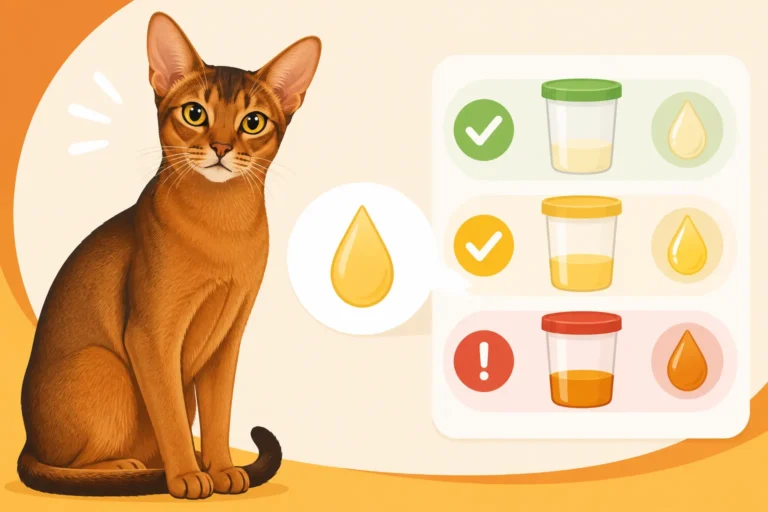
- Observe Urination: Pay attention to your Abyssinian's litter box habits. Are they producing good-sized clumps of urine? Small, infrequent clumps could be a sign of dehydration. What an Abyssinian's Urine Output Should Look Like is a key indicator of hydration status. If you suddenly notice less urine, or very dark, concentrated urine, it’s a red flag.
- Hydration Checks: A simple pinch test can give a quick indication. Gently pinch the skin on the back of your cat's neck or between their shoulder blades. If they are well-hydrated, the skin should snap back into place almost immediately. If it takes a few seconds to return, they might be dehydrated. This is not a substitute for vet advice, but it's a useful home check.
- Record Keepings: Especially for older Abyssinians or those with known health concerns, keeping a log of daily water intake (or how often you refill the bowls) can be incredibly helpful for your vet.
If you ever have concerns about your Abyssinian's hydration, or if they seem unusually thirsty or uninterested in drinking, consult your veterinarian promptly. Early intervention can make a significant difference, especially with breed-specific predispositions like amyloidosis. Ultimately, a proactive approach to hydration, starting with simple steps like separating food and water bowls, contributes immensely to your Abyssinian's long, happy, and energetic life.
Disclaimer
This article is for general informational purposes only and does not constitute professional advice. Laws, prices and regulations vary by location and change over time. Consult a qualified professional for guidance on your specific situation.