How Wild Animal Traders Moved Cats Between Ports
It's quite easy to get caught up in the romantic tales of cat breeds, especially when they stretch back into history. For the Abyssinian, stories often point to ancient Egypt or the wilds of Ethiopia, but the truth, as modern science is starting to show us, is far more complex and involves a much grander stage: the ancient world's bustling trade routes and the unassuming role cats played in keeping those routes moving. This guide will delve into how these early maritime networks inadvertently facilitated the widespread movement of felines, ultimately shaping the genetic landscape of many breeds, including the Abyssinian, long before organized breeding ever began.
The Ancient Maritime Silk Road: A Highway for Goods and Genes
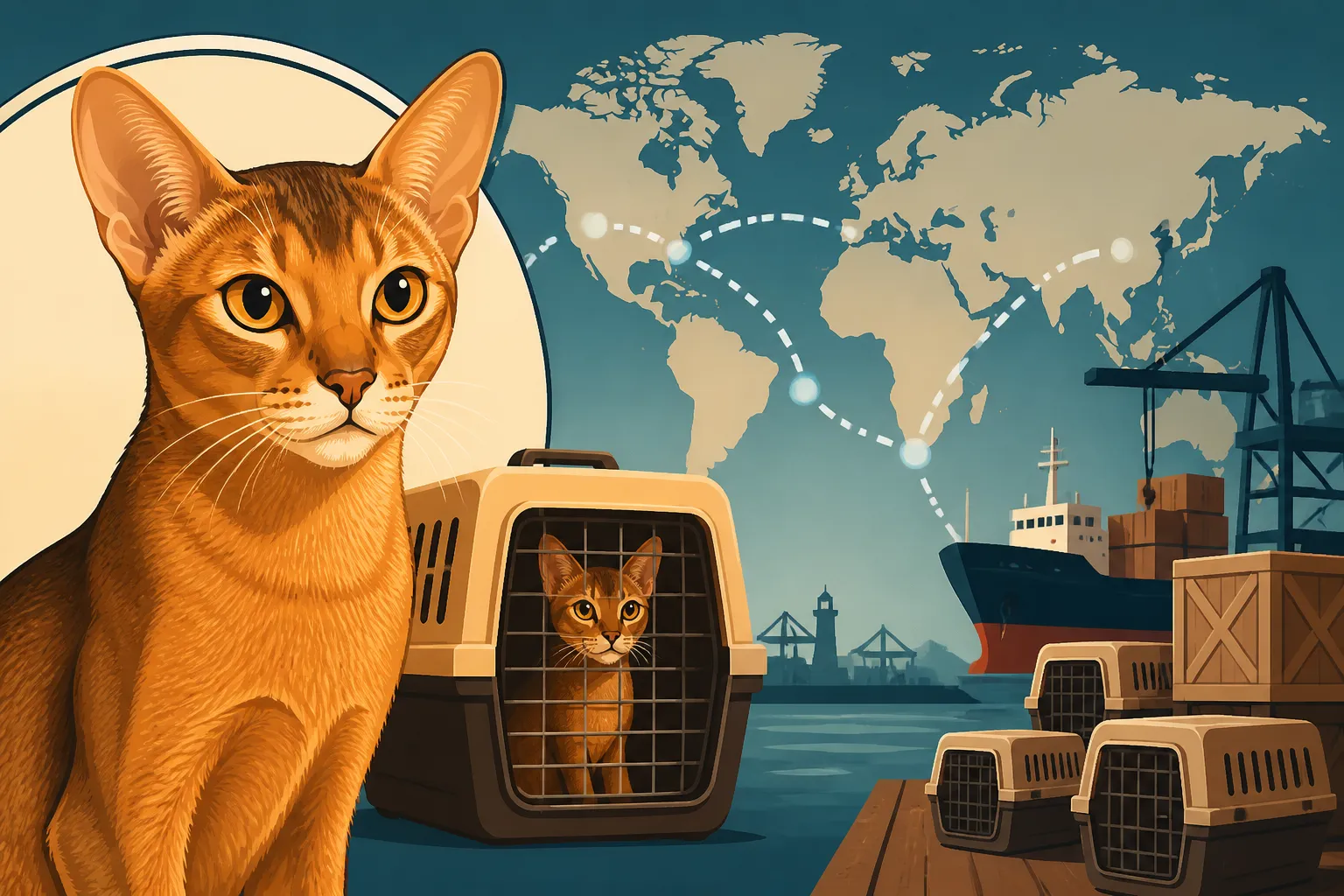
When we talk about the Silk Road, most people imagine camel caravans traversing dusty desert trails, but a significant, often overlooked, part of this vast network was aquatic. The Maritime Silk Road connected distant lands by sea, weaving together cultures, economies, and, yes, even animals, across continents. This wasn't just about silk; it was about spices, precious metals, pottery, and all manner of goods flowing between East Africa, the Middle East, India, and Southeast Asia, eventually reaching Europe. And wherever goods went, cats often followed.
Trade Hubs and the Accidental Relocation of Animals
Imagine a bustling port city, perhaps in ancient India or along the Red Sea. Ships laden with cargo would arrive, offload, and take on new merchandise. Sailors from diverse backgrounds would mingle, and with them, sometimes, would come their cats. These felines weren't intentionally part of the cargo manifests, but they were invaluable crew members, keeping rats and mice at bay in the ships' holds and in the warehouses where goods were stored between voyages. As ships moved from port to port, a cat might jump ship, or kittens might be born and find new homes ashore. This constant movement meant that feline populations, once localized, began to intermingle and spread their genes across vast distances.
These trade hubs weren't just places of commerce; they were melting pots for genetic exchange. A cat from an Arabian port might breed with a local feline in an Indian harbor, their offspring carrying a blend of genetic markers that would eventually travel further east or west. It wasn't a planned migration, but a gradual, organic diffusion of feline DNA driven by human activity. Over centuries, this process led to a remarkable genetic diversity in cat populations along these routes, laying the groundwork for many of the distinct regional cat types we see today. The idea that a specific breed could have sprung solely from one isolated geographical point becomes much harder to maintain when you consider this relentless, ancient movement.
Unintentional Passengers: How Cats Became Global Travelers
Cats, by their very nature, are adaptable and opportunistic. While some might have been cherished pets of sailors, many were simply working animals, valued for their pest control skills. A ship with a rat problem was a ship losing valuable cargo, and a hungry cat was the most efficient, self-maintaining solution. So, these feline employees would be allowed to roam the decks and holds, earning their keep. When a ship docked, it wasn't uncommon for cats to disembark, explore, or even permanently relocate if a new environment seemed more promising, or if their ship sailed without them.
This wasn't like modern pet travel where you arrange for a specific breed from a breeder and plan their journey meticulously, perhaps even picking up specialized food from Chewy before they arrive. Back then, it was a much more fluid, almost wild, process. The "passengers" didn't have tickets; they simply were part of the working ecosystem of maritime trade. The sheer volume of ships and the length of time these routes were active meant that even a small number of cats changing locations per voyage could, over generations, lead to significant population shifts and genetic blending across continents. It's a testament to the cat's innate resilience and ability to thrive alongside humans, even in the most unplanned ways.
Cats as Crucial Shipmates: More Than Just Vermin Control
While their primary role was practical, the bond between sailors and their ship cats was often profound. These weren't just tools; they became companions, mascots, and even good luck charms. This emotional connection further solidified their presence on voyages and their unintentional spread across the globe.
Pest Control on Board: A Matter of Survival and Commerce
Imagine being a sailor on a long voyage in a wooden ship, navigating vast oceans. Food supplies were precious, and pests like rats and mice were not just annoying; they were a direct threat to the crew's provisions, fresh water, and even the structural integrity of the ship itself. Rats could gnaw through ropes, contaminate food, and spread disease, turning an already perilous journey into a potential disaster. This is where cats truly shined. Why the Abyssinian Was Named After a Country It Is Not From is a common question, but their likely origins speak more to this kind of global seafaring.
A good ship's cat was worth its weight in gold. They kept the rodent population in check, protecting grain stores, dried meats, and other perishable cargo. Without them, voyages would have been far riskier and less profitable. Their hunting prowess was an indispensable service, making them integral, if unlisted, members of the crew. They didn't just happen to be on ships; they were needed there. This practical necessity ensured their continuous presence on maritime trade vessels for millennia, facilitating their broad dispersal.
Companionship for Lonely Sailors: A Morale Boost
Beyond their pest-control duties, cats offered something less tangible but equally vital: companionship. Life at sea was harsh, lonely, and often monotonous. Weeks, even months, could pass without sight of land or another human face outside the crew. A purring cat, a playful chase, or simply a warm body curled up nearby could provide immense comfort and a much-needed morale boost. They were a connection to home, a familiar presence in an alien environment.
This bond meant sailors often went to great lengths to care for their feline friends, ensuring they were fed and safe. If a cat had kittens, those kittens might be shared among the crew or even gifted to people in new ports, further contributing to their spread. This wasn't a commercial transaction; it was a human connection that drove distribution. Unlike today's precisely managed supply chains, where you might order specialized cat toys or specific diets from retailers like Chewy, ancient sailors simply nurtured the animals that brought them solace and service, allowing nature to take its course in populating new lands with felines. Why an Abyssinian Needs a Tall Cat Tree might seem miles away from ancient sailing, but the need for enrichment and interaction for these active cats is timeless.
Genetic Fingerprints of Migration: Unraveling the Past
Modern science, specifically feline genetics, has revolutionized our understanding of cat origins and migrations. Instead of relying solely on historical records or anecdotal evidence, scientists can now read the story of cat movement directly from their DNA.
Tracing Feline Lineages Through DNA
Geneticists can analyze the DNA of cat populations from around the world to identify specific markers and mutations. By comparing these genetic "fingerprints," they can map out the relationships between different cat groups, trace their ancestral origins, and even estimate when and where significant migratory events occurred. This is similar to how we might trace human migration patterns or the spread of agriculture. For cats, these studies have revealed clear links between populations in distant lands, strongly supporting the theory that human trade routes were major conduits for feline dispersal.
For example, specific mitochondrial DNA (mtDNA) haplogroups (genetic lineages passed down from mother to kitten) found in cat populations can be traced back to distinct geographical regions. When these same haplogroups show up in cats thousands of miles away, it's a strong indicator of historical movement, often aligning with known trade networks. This is cutting-edge detective work, using the smallest bits of biological information to piece together a massive, millennia-spanning puzzle. It's how researchers can confidently state that a common domestic cat might have ancestors from regions far removed from its current home.
Patterns in Abyssinian Ancestry: Connecting the Dots
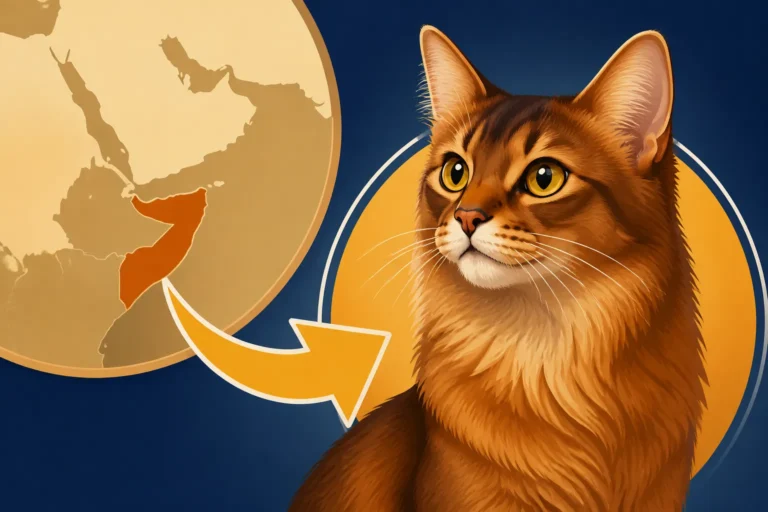
When it comes to the Abyssinian, genetic studies have been particularly illuminating. Contrary to popular Victorian-era notions that tied the breed directly to ancient Egypt or Abyssinia (modern-day Ethiopia), DNA evidence points to an origin along the Indian Ocean coast. What DNA Says About Where Abyssinians Came From directly addresses this. This makes perfect sense when you consider the bustling maritime trade that linked these regions. The genetic markers found in Abyssinians today are most closely related to cat populations in areas like India and Southeast Asia, rather than the Nile Valley or the Horn of Africa.
This doesn't mean the old stories are entirely without charm, but science offers a more robust narrative. It suggests that the unique ticked coat pattern, which is the hallmark of the Abyssinian, likely developed within these diverse, mobile cat populations along the trade routes. As these "trade cats" moved and bred, a specific look, favored by chance or human preference in a particular region, could have solidified. Why the Indian Ocean Coast Fits the Abyssinian's Genes explains this further. The genetic evidence paints a picture of a cat breed forged in the crucible of global commerce, a truly cosmopolitan feline with a history as rich and varied as the goods that traveled the ancient seas.
The Abyssinian Connection: From Ship to Show Ring
Understanding the ancient movement of cats on trade routes fundamentally shifts our perspective on the Abyssinian's origins. It moves the narrative from a single, static point to a dynamic, multi-regional journey, shaping the very essence of what makes this breed so captivating.
Revisiting the Origin Story: Beyond the Myths
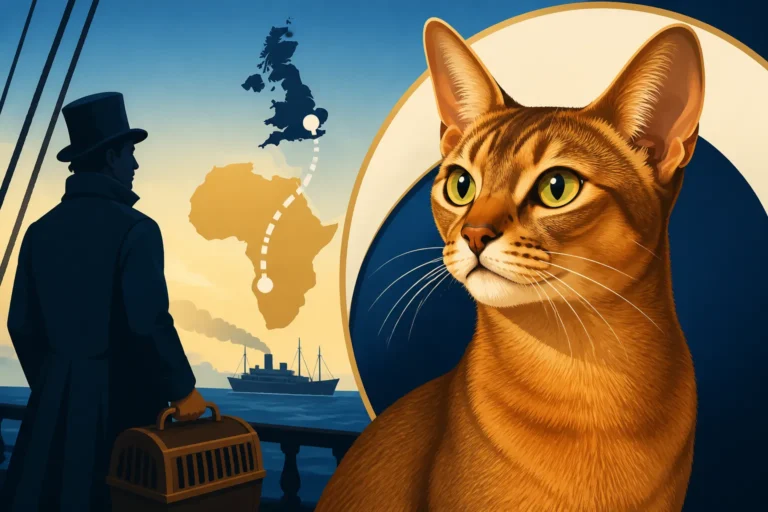
For a long time, the prevailing narrative for the Abyssinian centered around a cat named Zula, supposedly brought back from Abyssinia by a British soldier in the late 19th century. While a charming story, and Zula certainly existed, the genetic evidence doesn't support her as the singular ancestor of the modern Abyssinian breed. Zula and the 1868 Story Everyone Repeats details this popular but likely inaccurate tale. Instead, the breed likely emerged from the pool of domestic cats found along the Indian Ocean coast, moved by these very trading vessels.
The "Abyssinian" name itself might have been a nod to the exotic appeal of these trade routes and distant lands, rather than a precise geographical origin. It’s a bit like how certain spices were named after distant ports of call, even if their true growing regions were elsewhere. The romantic notion of a cat from a far-off, ancient land captured the public imagination, and the name stuck. The actual history, rooted in the hard work and accidental migration of ship cats, is perhaps less romantic but far more compelling and scientifically grounded.
Implications for Breed History: A Shared Heritage
This understanding means that the Abyssinian shares a deep historical connection with many other domestic cat populations found across Asia and Africa. Their unique ticked coat, which is so central to their identity, is a testament to the diverse gene pool they emerged from. It highlights how human enterprise—the desire for trade and exploration—had profound, unintended consequences for the animal world, scattering genes and shaping new lineages. This global genetic spread, facilitated by those ancient traders, is why modern Abyssinians exhibit such vitality and distinct characteristics.
So, when you look at an Abyssinian today, with its vibrant ticked coat and lean, athletic body, remember its seafaring ancestors. These were the cats that protected valuable cargo, kept sailors company, and, unknowingly, carried the genetic blueprint of their kind across oceans. They weren't just passengers; they were pioneers, their silent journey paving the way for one of the most beloved cat breeds in the world. And while we now order our cat's food and accessories, perhaps a fun cat tree or some new toys, from convenience retailers like Chewy, it's humbling to think of the raw, untamed journey their ancestors took to get here.
Here's a look at some of the key trade routes and the typical goods that traveled, alongside the less-than-planned feline passengers:
| Trade Route Segment | Primary Goods Traded | Cat Role (Unintentional/Intentional) | Impact on Feline Genetics |
|---|---|---|---|
| Red Sea to Indian Ocean | Spices, incense, gold, ivory, textiles | Pest control on ships, companions | Facilitated gene flow between African/Middle Eastern/Indian cat populations |
| Indian Ocean to Southeast Asia | Spices, silk, ceramics, cotton, precious stones | Pest control, occasional land release | Spread feline diversity eastward, contributing to distinct Asian lineages |
| Mediterranean Sea | Grain, wine, olive oil, pottery, metals, slaves | Pest control, status symbols, gifts | Connected European, North African, and Middle Eastern cat gene pools |
| Silk Road Land Routes | Silk, tea, porcelain, horses, spices, furs | Pest control in caravans & depots | Enabled gene exchange inland, though slower than maritime routes |
This article is for general informational purposes only and does not constitute professional advice. Laws, prices and regulations vary by location and change over time. Consult a qualified professional for guidance on your specific situation.