What PK Deficiency Does to an Abyssinian’s Red Cells
It's incredibly frustrating when you get a new Abyssinian kitten, full of boundless energy and mischief, only to discover there's a lurking genetic condition that could impact their health. One of the most significant concerns for Abyssinian owners and breeders is Pyruvate Kinase Deficiency (PKD), a hereditary metabolic disorder that specifically targets an Abyssinian's red blood cells, leading to severe anemia. This comprehensive guide will walk you through exactly what PK deficiency does to these vital cells, how it manifests in your beloved feline companion, and what steps you can take to understand and manage this challenging condition.
Understanding Pyruvate Kinase Deficiency in Abyssinians
Pyruvate Kinase Deficiency isn't just a fancy name; it points to a very real, very serious problem at the cellular level. It's a condition that disrupts one of the most fundamental processes in your cat's body: the efficient functioning of their red blood cells. When these cells can't do their job, it creates a domino effect that can lead to life-threatening anemia.
The Role of Pyruvate Kinase in Red Blood Cells
To truly grasp what goes wrong, it's helpful to understand what should be happening. Red blood cells, those tiny, disc-shaped warriors, have one primary mission: to ferry oxygen from your cat's lungs to every single tissue and organ in their body. They pick up oxygen in the lungs, transport it through the bloodstream, and deliver it where it's needed most, then bring back carbon dioxide. This constant, vital exchange keeps your Abyssinian's muscles working, their brain thinking, and their whole body thriving.
For red blood cells to accomplish this monumental task day in and day out, they require energy. And not just a little bit – they need a continuous supply to maintain their integrity, shape, and elasticity, which allows them to squeeze through even the tiniest capillaries. This energy comes primarily in the form of adenosine triphosphate, or ATP, which is generated through a metabolic pathway called glycolysis. Pyruvate kinase is a crucial enzyme, a kind of biological catalyst, that plays a pivotal role in one of the final, rate-limiting steps of this glycolysis pathway. Without a properly functioning pyruvate kinase enzyme, the entire energy production line grinds to a halt within the red blood cell.
The Genetic Mutation Behind PK Deficiency
The root cause of PK Deficiency in Abyssinians isn't environmental or dietary; it's purely genetic. This condition is caused by a specific mutation in the PKLR gene. This gene provides instructions for making the pyruvate kinase enzyme in red blood cells. When there's a mutation, the instructions are flawed, leading to a defective or entirely absent enzyme. This particular mutation is inherited in an autosomal recessive pattern. What this means in plain language is that a cat must inherit two copies of the defective gene—one from each parent—to actually develop the disease and show symptoms.
Cats that inherit only one copy of the mutated gene from one parent are known as carriers. These carriers don't show any signs of the disease themselves because their single healthy copy of the gene is usually sufficient to produce enough functional pyruvate kinase. They lead perfectly normal, healthy lives, often without anyone ever knowing they carry the gene unless they are specifically tested. This is why genetic testing is so incredibly important for the breed, especially for Pyruvate Kinase Deficiency Is the Abyssinian's Best Known Test. It ensures that carriers aren't unwittingly bred together, creating affected kittens. The prevalence of carriers is actually quite high in some lines, which is why understanding Why Abyssinian Carrier Rates for PK Are So High is crucial for responsible breeding.
The Impact of PK Deficiency on Red Cell Function
When the pyruvate kinase enzyme is defective, the red blood cells, which are already working overtime, face a critical energy crisis. Imagine a factory assembly line where a key machine breaks down – production stops, and the entire system suffers. That's essentially what happens inside the Abyssinian's red blood cells.
How Energy Production Fails in Affected Red Cells
In a healthy Abyssinian, the pyruvate kinase enzyme diligently converts phosphoenolpyruvate (PEP) into pyruvate, generating a vital ATP molecule in the process. This ATP is the energy currency that red blood cells use for everything: maintaining their flexible shape, regulating electrolyte balance, and protecting themselves from oxidative damage. Without sufficient pyruvate kinase, this crucial step in glycolysis simply doesn't happen efficiently. The red blood cells cannot produce enough ATP to sustain themselves.
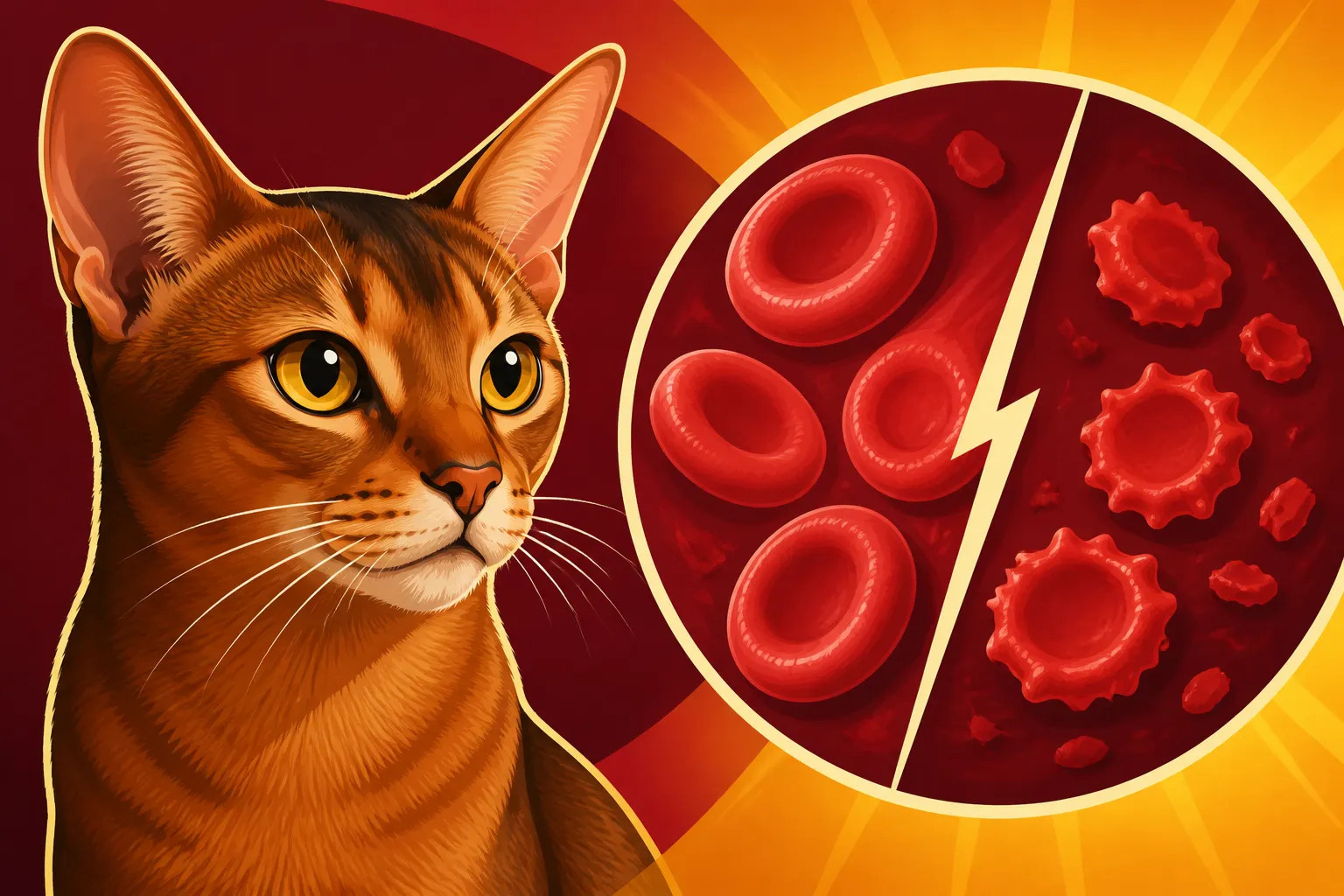
The consequences of this energy failure are profound. Lacking adequate ATP, the red blood cells become metabolically crippled. They can't maintain their normal biconcave disc shape, becoming rigid and fragile instead. Their internal systems for pumping ions and maintaining fluid balance begin to fail, making them vulnerable to swelling and rupture. This internal vulnerability means they are ill-equipped to handle the stresses of circulating through the body's vast network of blood vessels. It’s like trying to run a marathon on an empty stomach; eventually, you’re going to collapse. This internal weakness is exactly Why an Abyssinian's Red Cells Break Down Early.
The Shortened Lifespan of PK Deficient Red Cells
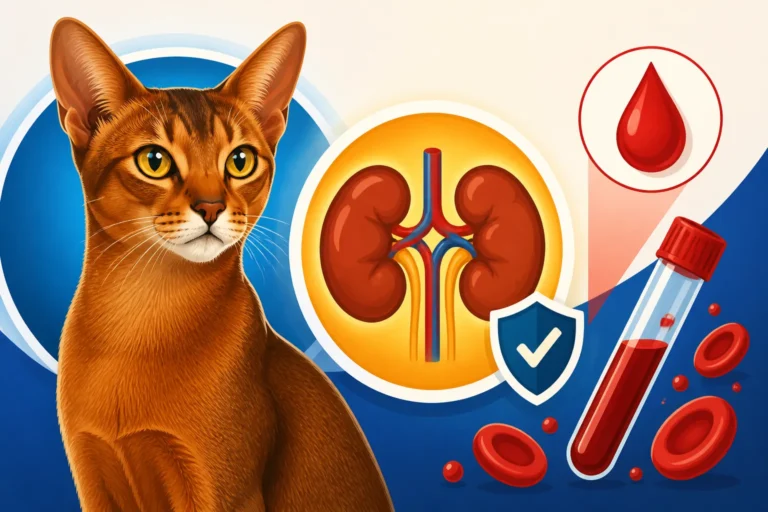
The fragility caused by insufficient ATP production leads directly to the premature destruction of the red blood cells, a process called hemolysis. Normally, a healthy cat's red blood cells have a lifespan of around 70-80 days, diligently circulating oxygen throughout the body before being naturally recycled. For an Abyssinian with PK Deficiency, this lifespan is drastically cut short, sometimes to just a few days or weeks.
As these fragile red blood cells travel through the spleen, a vital organ responsible for filtering old or damaged blood cells, they are unable to withstand the squeezing and filtering action. Their abnormal shape and stiffness make them "stick out" to the spleen, which then promptly removes them from circulation. This constant, accelerated destruction of red blood cells far outpaces the bone marrow's ability to produce new ones. The result is chronic regenerative anemia, where the body is constantly trying to make up for the massive loss of red cells, but simply can't keep up. This leads to a persistent, often fluctuating, state of low red blood cell count, directly impacting the cat's ability to transport oxygen effectively.
The Clinical Signs of Anemia in PK Deficient Abyssinians
Understanding the cellular mechanics is one thing, but witnessing the physical impact on your Abyssinian is quite another. Because the red blood cells are so crucial for oxygen transport, PK deficiency manifests primarily as anemia, which can range from subtle to acutely severe.
Recognizing Intermittent Anemia
One of the most challenging aspects of PK Deficiency is its often intermittent nature. Cats with the condition might appear perfectly normal for periods, full of their typical Abyssinian zest, only to suddenly crash into a severe anemic episode. This "waxing and waning" pattern makes early diagnosis tricky and often incredibly frustrating for owners who know something is off but can't pinpoint it. What Intermittent Anemia Looks Like in an Abyssinian can vary widely, but typically includes:
- Subtle Lethargy: Your usually energetic Abyssinian might be a bit less playful, sleep more than usual, or simply not be as enthusiastic about their favorite games. This can be easy to dismiss as just a "lazy day."
- Reduced Appetite: A slight dip in interest in food, or taking longer to finish meals, can be an early indicator.
- Weight Loss: Though Abyssinians are naturally lean, any unexplained weight loss, especially when accompanied by other signs, is a red flag.
- Exercise Intolerance: They might tire out quickly during play, pant more, or show less interest in climbing or running. A cat that normally loves to scale the highest cat tree might opt for lower perches.
- Pale Gums: This is a key indicator, but can be hard to spot in a cat with darker pigmentation around the mouth. Gently lift your cat's lip to check the color of their gums. Healthy gums are bubblegum pink. Anemic gums will appear pale pink, nearly white, or even bluish in severe cases.
These signs often appear gradually, making it easy to overlook them until an acute crisis hits. Keeping a close eye on your Abyssinian's baseline energy and appetite is vital.
Visible Symptoms of Hemolytic Crisis
When an Abyssinian with PK Deficiency enters a full-blown hemolytic crisis, the symptoms become far more pronounced and alarming. This is an emergency situation where immediate veterinary intervention is required.
- Profound Lethargy and Weakness: The cat will be extremely tired, unwilling to move, and may collapse. This isn't just a "quiet day;" it's a cat struggling to function. Why a Lethargic Abyssinian Needs Blood Work Fast cannot be overstated.
- Severe Pale Gums: Their gums will be strikingly white or ghostly pale due to the critical lack of red blood cells.
- Jaundice (Icterus): As red blood cells break down, they release bilirubin, a yellow pigment. The liver processes bilirubin, but during a rapid hemolytic episode, the liver can get overwhelmed. This leads to yellowing of the skin, whites of the eyes, and inner ears.
- Enlarged Spleen: The spleen works overtime to filter out the damaged red cells, causing it to swell. A vet might be able to feel an enlarged spleen during examination.
- Increased Respiratory Rate and Heart Rate: The body attempts to compensate for the lack of oxygen by breathing faster and the heart pumping harder.
- Dark Urine: Hemoglobin, released from the broken-down red cells, can be excreted in the urine, giving it a dark orange or brown tint.
If you observe any of these severe signs, do not wait. Get your Abyssinian to an emergency vet clinic immediately. Timely treatment can make a significant difference in outcomes during a crisis.
| Feature | Healthy Red Blood Cell | PK Deficient Red Blood Cell |
|---|---|---|
| Pyruvate Kinase Enzyme | Fully Functional | Defective or Absent |
| ATP Production | Ample, Sustained | Insufficient, Impaired |
| Cell Shape & Flexibility | Biconcave, Flexible | Rigid, Fragile, Abnormal |
| Lifespan | 70-80 days (Normal) | Days to Weeks (Severely Shortened) |
| Oxygen Transport | Highly Efficient | Compromised, Inefficient |
| Destruction Rate | Normal Turnover | Accelerated Hemolysis |
| Energy Needs | Met by Glycolysis | Energy Deprived |
Diagnosing and Managing PK Deficiency
The good news is that advancements in veterinary medicine and genetic understanding mean we can now accurately diagnose PK Deficiency and offer supportive care to affected cats. Early detection, especially through genetic testing, is key.
Genetic Testing for PKLR Mutation
For owners and especially for breeders, genetic testing is the most definitive way to identify whether an Abyssinian is clear, a carrier, or affected with PK Deficiency. How the Abyssinian's DNA Panel Is Ordered usually involves a simple, non-invasive cheek swab collected by your vet or even at home. This sample is then sent to a specialized veterinary genetics lab for analysis.
The results will typically come back in one of three categories:
- N/N (Clear): The cat has two normal copies of the PKLR gene and will not develop PK Deficiency, nor will it pass the mutation on to its offspring.
- N/PK (Carrier): The cat has one normal copy and one mutated copy of the gene. This cat is a carrier, meaning it will not typically show symptoms of PK Deficiency, but can pass the mutated gene to 50% of its offspring. Understanding How a Carrier Abyssinian Differs From an Affected One is crucial, as carriers are often healthy but still play a role in the genetics of the breed.
- PK/PK (Affected): The cat has two copies of the mutated gene and will develop PK Deficiency. These cats will experience hemolytic anemia, often starting young, though symptoms can appear later in life. When PK Deficiency First Shows in an Abyssinian can vary, but it's often within the first few years of life.
This genetic test is invaluable. For potential kitten buyers, it's essential to ensure the parents of any Abyssinian kitten have been tested and are clear or, at the very least, that one parent is clear to avoid affected kittens.
Supportive Care for Affected Abyssinians
Unfortunately, there is no cure for PK Deficiency. The goal of managing an affected Abyssinian is to provide supportive care to alleviate the symptoms of anemia and improve their quality of life. This can be a long-term commitment that requires close collaboration with your veterinarian. How an Anemic Abyssinian Is Treated often involves several approaches:
- Blood Transfusions: During severe anemic crises, a blood transfusion can be life-saving, providing immediate red blood cell support to stabilize the cat. This is a temporary measure, buying time while the cat's own body attempts to regenerate red cells.
- Splenectomy: In some cases, removing the spleen (splenectomy) can be considered. Because the spleen is the primary organ responsible for filtering out and destroying the fragile PK-deficient red cells, its removal can significantly extend the lifespan of these cells, thereby reducing the severity and frequency of anemic episodes. However, a splenectomy is not a cure and carries its own risks and potential complications. You can learn more about How a Splenectomy Helps an Anemic Abyssinian.
- Medications: Steroids or other immunosuppressants are sometimes used, though their efficacy for PK deficiency specifically is limited, as the issue is not autoimmune. Iron supplements are generally not helpful as the anemia is not due to iron deficiency.
- Dietary Support: A high-quality, balanced diet is always important, but there aren't specific diets that "cure" PK Deficiency. Ensuring good hydration and nutrition supports overall health.
- Minimizing Stress: Stress can sometimes trigger or worsen anemic episodes, so a calm, consistent home environment is beneficial.
Living with an Abyssinian affected by PK Deficiency means being prepared for the possibility of medical interventions. This can certainly be a financial strain, but pet insurance can be a real lifeline. Companies like Healthy Paws offer comprehensive plans that can help cover unexpected vet bills, making it easier to provide the best possible care without constant worry about costs. While Whether an Abyssinian With PK Deficiency Can Live Normally is a common question, with careful management, many affected Abyssinians can live fulfilling, albeit sometimes shorter, lives.
Breeding Considerations and Prevention
Responsible breeding is the cornerstone of protecting the Abyssinian breed from genetic diseases like PK Deficiency. Breeders have a moral and ethical obligation to ensure they are not perpetuating conditions that cause suffering in their kittens.
Why Carrier Abyssinians are Important
As discussed, carrier Abyssinians carry one copy of the mutated PKLR gene but do not exhibit symptoms of the disease. They appear completely healthy and often live long, normal lives. This is precisely why they are so important and why genetic testing is non-negotiable for anyone involved in breeding. If a carrier Abyssinian is bred with another carrier Abyssinian, statistically, 25% of their offspring will be affected (PK/PK), 50% will be carriers (N/PK), and 25% will be clear (N/N).
This means that healthy-looking carrier cats can, and do, produce affected kittens if mated with another carrier. Without genetic testing, breeders would be unknowingly contributing to the problem, leading to heartache for new kitten owners and continued prevalence of the disease within the breed. The goal is to identify these carriers and make informed decisions to avoid affected pairings.
Eliminating PK Deficiency from Breeding Lines
The strategy for responsible breeders is clear: never breed two PK Deficiency carriers together. By testing all breeding animals, breeders can make informed mating choices. A carrier cat can still be safely bred to a cat that is genetically clear (N/N). In such a pairing, none of the kittens will be affected, though approximately 50% will be carriers. These carrier offspring can then be tested, and responsible owners can ensure they are also only bred to clear mates, gradually reducing the prevalence of the gene in the overall population. This careful selection process is vital for the long-term health of the Abyssinian breed.
The long-term vision is to systematically reduce the frequency of the PKLR mutation within the breed without excessively narrowing the gene pool, which could lead to other genetic problems. While some might advocate for removing all carriers from breeding programs, this can be detrimental to genetic diversity, especially given that Why PK Deficiency Reaches Somalis and Abyssinians Alike shows how widely the gene has spread. A more sustainable approach involves strategic breeding to clear the lines over generations, using carriers responsibly and always pairing them with clear mates. This commitment to genetic health helps ensure that future generations of Abyssinians can live their active, mischievous lives free from the shadow of PK Deficiency.
Disclaimer
This article is intended for informational purposes only and does not constitute professional veterinary advice. Always consult with a qualified veterinarian for any health concerns or before making any decisions about your pet's care. Genetic testing and treatment protocols should be discussed with a veterinary professional.