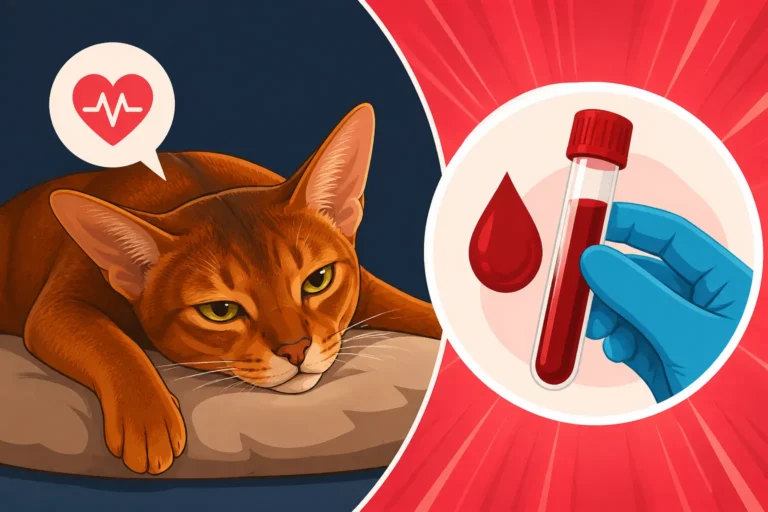
Why an Abyssinian With PK Deficiency Comes and Goes
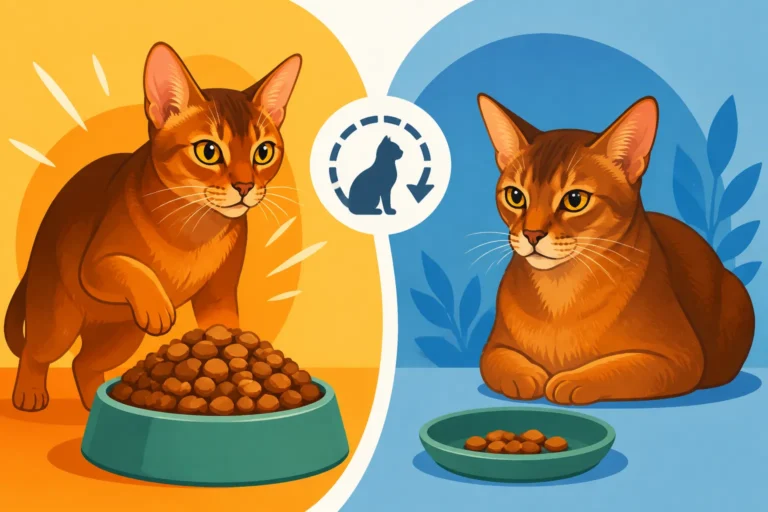
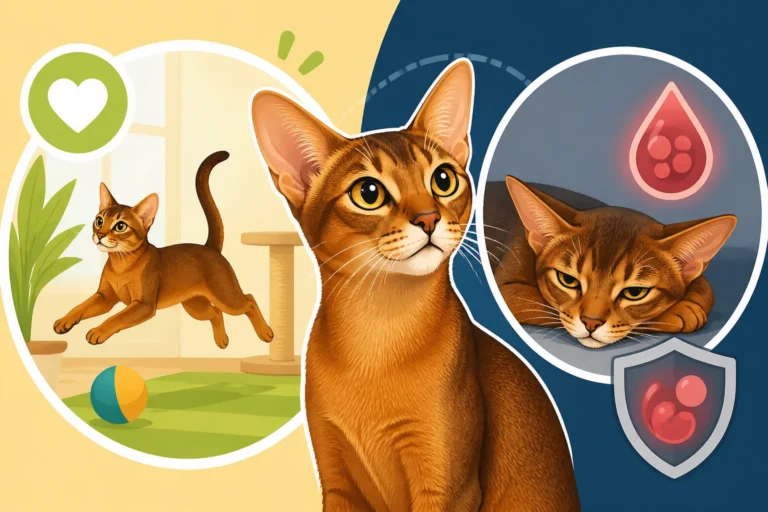
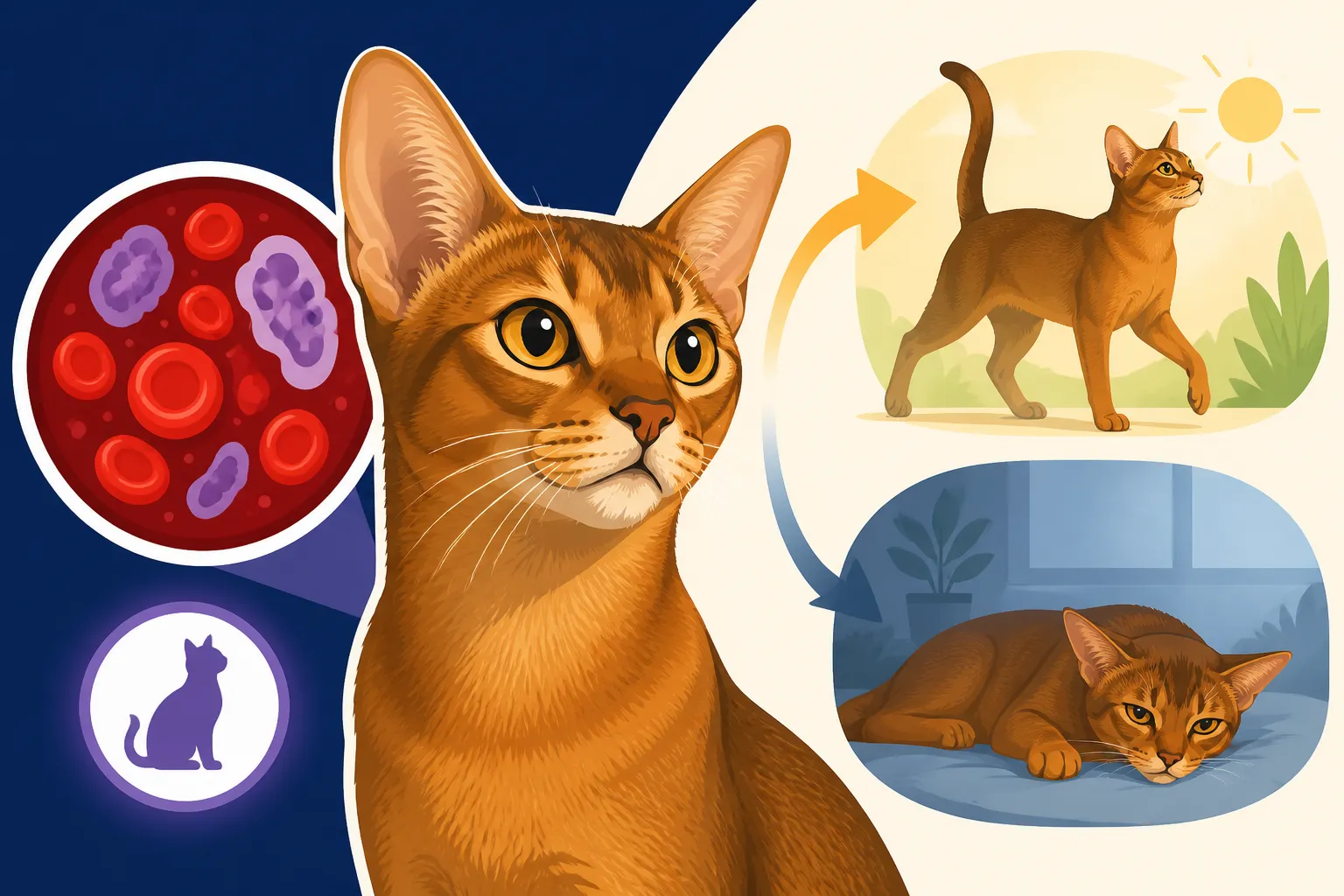
It can be incredibly frustrating and frankly, quite worrying, when your beloved Abyssinian seems perfectly fine one day, full of their usual spirited energy, only to become quiet, listless, and even a little pale the next. This perplexing cycle of "on" and "off" days is a hallmark experience for many owners navigating Pyruvate Kinase Deficiency (PKD) in their Abyssinian cats. This guide will delve into why this genetic condition causes such intermittent symptoms and how you can better understand and support your cat through its unpredictable nature.
The Core Challenge of Pyruvate Kinase Deficiency in Abyssinians
Pyruvate Kinase Deficiency is a genetic metabolic disorder that primarily affects the red blood cells of certain cat breeds, including our vibrant Abyssinians. Understanding the underlying mechanism is crucial to grasping why its symptoms can be so frustratingly inconsistent.
Understanding the Genetic Root
At its heart, PK Deficiency stems from a faulty PKLR gene. This gene is responsible for producing the enzyme pyruvate kinase, which is absolutely vital for the survival and proper function of red blood cells. Think of pyruvate kinase as a tiny but mighty engine within each red blood cell, producing the energy needed for that cell to do its job – carrying oxygen throughout your cat's body – and maintain its structural integrity. Without enough of this enzyme, the red blood cells become fragile and prone to premature destruction.
The inheritance pattern for PK Deficiency is autosomal recessive. This means a cat must inherit two copies of the faulty PKLR gene – one from each parent – to actually develop the disease and be "affected." If they only get one copy, they become a "carrier." A carrier cat won't show any symptoms of the disease itself, but they still carry the potential to pass the faulty gene on to their offspring. This is why you'll often hear breeders discussing the importance of knowing How a Carrier Abyssinian Differs From an Affected One. Understanding How the PKLR Mutation Reaches an Abyssinian through breeding lines is crucial for responsible breeding practices and preventing the disease from spreading.
The Breakdown of Red Blood Cells
When an Abyssinian cat is affected by PK Deficiency, those fragile red blood cells, lacking the necessary pyruvate kinase enzyme, cannot produce energy efficiently. This makes them unstable, and they begin to break down much faster than normal, healthy red blood cells. This early destruction leads directly to hemolytic anemia, which is when the body doesn't have enough healthy red blood cells to carry adequate oxygen to its tissues. It's a bit like a car trying to run on an engine that keeps sputtering and failing; the essential transport system isn't working as it should.
This continuous, albeit sometimes slow, process of red blood cell destruction is exactly Why an Abyssinian's Red Cells Break Down Early. The body is constantly trying to keep up, but it's a losing battle without the right machinery in place. The symptoms we see are a direct consequence of this struggle to oxygenate the body. In milder cases, or during periods when the body's compensatory mechanisms are doing a good job, the cat might appear quite normal. However, the underlying issue is always present, making them susceptible to periods of more noticeable illness. This is fundamentally What PK Deficiency Does to an Abyssinian's Red Cells.
Why Symptoms Wax and Wane: The Intermittent Nature of the Disease
One of the most perplexing aspects of Pyruvate Kinase Deficiency for owners is the "comes and goes" nature of the symptoms. It’s not a steady decline but rather a rollercoaster of good days and bad days, which can make it hard to pinpoint exactly when something is wrong.
The Body's Compensatory Mechanisms
The reason for this intermittent presentation lies in the incredible, albeit ultimately limited, ability of your Abyssinian's body to compensate for the ongoing destruction of red blood cells. When red blood cells are destroyed prematurely, the body's bone marrow, which is the factory for new blood cells, kicks into overdrive. It works tirelessly to produce new red blood cells to replace the ones being lost, trying desperately to maintain a healthy packed cell volume (PCV) and oxygen-carrying capacity.
Alongside the bone marrow, the spleen also plays a significant role. The spleen acts as a filter, removing old and damaged red blood cells from circulation. In cats with PK Deficiency, the spleen becomes overworked, filtering out an excessive number of these fragile cells. Over time, this can lead to the spleen becoming enlarged as it tries to keep up with the constant demand. These compensatory efforts can be quite effective for a period, sometimes even for years. During these times, your Abyssinian might appear completely healthy, full of life, and show no outward signs of their underlying condition. However, it's a fragile balance, and these mechanisms aren't limitless. They can mask the severity of the disease, making the sudden onset of symptoms even more alarming when they do occur.
Triggers for Anemic Episodes
While the body has impressive compensatory abilities, there are limits. An "anemic episode" or crisis occurs when the rate of red blood cell destruction suddenly outpaces the body's ability to produce new ones, or when the body's demand for oxygen significantly increases. This is when the "comes and goes" aspect becomes most apparent.
Common triggers for these symptomatic episodes often involve any form of stress, be it physical or physiological. Acute illnesses, such as bacterial or viral infections, can place immense strain on a cat's system, causing their oxygen demands to rise sharply. Environmental stress, like moving to a new home, the introduction of a new pet, or even significant changes in routine, can also overwhelm a cat's ability to compensate. Intense physical exertion or any event that causes increased metabolic demand can also precipitate a crisis. For instance, a cat that usually plays hard might suddenly crash after a particularly vigorous play session because their oxygen supply simply can't keep up. These triggers push the already struggling system past its breaking point, leading to the visible signs of anemia. Understanding these triggers is key to appreciating What Intermittent Anemia Looks Like in an Abyssinian and taking preventative measures to maintain stability.
Recognizing the Signs of an Active PK Deficiency Crisis
When an Abyssinian cat is experiencing an active PK Deficiency crisis, the signs are typically those associated with severe anemia and a lack of oxygen in the body. However, because Abyssinians are so inherently energetic, these signs might be subtle at first, making it crucial for owners to be vigilant.
Visible Indicators of Anemia
One of the earliest and most telling signs of an anemic episode is a marked change in your cat's energy levels. Your typically playful and boisterous Abyssinian might become unusually lethargic, sleeping more than usual, showing less interest in games, or simply moving with a noticeable lack of enthusiasm. They might seem generally weaker, struggling to jump onto their favorite high perch or even moving slowly during what would normally be a sprint. This quietness is often a red flag in such a high-energy breed.
A primary visual cue for anemia is the color of their mucous membranes, specifically their gums. Normally, an Abyssinian's gums should be a healthy bubblegum pink. During an anemic crisis, these membranes will become noticeably pale, sometimes even appearing white or bluish. This paleness is a direct result of the reduced red blood cell count and diminished oxygen circulation. So, if you're ever worried, a quick check of your cat's gums can provide an immediate indication. This is precisely How Pale Gums Show Up on an Abyssinian and why it's such an important symptom to recognize. In some cases, particularly as red blood cells are broken down and bilirubin builds up, you might also notice a yellowish tinge to their skin, the whites of their eyes, or their gums, known as jaundice. This indicates the liver is struggling to process the waste products from the rapid red cell destruction.
Behavioral and Systemic Changes
Beyond physical paleness and lethargy, you'll likely observe significant behavioral shifts in your Abyssinian during an anemic episode. An affected cat might lose its appetite, refusing meals or only picking at food, leading to noticeable weight loss over time. They might start hiding more than usual, seeking out quiet, secluded spots where they won't be disturbed. This withdrawal is a stark contrast to the typical "velcro" nature of Abyssinians who love to be involved in everything their humans are doing. A normally curious and interactive cat becoming distant is always a cause for concern. Remember, Why a Lethargic Abyssinian Needs Blood Work Fast is because lethargy is often the only sign that something serious is amiss.
Furthermore, you might notice changes in their breathing. They could have an increased respiratory rate or seem to be breathing with more effort, especially after even minimal exertion. Their heart rate might also be elevated as the heart tries to compensate for the lack of oxygen by pumping blood faster. Since Abyssinians are known for their athleticism, a cat that suddenly stops using its climbing shelves or avoids jumping altogether is certainly telling you something important. Observing these subtle yet significant shifts in behavior and physical presentation is crucial for owners, as early recognition can significantly impact the outcome of an anemic crisis.
Living with PK Deficiency: Management and Support
While PK Deficiency is a serious genetic condition, it doesn't mean a diagnosis spells immediate doom. With diligent care, understanding, and proactive management, many Abyssinians with PK Deficiency can lead relatively full and happy lives, even if their journey is a bit more unpredictable.
The Importance of Early Diagnosis and Monitoring
For any Abyssinian, especially one from a breeding line where PK Deficiency has been identified, early and accurate diagnosis is paramount. DNA testing can identify affected cats long before symptoms ever appear, giving owners a significant head start. Knowing When PK Deficiency First Shows in an Abyssinian can vary widely, but often the disease is present from birth, even if symptoms are delayed. This is why it's so important that you know What an Abyssinian Breeder Should Have Tested Before You Buy. A responsible breeder will provide proof of genetic testing for both parents.
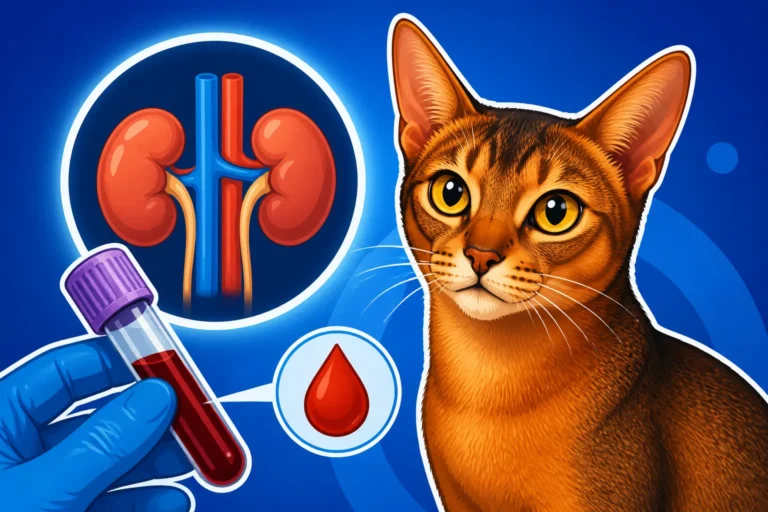
Once diagnosed, regular veterinary check-ups become a lifeline. Your vet will likely recommend routine blood work, including a packed cell volume (PCV) to monitor the red blood cell count and reticulocyte counts to assess the bone marrow's compensatory efforts. These numbers can provide early warnings of an impending crisis, even before visible symptoms appear. Maintaining a consistent, low-stress home environment is also incredibly important. By minimizing potential triggers for episodes – such as sudden changes, loud noises, or overly strenuous activity – you can help your cat's body maintain its delicate balance. A stable environment supports their overall health and reduces the chances of those sudden, debilitating drops in energy.
Treatment and Long-Term Care Strategies
Managing acute anemic episodes in an Abyssinian with PK Deficiency often requires immediate veterinary intervention. How an Anemic Abyssinian Is Treated will depend on the severity of the crisis. In severe cases, where the red blood cell count drops dangerously low, blood transfusions may be necessary to stabilize your cat. This is a critical intervention that can literally save your cat's life by providing a temporary boost of healthy red blood cells. When an Anemic Abyssinian Needs a Transfusion is a decision your vet will make based on your cat's PCV and clinical signs.
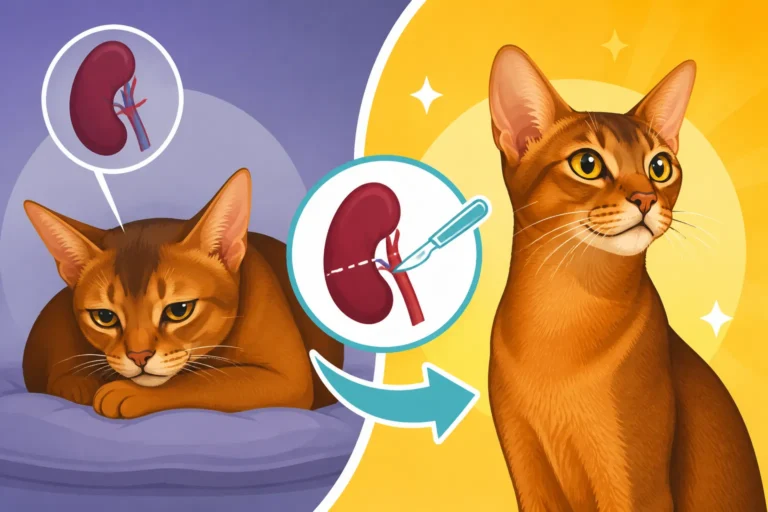
In some affected cats, a splenectomy – the surgical removal of the spleen – can be considered. Because the spleen is a primary site where fragile red blood cells are destroyed, removing it can sometimes reduce the rate of red blood cell destruction, thus lessening the severity and frequency of anemic crises. However, a splenectomy is not a cure and comes with its own risks and considerations; it's a decision to be made carefully with your veterinarian. How a Splenectomy Helps an Anemic Abyssinian is by removing a major player in the red cell destruction process. The long-term prognosis for Abyssinians with PK Deficiency varies greatly, but with vigilant management, many can enjoy a good quality of life. The question of Whether an Abyssinian With PK Deficiency Can Live Normally is complex, but the answer often leans towards yes, provided they receive attentive and informed care throughout their lives. It's important to be prepared for the ongoing veterinary costs associated with chronic conditions, and many owners find pet insurance, like plans from Healthy Paws, invaluable for covering these often substantial expenses.
Creating a Stable and Supportive Home Environment
Beyond medical interventions, creating a consistently stable and supportive home environment is perhaps the most powerful tool an owner has for managing an Abyssinian with PK Deficiency. Think about minimizing stress in every aspect of their life:
- Routine: Stick to a predictable schedule for feeding, playtime, and sleep. Cats thrive on routine, and for a cat with a chronic condition, it can be even more vital.
- Quiet Spaces: Ensure your Abyssinian has access to safe, quiet, and elevated retreats where they can rest undisturbed. Abyssinians love to climb, so provide comfortable, easily accessible high perches.
- Enrichment: Offer stimulating but not overly strenuous enrichment. Puzzle feeders, moderate play sessions with wand toys, and window perches can keep their minds active without overexerting their bodies.
- Nutrition and Hydration: A high-quality, easily digestible diet supports overall health. Ensure constant access to fresh water, perhaps even offering a cat fountain, as good hydration is crucial for all bodily functions.
Maintaining open and frequent communication with your veterinary team is essential. They are your primary resource for understanding your cat's specific needs and staying informed about any new research or treatments that might emerge. Being prepared for potential emergencies and having a clear plan in place with your vet can alleviate much of the anxiety that comes with managing an unpredictable condition. Financial planning is also a real consideration, as chronic conditions can incur significant costs over a cat's lifetime. Services from providers like Healthy Paws can offer peace of mind, helping to cover unexpected and ongoing treatments, allowing you to focus on your cat's well-being without added financial strain.
| Stage | Description | Key Characteristics | Owner Observation |
|---|---|---|---|
| Carrier | Cat carries one copy of the gene, but does not show symptoms. | No visible illness. Normal lifespan expected. | Only detectable via DNA test. |
| Asymptomatic Affected | Cat has two copies, but compensatory mechanisms mask disease. | Normal energy, appetite for periods. RBCs still breaking down. | Appears healthy, but vet might note subtle blood work changes. |
| Intermittent Anemia | Symptoms appear during stress or illness, then resolve partially or fully. | Lethargy, pale gums, reduced activity, then brief recovery. | Owner notices "off" days followed by improved periods. |
| Chronic Anemia | Persistent, worsening symptoms; compensatory mechanisms are failing. | Constant lethargy, very pale gums, weight loss, jaundice. | Cat is consistently unwell, requires ongoing medical intervention. |
Disclaimer
The information provided in this article is for general informational purposes only and is not a substitute for professional veterinary advice. Always consult with a qualified veterinarian for any health concerns or before making any decisions related to your pet's care.