Whether Anything Slows Retinal Atrophy in an Abyssinian
Discovering that your beloved Abyssinian might be losing their sight due to Progressive Retinal Atrophy (PRA-rdAc) is a truly heart-wrenching experience for any devoted cat parent. The fear that comes with a diagnosis of a genetic, progressive condition can feel overwhelming, leaving you desperate for any glimmer of hope that the disease can be slowed or stopped. This comprehensive guide will compassionately delve into the realities of PRA-rdAc in Abyssinians, explore the current scientific understanding of treatments, and offer practical, empathetic advice on managing and enriching the life of your visually impaired companion.
Understanding Progressive Retinal Atrophy in Abyssinians
Progressive Retinal Atrophy, specifically the rdAc form, is a condition that slowly, but inevitably, diminishes an Abyssinian's eyesight. It's not a sudden event but a gradual erosion of vision that can be incredibly distressing to witness. Understanding precisely what's happening to their eyes and why is the first step in navigating this journey.
What PRA-rdAc Does to an Abyssinian's Vision
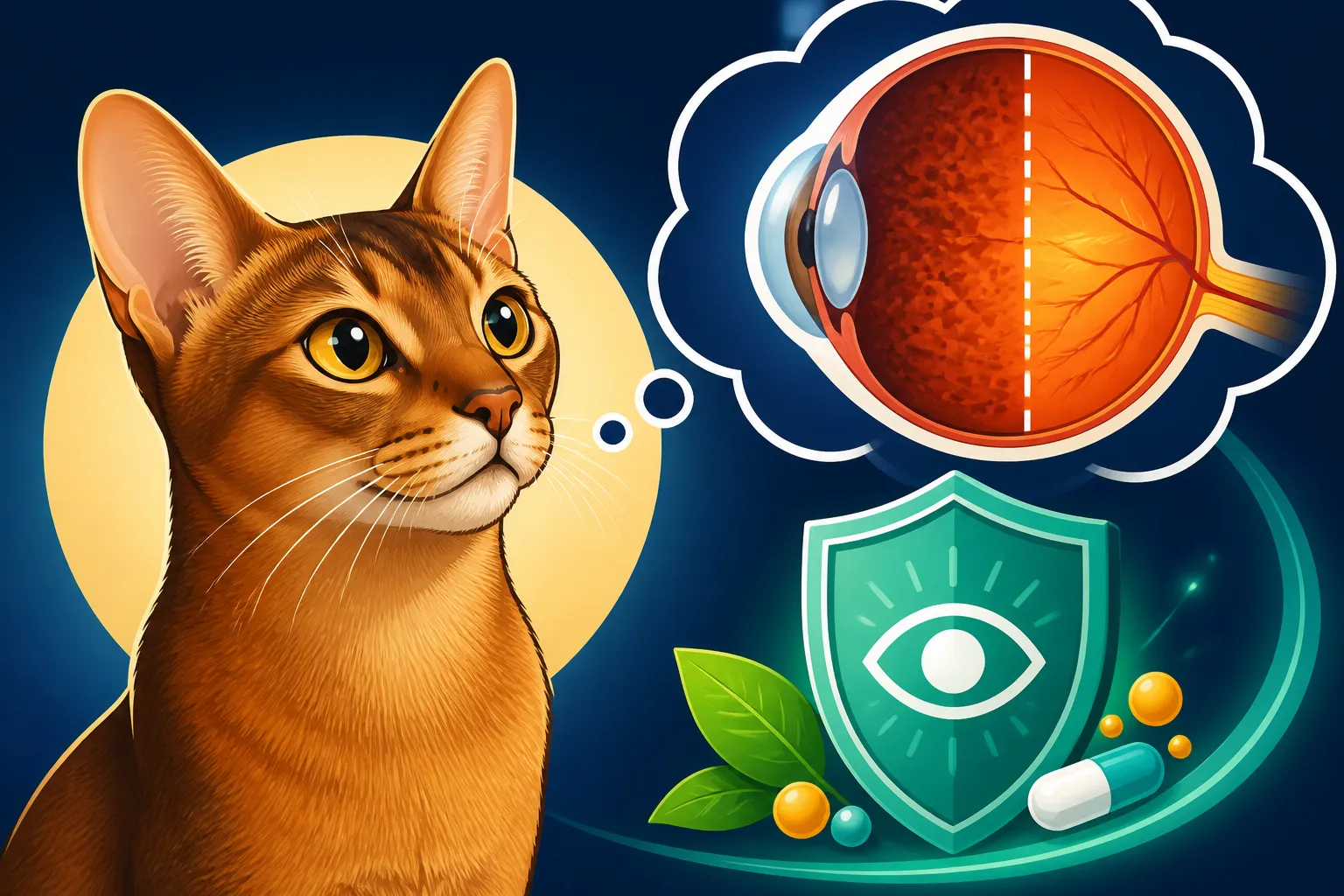
At its core, PRA-rdAc is a genetic condition caused by a specific mutation in the CEP290 gene. This gene is vital for the proper development and function of the photoreceptor cells in the retina – those specialized cells responsible for detecting light. In Abyssinians affected by PRA-rdAc, these photoreceptor cells, primarily the rods (which handle night vision and peripheral sight) and then the cones (responsible for daylight vision and color perception), gradually degenerate and die off. Imagine trying to see the world through a steadily darkening, blurring lens – that's somewhat akin to what your Abyssinian experiences.
The process usually begins subtly, impacting night vision first. Your playful cat, who once navigated your home with fearless grace in the dark, might start to hesitate, bump into furniture, or even become a bit clumsier in low-light conditions. As the disease progresses, it encroaches on their daylight vision, eventually leading to complete blindness. It's a cruel condition because it targets such a fundamental aspect of their active, curious nature. This progression is why many refer to it as a disease where PRA-rdAc Takes an Abyssinian's Sight by Five, often indicating a relatively early onset of significant vision impairment.
The Typical Progression of Vision Loss
The onset and speed of PRA-rdAc can vary somewhat, but typically, the first noticeable signs tend to manifest when an Abyssinian is between 1.5 and 2 years old, though some might show signs earlier or later. It's rarely a sudden loss of sight; instead, it’s a slow, creeping process. You might first observe that When an Abyssinian's Night Vision Goes First, your cat might start moving more cautiously at dusk or dawn. They might be less willing to jump onto familiar high places in dimly lit rooms, or you might notice them bumping into objects they previously navigated effortlessly.
These subtle changes can be easy to miss at first, especially with an Abyssinian’s incredible adaptability and their tendency to compensate by relying more on their other keen senses like hearing and smell. You might find them more startled by unexpected movements or sounds, as they can no longer visually track things as easily. As the condition advances, their pupils might appear more dilated, even in bright light, as their eyes try to gather every bit of available light. A veterinary ophthalmologist is crucial for diagnosis, as they can perform specific tests like an electroretinogram (ERG) to assess retinal function and definitively How a Vet Confirms Retinal Atrophy in an Abyssinian. Early diagnosis, while not offering a cure, allows you to begin adapting your home and routines to support your cat as their vision diminishes. It helps you understand What an Abyssinian Does First as Its Sight Goes, so you can be prepared.
Current Research and Treatments: Can We Slow It Down?
This is often the question that weighs most heavily on the hearts of Abyssinian owners: can we intervene? Can we slow this down, or even stop it? The reality, while challenging, is that science is always advancing, and while a simple "cure" for PRA-rdAc isn't yet available, there are ongoing efforts and management strategies to consider.
The Frustrating Reality of Genetic Diseases
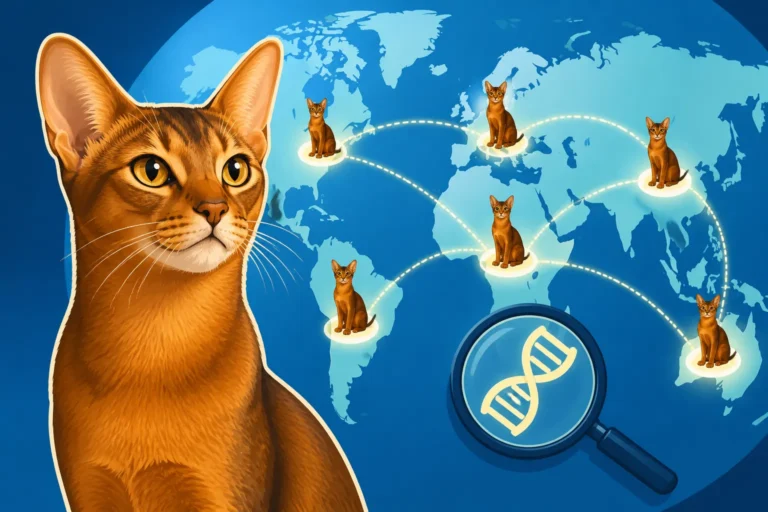
When facing a diagnosis of a genetic disease like PRA-rdAc, one of the most frustrating aspects is the current lack of a readily available cure. Unlike infections or injuries, where medication or surgery can often fix the problem, genetic conditions stem from a fundamental flaw in the cat's own DNA. This makes treatment incredibly complex. Breeders have a vital role in controlling the spread of this condition through responsible breeding practices, ensuring that Why Two Clear Abyssinian Parents End the Problem by utilizing genetic testing for the CEP290 mutation. This test can reliably How the CEP290 Test Clears an Abyssinian as either clear, a carrier, or affected, enabling breeders to make informed decisions to prevent affected kittens.
For those of us with an already affected cat, the focus shifts from prevention to support and, hopefully, in the future, treatment. It's emotionally taxing to know that a condition is progressing without a definitive way to halt it. This heartache is completely valid, and it's essential to allow yourself to feel it while also focusing on providing the best possible quality of life for your Abyssinian.
Nutritional Approaches and Supplements
Many owners, understandably, look to nutritional interventions and supplements as a potential way to slow the progression of PRA-rdAc. The market is saturated with various eye health supplements for pets, often containing ingredients like Omega-3 fatty acids, antioxidants (such as Vitamins A, C, and E), taurine, lutein, and zeaxanthin. These ingredients are often lauded for their general benefits to eye health in other species or for conditions like cataracts, but the crucial question is their efficacy specifically for slowing the degeneration caused by PRA-rdAc.
The honest truth is that, at present, there is no strong scientific evidence to suggest that any specific nutritional supplement can reliably slow the progression of PRA-rdAc in Abyssinians. While a well-balanced diet rich in essential nutrients is always beneficial for overall health, and some antioxidants might theoretically offer some cellular protection, they cannot reverse or stop the genetic degeneration of photoreceptors. It's always wise to discuss any dietary changes or supplements with your veterinarian or a board-certified veterinary ophthalmologist. They can help you sift through the marketing claims and ensure any supplements you consider are safe and won't interact negatively with your cat's health.
For owners looking ahead, it's worth noting that if specialized diagnostics or expensive consultations with a veterinary ophthalmologist become necessary, especially if new treatment trials emerge, having robust pet insurance like Healthy Paws can be an absolute lifesaver. While it might not cover existing conditions, a good policy can help mitigate the financial stress of managing a cat with a progressive condition.
Emerging Therapies and Gene Therapy Research
The field of veterinary ophthalmology is dynamic, with scientists continually researching potential breakthroughs. Gene therapy, in particular, holds significant promise for inherited retinal diseases like PRA-rdAc. The concept behind gene therapy is to introduce a healthy copy of the defective gene into the retinal cells, effectively replacing or supplementing the faulty one. This is a highly complex and cutting-edge area of research.
There have been successful gene therapy trials for certain forms of PRA in other breeds (like the RPE65 mutation in Briard dogs, which led to an FDA-approved treatment). For the CEP290 mutation that causes rdAc in Abyssinians, research is ongoing at various institutions, but a widely available, clinically proven gene therapy isn't yet on the market. These therapies often involve delicate surgical procedures to inject the viral vectors (which carry the healthy gene) directly into the eye.
While exciting, it’s important to manage expectations. Clinical trials are typically expensive, have strict eligibility criteria, and are often only available at specialized veterinary university hospitals (e.g., at the University of Pennsylvania's School of Veterinary Medicine or Michigan State University). If your Abyssinian's condition fits a future trial, it would represent a significant opportunity. In such cases, if you have comprehensive coverage, providers like Healthy Paws can be invaluable in helping to cover the specialized diagnostics, referrals, and potentially some treatment costs associated with cutting-edge therapies or enrollment in trials, allowing you to explore every possible option.
Managing Life with a Visually Impaired Abyssinian
While we wait for scientific breakthroughs, the most impactful thing you can do for your Abyssinian is to create an environment that supports their changing needs and maintains their excellent quality of life. Visually impaired Abyssinians can still lead incredibly happy, fulfilling lives with thoughtful adaptation.
Adapting the Home Environment
The key to helping a visually impaired Abyssinian is consistency and thoughtful design. These cats are incredibly intelligent and adaptable, quickly learning to map their surroundings through memory, scent, and touch. The absolute golden rule is: do not move furniture around. Once your Abyssinian has learned the layout of your home, even small changes can be disorienting and anxiety-inducing. Imagine trying to navigate your own home in the dark if someone kept moving the coffee table! We've discussed this before when exploring What Not to Move Around a Blind Abyssinian.
- Maintain Consistent Layouts: Keep food and water bowls, litter boxes, and favorite sleeping spots in fixed locations.
- Clear Pathways: Ensure pathways are always free of clutter. Toys, shoes, or bags left in unexpected places can cause bumps and falls.
- Use Sound and Scent Cues: You can use subtle scent markers (e.g., a drop of essential oil diluted in water on a specific piece of furniture) or even different textures of mats in key areas to help your cat navigate. A gentle bell on your own shoe can also alert them to your presence.
- Safe Elevated Perches: Abyssinians are natural climbers. While their vision diminishes, they'll still have the instinct to seek height. Ensure their favorite cat trees or wall shelves are stable, easy to access via ramps or clearly defined steps, and that their climbing routes are consistent and safe. They still need to exercise that instinct; remember, Why a Blind Abyssinian Still Climbs.
- Lighting: While they can't see, maintaining consistent lighting (e.g., leaving a nightlight on in certain areas) can help them distinguish between lighter and darker areas, especially in the transitional stages of the disease.
Creating this predictable environment helps How a Blind Abyssinian Maps a House with confidence, allowing them to remain the agile, curious cats you know and love.
Enrichment and Maintaining Quality of Life
A visually impaired Abyssinian still needs mental and physical stimulation. Their other senses become even more acute, and you can leverage these to provide rich, engaging experiences.
- Sound-Based Toys: Replace silent toys with those that jingle, crinkle, or have electronic sounds. Ping-pong balls can be a lot of fun.
- Scent-Based Play: Catnip-filled toys, puzzle feeders that require them to use their nose to find treats, and even hiding small portions of their food around the house for them to 'hunt' can be incredibly enriching.
- Interactive Play: Keep using wand toys, but focus on dragging them along the floor or rustling them to create sounds your cat can track. Let them "catch" the toy regularly to build confidence.
- Companionship: If your Abyssinian is social, consider a second cat, especially a gentle, well-adjusted one. A sighted companion can sometimes act as a "guide" and provide comfort and play.
- Consistent Routine: Feed at the same times, play at the same times. Predictability reduces anxiety and reinforces their mental map of the day.
- Verbal Cues: Use your voice to reassure them, give them directions, and let them know you're approaching. Specific commands for "step up" or "left/right" can be learned over time.
Your Abyssinian’s vibrant personality doesn't dim with their sight. They will still want to interact, explore (safely!), and be a central part of your family. It's about adapting how they engage with the world, not stopping them from engaging at all.
The Role of Veterinary Care and Support
Regular veterinary care remains paramount, even with a PRA-rdAc diagnosis. While there's no treatment to slow the retinal degeneration itself, ongoing veterinary support helps manage secondary concerns and ensures your cat is otherwise healthy and comfortable.
- Regular Check-ups: Continue routine wellness visits with your general veterinarian. They can monitor overall health, catch any other developing issues early, and adjust their care plan as needed.
- Ophthalmologist Consultations: Periodic visits to a veterinary ophthalmologist can help monitor the progression of the disease, rule out any other concurrent eye conditions (though PRA-rdAc is usually the primary concern), and keep you informed about any new research or trials that might become available. Why an Ophthalmologist Sees an Abyssinian's Retina Change Early is because they have specialized equipment and expertise that a general vet might not.
- Addressing Anxiety: Some cats become more anxious or vocal as their vision declines. Your vet can offer advice on managing anxiety, whether through environmental adjustments or, in some cases, mild anti-anxiety medications if truly needed.
- Quality of Life Discussions: Be open with your vet about your cat's quality of life. They can provide guidance and support as you navigate the long-term care of a blind cat.
Having pet insurance like Healthy Paws can significantly ease the financial burden of these specialist visits and routine care. While they may not cover pre-existing conditions, a policy started before diagnosis can provide a safety net for unexpected illnesses or accidents, ensuring you can always provide the best possible care for your Abyssinian without added financial stress.
| Intervention Type | Primary Goal | Current Efficacy for PRA-rdAc (Abyssinians) | Accessibility & Cost | Notes |
|---|---|---|---|---|
| Genetic Testing | Prevention in breeding | Highly effective (eliminates affected kittens) | Moderate (cheek swab, lab fee) | Crucial for responsible breeding. Not a treatment for affected cats. |
| Nutritional Supplements | General eye health, antioxidant support | No proven efficacy for slowing PRA-rdAc | Easy, variable cost | Always consult vet; may support general health but not specific to rdAc. |
| Anti-oxidant Drugs | Reduce oxidative stress (theoretical) | No proven efficacy for slowing PRA-rdAc | Vet prescription, moderate cost | Research ongoing, but no definitive results for rdAc. |
| Gene Therapy | Replace defective gene | Experimental for rdAc in Abyssinians | Limited, very high (clinical trials) | Most promising long-term solution, but not yet widely available. |
| Environmental Adaptation | Improve quality of life, prevent injury | Highly effective (for management) | Low to moderate (owner effort) | Essential for a happy, safe visually impaired cat. |
| Specialist Vet Care | Diagnosis, monitoring, general health | Highly effective (for management) | Moderate to high (consultation fees) | Vital for ongoing well-being and identifying new options. |
Disclaimer
This article is intended for informational purposes only and does not constitute professional veterinary advice. Always consult with a qualified veterinarian or a board-certified veterinary ophthalmologist regarding your Abyssinian's specific health condition and treatment options.