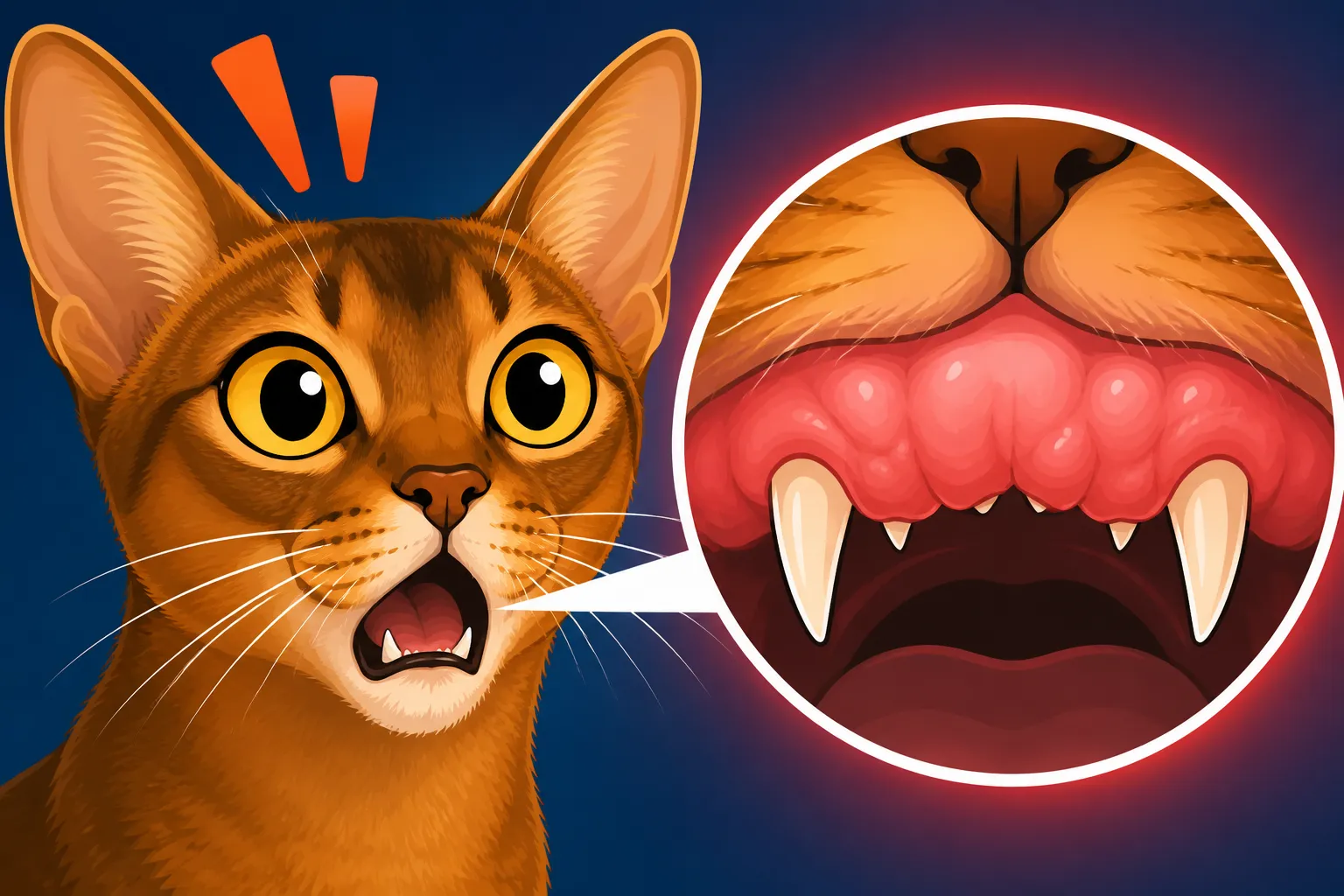
How Overgrown Gum Tissue Buries an Abyssinian’s Teeth
It's incredibly disheartening and often puzzling when your usually vibrant Abyssinian kitten, full of boundless energy, suddenly starts dropping food, showing discomfort, or simply refusing to eat their kibble. Many owners observe red, swollen gums and assume it's just typical kitten teething, only to find the problem escalating into something far more serious: overgrown gum tissue that literally starts burying their precious teeth. This guide will walk you through understanding why this happens specifically in Abyssinians, what it looks like, and the crucial steps you need to take to alleviate your cat's pain and preserve their dental health.
Understanding Juvenile Gingivitis and Gum Overgrowth in Abyssinians
Juvenile gingivitis, or juvenile hyperplastic gingivitis, is a frustrating and often painful condition that disproportionately affects young Abyssinian cats. Unlike a fleeting bout of mild gum inflammation, this is a persistent and progressive problem where the gum tissue, instead of staying snug around the teeth, starts to swell and grow excessively, sometimes almost entirely engulfing the crown of the tooth. It's not just a minor annoyance; it can seriously impact your cat's quality of life and lead to significant dental issues.
Why Abyssinians Are Prone to This Condition
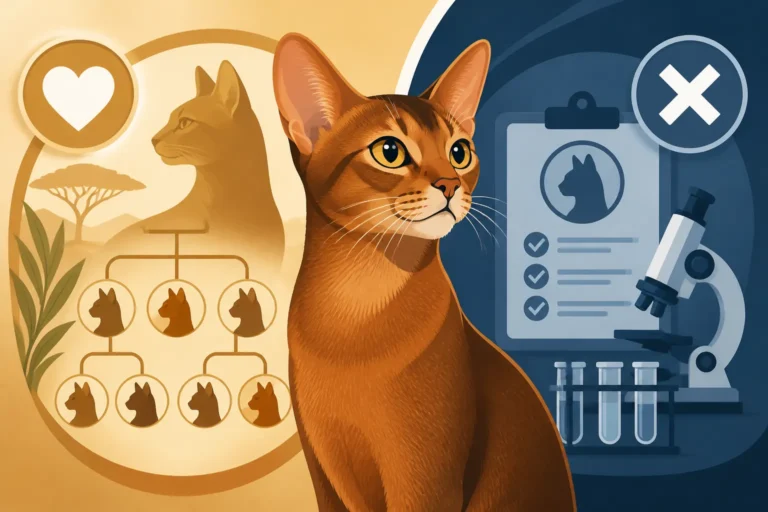
It's a perplexing situation for many Abyssinian owners to face, as their kittens are otherwise healthy and robust. The truth is, while many breeds can experience gingivitis, Abyssinians, and their close cousins the Somalis, seem to have a genetic predisposition to this particular form of severe gum overgrowth. It's believed to be an exaggerated inflammatory response, almost like their immune system goes into overdrive when confronted with the normal bacteria found in the mouth. Instead of just fighting off the bacteria, their gum tissue reacts by growing and thickening.
This susceptibility is often observed around the six-month mark, just as their adult teeth are fully erupted and settling in. You might notice the first signs when your lively kitten, who was just happily munching on dry food, suddenly acts finicky or prefers wet food. This isn't them being picky; it’s usually because their mouth is becoming increasingly sore. The exact genetic markers aren't fully understood, but breeders and veterinarians recognize it as a breed-specific challenge that requires proactive management. It’s part of the reason why understanding Why an Abyssinian Kitten's Gums Fail at Six Months is so important for new owners.
The Difference Between Normal Gingivitis and Hyperplastic Overgrowth
It's easy to dismiss early signs as just "a bit of gingivitis," especially in a young cat. Most kittens might have a touch of redness along their gum line during teething or if their dental hygiene isn't perfect. This is typically mild and responds well to regular brushing and professional cleaning. However, hyperplastic gingivitis in Abyssinians is a different beast entirely.
With hyperplastic gingivitis, you won't just see redness; you'll observe significant swelling and an actual increase in the volume of the gum tissue. Imagine the gums looking puffy and fleshy, sometimes even purplish-red, and clearly extending further down the tooth crown than they should. In severe cases, the gum tissue can create deep pockets around the base of the teeth, or even grow completely over the chewing surface, making it impossible for the cat to use those teeth effectively. This is far beyond what a normal cat experiences and demands specialized attention from your veterinarian.
How Overgrown Gum Tissue Affects Your Abyssinian's Teeth
The physical presence of overgrown gum tissue might seem like a superficial problem, but its implications for your Abyssinian's oral health are profound and far-reaching. It's a cascading series of issues that, if left untreated, can lead to severe pain, infection, and even tooth loss.
Creating Pockets for Bacteria and Infection
When the gum tissue overgrows, it doesn't just sit there innocuously. It forms deep, dark crevices and pockets around the base of each tooth that act as perfect incubators for bacteria. These areas are incredibly difficult, if not impossible, for your cat's tongue or any toothbrush to reach effectively. Food particles, saliva, and bacteria become trapped in these pockets, rapidly forming plaque and then hardening into tartar.
This accumulation of bacteria and tartar triggers a chronic inflammatory response, which only exacerbates the gum overgrowth, creating a vicious cycle. The constant inflammation can lead to periodontal disease, where the supporting structures of the tooth—the bone and ligaments—begin to degrade. Over time, these bacterial infections can cause significant pain, lead to bad breath, and in severe cases, even spread to other parts of the body, affecting organs like the kidneys or heart.
Leading to Tooth Resorption and Loss
One of the most devastating consequences of untreated gum overgrowth and the resulting chronic inflammation is tooth resorption, specifically Feline Odontoclastic Resorptive Lesions (FORLs). These are incredibly painful lesions where the tooth structure itself begins to erode, starting from the outside or inside, typically near the gum line. The overgrown gums often hide these lesions from plain sight, making them difficult to detect without a thorough veterinary examination under anesthesia and dental X-rays.
Abyssinians are unfortunately also prone to tooth resorption, and the presence of hyperplastic gingivitis significantly increases their risk. The chronic inflammation and bacterial load in the gum pockets contribute to the breakdown of the tooth's surface. Once tooth resorption begins, it is irreversible and excruciatingly painful. Cats with FORLs will often drop food, paw at their mouths, or show visible discomfort when eating. Ultimately, affected teeth must be extracted to relieve the cat's pain. This can be a harrowing experience for both cat and owner, emphasizing why Why Tooth Resorption Follows Abyssinian Gum Disease is a critical topic.
Impact on Eating Habits and Quality of Life
Imagine trying to eat with a constantly swollen, painful mouth, where chewing any hard food causes excruciating pain. This is the reality for Abyssinians suffering from severe gum overgrowth. You might notice your energetic cat, who once gleefully crunched kibble, suddenly struggling. They might tilt their head to one side while eating, drop pieces of food, or only eat wet food. Some cats might even rub their face or show reluctance to engage in play involving their mouth.
The inability to eat properly can lead to weight loss, nutritional deficiencies, and a general decline in their playful, inquisitive nature. This isn't just about food; it impacts their entire well-being. A cat in chronic pain cannot truly thrive. It's a stark reminder that even seemingly localized dental issues can have widespread effects on their overall health and happiness. Observing your Abyssinian's eating habits closely is a crucial first step in catching this problem early.
Diagnosis and Treatment for Abyssinian Gum Overgrowth
Addressing overgrown gum tissue in your Abyssinian requires a multi-pronged approach, starting with a thorough diagnosis and often leading to specific surgical intervention. This isn't a problem that will resolve itself with just a change in diet or some dental treats; it demands professional veterinary care.
Veterinary Examination and Dental Radiography
The first step is always a comprehensive oral examination by your veterinarian. During a routine check-up, your vet can often spot the tell-tale signs of redness and swelling. However, to truly assess the extent of the gum overgrowth and the health of the teeth hidden beneath, a more in-depth examination under anesthesia is essential. This allows the vet to thoroughly probe the gum pockets, measure their depth, and accurately determine which teeth are affected.
Crucially, dental radiography (X-rays) are paramount. As we discussed, overgrown gums can conceal painful tooth resorption or underlying bone loss. Without X-rays, many significant problems can be missed. A full mouth series of dental X-rays will reveal the condition of the tooth roots, the surrounding bone, and any hidden lesions that are causing pain but aren't visible to the naked eye. This diagnostic step is non-negotiable for an accurate and complete treatment plan. Pet insurance providers like Healthy Paws often offer coverage for these diagnostic procedures, making comprehensive care more accessible.
The Gingivectomy Procedure
Once the diagnosis is confirmed, the primary treatment for hyperplastic gingivitis in Abyssinians is often a gingivectomy. This is a surgical procedure performed under general anesthesia, where the excess gum tissue is carefully and precisely trimmed away. The goal is to restore the gum line to its normal position, exposing the full crown of the tooth and eliminating those deep, bacteria-trapping pockets.
The procedure is meticulously performed, often using a scalpel, electrosurgery, or even a dental laser to ensure clean margins and minimize bleeding. After the overgrown tissue is removed, the remaining gum line is smoothed and contoured. Sometimes, a special dental paste might be applied to protect the exposed area during the initial healing phase. The removed tissue is typically sent to a lab for histopathology to confirm the diagnosis and rule out any other underlying issues, though this is rare with juvenile hyperplastic gingivitis. It’s a specialized procedure, and understanding What a Gingivectomy Involves for an Abyssinian can help you prepare.
Post-Operative Care and Recovery
Your Abyssinian will typically recover quickly from a gingivectomy, though the first few days require careful management. Your vet will likely prescribe pain medication to keep them comfortable and possibly antibiotics to prevent infection. You'll usually need to offer soft food for a week or two to avoid irritating the healing gum tissue.
It's also essential to keep a close eye on their mouth for any signs of swelling, bleeding, or unusual odors. Regular follow-up appointments with your vet will be scheduled to monitor the healing process and ensure there are no complications. While a gingivectomy provides significant relief and vastly improves oral hygiene, it's important to understand that it's often not a one-time fix. Abyssinians with this predisposition may experience regrowth of gum tissue over time, meaning ongoing vigilance and potentially repeat procedures will be necessary. This long-term commitment is something to discuss with your vet, and considering pet insurance from a reputable provider like Healthy Paws can be invaluable for these recurring needs.
Long-Term Management and Prevention Strategies
While a gingivectomy is often necessary to resolve the immediate problem of overgrown gums, the battle against hyperplastic gingivitis in Abyssinians is an ongoing one. Long-term success hinges on a dedicated regimen of home care and regular veterinary oversight.
Dedicated Home Dental Care
This is where you, as the owner, play the most critical role. Daily home dental care is paramount to preventing the recurrence of gum overgrowth and keeping bacterial buildup at bay. The cornerstone of this care is toothbrushing. Yes, brushing a cat's teeth might sound daunting, but it's entirely possible, especially if you start when they're young and make it a positive experience.
Use a soft, pet-specific toothbrush or a finger brush, along with enzymatic feline toothpaste (never human toothpaste). Focus on gently brushing along the gum line, especially where the previous overgrowth occurred. Even just 30-60 seconds daily can make a significant difference. If your Abyssinian absolutely refuses brushing, your vet might recommend antiseptic dental rinses or gels, but these are generally less effective than mechanical brushing. This consistent effort directly combats plaque and inflammation, helping to keep those gum pockets clear. For specific techniques, you might find How to Brush an Abyssinian's Teeth From Day One a helpful resource.
Regular Professional Dental Cleanings
Even with the most diligent home care, Abyssinians prone to gum overgrowth will benefit immensely from regular professional dental cleanings. These cleanings, performed under anesthesia, allow your vet to meticulously scale away any plaque and tartar buildup, polish the tooth surfaces, and thoroughly examine the entire oral cavity. For some Abyssinians, these professional cleanings might be needed every 6-12 months, rather than the typical yearly or bi-yearly schedule for other cats.
During these visits, your vet can also monitor for any signs of gum regrowth, new tooth resorption lesions, or other developing issues. Early detection means earlier intervention, which can often prevent more invasive procedures down the line. It's a crucial part of managing this condition effectively. Understanding How Often an Abyssinian Needs Its Teeth Cleaned is key to staying ahead of the problem.
| Aspect of Care | Recommendation | Frequency | Importance |
|---|---|---|---|
| Home Brushing | Use enzymatic pet toothpaste and soft brush | Daily | Essential for plaque removal and preventing recurrence of overgrowth. |
| Antiseptic Rinses | Vet-prescribed if brushing is impossible | As directed by vet | Supplements brushing, but not a replacement. |
| Professional Cleaning | Full oral exam, scaling, polishing, X-rays | Every 6-12 months | Removes hidden plaque/tartar, checks for regrowth, tooth resorption, and other issues. |
| Dietary Considerations | Primarily wet food, crunchy treats for minimal aid | Ongoing | Wet food increases hydration, some dental treats offer very minor scraping action. |
| Regular Vet Check-ups | Oral exam during routine health checks | Every 6-12 months | Monitors overall health and identifies early signs of dental problems. Consider What an Abyssinian's Annual Checkup Costs in your budget. |
The Role of Diet and Supplements
While diet alone won't cure hyperplastic gingivitis, it can play a supportive role in overall oral health. Feeding a primarily wet food diet can increase hydration, which is beneficial for kidney health (another consideration for Abyssinians), and also leaves less residue on teeth compared to some dry foods. Some dental-specific kibbles or treats are designed to help mechanically scrape plaque from teeth, but their effectiveness is limited against severe overgrowth and they should never replace brushing.
Supplements claiming to support gum health are available, but always discuss these with your vet before introducing them. There's not strong scientific evidence that many of these can directly prevent or reverse severe gum overgrowth in Abyssinians, but your vet can advise if any might be beneficial as part of a holistic approach. Ultimately, for Abyssinians with this predisposition, a dedicated dental hygiene routine, combined with veterinary oversight, is far more impactful than any dietary intervention alone. The costs associated with lifelong dental care can add up, making a good pet insurance policy, like those offered by Healthy Paws, a wise investment for Abyssinian owners, especially given that Why Abyssinian Dental Work Is the Biggest Line in the Budget.
Disclaimer
This article is intended for informational purposes only and does not constitute medical advice. Always consult with a qualified veterinarian for any health concerns or before making any decisions about your pet's health or treatment plan.