When an Abyssinian Counts as Senior
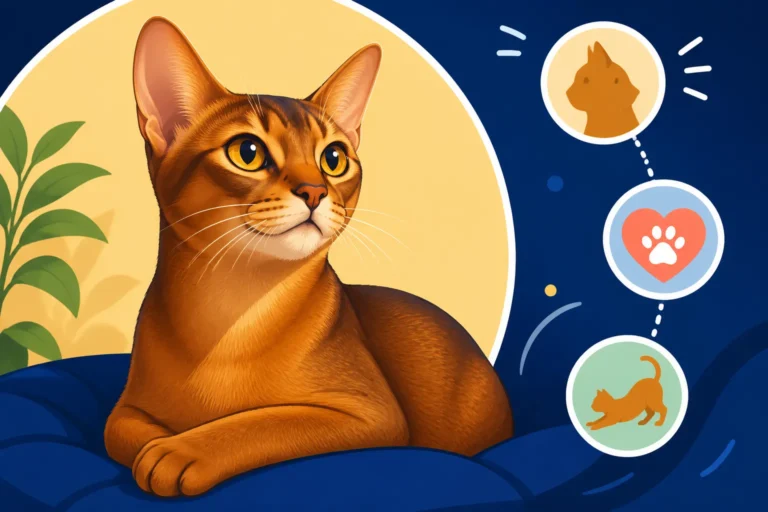
It's heartbreaking to realize that our energetic, perpetually kitten-like Abyssinians don't stay young forever. One day, you might catch a glimpse of a slower climb or a less vigorous play session and wonder, "Is my Aby getting old?" It's a common concern, especially since these active cats often mask signs of aging for a long time. This guide will help you understand when an Abyssinian truly enters its senior years, what subtle changes to look for, and how you can support them through this natural transition.
Defining "Senior" for Your Abyssinian
Unlike humans with clear retirement ages, the line for when an Abyssinian cat officially becomes "senior" can feel a bit blurry. There isn't a universally agreed-upon single birthday that marks the transition, and it's certainly not a switch that flips overnight. Many owners understandably struggle with this concept because their Abyssinians retain so much youthful vigor well into their later years. You might hear different age ranges, but generally, the veterinary community and experienced Abyssinian enthusiasts consider cats to be senior starting around 7-10 years old.
The Age Ranges and What They Mean
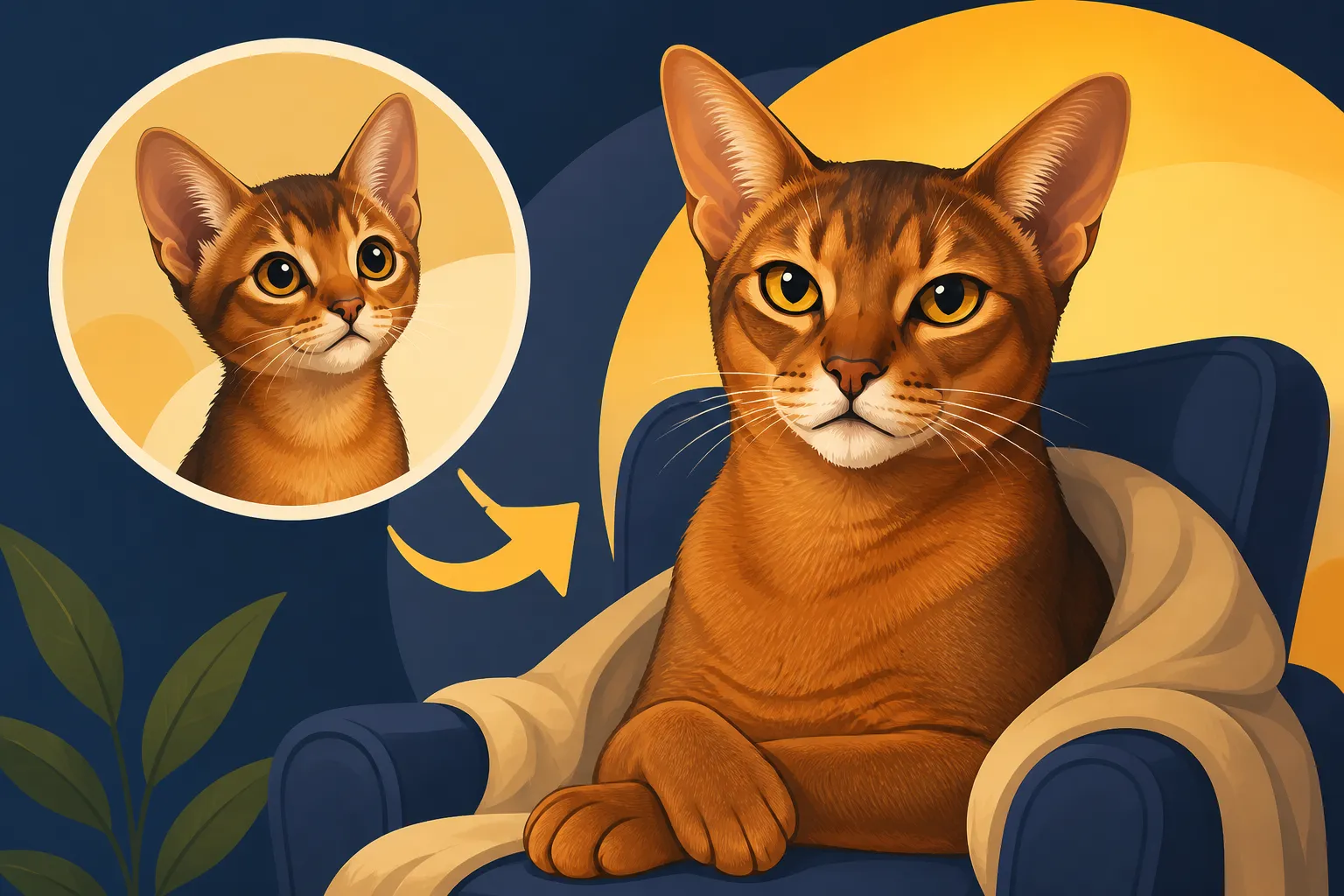
While seven might seem young to call such a vibrant cat "senior," it's often the age when a vet will recommend increased monitoring. Think of it less as an immediate decline and more as the beginning of a different phase. From seven to ten years old, your Abyssinian is typically entering what's often referred to as "mature adult" or "middle-aged" phase, but for health purposes, vets start to treat them with a senior perspective. Once they hit double digits, say around ten years, they are definitively considered senior, and by the time they are twelve, they are often classified as "geriatric." This progression isn't about setting arbitrary limits but about guiding proactive healthcare. For many Abyssinians, their actual feeling of being old doesn't truly settle in until much later, thanks to their generally robust health and active nature. However, it's wise to start thinking about their changing needs long before they show obvious signs.
Why Genetics and Lifestyle Play a Huge Role
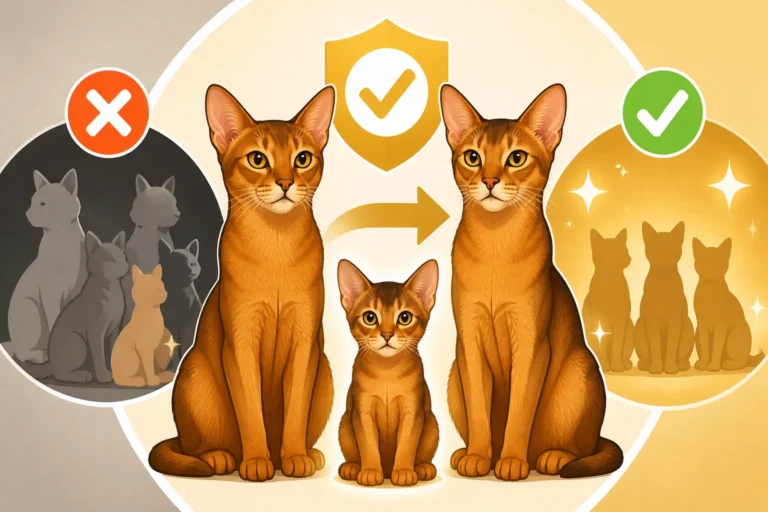
The precise age your Abyssinian starts showing senior signs isn't just a number on a calendar; it's a complex interplay of their unique genetics and the lifestyle they’ve led. A well-bred Abyssinian from a line known for longevity, often living The Twelve to Fifteen Years an Abyssinian Usually Gets, might not show true signs of slowing down until well into their teens. On the other hand, an Abyssinian with an underlying health condition or one that hasn't received consistent preventive care might age more rapidly. For instance, Abyssinians are known for their kidney health risks, and if this is a factor, they might present with age-related issues earlier. An indoor-only lifestyle, providing safety from accidents and exposure to diseases, can also significantly extend an Abyssinian's youthful period and overall lifespan. Diet, exercise, mental stimulation, and regular veterinary check-ups all contribute to how gracefully your Aby transitions into their golden years.
Beyond the Calendar: Recognizing Early Signs of Aging in Abyssinians
It’s easy to miss the subtle shifts in an Abyssinian because they are masters of disguise, often hiding discomfort or weakness. Their natural energy and playful spirit can mask early signs of aging for longer than in many other breeds. Instead of waiting for a specific birthday, it's far more helpful to become a keen observer of their everyday habits and physical presentation.
Subtle Changes in Activity and Energy Levels
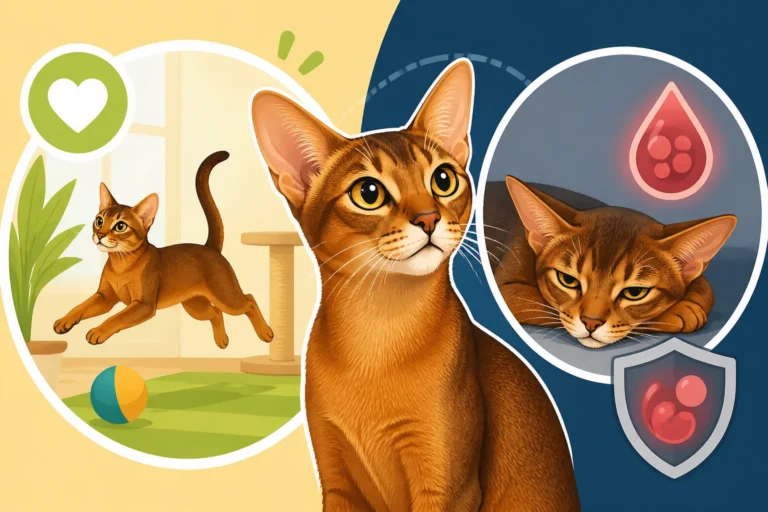
Your Aby might still zoom through the house, but pay attention to the duration and frequency of these bursts. Instead of an hour-long chase session, it might be ten minutes, followed by a longer nap. Perhaps they're not quite as quick to greet you at the door, or they might skip a jump to a favorite high shelf that used to be second nature. A key indicator is often how quickly they rebound from activity. A younger Abyssinian might play hard and then nap, but an older one might seem more fatigued afterwards, taking longer to fully recover. You might notice they are starting to What an Old Abyssinian Slows Down From, showing a general decrease in stamina. Even if they still have their moments, a pattern of decreasing endurance is a significant clue.
Physical Indicators: Coat, Weight, and Joint Health
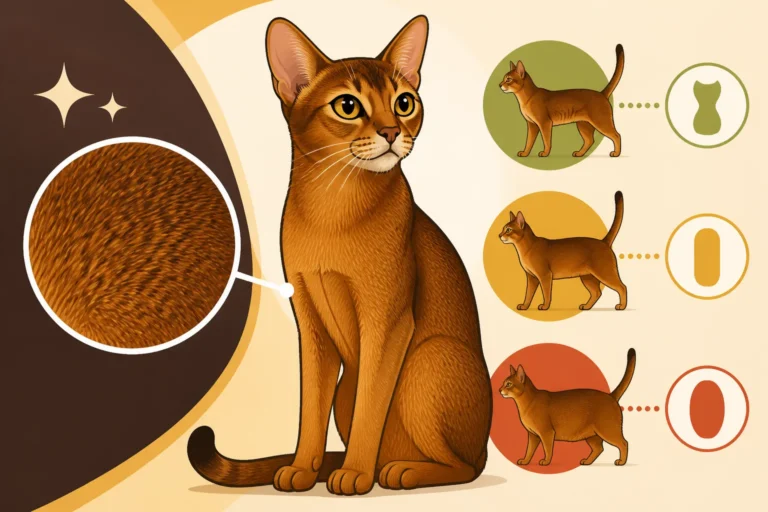
Physical signs are often the most telling, even if they're subtle. Look closely at their coat; while Abyssinians don't have a thick undercoat, an aging cat's fur might become slightly coarser, duller, or even feel thinner. Some Abyssinians might even experience a fading of their beautiful ticking as they get older, a subtle change that an owner would notice first.
Weight management also becomes crucial. While Why a Lean Abyssinian Hides Illness Longer Than a Heavy Cat is true at any age, unintentional weight loss or gain in a senior Abyssinian warrants immediate veterinary attention. Their muscle mass might subtly decrease, making them feel bonier, even if their weight stays stable. Learning How to Read an Abyssinian's Body Condition Through That Coat is vital.
Perhaps the most common physical sign of aging in any active cat breed is joint stiffness or arthritis. Your Aby, known for its agile climbs, might show hesitation before jumping, or land a little more awkwardly. How Arthritis Shows in an Abyssinian That Used to Climb is often a slow progression, initially seen as reluctance to use a beloved cat tree's highest perch or needing a moment to stretch before running. They might start avoiding stairs or making smaller, more careful jumps. Pay attention to how they get up after a nap – do they seem stiff or move less fluidly?
Behavioral Shifts and Appetite Changes
Behavioral changes can be very telling, too. An older Abyssinian might become more vocal, perhaps calling out more frequently, or less tolerant of changes in routine. Some might seek more quiet time, becoming less interested in boisterous play, while others might become more clingy, wanting to be near you even if they don't sit on your lap.
Changes in appetite or thirst are also major red flags. An increased thirst, often seen as your cat frequenting the water bowl more than usual, can be an early indicator of kidney issues or even Why Hyperthyroidism Catches an Older Abyssinian. Conversely, a decreased appetite could signal dental pain, gastrointestinal upset, or other underlying illnesses. Even slight changes in litter box habits, like urinating more or having softer stools, should be noted. Abyssinians are very fastidious, so any deviation here is important.
Proactive Care for Your Aging Abyssinian
Once your Abyssinian hits that 7-year mark, it's time to shift into proactive senior care mode. This doesn't mean treating them like a fragile invalid, but rather providing targeted support to keep them comfortable, engaged, and healthy for as long as possible.
Stepping Up Veterinary Care and Diagnostic Screenings
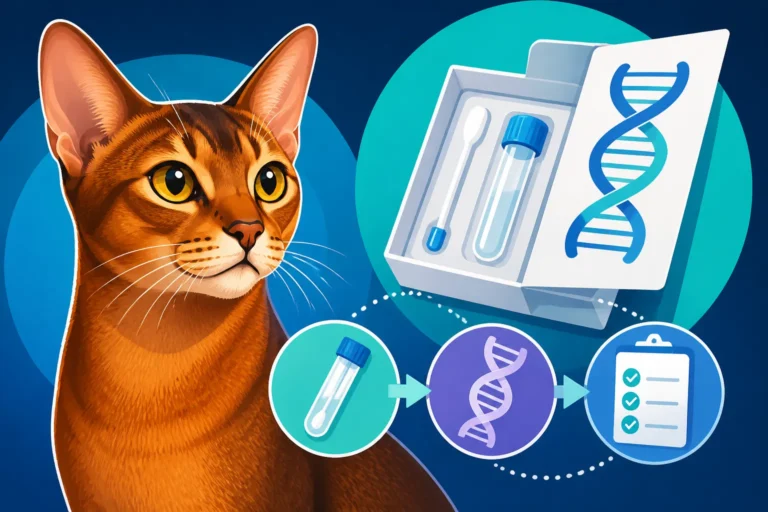
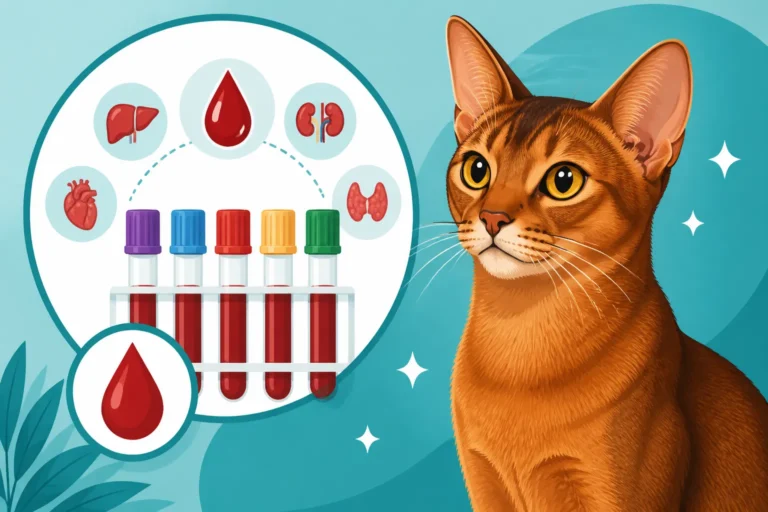
This is arguably the most critical aspect of caring for a senior Abyssinian. While a yearly check-up is standard for younger cats, When a Middle Aged Abyssinian Needs Yearly Bloodwork suggests that by middle age, more frequent visits are ideal. For senior Abyssinians, bi-annual (every six months) vet visits are highly recommended. This allows your veterinarian to catch subtle changes early when they are most treatable. These visits should include comprehensive physical exams, blood work, and urine analysis.
Here's what these screenings help detect:
| Diagnostic Test | What it Screens For | Importance for Senior Abyssinians |
|---|---|---|
| Comprehensive Blood Panel | Organ function (kidneys, liver), blood cell counts, electrolytes | Early detection of kidney disease, hyperthyroidism, anemia, diabetes. |
| Urinalysis | Kidney function, urinary tract infections, diabetes | Crucial for monitoring kidney health, especially given Abyssinian risks. |
| Thyroid Panel (T4) | Hyperthyroidism | Common in older cats, can cause weight loss, increased appetite/thirst. |
| Blood Pressure | Hypertension | Often linked to kidney disease and hyperthyroidism, can lead to strokes. |
| SDMA Test | Early kidney disease marker | Can detect kidney decline much earlier than traditional creatinine levels. |
Your vet might also recommend imaging, like X-rays, if they suspect arthritis or other musculoskeletal issues. Remember, early detection is key to managing age-related conditions and vastly improving your Abyssinian's quality of life. This is also where investing in pet insurance, like a comprehensive plan from Healthy Paws, can really make a difference. Knowing you have support for diagnostics and treatments can alleviate a huge financial burden, allowing you to focus on getting your beloved Aby the best care without compromise. Many owners attest to Whether Pet Insurance Is Worth It for an Abyssinian for this very reason.
Adjusting Diet and Environmental Enrichment
As Abyssinians age, their metabolism can slow down, and their activity levels may decrease. This means their dietary needs will change. Why an Abyssinian Needs Fewer Calories After Twelve is a good reminder to discuss appropriate senior cat food with your vet. These diets are often formulated with fewer calories, higher protein to maintain muscle mass, and added supplements for joint health. Hydration becomes even more critical for older cats, particularly for kidney health. Ensure multiple water sources, consider a pet fountain, and prioritize wet food in their diet.
Environmental enrichment also needs tweaking. While your Aby might not be scaling the highest cat tree with the same gusto, they still need mental and physical stimulation. Create easier access to their favorite high perches using ramps or lower steps. Ensure their scratching posts are still accessible and appealing, and provide soft, warm beds in quiet, draft-free areas. If they are showing signs of arthritis, talk to your vet about what pain relief an arthritic Abyssinian can take to help them stay comfortable and mobile. Puzzle feeders, gentle play sessions with wand toys, and even just quiet cuddle time can help maintain their cognitive function and emotional well-being. Keeping their environment predictable and calm also helps, as older cats can become more sensitive to stress and sudden changes.
Providing comprehensive care for your aging Abyssinian means recognizing their seniority not as an end, but as a new chapter that requires attentive, loving support to ensure their golden years are as comfortable and joyful as possible.
Disclaimer
This article provides general information and is not a substitute for professional veterinary advice. Always consult with a qualified veterinarian for any health concerns or before making decisions about your pet's care.