Why an Old Abyssinian’s Ticking Fades
It's perfectly natural to become attuned to every nuance of your Abyssinian's appearance, and when you start noticing their distinct, vibrant ticking coat losing some of its famous intensity as they gracefully age, it can be a bit disheartening. This guide will delve into the various reasons why an old Abyssinian's ticking often fades, exploring the natural processes, environmental factors, and health considerations involved, and what you can do to support their magnificent coat.
Understanding the Abyssinian's Unique Ticked Coat
Before we dive into why the ticking fades, let's briefly touch on what makes an Abyssinian's coat so special in the first place. Unlike most tabby patterns with stripes or spots, the Abyssinian boasts a "ticked" or "agouti" coat. This means that each individual hair strand has multiple bands of color, alternating light and dark. You might remember us talking about how this works in our article on How an Abyssinian's Agouti Banding Works. This banding creates a shimmering, rich depth without any distinct stripes on the body, except sometimes a faint "M" on the forehead or a darker tip on the tail. It’s this intricate banding that gives the Abyssinian its wild, natural look and incredible depth of color.
The Science Behind Ticking and Pigmentation
The magic of ticking comes down to genetics and melanin, the pigment responsible for color in hair and skin. Two types of melanin are at play: eumelanin, which produces black and brown tones, and pheomelanin, which creates red and yellow tones. In a ticked cat, the genes instruct the hair follicles to produce these pigments in a specific, alternating pattern along the length of each hair. This process is incredibly precise, and any disruption can affect the clarity and intensity of the ticking.
When an Abyssinian is young, their melanin production is typically robust and consistent, leading to sharply defined bands on each hair. The coat shimmers beautifully, reflecting light with every movement. However, just like with human hair, this process can change over time due to a variety of factors, leading to a noticeable fading or dulling of the ticking.
Natural Aging and Coat Changes
Just as our hair might thin or go gray, an Abyssinian's coat undergoes its own set of transformations as they mature into their senior years. This isn't usually a sign of neglect or illness, but simply a part of the aging process.
Decreased Melanin Production
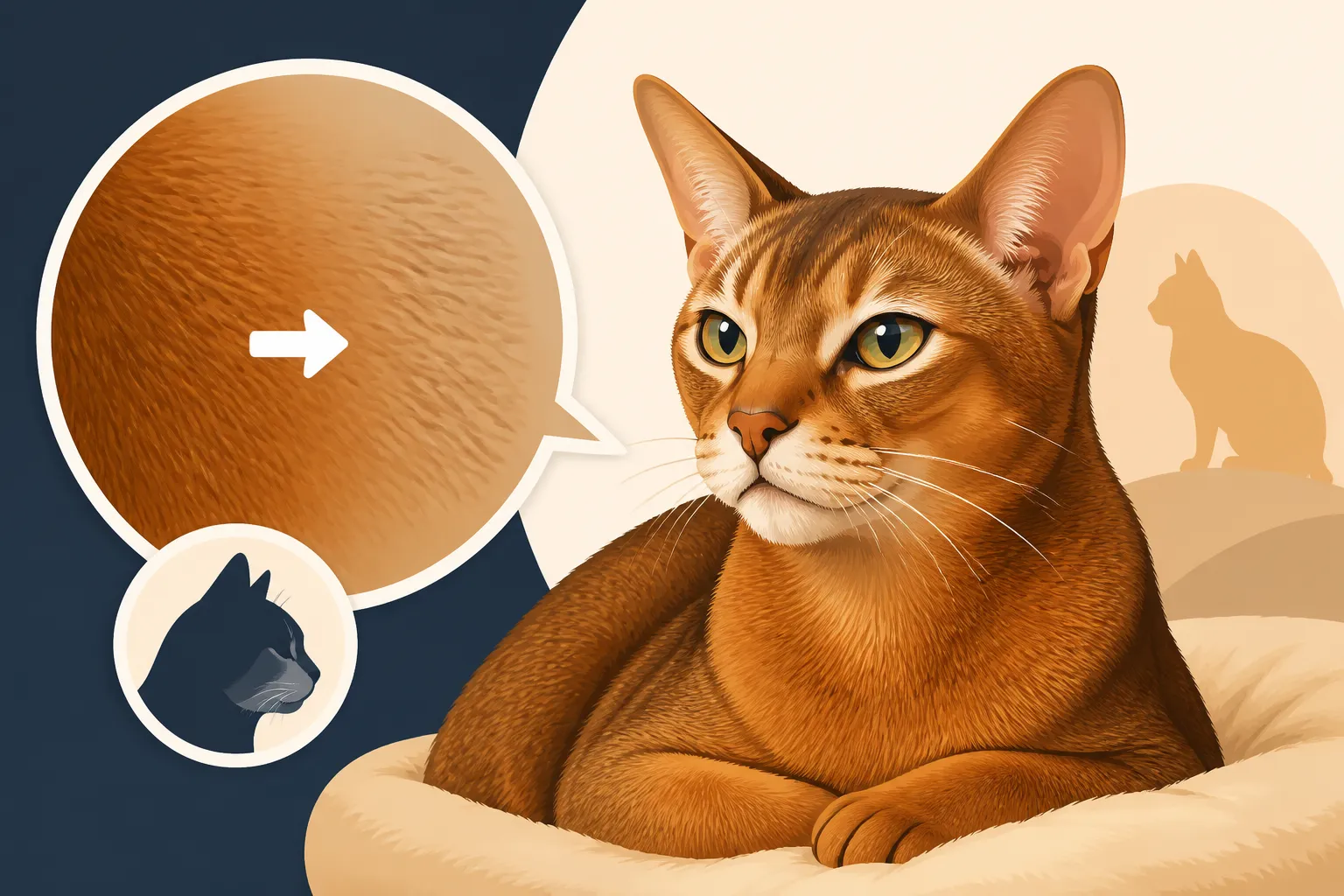
One of the primary reasons an old Abyssinian's ticking fades is a natural decrease in melanin production. As cats age, the cells responsible for producing pigment, called melanocytes, can become less active or even stop functioning altogether. This means that the hair follicles receive less pigment, resulting in lighter, less intensely colored hair strands. Instead of the rich, multi-banded appearance, the hair might become more uniformly light, or the dark bands might be less distinct, making the overall coat appear washed out or muted.
It's similar to how some human hair starts to gray; the process for a ticked cat manifests as a fading of their characteristic pattern. This change is often gradual, occurring subtly over several years, so you might not notice it overnight but rather compare photos from their youth to their senior years. This natural phenomenon contributes to the fact that Why an Old Abyssinian's Ticking Fades.
Changes in Hair Texture and Growth Cycle
Aging also affects the hair growth cycle itself. Older cats may experience a slower hair growth rate, and the new hairs that do grow might have a different texture. They can sometimes become coarser or finer, which can also influence how light reflects off the coat, making it appear less vibrant or shiny. Furthermore, the hair follicles might spend more time in the resting phase (telogen) and less time in the active growth phase (anagen), leading to a less dense coat overall. A thinner coat, even if the ticking is still present on individual hairs, can make the overall appearance less vivid and the colors less concentrated.
Think of it like a beloved old velvet cushion; over time, the nap might flatten a little, and while the color is still there, it just doesn't have the same plush, light-catching quality it once did. The same principle applies to your Abyssinian's beautiful coat as it ages.
| Feature | Young Abyssinian Coat | Old Abyssinian Coat |
|---|---|---|
| Ticking Intensity | Sharp, vibrant, distinct bands | Muted, softer, less distinct bands |
| Overall Color | Deep, rich, shimmering | Lighter, duller, more uniform |
| Hair Density | Dense, plush, close-lying | Potentially thinner, less full |
| Shine | High, reflective, lustrous | Lower, sometimes coarser or drier |
| Texture | Fine, soft | Can be coarser or remain soft |
Environmental and Lifestyle Factors
While aging is inevitable, certain environmental and lifestyle factors can play a role in accelerating or exacerbating the fading of an Abyssinian's ticking. As responsible pet parents, being aware of these can help you mitigate their effects.
Sun Exposure and UV Damage
Just like prolonged exposure to the sun can lighten human hair, it can also affect your Abyssinian's coat. Ultraviolet (UV) radiation from sunlight can break down melanin pigments in the hair shaft, leading to a bleaching effect. While Abyssinians are typically indoor cats, many love to bask in sunny windows or enjoy supervised time in a catio. This consistent exposure, especially over many years, can gradually cause the darker bands of their ticking to fade, making the overall coat appear lighter and less intense. You might notice this more prominently on areas that get direct sun, like their back or sides.
This isn't to say you should keep your Abyssinian in the dark – sunshine is good for their mood and overall well-being! However, being mindful of excessive, prolonged sunbathing, especially during peak hours, can help preserve their coat color. Consider providing shaded spots in sunny windows or rotating their favorite sunning areas.
Stress and General Health
Stress, poor nutrition, and underlying health conditions can all manifest in a dull or fading coat, even if the primary cause isn't directly related to pigmentation. An Abyssinian, even as they age, is still a very active and sensitive cat. If your senior Abyssinian is experiencing chronic stress from, say, a new pet, a move, or a change in routine, their body's resources might be diverted from non-essential functions like maintaining a pristine coat.
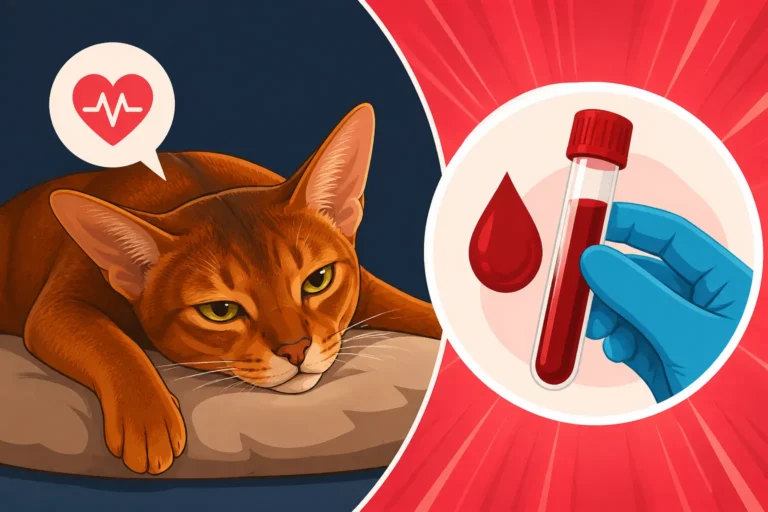
Furthermore, general health issues can impact coat quality. Conditions that affect metabolism, circulation, or nutrient absorption can lead to a dull, dry, or brittle coat that lacks its usual luster and depth. For instance, sometimes a fading coat, accompanied by other signs, can be a subtle indicator of something deeper going on. This is one reason why regular vet check-ups are so vital, especially for older cats, as discussed in When a Middle Aged Abyssinian Needs Yearly Bloodwork. It’s about catching anything early.
Nutritional Support and Coat Health
Diet plays a monumental role in the health and appearance of an Abyssinian's coat at any age, but it becomes even more crucial as they get older. The right nutrition can help support pigment production and maintain the integrity of their hair.
Essential Fatty Acids and Vitamins
A diet rich in essential fatty acids, particularly Omega-3 and Omega-6, is vital for skin and coat health. These fatty acids help maintain the skin's barrier function, reduce inflammation, and contribute to a healthy, shiny coat. When an Abyssinian isn't getting enough of these, their coat can become dry, brittle, and dull, making the ticking appear less vibrant even if the pigment isn't completely gone. Look for cat foods that list sources like fish oil, flaxseed, or chicken fat.
Vitamins like biotin (a B vitamin) and Vitamin E also play a role in healthy hair growth and skin condition. A well-balanced, high-quality senior cat food should ideally provide these nutrients in adequate amounts. If you're concerned your Abyssinian isn't getting enough, speak to your vet about appropriate supplements, but always do so under professional guidance, as too much of certain vitamins can be harmful. For senior cats, every nutrient counts, and this extends to how their coat looks and feels.
High-Quality Protein and Hydration
Protein is the building block of hair, and a senior Abyssinian still needs a high-quality, digestible protein source to maintain muscle mass and support healthy skin and coat. As we discussed in Why an Old Abyssinian Needs Its Protein Kept Up, older cats can be less efficient at digesting protein, so ensuring their food contains excellent sources like chicken, turkey, or fish is paramount. A deficiency in protein can lead to a poor-quality coat that's lackluster and prone to breakage.
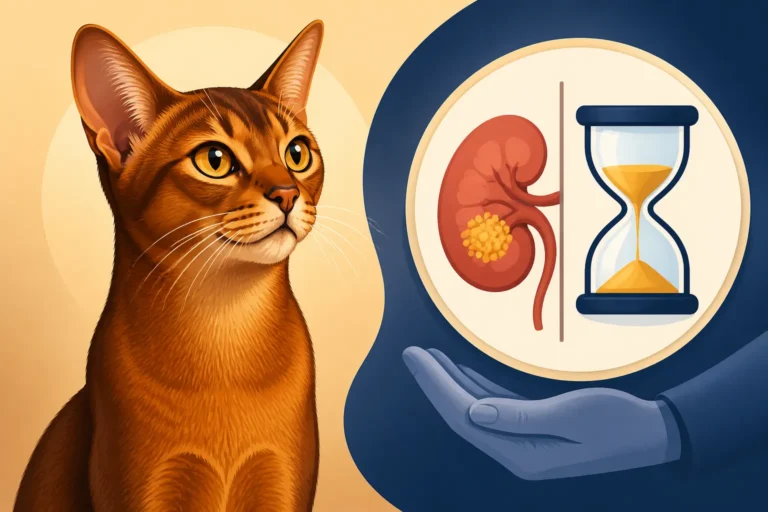
Hydration is another often-overlooked aspect of coat health. Cats, by nature, don't have a strong thirst drive, and older cats can be even less inclined to drink enough water. Dehydration affects every system in the body, including the skin and hair. A well-hydrated cat will generally have healthier skin and a more supple, shinier coat. Encouraging water intake through fountains, multiple water bowls, and incorporating wet food into their diet is crucial. This is especially important for Abyssinians due to their genetic predisposition to certain kidney issues; for instance, we've talked about What Renal Amyloidosis Deposits in an Abyssinian's Kidney. Optimal hydration can indirectly contribute to better overall health, which in turn supports a healthier coat.
When to Consult Your Vet About Coat Changes
While some fading is a normal part of aging, there are times when changes in your Abyssinian's coat, including fading or dullness, can be a symptom of an underlying health issue. It's always best to err on the side of caution and consult your veterinarian if you notice significant or rapid changes.
Signs That Fading May Be More Than Just Age
If the fading is accompanied by other symptoms, it's definitely time for a vet visit. These red flags could include:
- Sudden or rapid fading: If the coat seems to change dramatically over a short period, rather than gradually over months or years.
- Patchy hair loss or thinning: While some minor seasonal shedding is normal, bald patches or overall thinning that exposes the skin is concerning.
- Dull, greasy, or flaky skin: Healthy skin is key to a healthy coat. Changes in skin condition could indicate problems.
- Excessive scratching or licking: This could point to allergies, parasites, or an underlying skin infection.
- Changes in appetite, thirst, or energy levels: If your Abyssinian seems less active, is drinking more or less, or has lost their usual zest, it could be a sign of systemic illness. A quiet Abyssinian is often a sick Abyssinian, as explored in What a Quiet Abyssinian Is Telling You.
- Weight loss or gain: Unexpected changes in weight can signal a variety of health problems that impact coat quality. In particular, Why an Abyssinian's Weight Loss Is Never Minor.
These additional symptoms indicate that the coat changes might not just be cosmetic but rather a window into your cat's overall health.
Common Health Conditions Affecting Coat Quality
Several health conditions can indirectly affect an Abyssinian's coat and make it appear faded or unhealthy:
- Thyroid Issues: Hyperthyroidism, common in older cats, can cause a greasy, unkempt coat despite the cat often losing weight and having a huge appetite. Hypothyroidism (less common) can lead to a dry, brittle coat. As mentioned in Why Hyperthyroidism Catches an Older Abyssinian, this is definitely something to look out for.
- Kidney Disease: Chronic kidney disease, which can be a concern for Abyssinians, can lead to dehydration and a buildup of toxins, often resulting in a dull, dry, and poor-quality coat.
- Diabetes: Uncontrolled diabetes can affect skin and coat health, often leading to a dull or thin coat.
- Malabsorption Issues: If your Abyssinian isn't properly absorbing nutrients from their food, it will inevitably impact the quality of their hair.
- Parasites or Allergies: Fleas, mites, or environmental allergies can cause intense itching, leading to overgrooming and secondary skin infections, which severely impact coat health and appearance.
A comprehensive veterinary examination, including blood tests and potentially other diagnostics, can help pinpoint any underlying issues. Investing in pet insurance like Healthy Paws for your Abyssinian, especially as they enter their senior years, can provide peace of mind and help cover the costs of these necessary diagnostic tests and treatments. Keeping your Abyssinian healthy and comfortable in their senior years is the ultimate goal, and their coat can often give us clues about their inner well-being. Regular vet visits are paramount for Caring for an Abyssinian Past Ten.
Supporting Your Senior Abyssinian's Coat Health
Even if some fading is unavoidable, there's plenty you can do to support your senior Abyssinian's coat health and keep them looking their best, no matter their age.
Gentle Grooming and Skin Care
While the Abyssinian's short, ticked coat doesn't require extensive grooming, it still benefits from regular, gentle attention, especially as they age. A weekly brushing session with a soft brush or grooming mitt can help distribute natural oils, remove loose hair, and stimulate circulation to the skin. This can make the coat appear shinier and healthier, even if the ticking is lighter. Over-grooming an Abyssinian, or using harsh brushes, can actually do more harm than good, potentially damaging the delicate hair shafts. For more details, you might want to read An Abyssinian Needs Brushing Once a Week and No More.
Check their skin regularly for any dryness, flakes, or lesions. If you notice any issues, consult your vet. They may recommend specific moisturizing treatments or dietary changes to improve skin health. Remember, healthy skin is the foundation for a healthy coat.
Tailored Nutrition and Supplements
As we discussed, nutrition is key. Ensure your senior Abyssinian is on a high-quality senior cat food formulated to meet the needs of aging felines. These diets often have adjusted protein levels, essential fatty acids, and antioxidants to support overall health, including skin and coat. If your vet identifies any specific deficiencies, they might recommend targeted supplements, such as Omega-3 fatty acid supplements. Again, always discuss supplements with your vet first to ensure they are appropriate and dosed correctly for your cat's individual needs. Pet insurance from providers like Healthy Paws can often help with the costs of vet-recommended dietary supplements or prescription foods if they are deemed medically necessary for an underlying condition impacting coat health.
Maintaining good hydration is also paramount. Offer multiple fresh water sources, consider a pet drinking fountain, and feed a diet that includes wet food to increase their water intake.
Environmental Enrichment and Stress Reduction
A happy cat is often a healthy cat, and a healthy cat tends to have a healthier coat. Ensure your senior Abyssinian's environment is enriching and low-stress. While they might slow down a bit, How an Abyssinian's Play Changes After Ten explains that they still need mental and physical stimulation. Continue to engage them with gentle play sessions, puzzle feeders, and access to window perches or safe climbing structures that are easier for an older cat to navigate.
Minimize sudden changes to their routine or environment, as Abyssinians thrive on predictability. A calm household contributes significantly to their overall well-being, which in turn supports their physical health, including the luster and condition of their beautiful, though perhaps slightly faded, ticked coat.
By understanding the natural processes of aging, addressing environmental factors, providing optimal nutrition, and staying vigilant with veterinary care, you can help your senior Abyssinian maintain as much of their magnificent coat health as possible, ensuring they continue to shine, even if their ticking is a little softer around the edges.
Disclaimer
This article is for general informational purposes only and does not constitute professional advice. Laws, prices and regulations vary by location and change over time. Consult a qualified professional for guidance on your specific situation.