What a Somali Littermate Does to an Abyssinian’s Price
It’s not every day you go to see a litter of stunning, short-haired Abyssinian kittens, full of energy and ticking coats, only to spot one little fluffball that looks… different. This longer-haired sibling, often a complete surprise to first-time buyers and sometimes even to less experienced breeders, is known as a Somali littermate. It raises immediate questions about its origins, its future, and most importantly, what this unexpected coat length does to its price. This guide will thoroughly unpack the impact of a Somali littermate on the typical Abyssinian pricing structure and what it means for potential owners.
The Unexpected Arrival: Understanding the Somali in an Abyssinian Litter
Imagine the scene: you're at a reputable cattery, surrounded by tiny, active Abyssinian kittens, each one a miniature bundle of ticking fur and boundless curiosity. Then, nestled amongst them, you see a kitten with slightly longer hair, more pronounced ear tufts, and a magnificent plumed tail. This isn't a mixed breed; it's a Somali, born right there in an Abyssinian litter, and it’s a perfectly natural genetic occurrence that speaks volumes about the breed's history.
The Genetics Behind Long Hair in Abyssinians
The appearance of a Somali kitten in an Abyssinian litter is a fascinating testament to genetics. Abyssinians, despite their short, sleek coats, can carry a recessive gene for long hair. This means that if both parent Abyssinians carry this "long hair" gene (even if they both have short coats themselves), there's a statistical chance that some of their offspring will inherit two copies of the recessive gene and thus express the long-haired trait. It's similar to how human eye color can skip generations or how certain traits appear unexpectedly in families. This genetic quirk is precisely Why the Long Hair Gene Was in Abyssinians All Along, a silent part of their genetic makeup passed down through generations.
When two carrier Abyssinians are bred, each kitten has a 25% chance of being long-haired (a Somali), a 50% chance of being a short-haired carrier, and a 25% chance of being a short-haired non-carrier. This explains why even the most carefully planned Abyssinian litters can surprise breeders with a long-haired sibling. It's not a mistake or an accident; it's just how recessive genes work. Breeders dedicated to maintaining the Abyssinian standard often DNA test their breeding cats for the long hair gene to make informed breeding decisions and understand the potential outcomes of their litters. This proactive testing helps them manage the genetics of their lines and ensures transparency with prospective kitten buyers.
Identifying a Somali Kitten at Birth vs. Later
For the untrained eye, differentiating a Somali from an Abyssinian at birth can be incredibly challenging, sometimes almost impossible. Newborn kittens are all a bit fuzzy, and their true coat length isn't immediately obvious. In the first few weeks, a keen observer might notice a slightly softer, perhaps even "woollier" texture to the fur of an incipient Somali, or a more prominent tuft of hair on the ears. The tail might also seem marginally fluffier than its short-haired siblings, a tiny hint of the magnificent plume to come.
However, it's typically around 6-8 weeks of age when the difference truly starts to manifest. The coat of the Somali littermate will begin to visibly lengthen, particularly on the ruff, breeches (the fur on the hind legs), and especially the tail. This is the period When an Abyssinian Litter's Coat Length Becomes Obvious, as the short-haired Abyssinians maintain their close-lying, ticked coats, while the Somali's fur continues its luxuriant growth. By the time kittens are ready to go to their new homes, usually at 12-14 weeks, there's no mistaking the distinction. The Somali will boast a clearly semi-long coat, often with a full, bushy tail that cascades gracefully, a stark contrast to the Abyssinian's relatively short, tapered tail.
Historical Context: The Somali as a Recognized Breed
The story of the Somali cat is inextricably linked to the Abyssinian breed. For many years, breeders of Abyssinians would occasionally see these long-haired kittens in their litters. Initially, these long-haired "throwbacks" were considered undesirable and were often quietly placed as pets without being acknowledged as part of the breed standard. They were seen as a genetic anomaly, something to be managed and, if possible, bred out. However, a few visionary breeders saw the beauty and potential in these long-haired Abyssinians.
It was in the 1960s that serious efforts began to develop these cats into a distinct breed. Breeders started intentionally selecting and breeding the long-haired individuals, focusing on consistent coat length, color, and temperament. The breed was given the name "Somali" in reference to Somalia being adjacent to Abyssinia (modern-day Ethiopia), implying it was a longer-haired version of the Abyssinian, just as Somalia is an "extended" landmass. The breed gained official recognition in various cat registries, starting with the CFA (Cat Fanciers' Association) in the 1970s. This marked a significant turning point, transforming a "fault" into a beloved and distinct breed. The initial pioneers like Evelyn Mague, who championed these cats, effectively demonstrated Who Bred the First Somali and laid the groundwork for their acceptance. Today, Somalis are cherished for their striking appearance, elegant plumes, and the same vibrant, intelligent personality as their short-haired cousins.
Price Implications for the Somali Littermate
The moment a long-haired kitten is identified in an otherwise Abyssinian litter, questions about its price naturally arise. This isn't just about supply and demand; it's about breed standards, recognition, and the perceived "value" within the purebred cat world. Understanding these factors is crucial for anyone considering bringing a Somali littermate home.
The "Non-Standard" Factor in Pricing
When a breeder sets out to produce Abyssinian kittens, they are aiming for the breed standard: a short, ticked coat. A long-haired kitten, while beautiful, does not meet the Abyssinian breed standard. Therefore, in the context of an Abyssinian litter, the Somali littermate is considered "non-standard" or "pet quality only" when evaluated as an Abyssinian. This designation immediately impacts its potential in the show ring – it cannot be shown as an Abyssinian. For a breeder who prioritizes producing show-quality Abyssinians, a Somali littermate, by definition, cannot fulfill that goal.
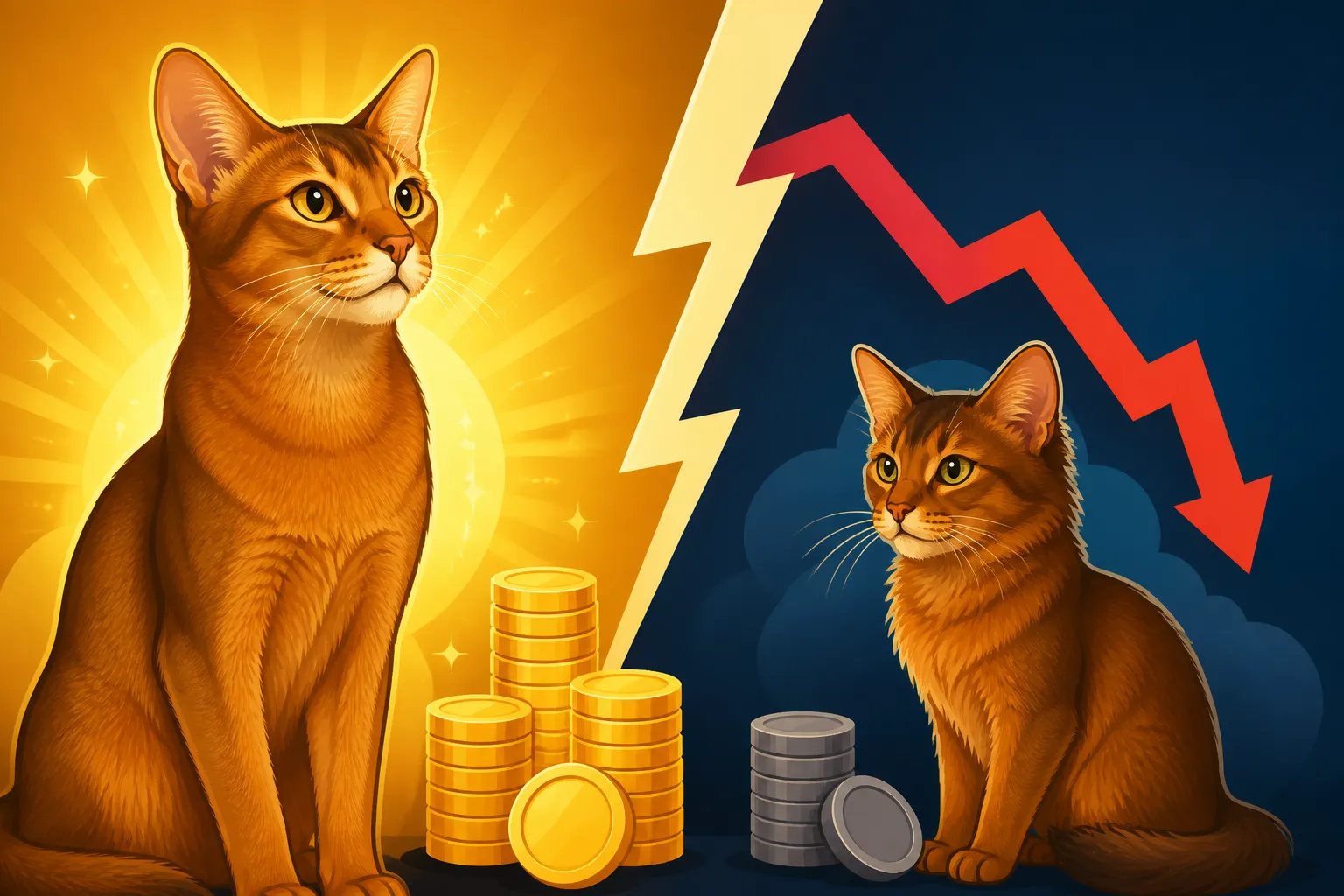
This "non-standard" status usually translates to a lower initial purchase price compared to its short-haired Abyssinian siblings, especially if those siblings are considered show or breeder quality. The pricing reflects that the kitten, despite its purebred Abyssinian parentage, does not conform to the established standard for the breed it was ostensibly born into. It’s important to note that this does not mean the kitten is less healthy, less intelligent, or less loving. It simply means it doesn't fit the specific physical criteria for an Abyssinian exhibition cat. Its value as a pet, however, remains immense, often to owners who specifically seek out its softer, more plumed appearance.
Somali vs. Abyssinian Pricing: A Comparison
To fully grasp the pricing of a Somali littermate, it helps to understand the general cost structure for both Abyssinians and Somalis from reputable breeders. A well-bred, pet-quality Abyssinian kitten typically commands a significant price, reflecting the breeder's investment in health testing, quality care, and pedigree. What a Pet Quality Abyssinian Sells For can range considerably based on location, breeder reputation, and individual kitten characteristics like color. Show-quality Abyssinians, with impeccable conformation and lineage, will naturally be at the higher end of the spectrum, sometimes considerably so.
A true Somali kitten, born to two Somali parents and bred within a recognized Somali breeding program, also has its own price range. Often, Whether a Somali Costs More Than an Abyssinian depends on factors like rarity of color or demand for the breed in a specific region, but generally, their prices are comparable to Abyssinians.
Now, where does a Somali littermate from an Abyssinian litter fit in? Typically, its price will be lower than a standard pet-quality Abyssinian from the same breeder. This reduction reflects its "non-standard" status as an Abyssinian. However, it will still be significantly more expensive than a shelter cat or a mixed breed. You are still paying for the reputable breeder's genetic health testing, early socialization, vaccinations, and the general rarity of a purebred cat. The price reduction essentially compensates for the fact that it's not a standard Abyssinian, even though it shares all the same wonderful personality traits.
Factors That Can Still Influence the Price of a Somali Littermate
While a Somali littermate's price is often reduced compared to its Abyssinian siblings, several elements can still play a role in its final cost. These factors highlight that even "non-standard" kittens are still valued individuals with desirable traits. Firstly, the kitten's color can be a significant influencer. Just as with Abyssinians, certain colors like fawn or blue are considered less common than ruddy or sorrel, and even in a Somali littermate, these rarer colors might command a slightly higher premium. A striking blue Somali littermate, for example, might be priced a little higher than a ruddy one, simply due to its visual appeal and the perception of rarity, despite its long coat.
Secondly, the individual kitten's temperament and personality are huge factors. If a Somali littermate is exceptionally outgoing, playful, and affectionate, these highly desirable pet traits can add to its value. Buyers are often willing to pay a little more for a kitten that has a clearly wonderful disposition, especially since the Abyssinian/Somali personality is a huge part of their appeal. Finally, the overall reputation of the breeder and the health guarantees they offer always impact price. A breeder who transparently shares genetic test results for PK deficiency and PRA-rdAc, provides comprehensive veterinary care, and offers a robust health guarantee instills confidence, making their kittens, even non-standard ones, more valuable. This assurance of a healthy, well-socialized pet is often worth a premium.
Breeder Ethics and Transparency When a Somali Appears
When a Somali littermate appears in an Abyssinian litter, it presents a unique situation for breeders. How they handle this reflects their ethical standards and commitment to the breed. For potential buyers, understanding these practices is key to making a responsible purchase and avoiding less scrupulous individuals.
Responsible Breeding Practices and Genetic Testing
A responsible Abyssinian breeder is fully aware of the possibility of producing long-haired kittens. This isn't a surprise; it's a known genetic trait within the breed's history. Modern genetic testing plays a crucial role here. Reputable breeders will DNA test their breeding cats not only for common hereditary diseases like Pyruvate Kinase Deficiency (PKD) and Progressive Retinal Atrophy (PRA-rdAc) but also for the long-hair gene. This testing reveals whether a cat is clear, a carrier, or affected by these traits. If a breeder knows both their queen and stud are carriers of the long-hair gene, they can predict with a degree of certainty that a Somali kitten might appear in the litter. Why Abyssinian Breeders Test for Long Hair includes the longhair gene, among other crucial health screenings, allowing them to make informed decisions about pairings and potential outcomes.
This proactive approach means breeders can be transparent with potential buyers from the outset. They can explain that while their cats are Abyssinians, some carry the recessive gene, and therefore a long-haired kitten is a possibility. This honesty is a hallmark of ethical breeding. They don't try to hide it or act surprised; they embrace it as part of the genetic tapestry of the breed. Furthermore, responsible breeders prioritize the health of their cats above all else, ensuring that even if a Somali littermate is produced, it receives the same rigorous health checks and care as its short-haired siblings.
How a Reputable Breeder Handles Somali Littermates
When a Somali littermate is born, a reputable Abyssinian breeder follows a clear, ethical protocol. First and foremost, there's open communication with potential buyers. If you've placed a deposit for an Abyssinian kitten and a Somali appears in the litter you're interested in, the breeder will inform you immediately and honestly about the kitten's coat length. They won't try to pass it off as something it's not. They'll explain the genetic background and the implications for showing or breeding.
Secondly, the pricing of the Somali littermate will reflect its "pet-only" status within the context of an Abyssinian breeding program. They will typically be priced lower than the short-haired Abyssinians, acknowledging that they do not meet the Abyssinian breed standard. The breeder will likely include a spay/neuter clause in the contract, ensuring the kitten is placed as a beloved pet and not used in breeding to produce more "non-standard" Abyssinians, unless they are specifically being sold to a breeder who intends to use them in a Somali breeding program. Finally, reputable breeders are committed to finding the best homes for all their kittens, regardless of coat length. They'll ensure the Somali littermate receives the same high level of socialization and care, making sure it's a confident, well-adjusted pet ready for its new family.
Warning Signs of an Irresponsible Breeder
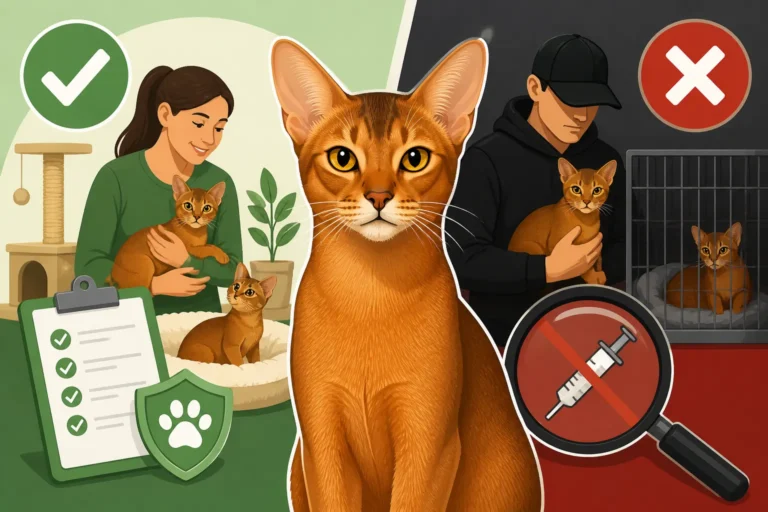
Unfortunately, not all breeders operate with the same high ethical standards. The appearance of a Somali littermate can sometimes be a red flag if the breeder behaves deceptively. One major warning sign is when a breeder tries to capitalize on the kitten's unique appearance by marketing it as "rare," "exotic," or a "special long-haired Abyssinian" to inflate its price. This is manipulative and misrepresents the kitten's true status. While a Somali littermate is certainly special, it's not "rare" in a way that should warrant an inflated price; it's a known genetic variation. You should be wary of any breeder that uses language like this, as Why an Abyssinian Advertised as Rare Is a Warning generally applies across the board.
Another huge red flag is a lack of transparency regarding genetic testing. If a breeder refuses to show you the DNA test results of the parents for the long-hair gene (or for health conditions like PK deficiency and PRA-rdAc), it's a cause for concern. They might be trying to hide the fact that they knowingly bred two carriers, or they might not be testing at all. How to Spot an Abyssinian Breeder Who Does Not Test is crucial, and a lack of testing is a serious disservice to the health and integrity of the breed. Furthermore, an irresponsible breeder might offer the kitten at an unusually low price without proper health guarantees, vaccinations, or a spay/neuter contract. They might be more interested in a quick sale than in the welfare of their kittens or the integrity of their breeding program. Always prioritize breeders who are open, honest, and put the health and well-being of their cats first.
The Somali Littermate as a Companion Animal
So, you've met this fluffy surprise and fallen in love. The coat length might be different, but what about everything else? The good news is that a Somali littermate carries all the wonderful traits that make Abyssinians such cherished companions. They are, at heart, the same vibrant, intelligent, and affectionate cats, just with a little more fluff.
Personality and Temperament: Are They Different?
One of the most appealing aspects of the Abyssinian breed is their extraordinary personality. They are often described as the "Clowns of the Cat World" for a reason. Energetic, curious, and incredibly interactive, Abyssinians love to be involved in everything their human companions are doing. They are renowned for their playful antics, their love of heights, and their constant need for mental and physical stimulation. They might not be lap cats in the traditional sense, but they are always close by, observing, participating, and often "helping" with household tasks. This effervescent nature means that Why the Abyssinian Is Called the Clown of Cats is a deeply ingrained part of their breed identity.
A Somali littermate, being genetically an Abyssinian with a long coat, inherits this exact same delightful temperament. You can expect the same boundless energy, the same cleverness, and the same inquisitive nature. They will follow you from room to room, perch on your shoulder, and engage in vigorous play sessions. If anything, the luxurious coat might make their playful pounces and graceful leaps even more dramatic! Any slight differences in personality often stem more from individual variation within a litter than from the coat length itself. You're getting an Abyssinian in every sense but the short fur.
Care Requirements: Grooming and Health
While the personality remains consistent, the care requirements for a Somali littermate will differ slightly from its Abyssinian siblings, primarily in the grooming department. An Abyssinian's short, close-lying ticked coat is famously low maintenance, requiring minimal brushing. Indeed, The Ticked Coat Is the Whole Abyssinian Grooming Job is often just a quick weekly run-through with a rubber mitt or a chamois cloth to bring out its sheen.
For a Somali littermate, however, the semi-long coat will require a bit more attention. While it's not as demanding as a Persian's full-length fur, regular brushing (two to three times a week) will be necessary to prevent mats and tangles, especially on the ruff, breeches, and plumed tail. A fine-toothed comb and a soft bristle brush are good tools to keep their fur looking its best. Beyond grooming, the health considerations remain largely the same as for Abyssinians. This means a proactive approach to dental care is crucial, as Abyssinians are prone to juvenile gingivitis and other gum issues. Why Abyssinian Dental Work Is the Biggest Line in the Budget for many owners, underscoring the importance of regular brushing at home and professional cleanings as recommended by your vet. Maintaining a healthy diet and providing plenty of opportunities for exercise are also paramount for both breeds.
Why a Somali Littermate Might Be the Perfect Pet for You
For many cat lovers, a Somali littermate offers a unique and highly desirable combination of traits. If you're captivated by the Abyssinian's vivacious personality, their intelligence, and their constant engagement, but you've always wished for a slightly softer, more luxurious coat, then a Somali littermate could be your ideal companion. They offer all the "Abby" charm wrapped in a beautiful, flowing package.
Beyond aesthetics, these kittens often represent an excellent value proposition. Because they don't conform to the strict Abyssinian show standard, they are typically available at a more accessible price point than their short-haired siblings, while still carrying the full health guarantees and responsible breeding practices of a reputable cattery. This means you can get a cat with excellent lineage and a proven healthy background without the "show quality" premium. Furthermore, owning a Somali littermate means embracing a unique story – a beautiful cat that highlights the fascinating genetic heritage of the Abyssinian breed. You're not just getting a pet; you're getting a conversation starter, a living piece of feline history, and a stunning, active companion who will fill your home with joy and playful energy.
Long-Term Costs and Considerations
Bringing any pet into your home is a long-term commitment, and the initial purchase price is just the tip of the iceberg. For a Somali littermate, just like an Abyssinian, you need to budget for ongoing care. Understanding these expenses upfront helps ensure you can provide a happy, healthy life for your feline friend.
Annual Costs: Vet Care, Food, and Supplies
The annual costs of owning a Somali littermate are, for the most part, identical to those for an Abyssinian. Your primary expenses will revolve around high-quality nutrition, routine veterinary care, and essential supplies. Cats, especially active and intelligent breeds like Abyssinians and Somalis, thrive on premium cat food. While the exact budget depends on the brand and type of food (wet, dry, or a combination), you'll want to ensure it's high in animal protein to support their lean muscle mass and energy levels.
Routine vet visits are non-negotiable, encompassing annual check-ups, vaccinations, and parasite prevention. These preventative measures are crucial for catching potential health issues early. Beyond that, you'll need to account for litter, toys (because an Abyssinian/Somali goes through toys!), scratching posts, and potentially cat trees or wall-mounted shelving to satisfy their love for climbing. You might find great deals on these essentials from online retailers like Chewy, making it easier to manage your budget for quality items. It’s important to remember that What an Abyssinian Costs to Keep Every Year is a significant sum, and a Somali littermate falls squarely into that budget range.
Potential for Higher Grooming-Related Expenses
While the Somali's coat isn't as demanding as some long-haired breeds, it does require more consistent grooming than an Abyssinian. This can translate to slightly higher grooming-related expenses, though often manageable at home. You'll need to invest in good quality grooming tools: a sturdy metal comb, a soft bristle brush, and potentially a dematting tool if your cat is prone to tangles. Weekly brushing will be essential, and some owners might opt for occasional professional grooming sessions to maintain their cat's pristine coat, especially if they struggle to keep up with it themselves.
These additional costs are usually minimal compared to other aspects of cat care, but they are a factor to consider. Furthermore, consistent grooming isn't just about aesthetics; it's also a great bonding experience and allows you to routinely check your cat's skin, coat, and overall body condition, catching any lumps, bumps, or irritations early. Investing in good tools and establishing a routine from kittenhood will make grooming a pleasant experience for both of you.
Pet Insurance: A Smart Investment for Any Purebred
One of the smartest investments you can make for any purebred cat, including a Somali littermate, is pet insurance. While responsible breeders conduct extensive health testing to minimize the risk of inherited diseases, no genetic screen is foolproof, and accidents or unexpected illnesses can always occur. The Abyssinian and Somali breeds can be predisposed to certain conditions, such as Pyruvate Kinase Deficiency (PKD) and Progressive Retinal Atrophy (PRA-rdAc), which breeders test for, but also other issues like kidney disease (amyloidosis) for which there isn't a genetic test.
An unexpected illness or injury can quickly lead to veterinary bills soaring into the thousands, causing significant financial stress. Pet insurance can provide invaluable peace of mind, allowing you to make medical decisions based on what's best for your cat, rather than your wallet. Providers like Healthy Paws offer comprehensive coverage that can help cover these unforeseen costs, making it a worthy consideration. Starting insurance early, ideally before your kitten's first birthday, is often best to avoid pre-existing condition clauses. As stated in Whether Pet Insurance Is Worth It for an Abyssinian, it absolutely can be, especially for a breed with specific health predispositions.
Making an Informed Decision
Deciding to bring a Somali littermate into your home is exciting, but it's important to do so with a clear understanding of what you're getting. An informed decision ensures a happy, healthy relationship for years to come.
Questions to Ask the Breeder About Somali Littermates
When you're considering a Somali littermate, don't be shy about asking your breeder detailed questions. A reputable breeder will welcome your inquiries and provide honest, thorough answers. Start by asking about the parentage: both the queen and the stud. Inquire specifically about their genetic testing results for the long-hair gene, as well as for Pyruvate Kinase Deficiency (PKD) and Progressive Retinal Atrophy (PRA-rdAc). They should be able to provide documentation from a reputable laboratory. This transparency is paramount for understanding the kitten's genetic health.
Next, delve into the health guarantee. What does it cover? How long does it last? Does it specifically address inherited conditions? A good breeder stands behind the health of their kittens. Discuss the contract terms, particularly if the kitten is being sold as "pet-only." Ensure you understand the spay/neuter requirements and any clauses regarding rehoming should your circumstances change. Lastly, ask about the kitten's socialization. How has it been raised? Has it been exposed to household sounds, other pets, and children? A well-socialized kitten will adapt much more easily to its new home.
Prioritizing Health and Temperament Over Show Status
It's easy to get caught up in the allure of "purebred" and "show quality," but when you're choosing a companion animal, health and temperament should always be your top priorities. A Somali littermate, despite not meeting the Abyssinian breed standard for coat length, is not "defective" or "inferior." It is a healthy, genetically sound cat with all the wonderful personality traits of its Abyssinian heritage. Its long coat is simply an expression of a recessive gene, much like a human having red hair when neither parent does.
Focusing on health means verifying the parents' genetic tests and ensuring the kitten has received proper veterinary care, vaccinations, and deworming. Prioritizing temperament means choosing a kitten that is confident, playful, and responsive, demonstrating the quintessential Abyssinian outgoing nature. Don't let the "non-standard" label diminish your appreciation for a kitten that is otherwise perfect. A beautiful coat means little if the cat is unhealthy or poorly socialized. A Somali littermate is a purebred Abyssinian in every way that truly matters for a companion animal.
Embracing the Unique Charm of a Somali Littermate
Ultimately, choosing a Somali littermate is about embracing its unique charm. You're getting a cat with the stunning, active, and intelligent personality of an Abyssinian, combined with the elegant, flowing coat of a Somali. It's truly the best of both worlds for many cat enthusiasts. These cats are graceful athletes, always on the go, exploring, playing, and interacting with their environment and their people. They will climb to the highest perches in your home, chase toys with boundless enthusiasm, and engage you in endless games.
The slightly longer coat offers a visual softness and a luxurious feel that is distinct from the short-haired Abyssinian, adding another layer of beauty to their already striking appearance. You'll enjoy grooming them, marveling at their plumed tail, and watching their fur shimmer as they bound through your home. A Somali littermate is a testament to the rich genetic diversity within the Abyssinian breed and offers a wonderful opportunity to welcome a truly special feline into your life, one that will undoubtedly bring years of joy, laughter, and affectionate companionship.
| Trait | Standard Abyssinian | Somali Littermate |
|---|---|---|
| Initial Price (Pet Q.) | Higher end for recognized breed, health guarantees. | Often lower than a standard Abyssinian pet. |
| Coat Length | Short, fine, close-lying, ticked. | Semi-long, full, plumed tail, ticked. |
| Show Eligibility | Yes, if meets breed standard. | No, considered "non-standard" as an Abyssinian. |
| Temperament | Active, intelligent, curious, affectionate, playful. | Active, intelligent, curious, affectionate, playful (identical). |
| Grooming Needs | Minimal, weekly rub with mitt. | Moderate, 2-3 times a week brushing to prevent mats. |
| Health Considerations | Prone to PK def., PRA-rdAc, amyloidosis, dental issues. | Same as Abyssinian; shared genetic predispositions. |
Disclaimer
This article is for general informational purposes only and does not constitute professional advice. Laws, prices and regulations vary by location and change over time. Consult a qualified professional for guidance on your specific situation.