How Much a Fawn Abyssinian Costs
Bringing a new furry family member into your home is such an exciting time, especially when that member is an Abyssinian. But let's be real, while the thought of those stunning ticked coats and playful personalities is thrilling, the practical side of things—like the cost—can feel a bit daunting. Specifically, if your heart is set on a beautiful fawn Abyssinian, you might be wondering how their unique coloring impacts the price tag and what you're truly getting into financially. This guide will walk you through everything from the initial purchase price of a fawn Abyssinian to the ongoing expenses, helping you understand the real commitment involved so you can be fully prepared for this wonderful addition to your life.
The Initial Investment: What Drives a Fawn Abyssinian's Price Tag
When you first start looking for a purebred cat, the sticker shock can be real. Abyssinians, in general, command a higher price than your average rescue cat, and within the breed, specific colors like fawn can sometimes carry an even heftier tag. It's not just about the cuteness factor; there are very real, tangible reasons behind these figures, rooted in genetics, responsible breeding practices, and the simple laws of supply and demand.
Rarity and Demand: Why Fawn Isn't Your Cheapest Option
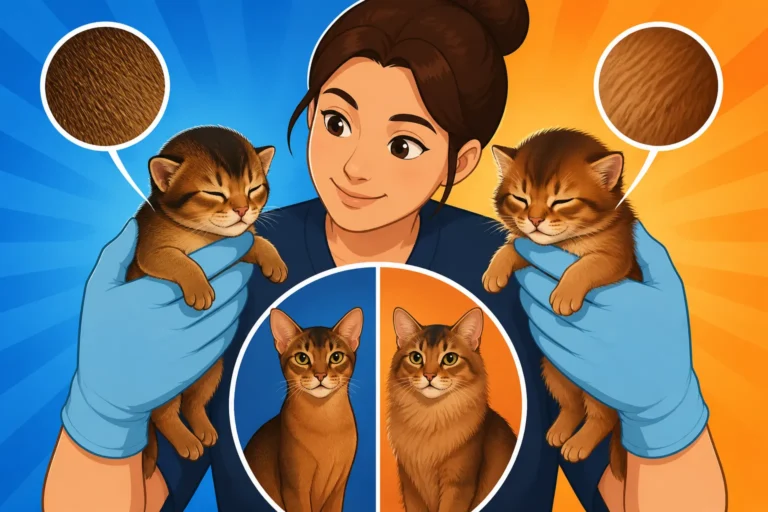
Fawn Abyssinians are absolutely stunning, with their delicate, warm cream coats tipped with darker fawn, giving them an ethereal, almost pastel appearance. This color is genetically a dilute version of sorrel, meaning a fawn cat has two copies of the dilution gene and at least one copy of the sorrel gene. Because of this specific genetic combination, fawn is less common than the more prevalent ruddy (wild) and sorrel (red) colors, and even slightly less common than blue. When something is rarer, especially something as aesthetically pleasing as a fawn Abyssinian, the demand from discerning owners and breeders naturally drives up the price.
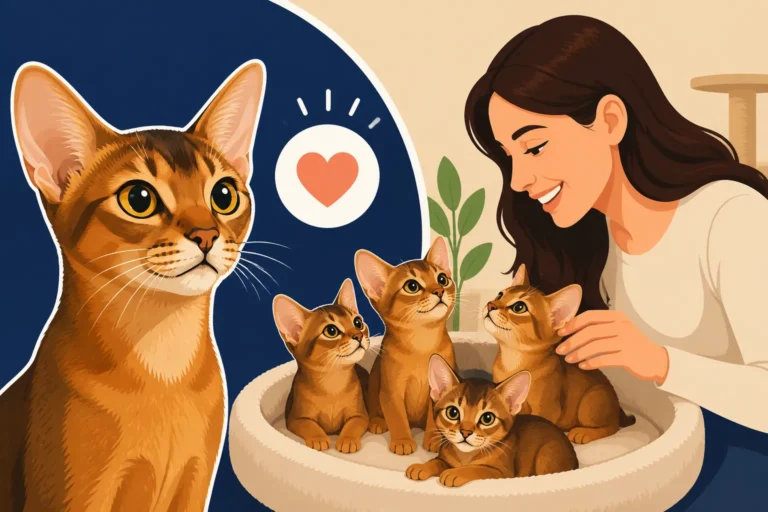
Breeders who consistently produce fawn kittens often invest a great deal of time and genetic planning into their lines. They're working with a more specific genetic blueprint, which can mean smaller litter sizes or fewer fawn kittens per litter compared to other colors. This scarcity, combined with the desirability of their unique beauty, contributes significantly to their premium price. You're not just buying a cat; you're often paying for the careful, selective breeding that made that particular color possible and healthy.
Breeder Reputation and Health Guarantees
The price of a fawn Abyssinian is heavily influenced by the reputation and ethics of the breeder you choose. A truly responsible breeder isn't just someone who produces kittens; they are custodians of the breed's health, temperament, and genetic integrity. They invest significant resources into their breeding program long before a kitten ever goes to a new home. This includes comprehensive health testing for the parent cats, ensuring they are clear of common Abyssinian genetic diseases like Pyruvate Kinase Deficiency (PKD) and Progressive Retinal Atrophy (PRA-rdAc). They will also screen for other health concerns, manage a clean cattery environment, and provide excellent nutrition and early socialization for their kittens.
These rigorous standards aren't cheap. The cost of DNA testing, veterinary check-ups, high-quality food, proper facilities, and the sheer time commitment all factor into the kitten's price. When you purchase a fawn Abyssinian from a reputable breeder, you're not just paying for the kitten itself, but for the assurance that it comes from healthy lines, has received its initial vaccinations, deworming, and often a microchip. Many breeders also offer a health guarantee, which provides peace of mind regarding congenital or genetic conditions, underscoring their commitment to the health of their animals. It's crucial to understand What an Abyssinian Breeder Should Have Tested Before You Buy because these tests directly impact the long-term health and, therefore, the long-term cost of your cat.
Show Quality vs. Pet Quality Fawn Abyssinians
Another factor that can significantly affect the initial purchase price of a fawn Abyssinian is whether the kitten is designated as "pet quality" or "show quality." Most people are looking for a beloved companion, and for them, a pet quality Abyssinian is perfectly wonderful. These kittens are healthy, beautiful, and possess the delightful Abyssinian personality, but they might have a slight variation from the strict breed standard that would prevent them from being highly competitive in the show ring. This could be something minor like an ear set that's a tiny bit too high, a coat pattern that isn't absolutely perfect, or even just being a little smaller or larger than the ideal. These aesthetic quirks don't impact their health or their ability to be an amazing pet, and often, they are priced a bit lower.
Show quality fawn Abyssinians, on the other hand, are kittens that closely adhere to the breed standard in terms of physical conformation, coat color, ticking, and overall appearance. These are the kittens that breeders believe have the potential to excel in cat shows. Because of their exceptional qualities and potential to represent the breed, they typically command a higher price. It's important to note that even a "show quality" kitten isn't guaranteed to be a grand champion; development, training, and even a bit of luck play a role. However, the initial investment reflects that potential. Regardless of whether you choose a pet or show quality kitten, the most important thing is that it comes from a reputable breeder committed to health and temperament.
Beyond the Purchase: The First Year's Essential Expenses
Bringing a fawn Abyssinian home isn't just about the initial purchase price; it's about the entire first year of their life, which is often the most expensive. There's a lot to set up, from veterinary visits to making your home a safe and stimulating environment for an active, curious Abyssinian kitten. Understanding these initial costs can help you budget effectively and ensure your new companion has everything they need to thrive.
Initial Vet Care and Vaccinations
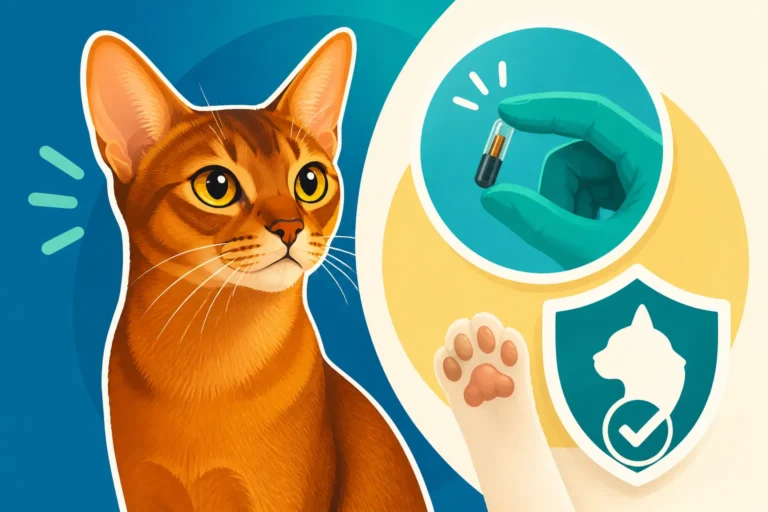
The first few months of your fawn Abyssinian's life will involve several trips to the veterinarian. A responsible breeder will have started the vaccination series and deworming, but your kitten will likely need booster shots to complete their immunity. These initial vet visits are crucial for establishing a baseline of health, discussing preventative care, and addressing any immediate concerns. Beyond vaccinations, your vet will perform a thorough examination, check for parasites, and advise on flea and tick prevention. This is also the time to discuss microchipping if your kitten hasn't already been done so by the breeder.
Perhaps the most significant veterinary expense in the first year, after the initial kitten series, will be the spay or neuter surgery. This is a crucial procedure for your cat's health and to prevent unwanted litters. The cost can vary depending on your location and veterinary clinic. Remember, Abyssinians can be prone to certain health issues, so starting with a solid foundation of preventative care is key. It's really important to get your little fawn Abyssinian in to see the vet early, as discussed in Why an Abyssinian Kitten Needs an Early Vet Visit, to catch any potential issues and set them up for a healthy life.
Setting Up Your Fawn Abyssinian's Home
Abyssinians are known for their boundless energy and their love for climbing and exploring. This means simply buying a food bowl and a litter box isn't going to cut it. You'll need to invest in a proper setup that caters to their unique needs, ensuring they have plenty of vertical space and enrichment to prevent boredom and potential destructive behaviors. A tall, sturdy cat tree is an absolute must-have. Abyssinians love to perch high and survey their kingdom. Don't skimp here; a flimsy tree won't last long with an active Abyssinian. Beyond just one tree, consider wall-mounted shelves or other vertical climbing structures. You'll find a fantastic array of options for these essentials on sites like Chewy, making it easy to outfit your home.
In addition to climbing structures, you'll need multiple scratching posts (both vertical and horizontal), a comfortable bed or two (though they often prefer sleeping with you!), and a good selection of toys. Puzzle feeders are excellent for stimulating their intelligent minds and slowing down their eating, and interactive wand toys are essential for burning off that boundless energy. Don't forget the basics: food and water bowls, a comfortable carrier for vet visits, and several litter boxes. Abyssinians are generally fastidious, so ensure the boxes are clean and appealing. Remember, Why an Abyssinian Needs a Tall Cat Tree isn't just about fun; it's vital for their well-being.
Food and Litter: Sustaining That Abyssinian Energy
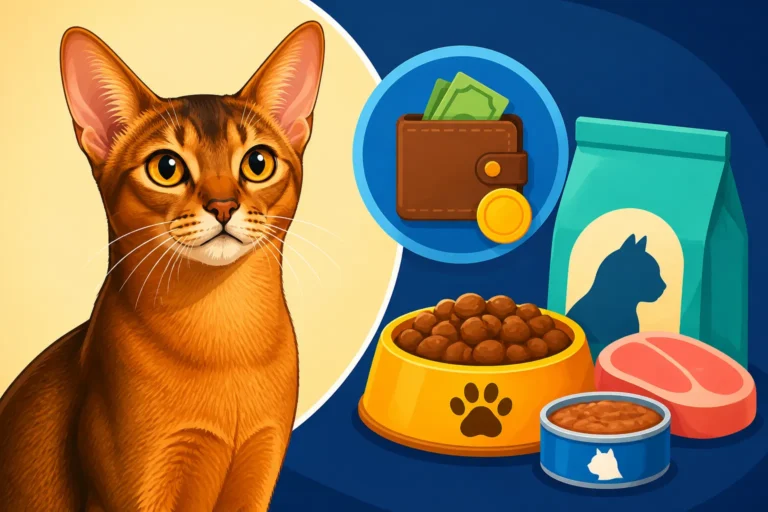
The energy level of an Abyssinian is legendary, and fueling that lean, muscular body requires a high-quality diet. You'll want to invest in premium cat food, ideally a combination of wet and dry, that is rich in animal protein. Unlike some larger, lazier breeds, an Abyssinian burns a lot of calories, so their food needs to reflect that. It’s not just about quantity, but quality. Look for foods with real meat as the first ingredient and avoid excessive fillers. While an Abyssinian might be smaller than a Maine Coon, their metabolism often means they eat more than you might expect for their size.
Wet food is particularly important for Abyssinians. They are a breed that can be predisposed to kidney issues, and the high moisture content in wet food helps support kidney health and ensures adequate hydration. When it comes to litter, choose a good quality, dust-free clumping litter. Abyssinians are clean cats, and a poor litter experience can sometimes lead to litter box aversion. Expect to go through a fair amount of litter each month, especially if you have multiple boxes. All these factors contribute to What an Abyssinian Eats in a Month and can add up over time.
Ongoing Care: Annual and Lifetime Costs of a Fawn Abyssinian
The first year might be the most intense in terms of setting up, but owning a fawn Abyssinian is a long-term commitment that spans 12-15 years or even more. Throughout their life, ongoing care, particularly veterinary attention, will be a significant part of your budget. These aren't just unexpected expenses; they're essential investments in your beloved companion's health and happiness.
Routine Veterinary Check-ups and Preventative Care
Once your fawn Abyssinian is past kittenhood, annual veterinary check-ups become a cornerstone of their long-term health plan. These visits aren't just for vaccinations; they allow your vet to monitor your cat's overall health, catch potential issues early, and discuss preventative measures. Your vet will perform a physical exam, check their weight (which is important for Abyssinians as Why a Lean Abyssinian Hides Illness Longer Than a Heavy Cat), listen to their heart and lungs, and assess their dental health. Routine blood work might also be recommended, especially as your Abyssinian gets older, to monitor kidney function and other internal organ health.
Preventative care also includes ongoing flea, tick, and heartworm prevention, which are crucial even for indoor cats. The cost of these medications and annual visits can vary, but it's a predictable expense that you should factor into your yearly budget. Staying on top of routine care is the best way to ensure your fawn Abyssinian lives a long, vibrant life and helps avoid more costly emergency interventions down the line. It's truly an investment in their well-being.
Dental Care: A Major Consideration for Abyssinians
If there's one area where Abyssinians can rack up significant veterinary bills, it's dental care. They are notoriously prone to juvenile gingivitis, which can start as early as six months of age, and progress to more severe periodontal disease and tooth resorption if not managed aggressively. This isn't just about bad breath; dental disease can lead to pain, infection, and even impact systemic health. Your fawn Abyssinian will likely need professional dental cleanings under anesthesia more frequently than many other breeds. Why Abyssinian Dental Work Is the Biggest Line in the Budget is a reality for many owners.
Regular brushing at home can help, but it often isn't enough to prevent the need for professional cleanings. These cleanings can include scaling, polishing, and sometimes even extractions if teeth are severely affected. The cost for these procedures can be substantial, especially if multiple teeth need to be removed. It's a critical aspect of their care, and understanding How Juvenile Gingivitis Starts in an Abyssinian Kitten is key to starting preventative measures early and budgeting for what will likely be an ongoing, essential expense throughout their life.
Insurance and Emergency Funds: Planning for the Unexpected
Even with the best preventative care and a responsible breeder, health issues can arise, or accidents can happen. This is where pet insurance or a dedicated emergency fund becomes invaluable. Pet insurance, like that offered by Healthy Paws, can help cover a significant portion of unexpected veterinary bills, from emergencies to chronic illnesses. Considering the potential for dental issues and other breed-specific conditions, having insurance can provide immense peace of mind and prevent you from having to make difficult financial decisions during a stressful time. It's often recommended to get insurance while your fawn Abyssinian is young and healthy, before any pre-existing conditions can be noted.
An emergency fund, if you opt against insurance or in addition to it, serves a similar purpose. Setting aside a specific amount each month ensures that you have funds available for any unforeseen circumstances. Whether it's a sudden illness, an injury from a playful tumble, or an unexpected diagnosis, having these financial safeguards in place is a responsible part of pet ownership. Many Abyssinian owners find that Whether Pet Insurance Is Worth It for an Abyssinian usually comes down to weighing the monthly premium against the potential for high, unexpected costs. Given the breed's active nature and specific health predispositions, it often proves to be a wise investment.
Hidden Costs and Long-Term Value of a Fawn Abyssinian
While we focus a lot on the tangible costs, there are also "hidden" or less obvious expenses that accumulate over a fawn Abyssinian's long life. These often relate to their specific behaviors and need for enrichment, but also include practical considerations like pet-sitting. However, amidst all these figures, it's important to remember the immeasurable value that these incredible cats bring to our lives.
Enrichment and Environment Upgrades
An Abyssinian’s intelligence and energy mean they require constant mental and physical stimulation. Those initial cat trees and toys? They won't last forever. Expect to replace scratching posts, wand toys, and puzzle feeders as they wear out or as your cat gets bored with them. Furthermore, as you learn more about your fawn Abyssinian's preferences, you might find yourself investing in more sophisticated enrichment items. This could include adding more elaborate wall-mounted climbing shelves, building a secure outdoor "catio" to allow them safe outdoor access, or trying out new, engaging toys. Sites like Chewy are excellent for finding these ongoing enrichment items.
The cost of maintaining a stimulating environment can be continuous. Abyssinians are known for their playful "destructive" tendencies if bored, so providing appropriate outlets for their energy is crucial. They love to push things off shelves, explore cabinets, and chew on things they shouldn't if not properly entertained. Therefore, the ongoing investment in enrichment isn't just about fun; it's about protecting your home and preventing behavioral issues. Understanding Why an Abyssinian Destroys Cheap Furniture Faster can help you make smarter, more durable purchases in the long run.
Travel, Boarding, or Pet Sitting
Life happens, and sometimes you need to travel without your feline friend. When this occurs, you'll need to budget for their care while you're away. Boarding facilities specifically for cats can be a good option, providing a safe environment with staff to look after your Abyssinian's needs. However, not all Abyssinians cope well with changes in environment, and some can become stressed in a new place. The cost of boarding varies widely depending on the facility and the length of stay.
Alternatively, hiring a professional pet sitter to visit your home can be an excellent choice for an Abyssinian. They get to stay in their familiar environment, maintaining their routine, which can be less stressful for them. Pet sitters typically charge per visit, and the cost will depend on how many visits per day your cat requires. For some owners, having a trusted friend or family member cat-sit is an option, but even then, you might incur costs for food or other supplies. It’s important to plan for What to Do With an Abyssinian While You Travel as part of your overall ownership budget.
The Intangible Value: Why a Fawn Abyssinian is Worth It
While we've meticulously broken down the various costs associated with owning a fawn Abyssinian, it's crucial to acknowledge that their true value extends far beyond any monetary figure. A fawn Abyssinian brings an unparalleled level of companionship, joy, and entertainment into your home. Their playful antics, intelligent gazes, and affectionate (though rarely lap-sitting) nature create a bond that is deeply enriching. They become active, integral members of the family, always curious, always involved.
The purrs, the headbutts, the excited chirps, the way they "help" you with every task—these are moments that are priceless. They encourage you to be more active, to think creatively about enrichment, and to simply enjoy the present moment. For many Abyssinian owners, the investment in their health, well-being, and happiness is a small price to pay for the immense love and laughter these captivating cats provide for well over a decade. The emotional return on investment is, quite simply, immeasurable.
Comparing Fawn Abyssinian Costs to Other Colors and Breeds
It's natural to wonder how the cost of a fawn Abyssinian stacks up against other Abyssinian colors or even different cat breeds entirely. Understanding these comparisons can help manage expectations and provide context for your financial planning. While all Abyssinians share similar care needs, the initial purchase price can vary significantly based on aesthetics and rarity.
Fawn vs. Ruddy, Sorrel, and Blue Abyssinian Pricing
As discussed, the fawn Abyssinian often sits at the higher end of the price spectrum within the breed due to its relative rarity and unique beauty. To give you a better idea, here's a general comparison of how different Abyssinian colors typically stack up in terms of initial purchase price from a reputable breeder. Please remember that these are ranges and can fluctuate based on the breeder's location, reputation, the kitten's lineage, and whether it's pet or show quality.
| Abyssinian Color | Typical Price Range (from reputable breeder) | Rarity & Demand | Key Characteristics |
|---|---|---|---|
| Ruddy (Usual) | Lower to Mid-Range | Most Common | Classic warm brown/black ticking, orange-brown undercoat. Often considered the "original" Abyssinian color. |
| Sorrel (Red) | Mid-Range | Fairly Common | Copper-red ticking with chocolate-brown bands, apricot undercoat. Striking and vibrant. |
| Blue | Mid-High Range | Less Common | Soft grey/slate blue ticking with a warm cream or oatmeal undercoat. A beautiful, diluted color. |
| Fawn | High-Range | Rarer | Delicate warm cream ticking with rose-beige or darker fawn bands, palest undercoat. A dilute sorrel, known for its soft, ethereal look. |
| Cream (Rare) | Highest Range | Very Rare | Extremely pale, almost white coat with very faint warm cream ticking. Genetically a dilute fawn. Often the most expensive. |
As you can see, the fawn sits comfortably in the higher price brackets, only being potentially surpassed by the exceedingly rare cream color. Why a Cream Abyssinian Female Costs the Most illustrates how genetic rarity and the difficulty in consistently producing certain colors directly correlates with a higher price tag. When you choose a fawn, you are opting for a color that requires specific genetic planning and is not as frequently seen in litters, contributing to its premium.
Abyssinian vs. Other Popular Cat Breeds
When you look at the total cost of ownership, an Abyssinian's expenses are generally comparable to, or perhaps slightly higher than, many other purebred cats, but significantly more than a domestic shorthair. The initial purchase price for a purebred can vary wildly, with some breeds like Bengals or certain rare exotics commanding even higher prices than Abyssinians. However, Abyssinians are known for their robustness and generally good health when sourced from a responsible breeder, which can help mitigate some long-term vet costs compared to breeds known for more widespread genetic health issues.
Where Abyssinians might incur higher ongoing costs compared to some other breeds is in their need for enrichment and dental care. Their high energy and intelligence mean you'll be replacing toys and upgrading climbing structures more often. Their predisposition to dental issues means more frequent professional cleanings. Breeds with longer coats, like Persians or Maine Coons, might have higher grooming costs, while larger breeds simply eat more food. Therefore, while the initial fawn Abyssinian purchase might be higher, the lifetime costs are balanced by their specific needs. Understanding factors like How Abyssinian Lifespan Compares to a Bengal's can give you a better overall picture of the long-term investment in a specific breed. Ultimately, owning an Abyssinian, regardless of color, is a commitment that requires financial planning for a vibrant, active, and long-lived companion.
Disclaimer
This article is for general informational purposes only and does not constitute professional advice. Laws, prices and regulations vary by location and change over time. Consult a qualified professional for guidance on your specific situation.