What Silver Adds to an Abyssinian’s Price
You've fallen head over heels for the Abyssinian cat, and you're doing your research, as any good prospective owner should. Perhaps you've seen photos of those stunning, ethereal silver Abyssinians, and a little bell goes off in your head: "That looks fancy, what's the catch?" It's a completely fair question! When you start looking into specific colors, especially less common ones, the price tags can certainly make you pause. This guide will walk you through what makes a silver Abyssinian distinct, why its price might differ from its more common counterparts, and what to expect beyond that initial cost.
The Spectrum of Abyssinian Colors and Their General Valuation
Before we dive into silver, it's helpful to understand the traditional palette of the Abyssinian breed. These aren't just pretty shades; they represent the genetic foundation and history of these magnificent cats. Each color has its own unique charm, and generally, breeders price them based on several factors, including demand, show quality, and the sheer effort involved in maintaining strong, healthy lines for less common varieties.
The Core Four: Ruddy, Sorrel, Blue, Fawn
These are the bedrock colors recognized by most major cat registries, like the CFA (Cat Fanciers' Association) and TICA (The International Cat Association). They form the vast majority of Abyssinian kittens you'll encounter.
- Ruddy (Usual in the UK): This is the classic, "wild" Abyssinian color, a warm, reddish-brown ticked with black. Think of a tiny cougar. It’s often considered the baseline, and consequently, a ruddy kitten might represent the lower end of the Abyssinian price range, simply because it's the most common and historically prevalent. Don't mistake "lower end" for "cheap" – Abyssinians are never cheap, but ruddy might be the most accessible.
- Sorrel (Red in some regions): A beautiful cinnamon-red, ticked with chocolate. Sorrel Abyssinians are vibrant, warm, and highly sought after. Their striking appearance often places them at a slightly higher price point than ruddies, reflecting their popularity and the specific breeding to achieve this rich hue. Why a Sorrel Abyssinian Is Priced Differently is a common question, and it often comes down to this demand.
- Blue: This isn't a true grey, but rather a soft, warm grey-blue ticked with slate. Blue Abyssinians have an undeniable elegance and a somewhat rare appeal compared to ruddy or sorrel. They are dilute versions of ruddy. As a dilute, they are less common, which can naturally increase their price.
- Fawn: The dilute of sorrel, fawn is a warm, rosy cream or beige, ticked with a deeper cream or pale cocoa. Fawn Abyssinians are incredibly delicate and beautiful, and they are often considered the palest of the recognized colors. Due to their relative rarity and the specific genetic pairings required to produce them, Why Blue and Fawn Abyssinians Cost More is easily understood, placing them generally in a similar pricing tier or even a bit higher than blues.
These four colors dictate a significant part of an Abyssinian's initial purchase price. The exact figure will always vary wildly depending on the breeder, location, pedigree, and whether the kitten is pet quality or show quality. You can always refer to general breakdowns like How Much a Pet Abyssinian Costs From a Breeder and How Much a Show Abyssinian Costs for more context.
The Intrigue of Silver: What It Really Means
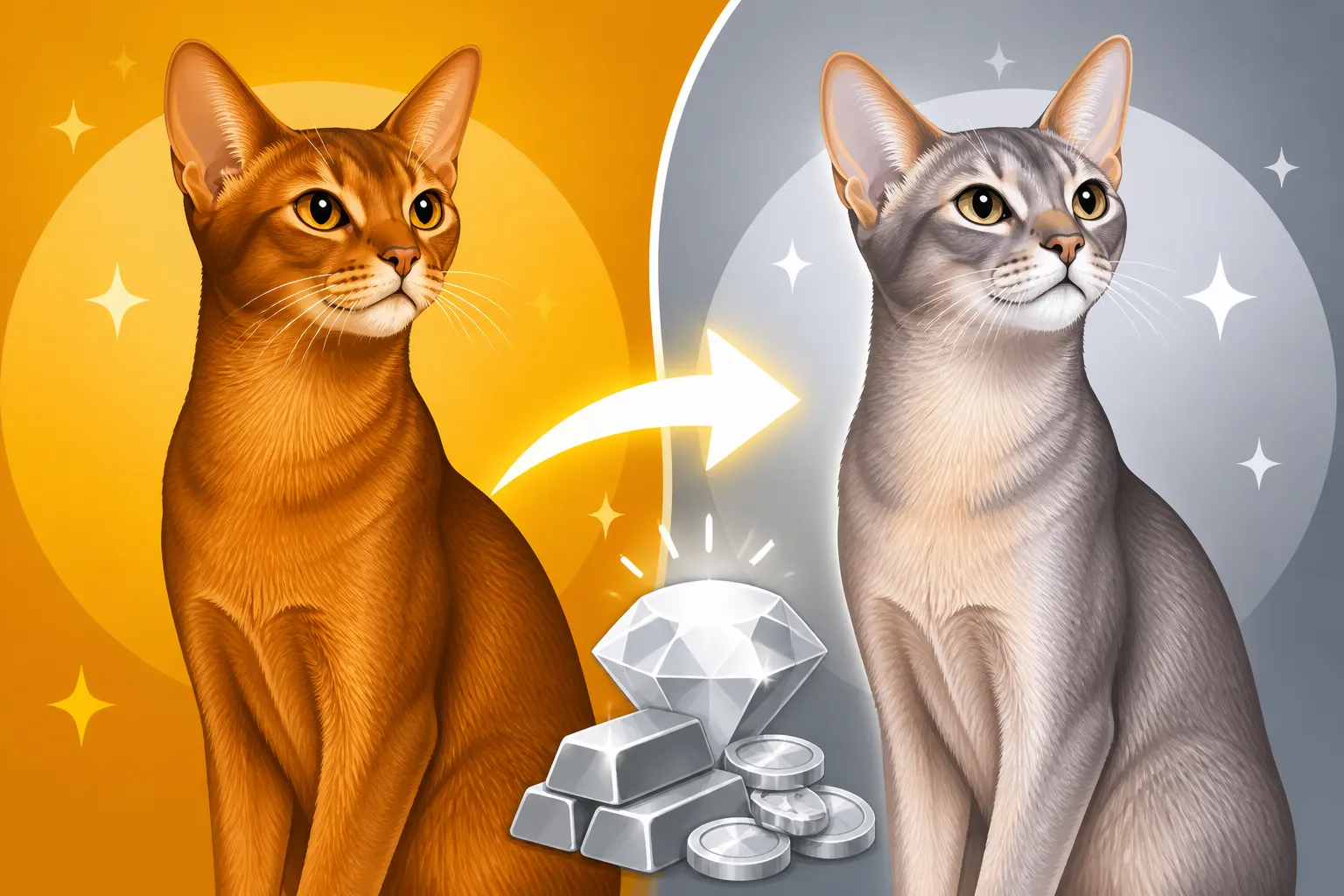
When you see a silver Abyssinian, it truly stands out. The richness of the ticking against a cool, crisp silver undercoat is breathtaking, almost shimmering. It's a striking departure from the warm tones usually associated with the breed, and this distinct look is precisely why it generates so much interest and, often, a higher price tag.
The Silver Gene: Explaining the Inhibitor Gene
At the heart of a silver Abyssinian is a genetic modifier known as the "inhibitor gene" (I gene). What this gene does is quite clever: it suppresses the warm, yellow or red pigment (known as phaeomelanin) in the hair shaft, particularly at the base.
Think of it this way: a regular Abyssinian hair has bands of color – typically a warm, ruddy, or sorrel band alternating with a darker band. The inhibitor gene essentially "washes out" or suppresses that warm band, turning it into a brilliant, cool white or silver. The darker bands, which are eumelanin (black or brown pigment), remain, creating the stunning contrast of the ticking. So, a silver Abyssinian isn't a different base color; it's a ruddy, sorrel, blue, or fawn Abyssinian with the added silver gene. This creates:
- Silver Ruddy (Black Silver): Black ticking on a sparkling silver background.
- Silver Sorrel (Red Silver): Chocolate ticking on a warm silver background.
- Silver Blue: Slate ticking on a pale silver background.
- Silver Fawn: Cocoa ticking on a creamy silver background.
The goal in breeding silver Abyssinians is to achieve the clearest, brightest silver possible, with no "tarnishing" or warm tones bleeding through the silver undercoat. This clear, bright silver is what breeders strive for and what can elevate its value.
Silver in the Abyssinian Standard: Recognition and Challenges
The recognition of silver Abyssinians varies significantly between different cat registries. Some, like TICA, fully recognize and accept silver in all its variations, allowing them to be shown and campaigned for championship titles. This recognition means breeders can actively work to improve the silver lines, and show success can further increase the prestige and price of silver kittens.
However, other registries might have a more limited acceptance or even not recognize silver at all for championship status. This lack of full recognition can affect a breeder's motivation to produce silvers for the show ring, often leading to silvers being bred primarily for pet homes. It also means that the availability might be more niche, as fewer breeders may focus on lines that produce silver if it limits their ability to compete at the highest levels in all associations. The varying acceptance can impact Why Abyssinian Prices Vary by Color even for these specialized shades.
The Price Impact of a Silver Abyssinian
So, you're enchanted by the glimmering coat and wondering: what’s the actual financial difference? It’s true that a silver Abyssinian often comes with a higher price tag than a traditionally colored one, and several factors contribute to this.
Supply and Demand: Why "Rarity" Drives Cost
While the silver gene itself isn't inherently "rare" in the sense of being a spontaneous mutation, breeding for quality silver Abyssinians is a specialized endeavor. Not every Abyssinian carries the inhibitor gene, and even among those that do, producing kittens with excellent, clear silver coats – free from undesirable warm undertones or "tarnishing" – requires careful selection and a deep understanding of genetics.
Because fewer breeders may consistently produce high-quality silver Abyssinians, the supply is often lower than for the traditional colors. This reduced availability, coupled with the unique and striking appearance that many prospective owners desire, creates a classic scenario of supply and demand. When something is harder to find and highly desirable, its price naturally increases. It's similar to how Why a Cream Abyssinian Female Reaches Twenty Five Hundred can be explained – specific attributes lead to higher demand and price.
Breeder Investment and Expertise: The Cost of Producing Silver
Ethical breeders invest a tremendous amount of time, knowledge, and resources into their breeding programs. For silver Abyssinians, this investment can be even more pronounced.
- Genetic Understanding: Breeders must understand the genetics of the inhibitor gene and how it interacts with the base coat colors to produce the desired clear silver. This often involves careful record-keeping, studying pedigrees, and sometimes even genetic testing to confirm carriers.
- Selective Breeding: It's not enough to simply have a silver cat. Breeders aim for health, temperament, and adherence to the breed standard, all while trying to achieve that pristine silver coat. This means selecting breeding pairs that not only carry the silver gene but also consistently produce kittens with excellent type and a minimal amount of "tarnishing" – those unwanted warm shades that can sneak into a silver coat.
- Smaller Gene Pool: If a breeder is focusing on a specific, less common color like silver, their choice of potential breeding partners might be more limited. This can mean higher costs for acquiring suitable breeding cats, longer wait times for litters, or even importing lines from other regions to enhance genetic diversity and improve coat quality.
All of this specialized effort translates into the initial cost of the kitten. You're not just paying for the cat; you're contributing to the breeder's ongoing commitment to the health, quality, and specific aesthetics of the silver Abyssinian lines.
The "Show Quality" vs. "Pet Quality" Silver
Like all pedigree cats, silver Abyssinians are typically sold as either "pet quality" or "show quality." The distinction can significantly impact the price.
- Show Quality Silver Abyssinian: These kittens are evaluated by the breeder as having the potential to meet or exceed the breed standard, including the specific requirements for a silver coat. This means a clear, bright silver undercoat with distinct ticking, excellent body conformation, head type, and temperament. A show-quality silver will command a premium price because of its potential for success in the show ring and its value to a breeding program.
- Pet Quality Silver Abyssinian: A pet-quality silver still possesses all the wonderful Abyssinian traits you expect – health, temperament, and a beautiful coat. However, it might have a minor flaw that, while not affecting its life as a beloved companion, would prevent it from excelling in the show ring. This could be a bit of "tarnishing" in the silver, a slight deviation from head shape, or even just being a little smaller or larger than the ideal. These kittens are still gorgeous and loving, but their price will be lower than their show-quality siblings. Regardless of quality, remember to ask about What an Abyssinian Breeder's Health Guarantee Covers.
Beyond the Purchase Price: Long-Term Costs of a Silver Abyssinian
It's tempting to get caught up in the initial sticker shock of a pedigree cat, especially a unique color like silver. However, any experienced cat owner will tell you that the purchase price is merely the first drop in the bucket. The real financial commitment comes with the ongoing care throughout your Abyssinian's life. And here's the good news: a silver Abyssinian does not cost more to feed, vet, or pamper than a ruddy, sorrel, blue, or fawn one.
Standard Abyssinian Care Costs
The needs of an Abyssinian, regardless of its coat color, are consistent. These active, intelligent cats require a high-quality diet, engaging enrichment, and consistent veterinary care.
- Nutrition: Abyssinians are energetic and often have a higher metabolism than some other breeds. They thrive on a high-protein diet. You’ll want to invest in premium cat food, whether it's high-quality kibble, wet food, or a combination. Remember that Why an Abyssinian's Calorie Needs Beat a Heavier Cat's is a real factor.
- Litter and Supplies: Every cat needs a clean litter box, and your Abyssinian will be no exception. High-quality clumping litter can be a significant monthly expense. Bulk purchasing from online retailers like Chewy can sometimes help manage these costs, but it’s still a recurring budget line. You'll also need scratching posts, toys (they go through a lot!), and grooming tools.
- Vet Care: Regular vet check-ups, vaccinations, and parasite prevention are crucial. Abyssinians are generally robust, but they are prone to certain genetic conditions, so routine health screenings are vital. What an Abyssinian Costs to Keep Every Year gives a broader overview of these ongoing expenses.
Health Testing and Ethical Breeding
One of the primary reasons to purchase an Abyssinian from a reputable breeder, regardless of color, is their commitment to health testing. This investment upfront can save you heartbreaking and expensive veterinary bills down the line.
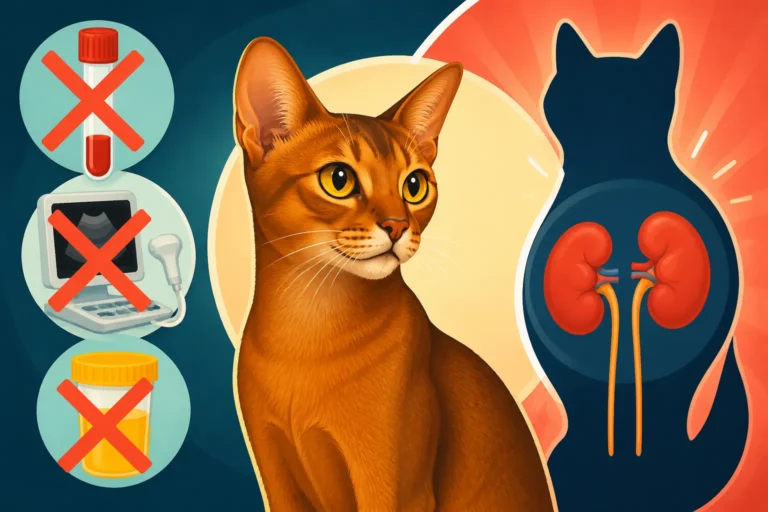
Reputable breeders screen their breeding cats for known genetic diseases that can affect Abyssinians. The two primary ones with available DNA tests are:
- Pyruvate Kinase Deficiency (PKD): This is a red blood cell disorder that can cause intermittent anemia.
- Progressive Retinal Atrophy (PRA-rdAc): This condition leads to blindness.
Every Abyssinian, silver or otherwise, should come from parents who have been tested and cleared for these conditions. Always ask a breeder for proof of these tests. Which Two DNA Tests an Abyssinian Must Have is a non-negotiable question. If a breeder is selling kittens significantly cheaper than others, and can't provide these health clearances, it's a huge red flag – Why an Untested Abyssinian Is Cheaper for a Reason is a critical piece of information for any potential buyer. Don't be afraid to ask How to Verify an Abyssinian's Test Certificate.
Insuring Your Prized Silver Abyssinian
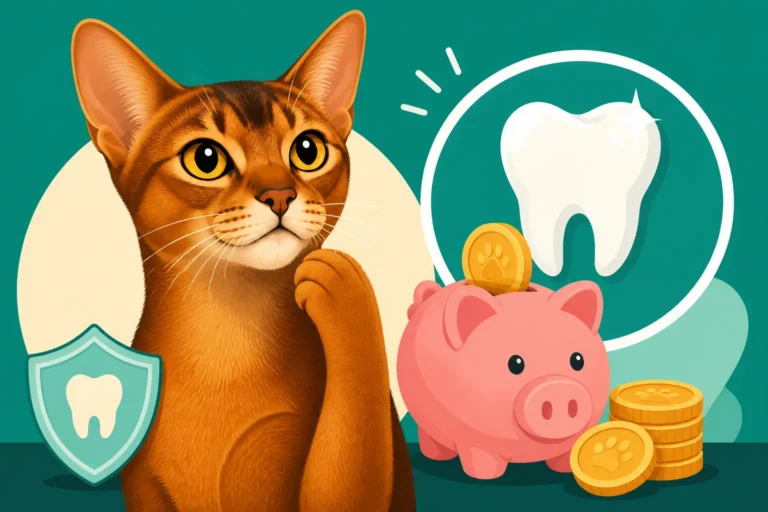
Given the initial investment in a pedigree Abyssinian and the potential for breed-specific health concerns, many owners find pet insurance to be a wise decision. Companies like Healthy Paws offer various plans that can help cover unexpected veterinary costs from accidents or illnesses.
While the color of your Abyssinian won't impact your insurance premium, their breed does. Abyssinians are generally a healthy breed, but as mentioned, conditions like PK Deficiency, PRA, and the non-testable renal amyloidosis are considerations. Having insurance can provide immense peace of mind, especially as your cat ages. Whether Pet Insurance Is Worth It for an Abyssinian is a question many owners ponder, and for a breed with specific potential health challenges, it's often a resounding yes. Ultimately, when you consider Why an Abyssinian's Lifetime Cost Dwarfs Its Purchase Price, preventative care and insurance play a huge role.
Comparing Abyssinian Color Price Factors
To give you a clearer picture of how different factors influence the initial purchase price, here’s a general comparison. Remember, these are relative influences, and actual prices fluctuate widely based on breeder, location, pedigree, and individual kitten quality.
| Factor | Ruddy Abyssinian | Sorrel/Blue/Fawn Abyssinian | Silver Abyssinian (all varieties) |
|---|---|---|---|
| Genetic Commonality | Most common, base color | Less common, dilutes or specific allele | Requires inhibitor gene, potentially less widespread |
| Demand | Consistent, broad appeal | High, very popular | High, niche appeal for unique look |
| Breeding Complexity | Straightforward for core traits | Requires specific pairings for color | Requires careful selection for clear silver, avoiding "tarnishing" |
| Show Ring Status | Widely accepted across all registries | Widely accepted across most registries | Accepted by some, limited or not recognized by others (impacts show value) |
| Typical Price Point | Baseline for pedigree Abyssinians | Slightly higher than ruddy | Often commands a premium due to perceived rarity and aesthetics |
| Ongoing Care Cost | Same as any other Abyssinian | Same as any other Abyssinian | Same as any other Abyssinian |
Final Thoughts on the Silver Abyssinian
The allure of a silver Abyssinian is undeniable. Their shimmering coats are truly a sight to behold, and it's completely natural for that unique aesthetic to come with a higher initial price tag. This premium reflects the specialized breeding efforts, the demand for such a distinctive look, and sometimes, the limited recognition in certain show circuits that makes their breeding more niche.
However, the most crucial takeaway is this: once you bring that silver flash of energy into your home, its daily needs and ongoing costs are precisely the same as any other Abyssinian. Whether ruddy, sorrel, blue, fawn, or silver, your Abyssinian will demand your attention, climb to the highest perches, chat with you in soft chirps, and undoubtedly steal your heart. Prioritize finding a reputable breeder who champions health, temperament, and ethical practices above all else, and you'll be well on your way to welcoming a fantastic feline companion into your life, no matter its spectacular color.
Disclaimer
This article is for general informational purposes only and does not constitute professional advice. Laws, prices and regulations vary by location and change over time. Consult a qualified professional for guidance on your specific situation.