How Much a Retired Abyssinian Breeding Queen Costs
Bringing an Abyssinian into your home is a joyous occasion, but many potential owners wonder if the high price tag of a kitten is their only option. It’s completely understandable to feel overwhelmed by initial costs, especially when you're looking for a companion, not a show animal. This guide will walk you through the world of adopting a retired Abyssinian breeding queen, explaining why they can be a fantastic, often more affordable, alternative and what to consider when welcoming one of these magnificent cats into your family.
The Appeal of a Retired Abyssinian Breeding Queen
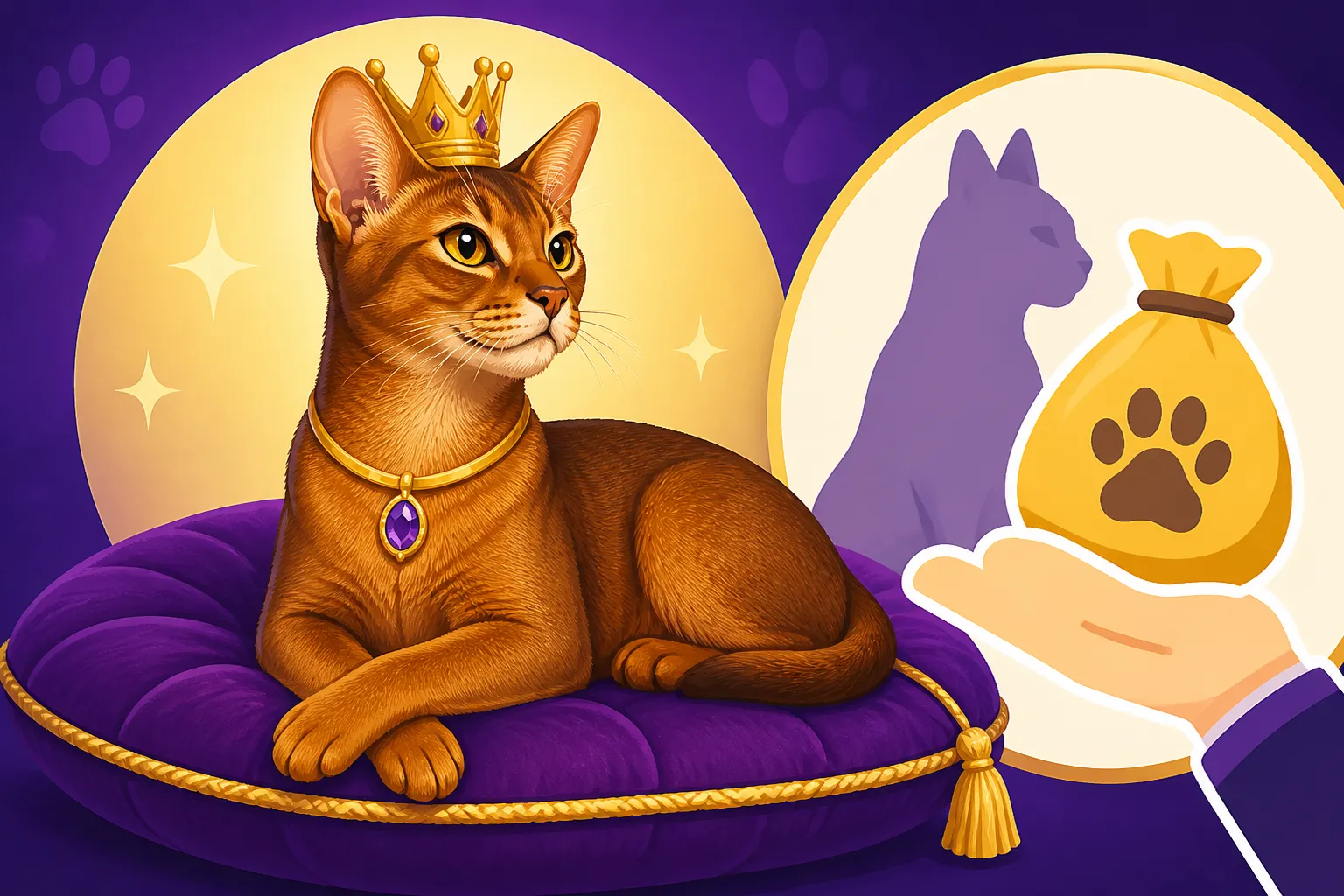
When you think of adopting a pedigree cat, your mind probably jumps straight to tiny, energetic kittens with hefty price tags. But there’s a wonderful, often overlooked, option: a retired Abyssinian breeding queen. These magnificent cats have served their purpose in a reputable cattery, typically raising several litters, and are now ready for a life of pampered retirement as a beloved family pet. It’s a decision often made by dedicated breeders who want their queens to enjoy a peaceful, undivided home life rather than remaining in a breeding program.
Many breeders find immense satisfaction in placing their retired queens in loving homes where they can be the sole focus of attention. For you, the adopter, this often means getting a mature Abyssinian who has already navigated the challenging kitten phases. They’re typically past the destructive chewing, the relentless nocturnal zoomies of extreme youth, and the frantic attempts to scale every curtain rod. Instead, you get a cat with a known personality, established habits, and often, a calm, affectionate demeanor that’s been honed through years of interaction with humans. Plus, the initial cost is usually significantly less than an Abyssinian kitten, which can make the dream of owning this active and engaging breed more accessible.
Why the Price Point Differs from Kittens
The primary reason a retired Abyssinian breeding queen costs less than a kitten boils down to supply, demand, and the breeder’s philosophy. A young, healthy kitten represents the future of the breed, a blank slate for a new owner, and typically has a long list of eager buyers. Breeders invest significant time, effort, and financial resources into raising a healthy, well-socialized litter, and the kitten's price reflects this considerable investment.
A retired queen, while still a valuable and much-loved animal, is generally no longer contributing to the breeding program. Her purpose has shifted from a producer of future generations to a cherished companion. Breeders often prioritize finding these queens the absolute best forever homes over maximizing profit. They've already recouped their initial investment and stud fees over the years. The adoption fee for a retired queen usually covers the costs of her spay surgery (which is significant), her most recent health checks, and a small administrative fee. This is a huge benefit to you, as the spay alone can be a substantial expense for a young kitten. It also ensures you’re getting a cat ready to settle into a pet-only life without the complexities of reproductive health.
Key Factors Influencing the Cost of a Retired Abyssinian Queen
While generally more affordable than kittens, the cost of a retired Abyssinian breeding queen isn't uniform. Several factors can influence the final adoption fee. Understanding these can help you manage your expectations and budget effectively when looking for your new feline friend.
Age and Longevity Potential
One of the most significant factors is the queen's age. An Abyssinian typically has a lifespan of The Twelve to Fifteen Years an Abyssinian Usually Gets, so a queen retired at four or five years old still has many wonderful years ahead of her. These younger retirees might command a slightly higher fee than, say, a queen retired at seven or eight, simply because you're getting more potential time with her. A breeder is considering the total expected lifetime of companionship she can offer in her new home.
That said, even an older retired queen, perhaps eight or nine, can make an incredible companion for someone seeking a calmer, more settled cat. Her price might be lower, but her capacity for affection and her quiet wisdom are immeasurable. It's truly about finding the right match for your lifestyle and what you’re looking for in a companion.
Show Titles and Pedigree
While a retired queen is no longer in the show ring, her past achievements and pedigree can sometimes play a minor role in her adoption fee. A queen who has earned grand champion titles or comes from a long line of decorated Abyssinians might have a slightly higher placement fee. This isn't about her future show potential, but rather a reflection of the quality and prestige of the lines she represents.
For many adopters, these titles are a bonus, assuring them of excellent conformation and adherence to breed standards. However, if show history isn't a priority for you, rest assured that a queen without a string of ribbons will be just as loving and spirited as her champion counterpart, and potentially more budget-friendly.
Health Status and Vet History
This is perhaps the most critical factor, and one where the value of a reputable breeder truly shines. A responsible breeder will have a comprehensive health history for their retired queen. This includes regular veterinary check-ups, vaccinations, and crucial genetic testing. Abyssinians, like many pedigree breeds, can be prone to certain inherited conditions.
You should expect the breeder to provide documentation for tests like Pyruvate Kinase Deficiency Is the Abyssinian's Best Known Test and PRA-rdAc Takes an Abyssinian's Sight by Five. While Renal Amyloidosis Is the Abyssinian Problem Nobody Can Test For, a good breeder will share information on her family lines and any known history of this condition. A queen with a completely clear bill of health and a documented history of testing will naturally be more reassuring and thus might have a slightly higher fee. The breeder has invested heavily in ensuring her health throughout her life, and this translates into peace of mind for her new owner.
Spay Status
Almost without exception, a reputable breeder will have their retired queen spayed before she goes to her new home. The cost of a spay surgery for an adult cat, especially one who has had litters, can be substantial, often involving more complex procedures than a kitten spay. This is a cost that the breeder absorbs, and it's a huge benefit to you.
The adoption fee for a retired queen will inherently include this value, as you won't need to arrange or pay for the surgery yourself. This ensures that the queen is no longer capable of breeding, allowing her to fully transition to a pet-only life and eliminating any hormonal behaviors associated with being intact. Always confirm with the breeder that the queen will be spayed before placement.
Temperament and Socialization
Abyssinians are known for their lively and affectionate personalities. A queen who has been raised in a home environment, exposed to various sounds, people, and possibly other pets, will be well-socialized. Breeders often spend a great deal of time ensuring their cats are outgoing and friendly.
A queen with an exceptionally sweet, confident, and outgoing temperament might be highly sought after and thus could have a slightly higher adoption fee. Conversely, a shy queen might take a little longer to find her perfect home, and her fee might reflect a breeder's desire to find her a calm, patient environment quickly. It's essential to discuss the queen's personality with the breeder to ensure it's a good fit for your household. The best breeders are excellent at matching cats to compatible families.
What to Expect from a Reputable Breeder
Adopting a retired Abyssinian breeding queen from a reputable breeder isn't just about the financial transaction; it's about forming a relationship built on trust and a shared love for the breed. Good breeders are meticulous and will provide you with a wealth of information and support.
Comprehensive Health Documentation
A responsible breeder will provide you with a complete veterinary history. This isn't just a quick note; it should include vaccination records, deworming schedules, and proof of spay surgery. More importantly, you should receive copies of genetic test results for both Pyruvate Kinase Deficiency (PKD) and Progressive Retinal Atrophy (PRA-rdAc). These are crucial for the Abyssinian breed. Asking How the Abyssinian's DNA Panel Is Ordered or Which Four Diseases the Abyssinian Actually Carries can help you understand what to look for.
They should be transparent about any non-genetic health concerns or ongoing needs, like special diets or dental history, since Why Abyssinian Dental Work Is the Biggest Line in the Budget can become a significant factor as cats age. This transparency is vital for you to make an informed decision and prepare for her care.
Pedigree and Registration Papers
Even though she's retired, a queen from a reputable breeder will come with her pedigree documentation. This lineage shows her ancestry, often going back multiple generations, and confirms her purebred status. While you won't be using these papers for breeding, it's a testament to the breeder's integrity and adherence to breed standards. You should expect her to be registered with a recognized cat association, even if her papers are marked "not for breeding."
A Well-Structured Contract
A non-breeding contract is standard for retired queens. This legally binding document outlines the terms of adoption, stipulating that the cat is a pet only and cannot be bred. It often includes a health guarantee, a return clause (should you ever be unable to care for her), and sometimes even a clause requiring updates on her well-being. This protects both the cat and the breeder, ensuring she lives out her days happily and safely. Ask Which Questions to Ask an Abyssinian Breeder First to understand what should be covered.
Transition Support and Advice
Good breeders don't just hand over a cat and wave goodbye. They care deeply about their animals and want the transition to be as smooth as possible for both the queen and her new family. This often includes offering advice on diet, behavior, and integrating her into your home. They might send her home with a small supply of her current food, toys, or a blanket with familiar scents to ease the adjustment. If they recommend specific nutrition, they might suggest particular foods or tell you where they purchase their regular supplies. This ongoing support can be invaluable, especially if you're new to the Abyssinian breed.
Ongoing Costs Beyond the Initial Purchase Price
While the adoption fee for a retired Abyssinian breeding queen might be lower than a kitten, it's crucial to remember that the initial cost is just the beginning of your financial commitment. Abyssinians, like all pets, come with ongoing expenses that add up over their lifespan. Thinking ahead about these costs will ensure you can provide a happy, healthy life for your new companion. For a broader overview, you might want to read What an Abyssinian Costs to Keep Every Year.
Food and Nutrition
Abyssinians are active cats, and even a retired queen still has a good metabolism. They need high-quality cat food to maintain their energy and health. The cost of food can vary significantly depending on whether you choose premium kibble, wet food, or even a raw diet. Many owners find it convenient to order their cat food and other essentials through online retailers like Chewy, which often offer subscription services and bulk discounts.
It's wise to budget for this monthly expense, as good nutrition is foundational to preventing health issues down the line. A queen who has retired from breeding might benefit from a diet tailored to a less strenuous lifestyle, so consult your vet or the breeder for recommendations.
Routine Veterinary Care
Just like humans, cats need regular check-ups. For an adult or senior Abyssinian, this usually means an annual vet visit for a physical exam, vaccinations, and potentially routine blood work to monitor for age-related conditions. As cats age, dental health becomes increasingly important. Professional dental cleanings under anesthesia can be a significant expense, but they are crucial for preventing pain, infection, and other systemic health problems. Remember, Why an Abyssinian Loses Teeth Younger Than Most Cats is a common issue for the breed, making proactive dental care paramount.
These routine visits and preventative care measures are vital for catching potential issues early and keeping your queen healthy and comfortable for as long as possible.
Pet Insurance
Given the potential for age-related health issues, especially as your retired queen gets older, pet insurance can be a wise investment. Plans from providers like Healthy Paws can help cover unexpected veterinary expenses, such as emergency care, diagnostic tests, or ongoing treatments for chronic conditions. It’s definitely worth exploring Whether Pet Insurance Is Worth It for an Abyssinian to understand the benefits versus the monthly premiums.
While the initial adoption fee for a retired queen is lower, factoring in insurance premiums from the start can provide immense peace of mind and prevent devastating financial burdens if your beloved Abyssinian encounters a serious health challenge later in life.
Enrichment and Supplies
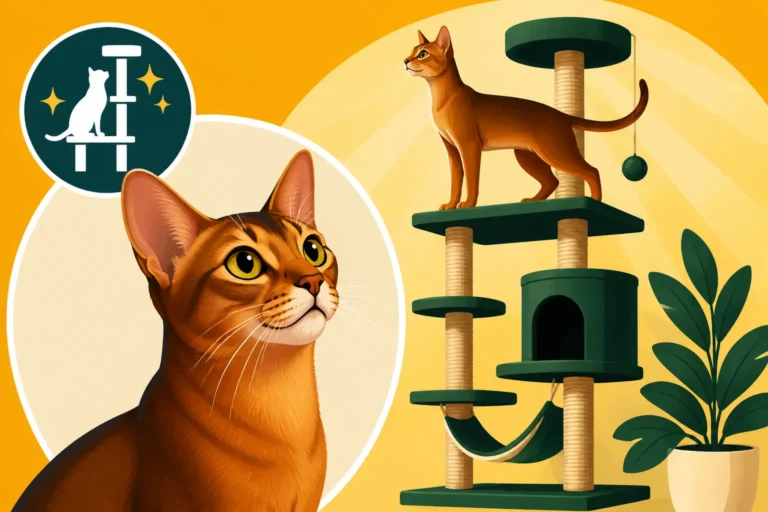
Abyssinians are intelligent and curious cats who thrive on interaction and mental stimulation. Even a retired queen will appreciate a variety of toys, scratching posts, and climbing opportunities. Don't underestimate An Abyssinian Needs Height More Than It Needs Floor, so investing in sturdy cat trees or wall shelves is a great idea.
Beyond enrichment, you'll need to budget for essentials like litter, litter boxes, bedding, grooming tools (though their coats are low maintenance, as covered in The Ticked Coat Is the Whole Abyssinian Grooming Job), and a good quality carrier for vet visits. Providing a stimulating and comfortable environment is crucial for her happiness and well-being.
Here's a quick overview of potential factors influencing the initial cost of a retired Abyssinian breeding queen:
| Factor | Impact on Initial Cost | Notes |
|---|---|---|
| Age of Queen | Varies | Younger retirees (4-6 yrs) may be slightly higher than older ones (7+ yrs) due to longer expected lifespan. |
| Show Titles/Pedigree | Minor | Highly decorated queens might have a slightly higher fee due to prestige, but often negligible. |
| Health Status | Significant | Excellent health history, clear genetic tests mean higher value and peace of mind. |
| Spay Status | Included | Breeder absorbs cost of spay; you save this significant expense upfront. |
| Temperament & Socialization | Moderate | Exceptionally outgoing or calm queens might be in higher demand, influencing price. |
| Breeder's Reputation | Moderate | Reputable breeders often prioritize good homes over high prices for retirees. |
| Geographic Demand | Minor | Some regions may have higher or lower demand for Abyssinians, affecting pricing. |
Adopting a retired Abyssinian queen can be one of the most rewarding experiences. You’re providing a loving home to a deserving cat who has given much to her breed, and in return, you receive an affectionate, well-adjusted companion, often at a more accessible initial price point. Just remember to budget for the long-term commitment of care and love she deserves.
Disclaimer
This article is for general informational purposes only and does not constitute professional advice. Laws, prices and regulations vary by location and change over time. Consult a qualified professional for guidance on your specific situation.