Why a Somali Kitten Appears in an Abyssinian Litter
Imagine you've been eagerly awaiting a new litter of Abyssinian kittens, picturing those sleek, short-haired beauties with their distinctive ticked coats. Then, you see it – a tiny, fluffy bundle that looks decidedly different from its siblings. This isn't a mistake or a trick of the light; it's a phenomenon that surprises many new and even some experienced Abyssinian owners: the appearance of a Somali kitten in a purebred Abyssinian litter. This guide will help you understand the fascinating genetics behind this long-haired surprise and what it means for these beautiful, unexpected additions to your family.
The Genetic Surprise: Understanding the Long Hair Gene
It might seem counterintuitive to find a long-haired cat in a litter known for its short, close-lying coat. However, the explanation lies deep within the genetics of the Abyssinian breed itself. The gene responsible for long hair is a classic example of a recessive trait, quietly carried through generations until the right combination occurs.
Recessive Genes and the Abyssinian Legacy
The characteristic short hair of the Abyssinian is a dominant trait. This means that if a cat inherits even one copy of the "short hair" gene, it will display a short coat. The long hair gene, on the other hand, is recessive. For a cat to have long hair, it must inherit two copies of this recessive gene – one from each parent. Think of it like eye color in humans, where a parent might carry a gene for blue eyes without having blue eyes themselves. The Abyssinian breed has carried this recessive long-hair gene for generations, largely unnoticed, as breeders historically selected for the short-haired appearance that defines the breed. The Somali breed, in fact, originated from Abyssinians that expressed this very recessive trait. The Somali Is an Abyssinian With Long Hair
The Silent Carriers: How Parents Can Carry the Gene Without Showing It
The reason you might see a Somali kitten in an Abyssinian litter is that both Abyssinian parents, despite having short hair themselves, are silent carriers of the recessive long-hair gene. Each parent has one short-hair gene (dominant) and one long-hair gene (recessive). Because the short-hair gene is dominant, they both appear as typical Abyssinians. They show no outward signs of carrying the long-hair trait, making them what we call "carriers." This is precisely Why the Long Hair Gene Was in Abyssinians All Along. It's a testament to how genetics can surprise us, lurking unseen until the conditions are just right.
For a long time, breeders might have been unaware that their cats carried this gene, especially before widespread genetic testing was available. Litters would occasionally produce these "fluffies," and historically, these kittens were often quietly placed in pet homes without much fanfare, or sometimes even culled, simply because they didn't meet the Abyssinian breed standard. It's a part of the breed's history that highlights the importance of understanding feline genetics.
The Moment of Truth: What Happens When Two Carriers Breed
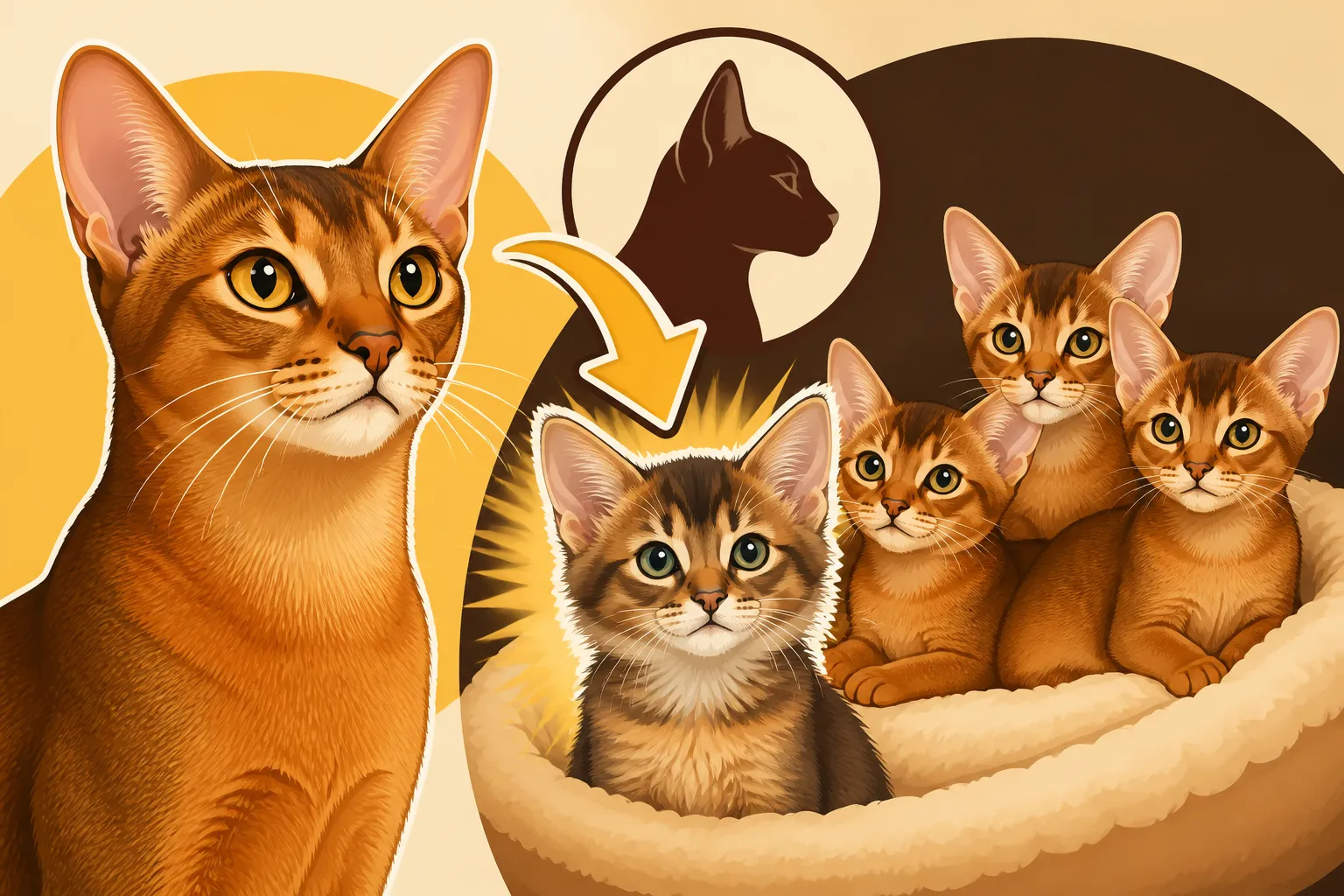
When two Abyssinian carriers of the long-hair gene breed, there's a statistical probability for the genetic outcome in their kittens. Each kitten has a 25% chance of inheriting two copies of the short-hair gene (making it a "clear" short-haired Abyssinian), a 50% chance of inheriting one short-hair and one long-hair gene (making it a short-haired Abyssinian carrier, just like its parents), and a 25% chance of inheriting two copies of the long-hair gene. That 25% chance is precisely how a long-haired kitten, genetically a Somali, appears in an Abyssinian litter.
It's a numbers game, of course. Not every litter from two carriers will have a long-haired kitten. You might get a litter of all short-haired kittens, or even multiple long-haired ones. But the underlying probability remains. This fascinating genetic lottery means that even the most carefully planned breeding can sometimes produce an unexpected coat length. Understanding these probabilities helps breeders make informed decisions and prepare for these charming surprises.
From Abyssinian Litter to Somali Appearance: What Happens Next
So, you have this delightful, fluffy kitten alongside its sleeker siblings. What makes it a Somali, and how do you even tell early on? It's a journey from birth to full coat development.
Identifying the Long Hair Trait in Kittens
At birth, distinguishing a Somali kitten from its Abyssinian littermates can be tricky, but usually, the difference becomes clearer within a few weeks. Somali kittens often have noticeably fluffier coats, particularly around their ears, britches (the fur on their hind legs), and tails. While all kittens are soft, a Somali's coat will simply feel denser and longer, especially when you compare it directly to a short-haired Abyssinian sibling. Their ears might also have more pronounced tufts, and their tail will appear bushier.
As the weeks progress, the difference becomes undeniable. By about 6-8 weeks, the longer coat will be quite distinct. When an Abyssinian Litter's Coat Length Becomes Obvious is a key moment for breeders to identify these kittens. Their ruffs around the neck and their full, plume-like tails are often dead giveaways. They might not look exactly like a fully mature Somali immediately, as their coat will continue to develop and lengthen over their first year, but the fundamental difference in texture and length is apparent.
The Breeder's Perspective: Managing a Mixed Litter
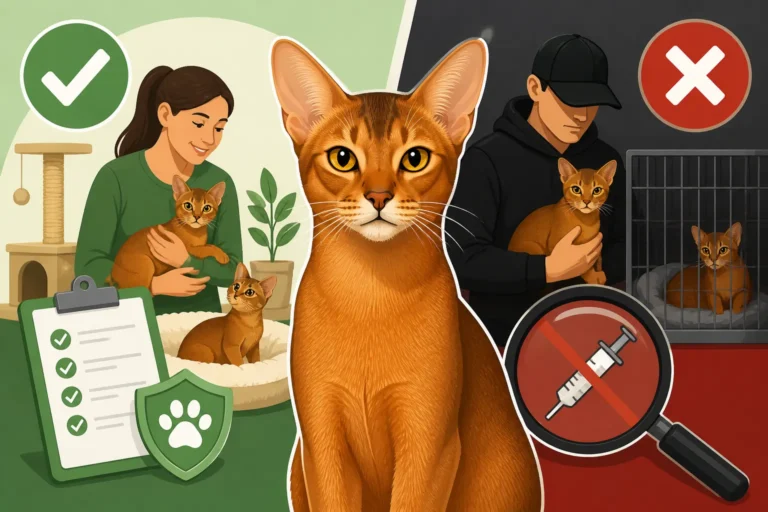
For a conscientious Abyssinian breeder, finding a Somali kitten in a litter brings both delight and responsibility. First, it confirms that both parents are carriers of the long-hair gene. This is crucial information for future breeding plans, as breeding two carriers together consistently will always risk producing more Somali kittens. Many breeders who discover this will then undertake genetic testing for the long-hair gene for their breeding cats. Why Abyssinian Breeders Test for Long Hair is a vital part of responsible breeding, ensuring transparency and control over genetic traits.
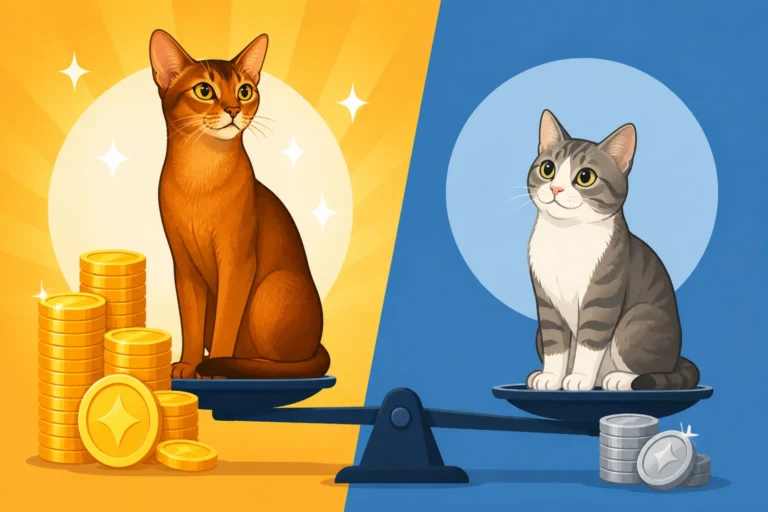
Breeders must decide how to place these kittens. Somalis are a recognized breed in their own right, highly valued for their luxurious coats and active personalities. Often, these "surprise" Somalis are placed in loving pet homes, sometimes at a slightly different price point depending on the demand for Somalis in that area. Responsible breeders will clearly explain the genetic background to prospective owners and ensure the kittens are healthy and well-socialized, just like their short-haired siblings. They'll also ensure all necessary health checks are performed for all kittens, including the standard DNA tests. Which Two DNA Tests an Abyssinian Must Have are non-negotiable for all kittens from a reputable breeder.
Beyond Appearance: Health and Temperament
It's important to remember that aside from their coat length, a Somali kitten born in an Abyssinian litter is, genetically speaking, still very much an Abyssinian. They share the same vibrant, intelligent, and curious personality. They're typically just as playful, agile, and people-oriented as their short-haired relatives. Their energy levels, vocalizations, and general inquisitive nature remain consistent with the Abyssinian breed.
Health-wise, they are subject to the same potential genetic conditions that Abyssinians carry, such as Pyruvate Kinase Deficiency (PKD) and Progressive Retinal Atrophy (PRA-rdAc). This is another reason why genetic testing of the parents is so important. A long coat doesn't change their underlying genetic predisposition to these issues. Their general health and care needs are very similar, though the longer coat will require a bit more grooming attention than their short-haired siblings. This might mean investing in good quality grooming tools available from retailers like Chewy to keep their beautiful coat free of mats and tangles.
The Impact on Breeding and Ownership
The appearance of a Somali kitten isn't just a fascinating genetic anomaly; it has real implications for breeding programs and for the families who welcome these unique cats into their homes.
Testing and Transparency: The Importance of Genetic Testing for Breeders
For any reputable Abyssinian breeder, discovering that a breeding pair carries the long-hair gene means adjusting their practices. Modern genetic testing can identify carriers of the long-hair gene with a simple cheek swab. This allows breeders to make informed decisions about pairings, either choosing to breed carriers to non-carriers to avoid producing Somalis (though this would still produce carrier Abyssinians) or accepting the possibility of mixed litters. How the Abyssinian's DNA Panel Is Ordered is a straightforward process available through various veterinary genetic labs.
Transparency with prospective kitten buyers is paramount. If a breeder has a mixed litter or knows their breeding cats are carriers, they should openly discuss this. It ensures that new owners understand the genetic background of their kitten, regardless of its coat length. This commitment to transparency is a hallmark of ethical breeding and helps maintain the health and integrity of both Abyssinian and Somali lines.
Ethical Considerations: What It Means for Purebred Lines
While a Somali kitten born to Abyssinian parents is genetically a Somali, within the strict world of cat fancy, some registries might consider it a "variant" or "long-haired Abyssinian." However, most major registries, like CFA and TICA, recognize the Somali as its own distinct breed. The existence of these kittens underscores the close genetic relationship between the two breeds, essentially confirming that the Somali is indeed the long-haired version of the Abyssinian.
From an ethical breeding standpoint, it's generally advised not to breed a short-haired Abyssinian carrier to a long-haired Somali if the goal is to produce only purebred Abyssinians. However, some breeders might intentionally use Abyssinian carriers to infuse new bloodlines into Somalis, or vice versa, to maintain genetic diversity, always with full disclosure and careful planning. The key is knowing the genetic status of your breeding cats, and modern DNA testing makes this much easier.
Owning a "Surprise" Somali: The Joys and Considerations for Pet Owners
Bringing home a "surprise" Somali from an Abyssinian litter is a wonderful experience. You get all the vivacious personality of an Abyssinian, wrapped in a glorious, flowing coat. These cats require slightly more grooming than their short-haired siblings, typically needing a weekly brush to prevent mats and keep their fur looking its best. Products from brands like Chewy can help you find suitable brushes and combs for longer coats.
Despite the longer hair, Somalis are still relatively low-shedding compared to some other long-haired breeds, partly due to their lack of a dense undercoat. Their playful nature also means they need plenty of mental and physical stimulation. Interactive toys, puzzle feeders, and plenty of vertical climbing spaces are essential. High-quality nutrition can also help maintain their energy levels and coat health. Just like Abyssinians, they thrive on interaction and can become quite devoted companions. Why an Abyssinian Kitten Is Relentless applies just as much to its long-haired cousin!
Owning one of these special kittens means embracing a unique blend of heritage and appearance. While they might be an unexpected addition, they bring all the charm, intelligence, and athleticism that makes the Abyssinian type so beloved, with the added elegance of a flowing mane and plume-like tail.
Here's a quick comparison of key traits:
| Feature | Abyssinian (Short-haired) | Somali (Long-haired) |
|---|---|---|
| Coat Length | Short, close-lying | Medium to long, flowing, dense but fine |
| Ticking | Prominent, visible banding on each hair | Less distinct due to length, but still present |
| Undercoat | Minimal | Minimal |
| Tail | Medium length, tapered | Bushy, "fox-like" plume |
| Ears | Large, tufted | Large, with more prominent ear tufts |
| Grooming Needs | Minimal, weekly brush | Moderate, regular brushing (1-2 times/week) |
| Genetic Trait | Dominant short hair gene | Recessive long hair gene |
| Personality | Active, playful, intelligent | Active, playful, intelligent (identical) |
In closing, the appearance of a Somali kitten in an Abyssinian litter is a beautiful example of how genetics work. It’s a direct consequence of the recessive long-hair gene carried silently by Abyssinian parents, and it’s a genetic link that showcases the deep connection between these two wonderful breeds. These kittens are a testament to the rich genetic tapestry of our feline companions, bringing all the energetic charm of an Abyssinian with the added elegance of a long, flowing coat.
Disclaimer
This article is for general informational purposes only and does not constitute professional advice. Laws, prices and regulations vary by location and change over time. Consult a qualified professional for guidance on your specific situation.