What Emergency Care for an Anemic Abyssinian Costs
Few things are as terrifying for an Abyssinian owner as seeing their usually vibrant, playful cat suddenly become still, quiet, or even wobbly. When your lean, energetic Abyssinian shows signs of anemia, it's not just a concern, it's an immediate crisis that often demands emergency veterinary attention. This guide will walk you through what to expect regarding the financial outlay for emergency care for an anemic Abyssinian, from initial diagnosis to treatment and beyond, helping you prepare for these critical moments.
Understanding Anemia in Abyssinians and Why It's an Emergency
Anemia means your Abyssinian's blood isn't carrying enough oxygen, usually due to a low red blood cell count or insufficient hemoglobin. For a cat as active and high-energy as an Abyssinian, this quickly becomes life-threatening. Their bodies are constantly in motion, burning calories, and demanding a steady supply of oxygen to fuel their endless antics. When that supply dwindles, every system in their body struggles, and time becomes a critical factor.
The Sudden Onset and Visible Signs of Anemia
Abyssinians are masters of hiding illness, a trait rooted in their wild ancestry where showing weakness could mean becoming a target. This can make the sudden onset of anemia even more alarming, as you might not notice anything amiss until your cat is already quite ill. One moment they're zipping across the living room, and the next, they're lethargic and listless. Keep an eye out for subtle shifts in energy or behavior, as these can be early indicators.
The most common and stark visual cue for anemia is pale gums. While your Abyssinian's natural gum color can vary, a healthy cat will have pink, healthy-looking gums. If you gently lift their lip and find their gums are a washed-out pink, white, or even bluish tint, it's a huge red flag. Other signs include extreme lethargy, reluctance to play or jump, rapid breathing even at rest, a sudden decrease in appetite, and even collapse. You might notice they are breathing faster, their heart is pounding, or they seem disoriented. Understanding What Intermittent Anemia Looks Like in an Abyssinian can help you recognize these signs quickly, and knowing How Pale Gums Show Up on an Abyssinian is vital for a quick check. Never hesitate to contact your vet if you suspect anemia; it's a "drop everything" emergency.
Common Causes of Anemia Requiring Emergency Care
Anemia isn't a disease in itself; it's a symptom of an underlying problem, and many of these problems require immediate attention. One significant cause specific to the Abyssinian breed is Pyruvate Kinase (PK) Deficiency. This genetic condition causes red blood cells to break down prematurely, leading to chronic or intermittent anemia. Owners of Abyssinians with this condition often describe cycles of feeling well followed by sudden crashes. Knowing Why an Abyssinian's Red Cells Break Down Early highlights the genetic predisposition that can cause such a crisis.
Beyond genetic predispositions, anemia can stem from various acute emergencies. Trauma, like a fall or being hit by a car (which is why indoor-only life is so important for Abyssinians!), can cause severe internal bleeding. Ingesting certain toxins, severe flea infestations in kittens, or autoimmune diseases where the body attacks its own red blood cells can also trigger a rapid drop in red blood cells. Less common but equally urgent causes include certain types of cancer or severe parasitic infections. Regardless of the suspected cause, an anemic Abyssinian needs to be seen by a vet immediately. Prompt diagnosis is key to identifying the specific treatment path and preventing further deterioration.
Initial Emergency Veterinary Consultation and Diagnostics
When you arrive at an emergency veterinary clinic with an anemic Abyssinian, you’ll quickly realize that time is truly of the essence. The initial assessment and diagnostic steps are critical for stabilizing your cat and determining the best course of action.
The Emergency Exam and Initial Stabilization
The moment you walk through the doors of an emergency veterinary clinic, your Abyssinian will likely be triaged immediately due to the severity of anemia. This means a veterinary technician or vet will quickly assess their vital signs, gum color, and overall demeanor to determine the urgency. The focus will be on stabilization first. This often involves placing an intravenous (IV) catheter to administer fluids and medications quickly, and providing oxygen therapy if your cat is struggling to breathe. This initial stabilization, including the emergency consultation fee, can be a significant part of the overall cost, as emergency clinics operate with higher staffing levels and specialized equipment around the clock. These fees reflect the immediate, expert attention your cat receives, often during off-hours when regular clinics are closed. They are designed to cover the overhead of maintaining a fully equipped and staffed emergency facility ready for any crisis at any moment.
Essential Bloodwork and Imaging for Diagnosis
Once your Abyssinian is somewhat stable, the veterinary team will move swiftly to diagnose the cause of the anemia. This always starts with crucial bloodwork. A packed cell volume (PCV) test will quickly confirm the degree of anemia. A complete blood count (CBC) will provide a detailed picture of all blood cells, including red blood cell count, white blood cell count (which can indicate infection or inflammation), and platelet count (important for clotting). A blood smear examination helps identify abnormal red blood cell shapes or parasites. Given the Abyssinian's predisposition, specific tests for genetic conditions like PK Deficiency might also be recommended if the initial bloodwork is suggestive. It's truly a race against time to figure out why your cat is crashing.
Beyond bloodwork, imaging is often essential, especially if internal bleeding is suspected. X-rays can help identify trauma, fluid accumulation in the chest or abdomen, or masses. An abdominal ultrasound can provide a more detailed view of internal organs, pinpointing sources of bleeding, internal tumors, or other abnormalities. All of these diagnostic tests are crucial for an accurate diagnosis, but they do come with their own set of costs. Remember, Why a Lethargic Abyssinian Needs Blood Work Fast isn't just a concern for owners, it's a critical diagnostic principle for vets, too.
Here's a general overview of common emergency diagnostic costs (specific figures vary widely by location and clinic):
| Service | Typical Cost Factor | Description |
|---|---|---|
| Emergency Exam Fee | High | Initial assessment, triage, and consultation with emergency vet. |
| IV Catheter & Fluids | Moderate to High | Placement of IV line and initial fluid administration for stabilization. |
| Complete Blood Count (CBC) | Moderate | Detailed analysis of blood cells, crucial for diagnosing anemia. |
| Packed Cell Volume (PCV) | Low to Moderate | Quick test to determine severity of anemia. |
| Blood Smear Analysis | Low | Microscopic examination of blood for abnormalities. |
| Abdominal X-rays | Moderate to High | To check for internal bleeding, masses, foreign bodies. |
| Abdominal Ultrasound | High | Detailed imaging of internal organs. |
| Blood Typing/Cross-Match | Moderate | Necessary if a blood transfusion is likely. |
Treatment Options and Associated Costs for Anemic Abyssinians
Once the veterinary team has a diagnosis and your Abyssinian is stabilized, the focus shifts to targeted treatment. The costs here can vary dramatically based on the underlying cause of the anemia and the intensity of care required.
Fluid Therapy and Supportive Care
Almost every anemic Abyssinian will require ongoing fluid therapy. Intravenous fluids help maintain hydration, support blood pressure, and deliver necessary medications directly into the bloodstream. These fluids are often supplemented with electrolytes or other essential nutrients. Beyond fluids, supportive care might include medications for nausea, pain management, antibiotics if an infection is present, or gastric protectants if there's concern for ulcers.
Continuous monitoring of your cat's vital signs, bloodwork, and overall condition is essential. This level of intensive care often means hospitalization, potentially for several days. Each day your Abyssinian spends in the hospital, especially in an intensive care unit (ICU) setting, will incur daily hospitalization fees, which cover nursing care, monitoring, medications, and the use of specialized equipment. These costs quickly add up, but they are absolutely vital for giving your cat the best chance at recovery.
Blood Transfusions: When They're Needed and Their Expense
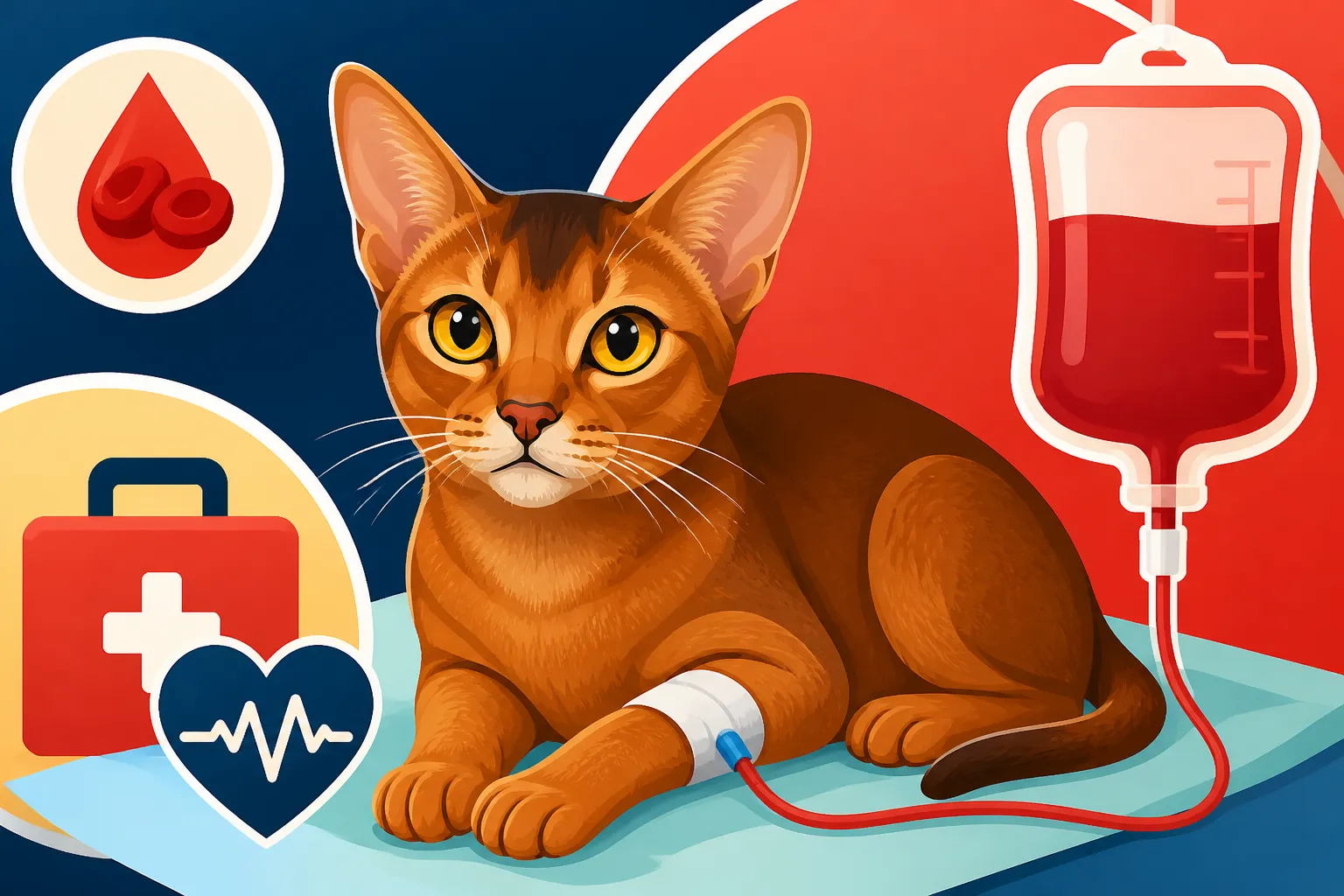
For severe cases of anemia, particularly when there's significant blood loss or rapid red blood cell destruction, a blood transfusion can be a life-saving measure. It’s a direct injection of healthy red blood cells from a donor cat, immediately boosting your Abyssinian's oxygen-carrying capacity. The decision to transfuse is made based on the severity of the anemia and the cat's clinical signs.
The costs associated with a blood transfusion are substantial. They include the expense of acquiring the donor blood (often sourced from veterinary blood banks or internal donor programs), blood typing and cross-matching to ensure compatibility, and the careful administration of the transfusion by trained staff. Your Abyssinian will need close monitoring during and after the transfusion for any adverse reactions. It's a critical procedure, but one that can quite literally pull your cat back from the brink. Knowing When an Anemic Abyssinian Needs a Transfusion is key for vets to make that timely, critical call.
Addressing the Underlying Cause: Surgeries and Specialized Treatments
Treating the anemia is one thing, but resolving its root cause is another, and this is where costs can truly escalate. If, for instance, the anemia is due to severe internal bleeding from an injury or a ruptured tumor, emergency surgery will be necessary. Surgical costs involve not just the surgeon's fees, but also anesthetic drugs, monitoring, surgical supplies, and post-operative pain management.
For Abyssinians diagnosed with PK Deficiency, a splenectomy (surgical removal of the spleen) is sometimes recommended to reduce the destruction of red blood cells, as the spleen is a major site of this breakdown. While not a cure, it can significantly improve quality of life and reduce the frequency and severity of anemic crises. How a Splenectomy Helps an Anemic Abyssinian details this procedure, but it's important to remember that it is a major surgery with associated costs and recovery time.
Other specialized treatments might include immunosuppressive drugs for autoimmune hemolytic anemia, specific antidotes for toxin ingestion, or extended courses of medication for chronic conditions. These ongoing medication costs, while not "emergency," become part of the financial recovery burden. The specific path taken is entirely dependent on the veterinarian's findings and the individual needs of your Abyssinian.
Managing the Financial Impact of Emergency Care
The reality of emergency veterinary care is that it can be incredibly expensive. It's a situation no one wants to face, but preparing for the potential financial strain can make a world of difference during a stressful time.
The Sticker Shock and Planning Ahead
Many owners are blindsided by the cost of emergency vet visits, which can easily run into thousands of dollars for complex cases like severe anemia requiring transfusions or surgery. It's not uncommon for a single emergency visit, especially one involving diagnostics, hospitalization, and intensive care, to accumulate charges equivalent to a major car repair or a significant home appliance purchase. This sticker shock, on top of the emotional distress of having a sick pet, can be overwhelming.
This is why, as a veteran pet owner, I always advise having a financial safety net specifically for your pets. Whether it's a dedicated savings account, a credit card solely for emergencies, or pet insurance, having a plan in place before a crisis hits is invaluable. It removes the agonizing decision of choosing between your pet's life and your financial stability. Thinking about What an Abyssinian Costs Over Fifteen Years reveals that these emergency situations are often the largest single expenses in a cat's lifetime.
Pet Insurance and Wellness Plans
Pet insurance is one of the most effective ways to mitigate the financial impact of veterinary emergencies. Policies typically cover a significant percentage of unexpected costs, including emergency visits, diagnostic tests, surgeries, and hospitalization. For an Abyssinian, a breed with known genetic predispositions like PK Deficiency and other potential health issues, comprehensive pet insurance can be a game-changer. Companies like Healthy Paws offer policies that can reimburse a substantial portion of your vet bills after your deductible is met.
The key with pet insurance is to enroll your Abyssinian when they are young and healthy. Pre-existing conditions are generally not covered, so if you wait until your cat shows signs of anemia, it will likely be too late for that specific condition to be covered. Learning Whether Pet Insurance Is Worth It for an Abyssinian often comes down to the peace of mind it offers when a crisis arises. Additionally, understanding Why to Insure an Abyssinian Before Its First Birthday is crucial to ensure maximum coverage throughout their life.
Wellness plans, on the other hand, are generally not designed for emergencies. They typically cover routine preventative care like annual check-ups, vaccinations, and sometimes dental cleanings. While they help manage regular costs, they won't cover the immense expense of an acute anemic episode. However, regular preventative care, as covered by a wellness plan or your routine budget, can sometimes catch problems early, potentially preventing an emergency situation. For instance, What an Abyssinian's Kidney Workup Costs as part of routine senior bloodwork could catch issues before they become life-threatening.
Exploring Financial Aid and Payment Options
If you find yourself facing a hefty emergency vet bill without insurance or sufficient savings, there are still avenues to explore. Many veterinary clinics understand the financial burden and offer payment plans, allowing you to spread the cost over several months. You can also inquire about third-party medical credit options, which function similarly to credit cards specifically for healthcare expenses, often with deferred interest periods.
Additionally, various charitable organizations and breed-specific rescues sometimes offer financial assistance to owners facing significant veterinary costs. It's worth researching these options in your local area or through national organizations. Don't be afraid to openly discuss your financial concerns with your veterinary team; they are often the best resource for navigating these challenging situations and can provide information on available resources. Pet food and supply retailers typically don't offer direct emergency financial aid for veterinary services. However, some pet supply retailers might offer loyalty programs or credit options that could be useful for ongoing, non-emergency related pet expenses, freeing up funds for critical care.
Ultimately, the cost of emergency care for an anemic Abyssinian can be high, but the value of your beloved cat's life is immeasurable. Being prepared, both emotionally and financially, can make all the difference when those scary moments arrive.
Disclaimer
This article is for general informational purposes only and does not constitute professional advice. Laws, prices and regulations vary by location and change over time. Consult a qualified professional for guidance on your specific situation.