How Much an Abyssinian’s First Year Adds Up To
Bringing an Abyssinian cat into your home is an incredibly exciting journey, but let's be real – the initial excitement can sometimes overshadow the practicalities, especially when it comes to finances. Many new Aby owners find themselves surprised by how quickly expenses add up, particularly in that whirlwind first year. This guide is here to walk you through the various costs you can expect when welcoming one of these energetic, intelligent, and utterly charming cats into your life, ensuring you're prepared for every purr and pounce.
Initial Purchase and Setup Costs
The moment you decide an Abyssinian is the right feline companion for you, a few significant expenses will pop up right away. These are the foundational costs that get you and your new kitten off on the right paw.
The Abyssinian Kitten Itself
First and foremost, there's the cost of the kitten. Unlike a shelter cat, a well-bred Abyssinian from a reputable breeder represents a significant investment. This isn't just a price tag; it reflects the breeder's dedication to health screening, quality care for the queen and kittens, proper nutrition, and early socialization. Breeders typically invest a lot in their lines, ensuring genetic health and sound temperaments, which ultimately benefits you, the owner.
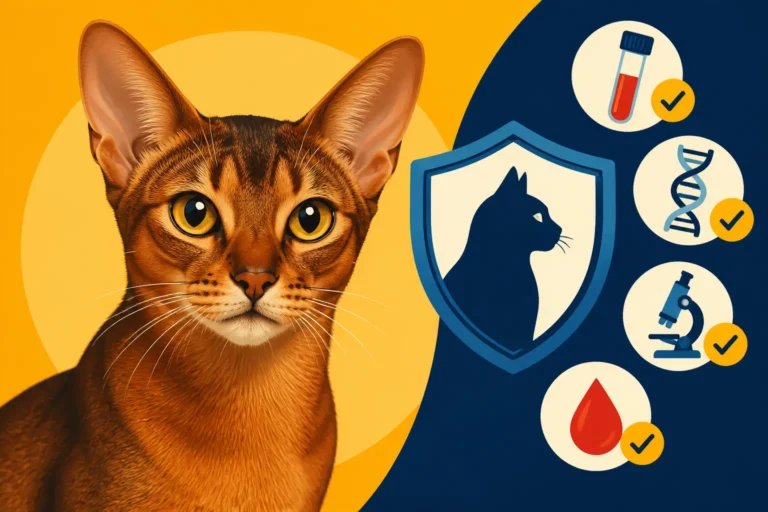
The price can vary based on factors like the kitten's color, its pedigree, whether it's pet quality or show quality, and even gender in some cases. Expect to pay a premium for a kitten from a breeder who provides extensive health guarantees and transparent documentation. They should be able to show you the results of genetic tests for conditions like Pyruvate Kinase Deficiency (PKD) and Progressive Retinal Atrophy (PRA-rdAc). You’ll want to know How Much a Pet Abyssinian Costs From a Breeder versus a show quality one, and understand Why a Cream Abyssinian Female Is the Priciest of All. Don't be tempted by unusually low prices, as these often signal corners cut in vital areas like health testing or early care, which could lead to much higher vet bills down the line.
Getting Ready: Essential Supplies
Before your little explorer even sets foot in your home, you'll need to create a safe and stimulating environment. This involves more than just a food bowl and a bed. Abyssinians are known for their athleticism and intelligence, meaning they thrive on vertical space and interactive toys.
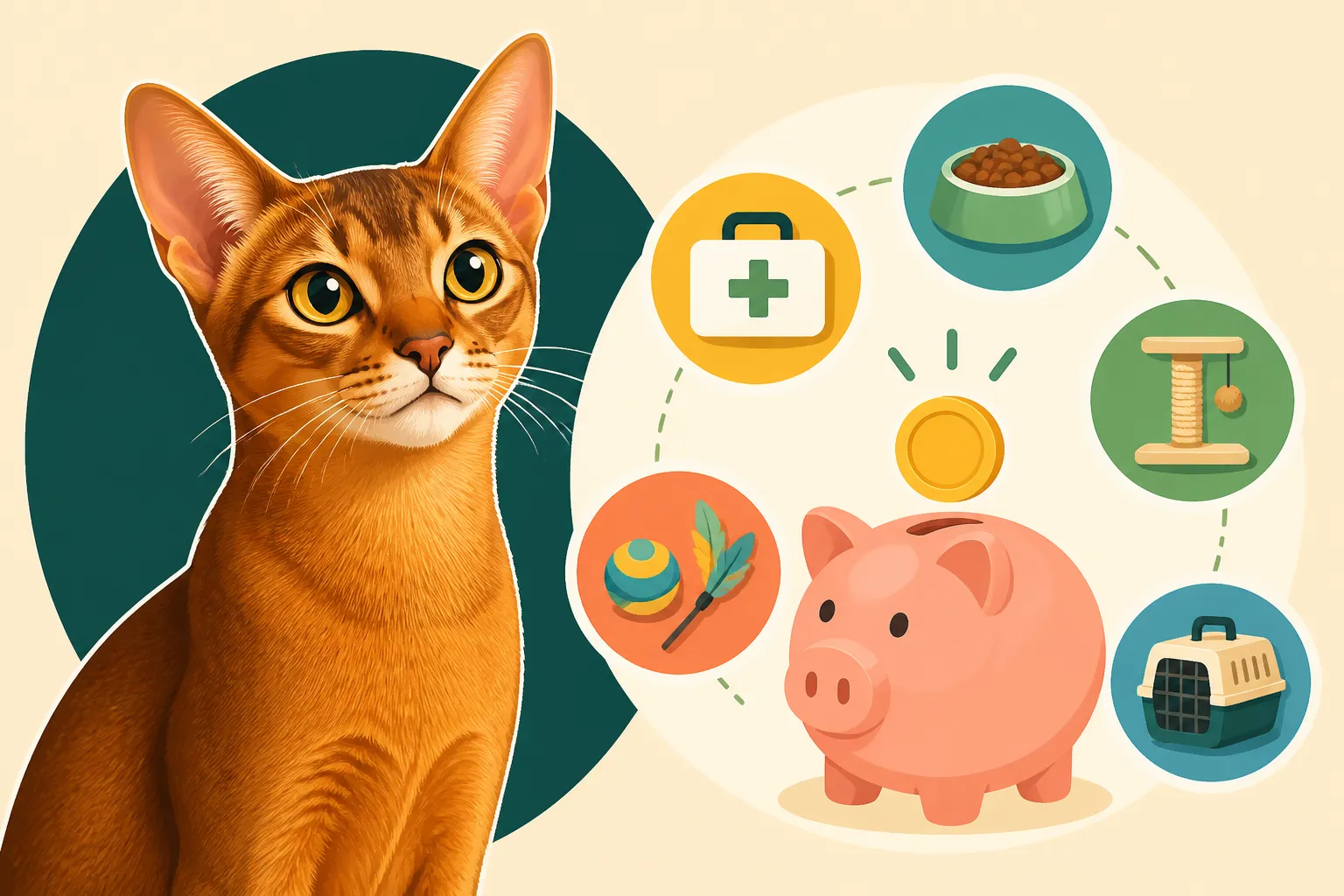
Your shopping list should include a sturdy cat tree – ideally a tall one with multiple levels to satisfy their climbing instincts. Wall-mounted shelves are also fantastic for creating vertical highways. Think about quality food and water bowls, a comfortable carrier for vet visits, and several scratching posts and pads in various materials (sisal, cardboard, carpet). Don't forget a selection of toys; Abyssinians get bored easily, so a variety of wand toys, puzzle feeders, and crinkly balls are a must. Many owners find themselves browsing online retailers like Chewy for a wide selection of durable and engaging cat furniture and accessories.
| Item Category | Estimated Initial Cost Shape | Notes |
|---|---|---|
| Abyssinian Kitten | Significant (four figures) | Varies by breeder, pedigree, color, and show potential. |
| Cat Tree/Wall Shelves | Moderate to High | Crucial for an Aby's vertical needs; investing in quality prevents early replacement. |
| Food & Water Bowls | Low to Moderate | Consider stainless steel or ceramic for hygiene. |
| Carrier | Low to Moderate | Essential for safe transport, especially to the vet. |
| Litter Box & Scoop | Low to Moderate | Opt for larger sizes; Abyssinians prefer open boxes. |
| Litter (first bag) | Low | Factor in initial purchase, then ongoing monthly cost. |
| Scratching Posts/Pads | Low to Moderate | Multiple types/locations will encourage appropriate scratching. |
| Toys (initial set) | Low to Moderate | Include interactive wand toys, puzzle feeders, and independent play toys. |
| Grooming Tools | Low | Rubber mitt, toothbrush, nail clippers. |
| First Vet Visit | Moderate | Initial exam, vaccinations, deworming, microchip. |
| Pet Insurance (first month) | Low to Moderate | Monthly premium, vital for unexpected emergencies. |
Those Crucial First Vet Visits
Your Abyssinian kitten's first few trips to the vet are non-negotiable and represent a significant upfront cost. These visits typically involve a thorough physical examination, a series of vaccinations to protect against common feline diseases, and deworming treatments. Your vet will also discuss parasite prevention, microchipping, and the best time for spaying or neutering.
A reputable breeder will usually ensure the kitten has had its initial vaccinations and a health check before coming home, but a new owner still needs to establish care with their own veterinarian quickly. It’s also wise to get your kitten microchipped if the breeder hasn't already done so, providing an extra layer of security should your adventurous Aby ever manage an escape. Don't forget the importance of dental care from an early age; even kittens can show signs of Why an Abyssinian Kitten's Gums Fail at Six Months, so proactive checks are vital. These early appointments are fundamental for setting up a strong health foundation for your new family member.
Ongoing Monthly and Quarterly Expenses
Once you've covered the initial setup, the costs shift to a more predictable rhythm of recurring expenses. These are the things you’ll budget for week in and week out, ensuring your Abyssinian has everything they need to thrive.
The Never-Ending Food and Litter Bill
Abyssinians are active, lean cats with high metabolisms, which means they often eat more than you might expect for their size. High-quality nutrition is paramount for their health, coat condition, and energy levels. While it might be tempting to opt for cheaper, lower-quality foods, remember that good food can prevent health issues down the road, making it a wise investment.
Consider fresh pet food delivery services, which can cater to their specific dietary needs, though these often come at a higher price point than premium kibble or canned food. Factor in both wet and dry food, as wet food helps ensure adequate hydration, crucial for urinary tract health and general well-being. Then there's litter. Abyssinians are particular about their litter boxes, and you'll want to provide a good quality, unscented clumping litter that's changed regularly. What an Abyssinian Eats in a Month and What Litter One Abyssinian Uses in a Month can add up, so it's good to track these early.
Keeping Their Minds and Bodies Busy
Abyssinians are notorious for their intelligence and endless curiosity. They aren't content to simply laze on the couch all day; they need constant mental and physical stimulation. This means budgeting for a steady supply of interactive toys, puzzle feeders, and perhaps even replacing worn-out scratching posts.
They tend to destroy cheaper toys quickly, so investing in durable, engaging options is often more cost-effective in the long run. Think about rotating toys to keep them novel and exciting. Periodically, you might want to introduce new types of enrichment, like a catio for safe outdoor exploration or new wall shelves to create fresh climbing routes. This investment in their environment isn't just about fun; it's about preventing boredom-induced destructive behaviors, saving your furniture (and sanity) in the process. Remember, Why a Single Abyssinian Costs More in Damage if they aren't adequately stimulated.
The Peace of Mind of Pet Insurance
While it's an ongoing monthly expense, pet insurance is one of those things you hope you never have to use but are incredibly grateful for when you do. Abyssinians, like all purebred cats, can be predisposed to certain genetic conditions, even with responsible breeding. Conditions like Pyruvate Kinase Deficiency and Progressive Retinal Atrophy are thankfully testable, but other issues, such as early-onset kidney disease (renal amyloidosis), lack a definitive genetic test. Whether Pet Insurance Is Worth It for an Abyssinian is a common question, and for a breed with specific health considerations, many owners find it invaluable.
Providers like Healthy Paws offer various plans that can help cover unexpected veterinary emergencies, surgeries, chronic conditions, and even specialized treatments. Enrolling your Abyssinian kitten when they are young and healthy is key, as pre-existing conditions are typically excluded. While you’ll still have deductibles and co-pays, insurance can significantly reduce the financial burden of a sudden illness or accident, allowing you to focus on your cat's recovery rather than crippling vet bills.
Unexpected and Annual Costs
Beyond the regular monthly outlays, there are annual necessities and unforeseen expenses that can pop up. Having a buffer for these is crucial for responsible Abyssinian ownership.
Annual Health Checks and Preventative Care
Even the healthiest Abyssinian needs a yearly check-up with the veterinarian. These annual visits are more than just quick pokes and prods; they're an opportunity for your vet to assess your cat's overall health, update vaccinations, perform routine screenings, and discuss any changes in behavior or appetite. For a highly active breed like the Abyssinian, these yearly exams are vital for catching subtle health issues early, which can make a huge difference in treatment success and cost.
As your Abyssinian grows, your vet might recommend additional blood work or other diagnostic tests, especially as they enter their middle and senior years. For instance, monitoring kidney values is particularly important for Abyssinians, given their propensity for renal amyloidosis. These preventative measures, though an annual expense, are an investment in your cat’s long-term health and can often prevent more serious and expensive problems down the line. It's good to know What an Abyssinian's Annual Checkup Costs in your area.
The Inevitable Dental Work
This is often one of the most underestimated costs of cat ownership, and Abyssinians are particularly prone to dental issues, especially a condition known as juvenile gingivitis which can lead to gum overgrowth and tooth loss. This isn't just cosmetic; severe dental disease can lead to pain, infection, and even impact organ health.
Many Abyssinians will require professional dental cleanings under anesthesia annually or bi-annually. Some might even need gingivectomies (removal of excess gum tissue) or tooth extractions. Why Abyssinian Dental Work Is the Biggest Line in the Budget for many owners. While daily toothbrushing can help, it rarely negates the need for professional care for this breed. These procedures can be costly, often involving pre-anesthetic bloodwork, the anesthesia itself, the dental cleaning, and potentially extractions or gum surgery. Budgeting specifically for dental care is a must for an Abyssinian owner.
Building an Emergency Fund
No matter how well you plan, emergencies happen. A sudden illness, an accidental injury, or the rapid onset of a serious condition like acute anemia from Pyruvate Kinase Deficiency, which can surface unexpectedly, requires immediate veterinary attention. Emergency vet visits can quickly run into thousands of dollars, and without an emergency fund or pet insurance, you might find yourself in a very difficult situation.
This fund should ideally be a separate savings account, ready for those unforeseen circumstances. Think of it as your safety net. Even with pet insurance, you'll likely have a deductible to meet and potentially co-pays, so having a reserve is always a good idea. Building this fund gradually throughout the first year is a smart strategy, ensuring that you're prepared for anything your energetic Abyssinian might encounter.
Saving Smart and Planning Ahead
The first year with an Abyssinian is certainly an investment, but there are ways to manage costs effectively and ensure you're providing the best for your cat without breaking the bank.
Budgeting Beyond the First Year
While the first year can feel overwhelming with all the initial purchases and vet visits, it’s important to remember that many costs, like the initial kitten price and some one-time setup items, won’t recur. However, the ongoing monthly and annual expenses will continue for The Twelve to Fifteen Years an Abyssinian Usually Gets. Get into the habit of tracking your expenses in that first year. This will give you a realistic picture of your average monthly spend on food, litter, toys, and routine vet care.
You might find that some costs, like preventative medications or certain food brands, are more affordable when purchased in larger quantities or during sales. Creating a dedicated "Abyssinian fund" not just for emergencies, but also for annual expenses like dental cleanings or regular check-ups, can help smooth out the financial peaks and valleys. Planning helps you avoid nasty surprises and ensures a stable, healthy life for your beloved Aby for years to come.
Smart Shopping for Your Aby
Being a savvy shopper can significantly impact your overall costs. Online retailers like Chewy often offer competitive pricing, bulk discounts on food and litter, and convenient auto-ship options. Signing up for loyalty programs or email newsletters can also alert you to sales and special offers. For certain specialized products, like specific puzzle feeders or high-quality climbing furniture, local pet boutiques might offer unique, durable options that are worth the investment.
However, be wary of impulse buys for toys your Abyssinian might quickly tire of. Focus on quality over quantity, especially for items that get heavy use. For instance, rather than buying ten flimsy toys, invest in a few highly engaging, durable ones that can withstand an Aby’s rigorous play style and can be rotated to maintain interest. It’s also wise to research Which Wand Toy an Abyssinian Prefers to ensure your money is well spent on items they'll actually enjoy and use.
The Value of a Good Breeder
While an Abyssinian from a reputable breeder might seem like a high upfront cost, it's often an investment that saves you money and heartache in the long run. Good breeders adhere to strict ethical standards, perform comprehensive health screenings on their breeding cats for known genetic conditions like PK Deficiency and PRA-rdAc, and provide excellent early care and socialization for their kittens. They will proudly show you What an Abyssinian Breeder Should Have Tested Before You Buy.
An untested Abyssinian kitten from a less reputable source might come with a lower price tag initially, but the potential for expensive health issues down the road is significantly higher. Imagine facing thousands in vet bills for a genetic condition that could have been screened for, or dealing with behavioral problems stemming from poor socialization. The peace of mind and the reduced risk of future medical costs that come with a well-bred kitten are invaluable. It’s not just about Why an Abyssinian Costs More Than a Shelter Tabby; it's about investing in a healthy, happy companion for a decade or more.
Disclaimer
This article is for general informational purposes only and does not constitute professional advice. Laws, prices and regulations vary by location and change over time. Consult a qualified professional for guidance on your specific situation.