What an Abyssinian Costs Compared to a Domestic Shorthair
When you first fall in love with a graceful Abyssinian, you might think, "A cat's a cat, right? The cost can't be that different from a regular domestic shorthair." Oh, if only it were that simple! The truth is, while all cats bring immeasurable joy, the financial journey with an Abyssinian can be quite a distinct experience, presenting unique considerations that many first-time owners aren't fully prepared for. This guide will walk you through the realistic cost comparison, highlighting where the expenses for an Abyssinian truly diverge from those of a domestic shorthair, helping you plan for a lifetime of happy, healthy companionship.
Initial Acquisition: The Sticker Shock Difference
Let's be honest, the very first cost is where the most significant difference often lies. Bringing any new pet into your home has an initial price tag, but the nature of that cost, and its magnitude, can vary wildly between a pedigree Abyssinian and a domestic shorthair.
Breeder vs. Shelter: The First Fork in the Road
For most domestic shorthairs, the journey often starts at a local animal shelter or rescue organization. These wonderful places typically ask for an adoption fee that covers a portion of the cat's initial vetting – things like spaying or neutering, initial vaccinations, and sometimes microchipping. This fee is generally quite reasonable, designed to help cover costs and ensure serious adopters. You're giving a deserving cat a second chance, and that's a truly beautiful thing.
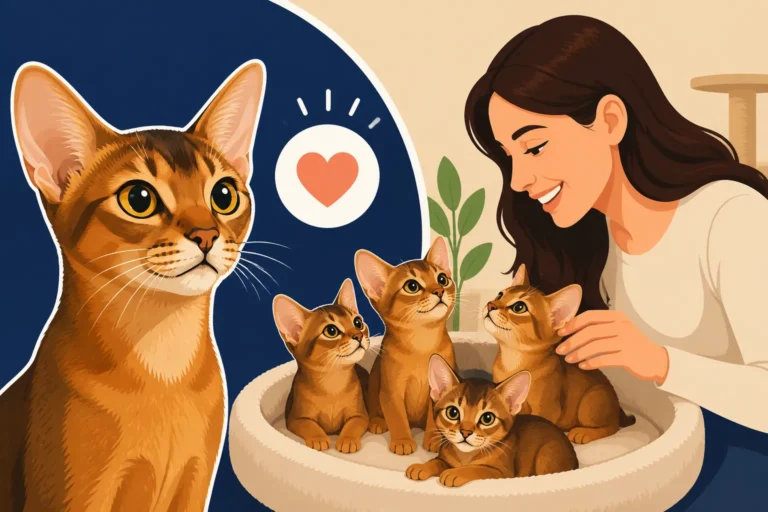
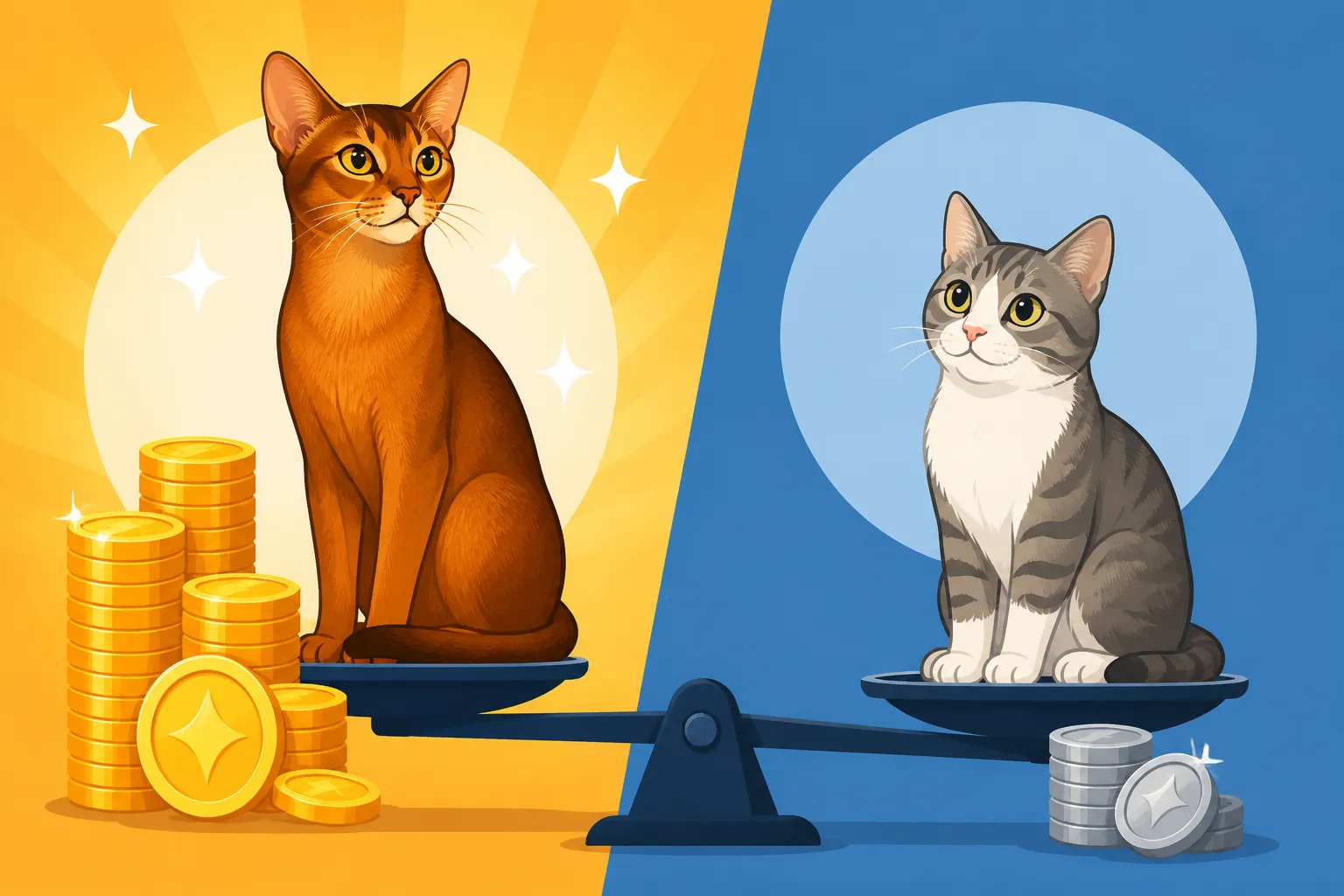
However, if your heart is set on an Abyssinian, you're usually looking at purchasing from a reputable breeder. This isn't just about getting a "fancy" cat; it's about investing in specific traits, health screenings, and a known lineage that has been carefully cultivated over generations. How Much a Pet Abyssinian Costs From a Breeder dives deeper into what you can expect here. The price for an Abyssinian kitten from a good breeder will be substantially higher than an adoption fee for a domestic shorthair, reflecting the breeder's investment in health testing, quality care for the parents and kittens, and preserving the breed standard. This isn't to say one is "better" than the other, but it's a critical financial distinction right out of the gate. Why an Abyssinian Costs More Than a Shelter Tabby explains some of the key reasons for this price disparity.
What Goes Into an Abyssinian's Upfront Cost
When you bring home an Abyssinian from a reputable breeder, you're often paying for peace of mind in terms of health and temperament. Breeders typically perform extensive health screenings on their breeding cats for genetic conditions common in the breed, such as Pyruvate Kinase Deficiency (PKD) and Progressive Retinal Atrophy (PRA-rdAc). These tests are not cheap, and their cost is factored into the kitten's price. A domestic shorthair, by contrast, usually doesn't come with a known genetic history or guarantees against specific inherited conditions, although a good rescue will certainly address any immediate health concerns.
Beyond health, a well-bred Abyssinian will come with its first set of vaccinations, deworming, and will already be spayed or neutered if leaving at the appropriate age. They'll also often be microchipped. All of these are standard practices that add to the initial investment, but they're also things you would likely need to budget for separately if adopting a domestic shorthair kitten that hasn't had these procedures done yet. Think of it as a comprehensive package deal versus individual item purchases – both get you a cat, but the upfront structure and cost are quite different.
Ongoing Care: Where the Long-Term Costs Diverge
While the initial purchase price is a big differentiator, the ongoing care costs are where the subtle, yet significant, differences between an Abyssinian and a domestic shorthair really start to accumulate over the years. Many people underestimate these recurring expenses, leading to financial strain down the road.
Feeding an Energetic Abyssinian
Abyssinians are incredibly active cats. They're like little bundles of perpetual motion, constantly exploring, climbing, and playing. This high energy level translates directly into a higher metabolism and, often, a greater need for quality nutrition. While a domestic shorthair might be content with a standard kibble and wet food diet, an Abyssinian often thrives on high-quality, protein-rich food that supports their lean muscle mass and boundless activity.
You might find yourself investing in premium brands or even specialized raw food diets to meet their needs. Over the course of a year, these food choices can add up to a noticeable difference in your budget compared to feeding a less active cat. Plus, don't forget the mental enrichment through food, like puzzle feeders! How Much a Puzzle Feeder Costs for an Abyssinian might seem like a small line item, but these items are crucial for their active minds.
Dental Care: A Major Abyssinian Expense
This is perhaps one of the most unexpected and significant areas where Abyssinian ownership can become more expensive. Abyssinians are unfortunately prone to certain dental issues, particularly a condition known as juvenile gingivitis, which can lead to gum overgrowth and tooth resorption if not managed diligently. Why Abyssinian Dental Work Is the Biggest Line in the Budget highlights just how impactful these costs can be.
While all cats benefit from regular dental care, Abyssinians often require professional dental cleanings more frequently, sometimes yearly, even from a young age. Some may even need gingivectomies (removal of excess gum tissue) or tooth extractions down the line. These procedures require anesthesia and can be quite costly. A domestic shorthair, while not immune to dental disease, typically doesn't face the same high predisposition to such aggressive and early-onset issues, often requiring less frequent or less intensive interventions. This means budgeting for regular, significant dental expenses is a non-negotiable part of Abyssinian ownership.
Enrichment and Environment: Catering to a Climber
Abyssinians are, by nature, arboreal. They love to climb. They need height, vantage points, and plenty of opportunities to express their natural instincts to survey their domain from above. This isn't a "nice-to-have" for an Abyssinian; it's a fundamental requirement for their mental and physical well-being. An Abyssinian Needs Height More Than It Needs Floor truly captures this essence.
This means investing in robust, tall cat trees, wall-mounted shelves, and perhaps even a catio for safe outdoor exploration. While you can certainly buy these for a domestic shorthair, for an Abyssinian, it's an essential part of preventing boredom and destructive behavior. High-quality, stable climbing structures can be expensive to acquire and install. Comparatively, a domestic shorthair might be perfectly happy with a single, moderately sized cat tree and a few window perches, demanding less in terms of elaborate vertical real estate investment. Think about the durability too; an Abyssinian will put any climbing structure through its paces!
Veterinary Care and Health Concerns: Planning for the Unexpected
Even with the best breeding and care, no cat is immune to health issues. However, the types of health concerns, and thus the potential veterinary costs, can differ between an Abyssinian and a domestic shorthair.
Breed-Specific Health Considerations
We already touched on dental issues, but Abyssinians also have a predisposition to other conditions. While reputable breeders test for PK Deficiency and PRA-rdAc, ensuring a clear lineage reduces the risk, it doesn't eliminate all possibilities. There's also Renal Amyloidosis, a serious kidney condition that, unfortunately, has no genetic test. This means vigilant monitoring is crucial. Why an Abyssinian's Kidneys Make Water Intake Matter underscores the importance of proactive care for this breed.
Regular veterinary check-ups are vital for early detection. For an Abyssinian, your vet might recommend specific blood tests or urine panels as they age, even if they appear healthy, to monitor for early signs of kidney issues or other breed-specific ailments. These diagnostic tests, while incredibly valuable, add to your annual veterinary expenses. A domestic shorthair's general health profile might not warrant such specific, routine screenings unless a problem arises, potentially leading to lower overall diagnostic costs over their lifetime. What an Abyssinian's Annual Checkup Costs can give you a clearer idea of what typical visits entail.
The Role of Pet Insurance in Managing Costs
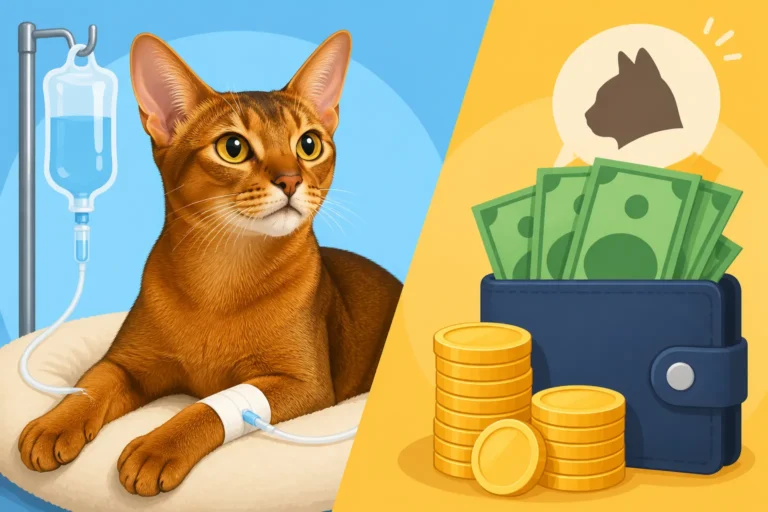
Given the potential for breed-specific health issues and the generally higher cost of care for a pedigree cat, pet insurance becomes an even more critical consideration for Abyssinian owners. While it's a wise investment for any pet, it can offer substantial peace of mind and financial protection against unexpected medical bills for an Abyssinian.
Providers like Healthy Paws offer comprehensive plans that can cover accidents, illnesses, and even some hereditary conditions (if enrolled before symptoms appear). The monthly premiums for an Abyssinian might be slightly higher than for a domestic shorthair due to their breed-specific predispositions, but the potential payout in the event of a major illness or accident could save you thousands. Whether Pet Insurance Is Worth It for an Abyssinian explores this in detail, and I highly recommend looking into it as soon as you bring your kitten home, before any pre-existing conditions can be noted. Proactive insurance is truly the key to managing those unexpected large bills.
Overall Lifetime Cost: The Big Picture
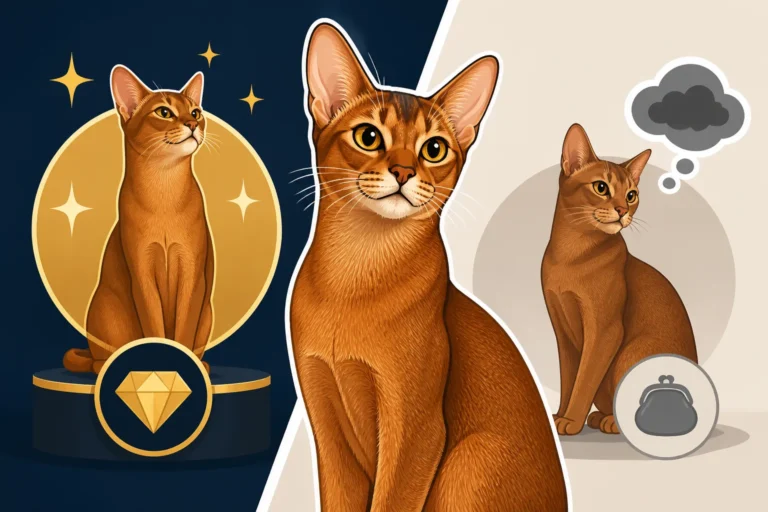
When you tally everything up, the cumulative cost of owning an Abyssinian over their lifespan tends to be considerably higher than that of a domestic shorthair. It's not just about the initial price; it's the sum of all the specialized care, higher quality inputs, and proactive health management that makes the difference.
Why the Purchase Price Is Just the Beginning
Many prospective owners fixate solely on the kitten price, not realizing it's often just a fraction of the total investment. What an Abyssinian Costs Over Fifteen Years reveals the stark reality that daily care, food, litter, toys, vet visits, and unexpected medical emergencies far outstrip the initial acquisition cost. While a domestic shorthair also incurs these expenses, the 'premium' aspects of Abyssinian ownership – from specialized diets to more frequent dental care and extensive climbing structures – compound over time.
Consider the longevity of the breed; Abyssinians are generally long-lived, often reaching 12 to 15 years, sometimes even longer. That's a lot of years to factor in higher food costs, annual vet checks, and potential dental procedures. Being realistic about this long-term financial commitment from the outset is crucial. It’s not just "more expensive"; it’s a commitment to a particular standard of care that reflects the breed's needs.
The Intangible Rewards
Despite the higher financial outlay, Abyssinian owners will often tell you it's worth every penny. You're bringing home a cat with a vibrant personality, an incredible intellect, and a playful, loyal nature that can fill your home with endless entertainment and affection. They form deep bonds with their human companions, and their antics are truly legendary.
Ultimately, the choice between an Abyssinian and a domestic shorthair isn't just a financial one, but it is an important aspect to consider. Understanding the cost differences upfront allows you to prepare adequately and provide the best possible life for whichever feline companion you choose. Why an Abyssinian Is Not Cheaper to Own reinforces that, for all their sleek beauty and minimal grooming needs, these are not budget cats, but they are absolutely priceless companions.
Disclaimer
This article is for general informational purposes only and does not constitute professional advice. Laws, prices and regulations vary by location and change over time. Consult a qualified professional for guidance on your specific situation.