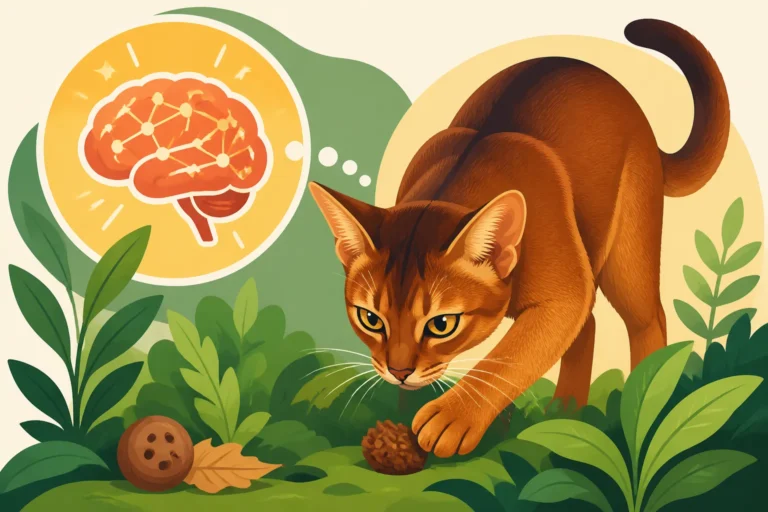
Why the Abyssinian Is Called the Clown of Cats
Anyone who has had the pleasure of sharing their home with an Abyssinian knows that these cats are far from your average couch potato. Many prospective owners are drawn to their striking looks, but it’s their vibrant, often hilarious personalities that truly capture hearts. People often struggle to understand why their supposedly elegant cat is constantly scaling bookshelves, opening cupboards, and getting into every nook and cranny. This guide will delve into the unique characteristics that earn the Abyssinian the affectionate title of "clown of cats" and help you understand the delightful chaos they bring.
The Abyssinian's Boundless Energy: A Non-Stop Show
When you hear "clown of cats," you might imagine a clumsy, bumbling creature, but with an Abyssinian, it's more about their energetic, acrobatic, and endlessly curious nature. These cats are wired differently; they possess an almost dog-like zeal for life and an insatiable need for activity. Their energy isn't just a burst; it's a sustained, high-octane performance that lasts from dawn till dusk, and sometimes through the night!
Always On the Move
Forget the stereotypical image of a cat napping for 18 hours a day. Abyssinians certainly enjoy a good snooze, but those periods are merely pit stops in their busy schedule. They are constantly exploring, investigating, and interacting with their environment. If you're walking through the house, don't be surprised to find your Abyssinian weaving between your legs, scaling a nearby cat tree, or darting from room to room as if on an urgent, secret mission. This ceaseless motion is a hallmark of the breed and a major contributor to their "clown" reputation. They have an innate drive to be involved, to see everything, and to experience every moment, making them feel less like an aloof feline and more like an enthusiastic, furry shadow. This isn't a cat content to merely observe; they are participants in the highest degree, and their presence transforms even the most mundane household tasks into an entertaining spectacle. Owners often describe them as "busy," and it's a truly apt description for their constant, purposeful activity. How Many Hours a Day an Abyssinian Stays Active delves into just how much these cats are on the go.
Comparing Their Activity Levels to Other Breeds
It's truly remarkable how much an Abyssinian stands out when compared to many other popular cat breeds. While a Persian might be perfectly content to recline on a silk cushion all day, and a Maine Coon enjoys a leisurely stretch on the floor, the Abyssinian is already halfway up your curtains. They have a metabolic rate that seems to defy logic, burning through calories at an impressive pace because they simply don't stop moving. This high energy isn't just about play; it's a fundamental part of their being. Think of them as the marathon runners of the cat world, always primed for action. If you're used to the calm demeanor of a British Shorthair or the gentle inquisitiveness of a Ragdoll, preparing for an Abyssinian means recalibrating your expectations entirely. They require an environment that can keep up with their demanding pace, otherwise, their natural inclination for activity will manifest in ways you might not appreciate, often leading to them making their own "fun" if you don't provide it. How Much an Abyssinian Sleeps Compared to Other Cats offers more insight into their unique sleep-wake cycles.
The Abyssinian's Playful Antics and Curiosity
The "clown" label truly comes alive when you witness an Abyssinian engaging with their world. Their intelligence, combined with their relentless curiosity, leads them to perform a variety of often comical and sometimes frustrating behaviors. They're not just playing; they're actively problem-solving, exploring, and engaging in mischief that keeps their human companions both exasperated and endlessly entertained.
The Master of Cabinet Raids and Object Theft
One of the most common and endearing (or infuriating, depending on the day) traits of an Abyssinian is their uncanny ability to open cabinets and drawers. It's not usually a forceful attempt; they observe, learn, and then apply that knowledge with a surprising deftness. You might find child-proof latches becoming a necessary addition to your kitchen after you discover your Abyssinian has managed to liberate a bag of treats, unroll an entire toilet paper roll, or even try to help themselves to the contents of your pantry. How an Abyssinian Learns to Open a Cupboard truly highlights their intelligence in this area.
They're also notorious for "borrowing" small, interesting items from around the house. Keys, hair ties, earrings, pens—anything that can be batted, carried, or hidden is fair game. They'll stash these treasures in their favorite secret spots, often under furniture or in a forgotten corner, only for you to discover a small hoard weeks later. This isn't malice; it's pure, unadulterated play and an extension of their inquisitive nature. Providing them with dedicated "treasure" toys and challenging puzzle feeders can sometimes redirect this behavior, but it's important to remember that they thrive on the intellectual challenge of figuring things out. You might even find yourself buying specific cat-safe toys from places like Amazon to satisfy this drive.
Water Play and High-Altitude Shenanigans
Most cats are famously averse to water, but the Abyssinian often breaks this mold. Many Abyssinians are absolutely fascinated by running water, and it's not uncommon to find them batting at a dripping faucet, trying to "catch" the stream, or even sitting on the edge of the tub watching the bathwater run. Some even enjoy a playful splash, though a full bath is still generally frowned upon by most felines, Abyssinians included! This unique affinity for water can lead to amusing moments, like them attempting to "help" you wash dishes by trying to grab the water from the tap or dipping a paw into your drinking glass. Why an Abyssinian Plays With Water explores this fascinating behavior further.
Beyond water, their natural instinct to seek out high places is truly something to behold. They are agile, powerful jumpers, and view every horizontal surface as a potential launching pad to the next vertical adventure. The top of the refrigerator, the highest bookshelf, the very apex of your tallest cat tree—these are their preferred perches. They survey their kingdom from above, often making seemingly impossible leaps with incredible grace. This desire to climb isn't just for observation; it's an inherent part of their need for physical exertion and mental stimulation. If you don't provide appropriate climbing structures, they'll happily commandeer your furniture or even your shoulders as their personal mountain range. How High an Abyssinian Will Climb paints a vivid picture of their vertical ambitions.
Their Unique Communication Style
Abyssinians are not typically known for being exceptionally vocal in the same way a Siamese might be, but they certainly have their own distinctive language. Their communication, both vocal and physical, is a delightful blend of subtle cues and overt gestures that contribute significantly to their charming "clown" persona.
Chirps, Trills, and the Shoulder Perch
Instead of loud meows, Abyssinians often communicate with soft chirps and trills. These sounds are typically reserved for moments of excitement, when they're greeting you at the door, or when they're intently focused on a bird outside the window. It's an endearing, almost bird-like sound that is distinctly Abyssinian and signals their engagement with you or their environment. When you hear a string of these chirps, it's often an invitation to play or a clear sign of their happy, alert state. Understanding these subtle vocalizations helps you appreciate their unique way of expressing themselves, which is far removed from the demanding cries some other breeds might employ.
Physically, one of the most charming—and sometimes startling—ways an Abyssinian shows affection and engages with you is by perching on your shoulder. They'll often scale your body with surprising swiftness and grace, settle on your shoulder, and survey the room from this elevated vantage point, as if they're your personal, furry parrot. This isn't just about seeking height; it's a profound display of trust and affection, placing themselves right beside your head, often rubbing against your cheek or purring contentedly. It's a far cry from the traditional lap cat, but no less intimate. This behavior perfectly encapsulates their active, involved nature and their desire to be at the heart of whatever you're doing. Why an Abyssinian Perches on Your Shoulder offers more insight into this beloved trait.
Affection Without the Lap-Sitting
If you're looking for a cat that will curl up on your lap for hours on end, an Abyssinian might not be the right fit. While they are incredibly affectionate and crave interaction, they express their love in a much more dynamic way. They are "velcro cats" in that they want to be near you, often following you from room to room, but rarely do they stay still for long. Instead of sitting on you, they'll sit next to you, rub against your legs, weave through your feet, or engage you in a vigorous play session. Their affection is demonstrated through active participation in your life, rather than passive cuddling.
This constant proximity, combined with their playful nudges and chirps, creates a feeling of being constantly accompanied and loved. They are deeply bonded to their human families and thrive on interaction, whether it's a game of fetch (yes, many Abyssinians love to fetch!) or a shared moment of watching the world outside. Their desire for engagement means they're always "on," always ready to connect, and this active form of affection is what truly makes them such delightful, clownish companions. How an Abyssinian Shows Affection Instead of Lap Sitting dives deeper into their unique expressions of love.
The Need for Constant Mental and Physical Stimulation
The Abyssinian's clownish antics aren't just for show; they stem from a deep-seated need for constant mental and physical engagement. Without adequate outlets for their intelligence and energy, these smart, active cats can quickly become bored, and a bored Abyssinian is often a mischievous, destructive Abyssinian. Understanding this core need is paramount to living harmoniously with these delightful felines.
The Consequences of Boredom
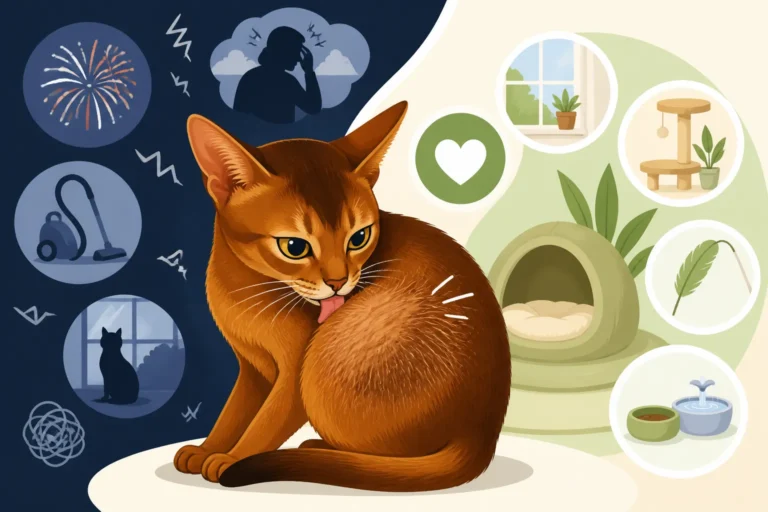
An Abyssinian left to their own devices without enough stimulation can develop what many owners affectionately call "redecorating skills." This might involve systematically emptying cupboards, tearing up soft furnishings, or batting every item off your shelves with precision. These behaviors aren't spiteful; they're simply their way of creating their own entertainment when you haven't provided enough. Think of it this way: a brilliant human child left in an empty room will find something to do, even if it's drawing on the walls. An Abyssinian is no different. They need challenges, puzzles, and opportunities to use their agile minds and bodies.
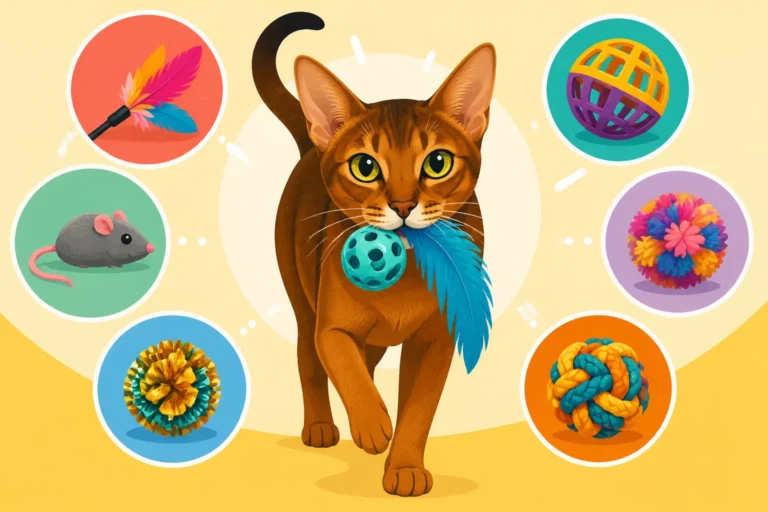
To prevent this, you need to be proactive. Consider interactive toys that dispense treats, like those available on Amazon, which can keep them occupied for a good while. Daily play sessions with wand toys are essential, not just for exercise but for satisfying their hunting instincts. Rotate their toys regularly to keep things fresh and exciting, preventing them from losing interest in the same old feather teaser. Ignoring their need for engagement will almost certainly result in your home becoming their personal playground, often with consequences you'd rather avoid. What an Abyssinian Does When It Is Bored provides excellent examples of how their boredom can manifest.
Training: Channeling Their Intelligence
Many people mistakenly believe cats can't be trained, but the Abyssinian shatters this stereotype. Their intelligence and eagerness to please (especially for a treat or a game) make them highly trainable. Clicker training works exceptionally well with Abyssinians, allowing you to teach them a variety of tricks, from sitting and staying to more complex routines. They truly enjoy the mental challenge of learning new things, and these training sessions can be a wonderful way to bond with your cat while also providing much-needed mental stimulation.
Beyond tricks, training can also be crucial for managing their more boisterous tendencies. For example, teaching a "leave it" command can be incredibly useful when they're eyeing a forbidden object, or recall training can help bring them back from an adventurous climb. It’s about channeling their natural intelligence and drive into positive behaviors rather than trying to suppress their inherent "Abyssinian-ness." Investing time in training isn't just about having a well-behaved cat; it's about providing an enriching outlet for their bright minds and strengthening the bond you share. Training an Abyssinian Is Easier Than Stopping It shares more on their trainability.
Living with an Abyssinian Clown
Bringing an Abyssinian into your home means embracing a lifestyle filled with energy, laughter, and a bit of organized chaos. They are not merely pets; they are active, integral members of the family who thrive on interaction and a stimulating environment. Understanding what to expect and how to adapt your home will make the experience incredibly rewarding.
Embracing the Abyssinian Lifestyle
Living with an Abyssinian means accepting that your home will likely be a dynamic, ever-changing landscape. Your cat won't just occupy floor space; they'll utilize vertical spaces, explore every nook, and engage with nearly every object. This isn't a cat for someone who prefers a perfectly pristine, untouched environment. Instead, it's a cat for those who delight in active companionship and can appreciate the humor in a cat who thinks they're a tightrope walker on your curtain rods.
They thrive in homes where they receive plenty of attention and interactive play. If you work long hours, consider whether you have the time and energy to dedicate to them in the evenings, or if a second, equally energetic cat (or even another Abyssinian!) might be a good companion for them. They do not do well being left alone for extended periods without mental and physical outlets. Embracing the "Abyssinian lifestyle" means actively engaging with your cat, providing a stimulating environment, and being prepared for a few amusing mishaps along the way.
Adapting Your Home for an Abyssinian
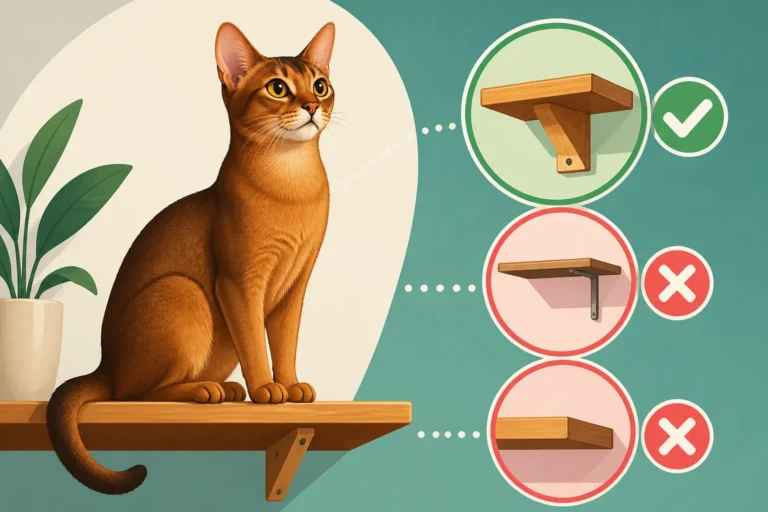
To truly thrive, an Abyssinian needs a home that caters to their specific needs. This means thinking vertically. Wall-mounted shelves, tall cat trees, and clear pathways to elevated perches are not luxuries; they are necessities. Consider shelves that you can buy from an online retailer like Amazon, designed for climbing and resting. Abyssinians love to climb, and providing them with safe, accessible vertical territory will help prevent them from scaling your bookshelves or cabinets (though they'll still try, just for fun!). An Abyssinian Needs Height More Than It Needs Floor emphasizes this critical aspect of their environment.
Here's a quick overview of essential home adaptations:
| Category | Abyssinian Needs | Why It Matters |
|---|---|---|
| Vertical Space | Tall, sturdy cat trees (5ft+), wall-mounted shelves, clear paths to high furniture tops. | Satisfies their natural climbing instinct, provides vantage points, burns energy. |
| Interactive Toys | Puzzle feeders, wand toys, remote-controlled toys, rotating toy selection. | Prevents boredom, stimulates their intelligent minds, fulfills hunting drive. |
| Safety & Security | Child-proof latches on cabinets, securing breakables, covering electrical cords. | Their curiosity means they will explore everything; safety is paramount. |
| Water Access | Fresh water in multiple locations, possibly a pet drinking fountain. | Encourages hydration (important for kidney health), some enjoy water play. |
| Playtime | Dedicated daily interactive play sessions (multiple short bursts), opportunities for fetching. | Essential for physical and mental health, strengthens bond. |
Beyond structures, think about safety. Their curiosity extends to everything, so ensure toxic plants are removed, medications are safely stored, and any potential hazards are addressed. They are also incredibly fast, so a secure indoor-only environment is crucial for their safety. Creating an environment that stimulates and challenges your Abyssinian will lead to a happier, healthier cat and a more harmonious home life for everyone involved. Why a Single Abyssinian Costs More in Damage highlights the importance of providing enrichment to avoid destructive behaviors.
In conclusion, the Abyssinian earns its title as the "clown of cats" not through clumsiness, but through its unparalleled zest for life, insatiable curiosity, and playful intelligence. They are a constant source of entertainment, challenge, and boundless affection, making every day an adventure. If you're ready for a dynamic, interactive companion who will keep you on your toes and fill your home with laughter, the Abyssinian might just be the perfect clown for your circus.
Disclaimer
This article is for general informational purposes only and does not constitute professional advice. Laws, prices and regulations vary by location and change over time. Consult a qualified professional for guidance on your specific situation.