How an Abyssinian Shows Affection Instead of Lap Sitting
It's a common frustration for new Abyssinian owners: you've welcomed this gorgeous, intelligent cat into your home, you adore them, and you expect those sweet, cuddly lap moments you see in so many cat videos. But instead, you have a whirlwind of energy that zooms past your lap, prefers perching on your shoulder, or demands a vigorous play session instead of a quiet snuggle. If you're wondering if your Abyssinian actually loves you because they don't seem interested in being a traditional lap cat, this guide is for you. We're going to explore the unique and deeply affectionate ways an Abyssinian shows its devotion, proving that their love isn't less, it's just different.
The Myth of the Lap Cat and Your Abyssinian
Many people grow up with an image of a cat as a creature content to curl up on a warm lap for hours, purring contentedly. This idyllic scene, while certainly true for many feline friends, doesn't always align with the vibrant, active personality of an Abyssinian. It can lead to genuine disappointment and even a feeling of rejection if your Aby constantly chooses activity over stillness, leaving you to wonder if you're doing something wrong, or if your cat just isn't that into you.
Why Expectations Don't Match Reality
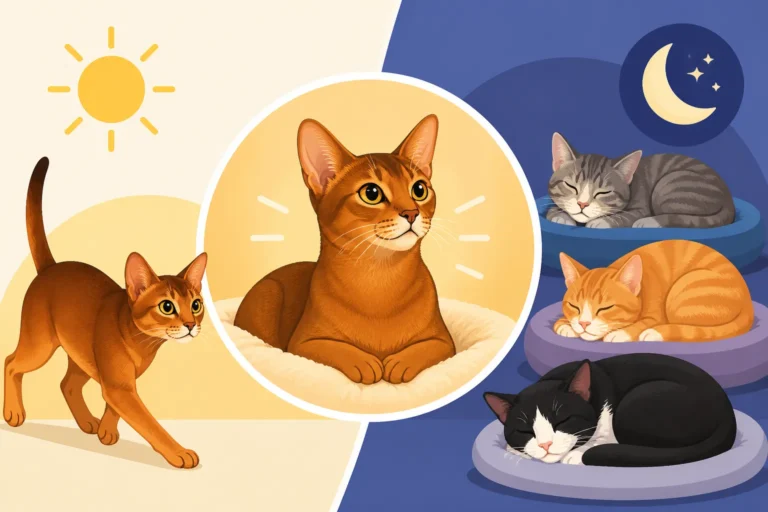
The truth is, Abyssinians are not your typical sedentary lap warmers. They are built for motion, curiosity, and interaction. Their sleek, muscular bodies and boundless energy mean they're often far too busy exploring, playing, and supervising your every move to settle down for extended periods. This isn't a flaw in their personality; it's a fundamental part of what makes an Abyssinian, well, an Abyssinian! Trying to force an Abyssinian into a lap-cat mold is like trying to teach a hummingbird to sit still – it goes against their very nature.
Think about it: many cat breeds were developed with a strong emphasis on docility and companionship, often bred to be indoor pets happy with long naps and close cuddles. Abyssinians, with their lean, athletic build and keen intelligence, are more akin to miniature wildcats in their demeanor, always observing, always on the go. If your previous experience is with a Persian or a Ragdoll, the difference in affection styles can be jarring. It's not that they don't want to be close, it's that their definition of "close" involves a lot more motion and engagement than simply parking on your thighs. You might find that for them, just being in the same room is a powerful bond.
The Abyssinian's Independent Spirit
While incredibly bonded to their chosen people, Abyssinians also possess a strong independent streak. They are often described as "cats who act like dogs" because they're intelligent, trainable, and fiercely loyal, but they rarely exhibit the clinginess some cat breeds might. This independence isn't a sign of aloofness; rather, it's a testament to their self-assured nature. They don't need constant physical reassurance because they're confident in their bond with you.
This means they might not melt into your lap the moment you sit down, but they will follow you from room to room, perch on the back of your chair while you work, or demand a game of fetch the moment you finish your chores. Their affection is often expressed through shared activity and proximity, rather than prolonged physical contact. It's a different kind of love language, one that requires a shift in our human expectations. Recognizing and respecting this independent spirit is crucial to truly appreciating the deep connection you can build with your Abyssinian. Why an Abyssinian Will Not Sit on Your Lap delves deeper into this fascinating aspect of their character.
Active Forms of Affection: The Abyssinian's Love Language
So, if they're not lap cats, how do Abyssinians show they care? Their affection is often expressed through their intense desire to be involved in your life, to share your space, and to engage you in their playful world. It’s a dynamic, interactive love that fills your home with energy and constant companionship.
The Constant Shadow
One of the most common and endearing ways an Abyssinian shows affection is by simply being your shadow. If you find your Aby is always right behind you, whether you're walking to the kitchen, heading to the bathroom, or moving from the living room to the bedroom, that's a huge sign of love and attachment. They don't just want to be in the same house; they want to be in the same room, actively participating in whatever you're doing, even if it's just watching.
This "constant shadow" behavior is their way of saying, "You are my favorite person, and I want to be where you are." They're not just curious; they're demonstrating their profound social bond. It's their way of keeping tabs on you, offering silent companionship, and being ready to spring into action for a sudden play session or a spontaneous head butt. So, next time you trip over your Aby following you, remember it’s not an inconvenience, it’s a declaration of love. Why an Abyssinian Follows You Without Sitting Still explores this trait in more detail, explaining why they're so consistently present.
Engaging in Play as Bonding
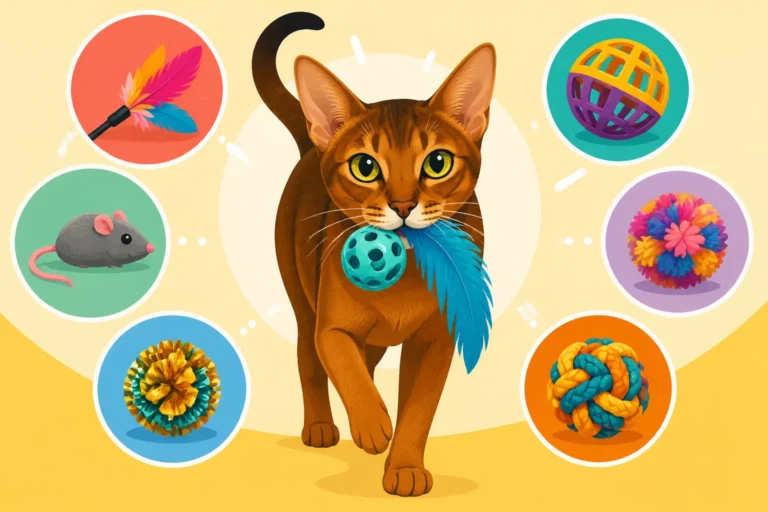
For an Abyssinian, play isn't just exercise; it's a primary form of bonding and affection. Unlike some cats who might bat at a toy by themselves, Abyssinians thrive on interactive play with their humans. A ten-minute session with a wand toy isn't just fun for them; it's a profound connection, a shared hunt, and a reinforcement of your bond. If your Aby brings you a toy, drops it at your feet, and looks expectantly at you, they're not just bored – they're inviting you to connect with them in their preferred love language.
This focus on shared play means that providing ample opportunities for interaction is key to a happy Abyssinian. Investing in a variety of engaging toys, from feather wands you can find on Amazon to crinkly balls, shows them you understand and reciprocate their affection. They interpret your willingness to chase, pounce, and engage as a direct expression of your love and commitment to them. Remember, How Much Play an Abyssinian Needs Each Day isn't just about burning off energy; it's about building and maintaining a strong relationship.
Communicating Through Chirps and Trills
Abyssinians are known for being quite vocal, but not always in the loud, demanding way some cat breeds are. Instead, they often communicate with a delightful range of soft chirps, trills, and soft "mews" that are distinct from a typical meow. These sounds are often directed specifically at you, a unique serenade expressing their thoughts, desires, and indeed, their affection.
When your Aby greets you with a series of chirps as you walk in the door, or trills at you from a high perch, they are engaging you in conversation. These gentle vocalizations are their way of checking in, expressing happiness, or simply acknowledging your presence. It's a more intimate form of communication than a generic meow, often reserved for their closest companions. Paying attention to these subtle sounds and responding in kind – even if it's just a soft word back – can deepen your understanding and appreciation of their unique way of showing love. You can learn more about their charming vocalizations in How Vocal an Abyssinian Actually Is.
Physical Touch, Abyssinian Style
While the traditional lap cat cuddle might be rare, Abyssinians have their own signature ways of initiating physical contact and showing affection that are just as meaningful, if not more so, given their active nature. These aren't just random acts; they are deliberate gestures of love and belonging.
Shoulder Perching and Head Nuzzles
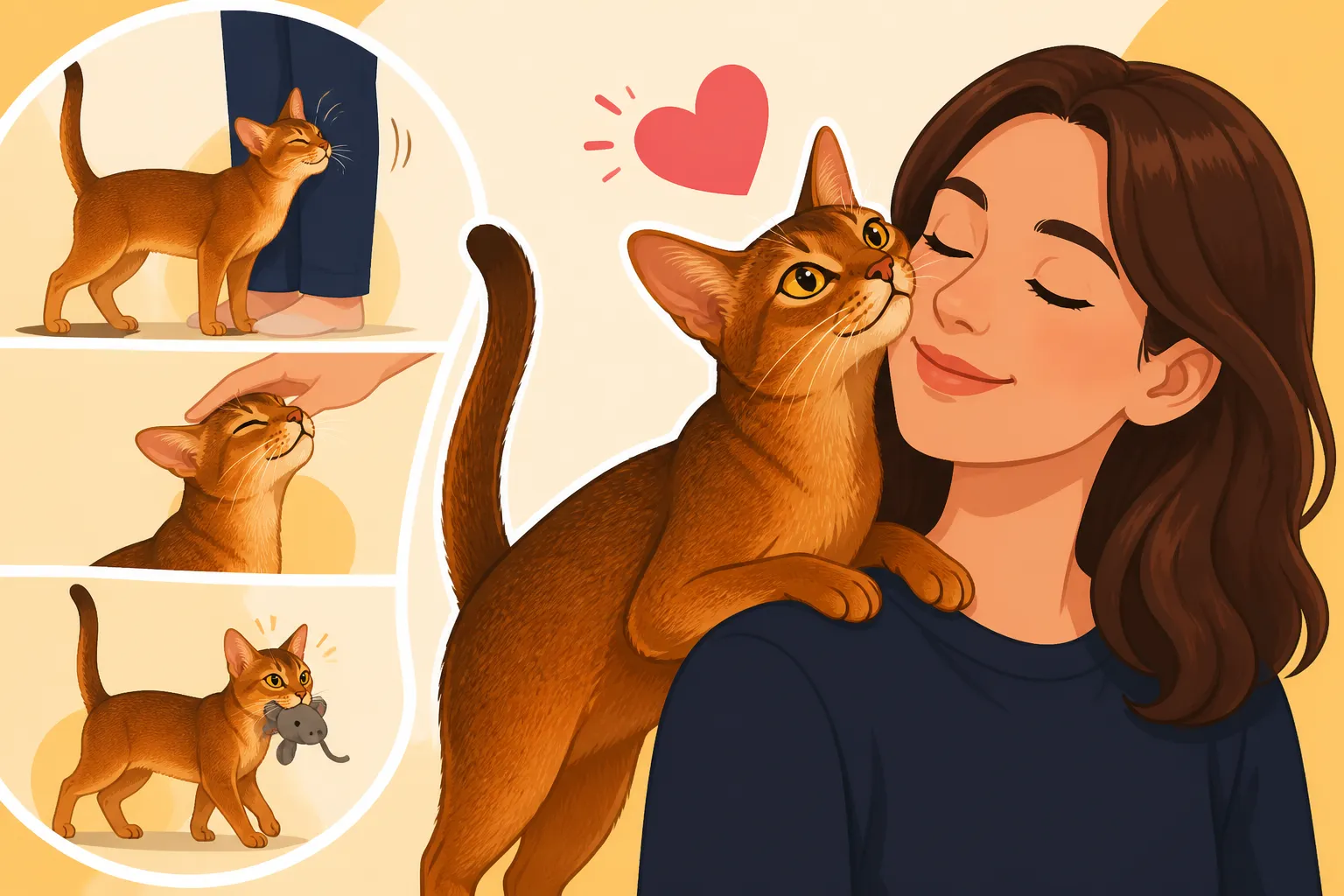
Instead of settling on your lap, many Abyssinians prefer an elevated position – your shoulder! It's a common trait for them to leap onto your shoulder, often startling you at first, and then settle in, sometimes rubbing their cheek against yours or purring right into your ear. This "shoulder cat" behavior is an intimate and highly affectionate gesture, placing them literally at your eye level, giving them a prime vantage point, and allowing them to be incredibly close to your face.
Head nuzzles, or "bunting," are another powerful sign of affection. When an Abyssinian gently bumps their head against yours, your hand, or your leg, they are not just marking you with their scent glands; they are actively telling you they consider you part of their family, their tribe. It's a comforting, reassuring gesture that often comes with a rumbling purr, and it means they feel utterly safe and content in your presence. These are their special cuddles, designed for maximum closeness without the commitment of being truly "trapped" in a lap.
Rubs and Bunting: Marking You With Love
Beyond head nuzzles, Abyssinians often rub against your legs, ankles, or even weave between your feet as you move. This isn't just a casual pass; it's a deliberate act of scent marking and bonding. When a cat rubs its cheek, flank, or tail against you, they are depositing their pheromones, essentially claiming you as their own and integrating you into their social group. It’s a high honor from a cat like an Abyssinian.
This behavior, often accompanied by a purr, signifies deep trust and comfort. They are saying, "You are mine, and I feel safe with you." They want their scent mingled with yours, creating a shared, comforting odor profile throughout your home. So, even if they aren't draped across your lap, these frequent, fleeting brushes and rubs are profound declarations of love and belonging.
The "Helpful" Assistant
Have you ever noticed your Abyssinian "helping" you with tasks around the house? Whether they're batting at your pen as you write, trying to "catch" the cursor on your laptop screen, or investigating the contents of the laundry basket, this isn't just mischief (though there's certainly a playful element!). It's their way of seeking engagement and participating in your activities. An Abyssinian wants to be involved in everything you do.
They see your activities as shared opportunities for interaction. If you're folding laundry, they might jump into the pile. If you're reading a book, they might head-butt the pages. While it can sometimes be a little inconvenient, these moments are pure affection. They are asking for your attention, inviting you to engage with them, and reminding you that their world revolves around yours. Learning to embrace these "helpful" interventions as bids for connection can transform potential frustrations into cherished moments of bonding. The Abyssinian Is the Busiest Cat in the House touches on this constant need for involvement.
Understanding Their Needs: A Deeper Connection
Building a strong bond with an Abyssinian means understanding and catering to their unique needs for stimulation, interaction, and a well-structured environment. When you meet them where they are, their affection blossoms even more.
Responding to Their Playful Demands
Because play is such a vital part of an Abyssinian's affection, responding to their playful demands is paramount. Ignoring their invitations to play can inadvertently communicate a lack of interest on your part, potentially dampening their lively spirit. When your Aby brings you a toy or gives you "the look" that says "let's play!", try to carve out even a few minutes to engage with them.
It doesn't have to be a marathon session every time. Even short, intense bursts of interactive play with their favorite wand toy can make a world of difference. This signals to them that you value their communication and enjoy their company. Over time, these consistent responses build a deep reservoir of trust and affection, solidifying their belief that you are their devoted playmate and companion. Why an Abyssinian Loses Interest in a Toy Fast offers insights into keeping their play engaging.
Creating a Stimulating Environment
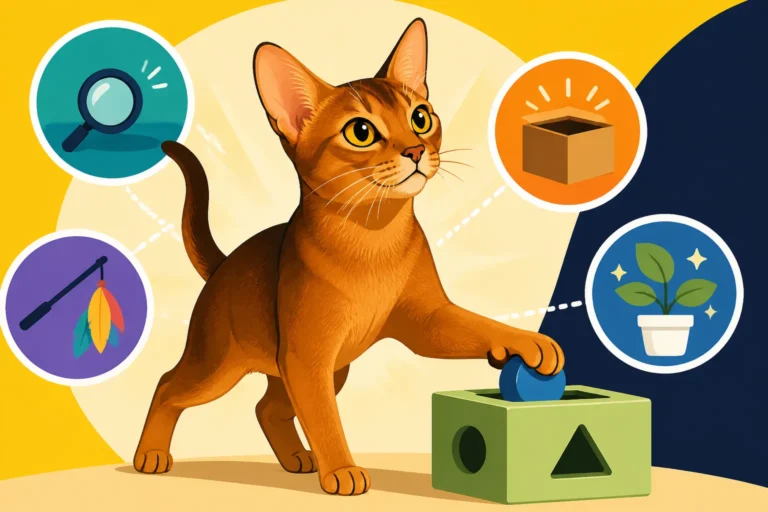
An Abyssinian's affection isn't just about direct interaction; it's also about how you provide for their innate needs. A truly loved Abyssinian lives in an environment that stimulates their intelligent, curious mind and allows them to express their natural behaviors. This means providing ample vertical space – tall cat trees, wall shelves, and access to high perches. These aren't just decorative items; they're crucial for their mental and physical well-being.
Consider enrichment toys and puzzle feeders, which can be found readily on sites like Amazon, that challenge their intellect and satisfy their hunting instincts. A bored Abyssinian might become destructive or withdrawn, not because they don't love you, but because their needs aren't being met. By creating a rich and engaging environment, you're showing profound love and respect for who they are as a breed. An Abyssinian Needs Height More Than It Needs Floor provides excellent ideas for vertical enrichment.
The Power of Routine and Presence
While they are independent, Abyssinians thrive on routine and your consistent presence. They may not be glued to your side constantly, but they are deeply aware of your habits and movements. Knowing when to expect playtime, meal times, and your general availability provides them with a sense of security and stability, which in turn fosters a stronger bond.
Your physical presence in the home, even if you're just quietly reading, is comforting to them. They draw reassurance from your proximity and the predictability of your day. This isn't to say they can't cope with being alone – they certainly can – but a consistent daily rhythm where you are present for periods of interaction and quiet companionship strengthens their emotional connection and reinforces their affectionate nature.
Dispelling Misconceptions and Building Trust
It's easy to misinterpret an Abyssinian's unique behaviors, especially if you're expecting a more overtly cuddly cat. Dispelling these misconceptions is the first step toward truly understanding and appreciating the depth of their affection.
They Aren't Aloof, Just Different
The biggest misconception is that Abyssinians are aloof or standoffish because they don't conform to the traditional "lap cat" image. This couldn't be further from the truth. Abyssinians are incredibly social and form deep, enduring bonds with their families. Their high energy and constant desire to do things often means they express their love through participation and interaction rather than passive cuddling.
They are not indifferent; they are simply active participants in your life. Their love is expressed through following you, engaging you in play, and seeking out moments of shared activity. Once you reframe your understanding of feline affection to include these active expressions, you'll see just how much your Abyssinian truly adores you. It's a love that challenges our preconceived notions but is incredibly rewarding once embraced.
Patience and Observation: Learning Their Individual Cues
Every Abyssinian, like every individual, has their own unique personality within the breed's general characteristics. While they share many traits, how each Aby expresses affection can vary slightly. Some might tolerate more petting than others, some might be more vocal, and some might be more insistent on play. The key to unlocking their affection is patience and keen observation.
Spend time simply watching your Abyssinian. When do they seek you out? What specific sounds do they make when they're happy or want attention? How do they initiate play? Do they rub against your legs more in the morning or evening? By learning their individual cues, you can respond in ways that resonate most deeply with them, strengthening your bond and showing them that you understand their unique language of love. This attentiveness builds profound trust and allows for an even richer relationship. What an Abyssinian Kitten's First Year Looks Like provides a great overview of their developing behaviors.
| Affection Style | Typical Lap Cat | Abyssinian Cat |
|---|---|---|
| Physical Proximity | Sits on lap, sleeps next to you in bed. | Follows you room-to-room, perches on shoulder. |
| Interactive Play | May play independently or with occasional human. | Demands interactive play, brings toys, enjoys fetch. |
| Vocalization | Meows for attention, purrs when content. | Chirps, trills, soft mews to communicate. |
| Touch Preferences | Enjoys prolonged petting and full body cuddles. | Head butts, rubs against legs, brief pets on the move. |
| "Helpful" Behavior | Observes from a distance, may watch you work. | "Helps" with tasks, investigates everything you do. |
| Preferred Resting Spot | Your lap, soft bed, warm blanket. | High perches, cat trees, shoulder, back of chair. |
Enhancing Your Bond with an Abyssinian
Now that we understand their unique ways of showing love, let's explore practical steps you can take to foster an even deeper, more affectionate relationship with your Abyssinian. It's about meeting them on their terms and celebrating their active spirit.
Interactive Play Sessions
Since play is such a cornerstone of Abyssinian affection, make dedicated interactive play sessions a non-negotiable part of your daily routine. Forget the idea that a cat can entertain itself with a static toy for hours. Abyssinians thrive on engagement. Use feather wands, laser pointers (with a physical "kill" at the end for satisfaction), or crinkly balls. These don't have to be long, drawn-out affairs; even two to three 15-minute sessions throughout the day can make a huge difference.
Vary the toys and the style of play to keep them interested. Watch how they stalk, pounce, and chase. The thrill of the "hunt" with you at the other end of the wand creates an incredibly strong bond, mimicking their natural predatory instincts in a safe and loving environment. You might even find yourself enjoying the sessions as much as they do! Consider rotating toys from a stash you keep hidden, perhaps from Amazon, to keep things fresh and exciting.
Shared Spaces and Vertical Real Estate
Abyssinians love to be near you, but often from an elevated vantage point. Embrace this by providing them with ample opportunities to share your space, just higher up. Install sturdy cat shelves on walls, ensure your cat tree is tall enough for them to truly survey their domain, or even clear a spot on a tall bookcase or the top of your fridge (if safe and accessible).
When your Abyssinian is perched above you, observing your activities, they feel secure, engaged, and connected. It's their version of being "on your lap" – they are close, involved, and supervising. By consciously integrating vertical spaces into your shared living areas, you're validating their needs and inviting them to participate in your life from their preferred perspective. Why an Abyssinian Prefers the Highest Point in a Room has more insights on their love for heights.
Quiet Moments of Connection
While they aren't lap cats in the traditional sense, Abyssinians do appreciate quiet moments of connection. This might not involve being held for extended periods, but rather sitting near you on the sofa, purring loudly as you gently stroke their back, or nuzzling into your side while you read. These moments are often fleeting, but incredibly precious.
Learn to appreciate these shorter, less demanding forms of physical affection. A few gentle scratches behind the ears, a soft pat as they walk by, or simply allowing them to sit on your chest for a minute while you're lying down – these are their versions of intimate cuddles. They may not stay long, but the fact that they sought you out, however briefly, is a testament to their love and comfort in your presence. Don't underestimate the power of simply sharing the same physical space in a relaxed manner; for an Abyssinian, that's often profound affection.
Disclaimer
This article is for general informational purposes only and does not constitute professional advice. Laws, prices and regulations vary by location and change over time. Consult a qualified professional for guidance on your specific situation.