Why an Abyssinian Perches on Your Shoulder
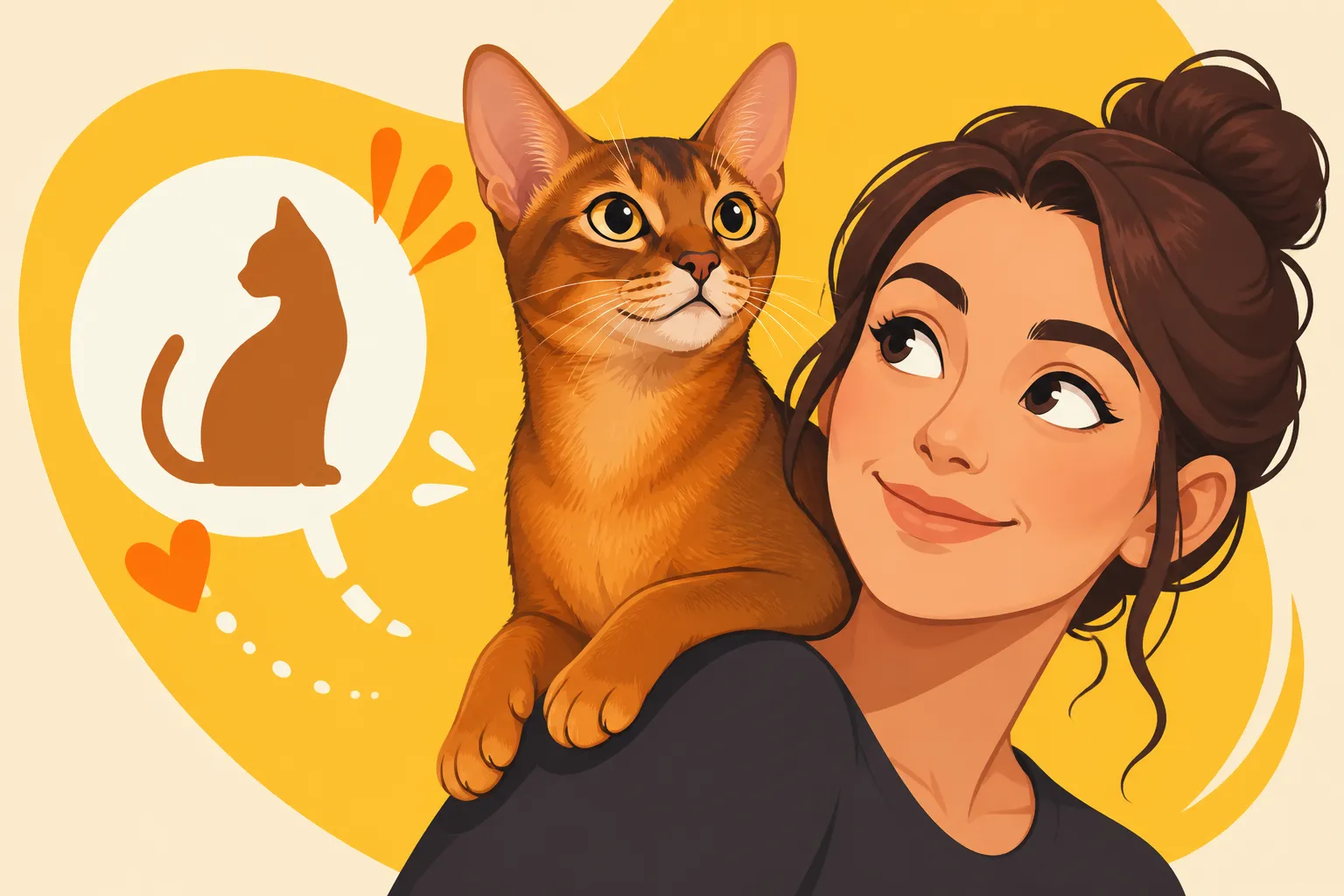
One of the most charming, and sometimes baffling, quirks of owning an Abyssinian is their penchant for perching directly on your shoulder. If you've ever had a furry, lithe body spring onto your back and settle in, purring contentedly while surveying the room from your eye level, you're not alone in wondering why exactly your Abyssinian chooses this particular form of intimate interaction. It's a behavior that speaks volumes about their personality, their needs, and the unique bond they form with their humans, and understanding it can deepen your connection with these incredible cats.
The Abyssinian's Natural Drive for Height and Observation
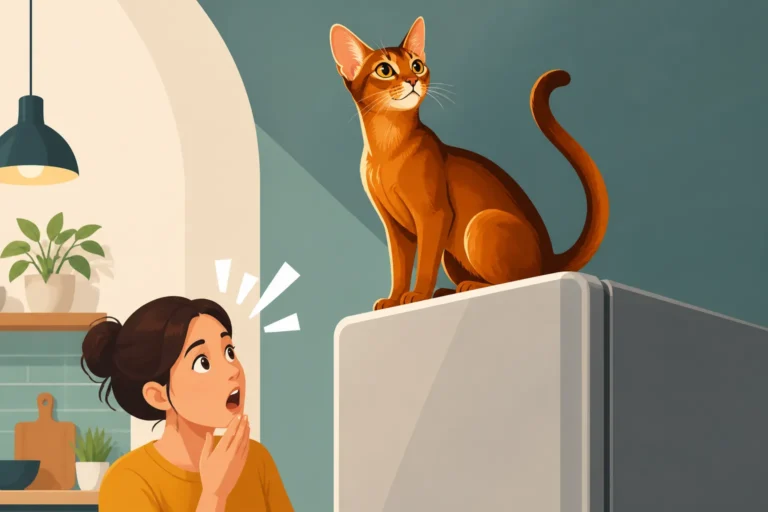
It's no secret that cats love high places. From the top of the refrigerator to the highest shelf, they are drawn to elevation like moths to a flame. For Abyssinians, this instinct is amplified, almost hardwired into their very being, making your shoulder a prime piece of real estate in their vertical world.
Their Ancestral Instincts and the Need for a Vantage Point
Think about their wild ancestors, or even just a common domestic cat in an outdoor environment. High ground offers a dual advantage: safety from potential predators and an excellent vantage point for spotting prey. While your living room might not harbor jaguars or mice, the primal urge remains strong in your Abyssinian. When your cat leaps onto your shoulder, they're instinctively seeking that elevated position that makes them feel secure and gives them a superior view of their territory – your home. They can watch the comings and goings, observe the movements of other pets or family members, and feel like they're in control of their domain. It’s a comfortable, mobile observation deck.
This isn't just about feeling safe; it's about being actively engaged with their environment. Abyssinians are incredibly intelligent and curious cats, always needing to know what's happening. Your shoulder gives them a constantly changing perspective, allowing them to follow you from room to room, absorbing every detail. It's their way of participating in your world, rather than just being a passive observer from the floor. This active engagement is a hallmark of the breed; they don't just exist in your home, they are deeply involved in its rhythm.
The Abyssinian's Love for Vertical Space
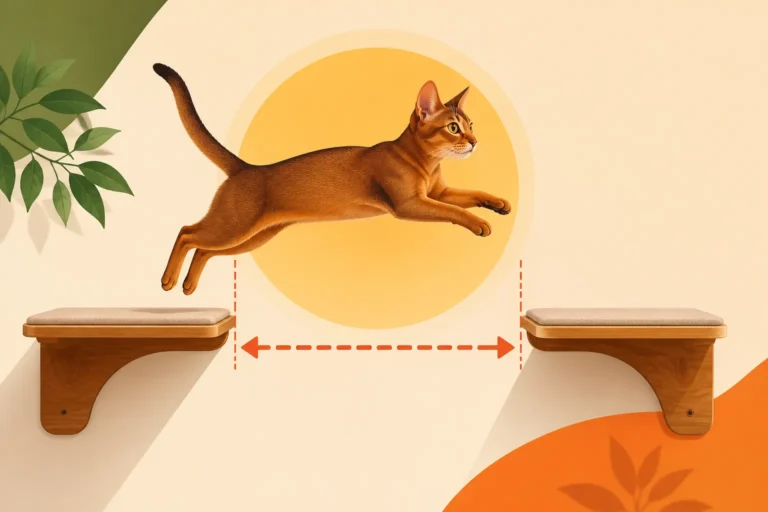
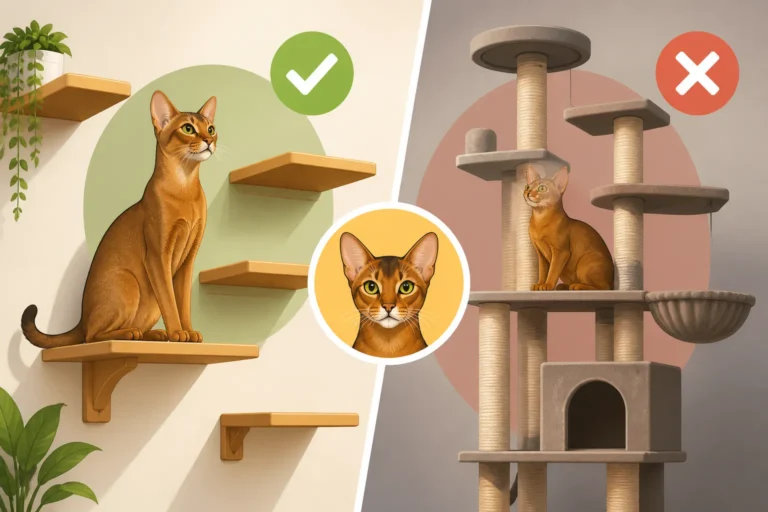
Beyond just safety and observation, Abyssinians simply adore vertical space. If you've ever set up a tall cat tree or invested in wall-mounted shelves, you've witnessed their acrobatic prowess and how naturally they ascend. Your shoulder is, quite simply, another excellent climbing opportunity and a comfortable high perch. They are built for climbing, with strong, lean bodies and powerful hindquarters that make short work of scaling heights. An Abyssinian Needs Height More Than It Needs Floor, and your shoulder provides that instant gratification.
This isn't just about physical activity, though it certainly provides a little burst of exercise. It's about mental stimulation. An Abyssinian thrives on challenges and novel experiences. The slight sway of your movement, the changing scenery as you walk around, and the different smells they encounter at your height all contribute to an enriching experience. It's far more engaging than simply sitting on the couch. Many Abyssinian owners find themselves constantly looking for new ways to provide vertical enrichment, from ceiling-high cat trees found on Amazon to intricate wall-mounted climbing paths. Your shoulder is just the most convenient, mobile, and personalized version of these vertical challenges. They're exploring their world, one human shoulder at a time.
It's All About Connection: Seeking Proximity and Warmth
While the practical benefits of height are clear, the shoulder perch is also a profound expression of your Abyssinian's affectionate and social nature. These cats are incredibly people-oriented, and being on your shoulder is one of their most intimate forms of bonding.
The Desire for Human Company and Affection
Abyssinians are not typically "lap cats" in the traditional sense; they're too busy, too restless, too constantly engaged to settle for long periods on a lap. They want to be with you, but often in a way that allows them to remain active and observant. How an Abyssinian Shows Affection Instead of Lap Sitting often involves following you from room to room, perching nearby, or even initiating games. The shoulder perch perfectly encapsulates this desire for proximity without true stillness. They want to feel your presence, hear your voice up close, and be part of whatever you're doing.
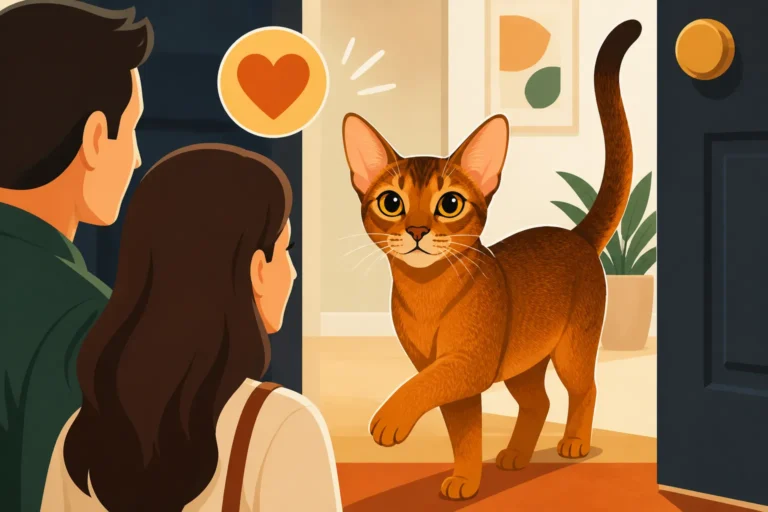
When your Abyssinian chooses your shoulder, they're expressing a deep level of trust and affection. They feel safe enough to literally put their weight on you, to nestle into your neck, and to share your personal space. It's a declaration of their bond, a way of saying, "You are my person, and I want to be as close to you as possible." This isn't just about demanding attention; it's about giving it too, offering their purrs and soft head nudges as a sign of their devotion. For many Abyssinian owners, this is one of the most cherished aspects of the breed.
Seeking Warmth and Security
Cats are notorious sun-worshippers and heat-seekers, and your body provides a wonderfully consistent source of warmth. While Abyssinians have a thin, close-lying coat with little undercoat, making them prone to feeling chilly, your shoulder offers a cozy, insulated spot. Tucked against your neck or chest, they can absorb your body heat, especially on a cool day or in a slightly drafty room. It’s their personal, mobile heating pad!
Beyond just physical warmth, there's a strong element of security. Nestled close to your head and heart, they are in a prime position to feel your heartbeat, hear your breathing, and feel the gentle rhythm of your movements. This creates a sense of profound safety and comfort, reminiscent of a kitten snuggled against its mother. It’s a place where they feel completely protected and at ease. This primal need for warmth and security, combined with their active personalities, makes your shoulder an irresistible haven. Many Abyssinians will even doze off in this position, a clear sign of their comfort and trust.
A Unique Way to Communicate: What the Shoulder Perch Means
An Abyssinian's shoulder perch isn't just a random act; it's often a form of communication, a way for them to express their needs, desires, or even their emotional state. Learning to interpret these subtle cues can help you understand your cat even better.
Establishing Dominance and Territory
While it might seem counterintuitive to link affection with dominance, in the complex social world of felines, claiming a high perch can also be a subtle way of establishing their place within the household hierarchy. When your Abyssinian is on your shoulder, they are literally "above" everyone and everything else in the room. This elevated position, especially if they gaze down on other pets or even small children, can be a quiet assertion of their confidence and their perceived status as a cherished, important member of the family.
It's not about being aggressive or mean; it's more about self-assurance and laying claim to their preferred spot. They're essentially saying, "This is my human, and I am highly valued." This behavior can be particularly noticeable in multi-cat households or homes with dogs. They know they're safe and privileged up there, and that sense of confidence is palpable. Understanding this aspect can help you appreciate their cleverness and strong personalities even more. What an Abyssinian's Tail Says can also give you further clues to their mood when they're perched up high.
Asking for Attention or Interaction
Let's be honest, it's hard to ignore an Abyssinian perched on your shoulder! This position often serves as a highly effective, and very direct, way for your cat to ask for attention. If they want cuddles, head scratches, playtime, or even just a conversation, they know that getting up close and personal is the best way to get your immediate focus. A gentle head-bonk against your cheek, a soft purr vibrating through your chest, or a small chirp in your ear are all clear signals that they're initiating interaction.
This method works especially well for busy humans who might be distracted by chores or work. A cat on the floor might be easily overlooked, but one on your shoulder commands attention. It’s their way of making sure you know they’re there and that they have something important to say – even if that something is just, "Pet me!" This proactive approach to getting your attention is characteristic of the breed; Why an Abyssinian Follows You Without Sitting Still is because they always want to be involved, and your shoulder is the ultimate involvement zone.
Observing Their World from Your Level
An Abyssinian's mind is always whirring, taking in everything around them. Being on your shoulder provides them with an unparalleled opportunity to observe their world from a unique, human-like perspective. They can watch you cook, read over your shoulder (literally!), or even "help" you with computer work by batting at the cursor. They're not just passive passengers; they're actively processing information and engaging with your activities.
This observational quality is key to their intelligence and how they learn. By watching you, they learn routines, anticipate events, and understand how things work in their environment. From this elevated position, they might notice a squirrel outside the window, a new object on the shelf, or the opening of the treat cabinet. It's almost as if they're trying to gain a deeper understanding of the human world by viewing it from your height. This constant curiosity and need for mental stimulation are why How Much Play an Abyssinian Needs Each Day is so vital for their well-being; their minds are always active, even when just perching.
Training and Encouraging This Behavior (or Managing It)
For most Abyssinian owners, the shoulder perch is a delightful behavior, but it's important to guide and manage it, ensuring it's a positive experience for both you and your cat.
Positive Reinforcement for Desired Behavior
If you love having your Abyssinian on your shoulder, encouraging it through positive reinforcement is key. When they jump up and settle comfortably, offer soft praise, gentle scratches around their ears or under their chin, or even a small, healthy treat. This teaches them that this behavior is rewarded and strengthens the association with positive outcomes. You want them to feel welcome and safe when they're there.
Consistency is crucial. Everyone in the household should ideally respond similarly if you want to reinforce the behavior. If some people encourage it and others push the cat off, it can create confusion. This doesn't mean you have to tolerate it always, but a consistent approach to encouragement when it's appropriate will lead to a happier, more understanding Abyssinian. You can also channel this desire for height into other suitable options by ensuring you have plenty of cat trees or wall-mounted shelves, which you can find a wide variety of on Amazon, offering them approved high places. Why an Abyssinian Prefers the Highest Point in a Room means they'll naturally gravitate to these, too.
Setting Boundaries and Alternatives
There might be times when a shoulder perch isn't convenient or safe – perhaps you're carrying hot food, working with tools, or simply need your full range of motion. It's perfectly fine to set boundaries. The trick is to gently remove your cat without punishment and offer an acceptable alternative. For example, if they jump on your shoulder while you're cooking, gently lift them off and place them on a nearby cat tree or a tall, sturdy stool where they can still observe you at a good height.
Use a calm voice and avoid any harsh movements or scolding, as this can damage your bond. You want them to understand that it's the timing or location that's not ideal, not the act of seeking closeness itself. By consistently redirecting them to an approved high spot, they'll learn when and where their perching is welcome. This type of gentle guidance is often more effective than outright prohibition for such an intelligent and persistent breed. Sometimes, a quick play session with a wand toy right after redirection can also help shift their focus and energy.
Safety First: Ensuring a Happy Shoulder Cat
While adorable, shoulder perching can present a few challenges. Prioritizing safety for both you and your Abyssinian is paramount to making this unique bonding experience enjoyable for everyone.
Preparing Yourself and Your Home
Before your Abyssinian becomes a regular shoulder-rider, it's wise to take a few precautions. Keep their claws trimmed regularly. An enthusiastic leap or an accidental slip can lead to painful scratches, even if your cat has no intention of hurting you. If your Abyssinian is not keen on claw trims, consider making it a positive experience with treats and praise, or ask your vet for guidance. Having a good set of cat clippers is easy, and a quick search on Amazon will show you plenty of options.
Also, be mindful of what you're doing. If you're handling hot liquids, sharp objects, or anything that could harm your cat or yourself if startled, it's best to discourage shoulder perching during those specific activities. Make sure your home offers plenty of other safe, high perches (cat trees, sturdy shelves) so your Abyssinian has alternative vantage points if your shoulder isn't available. How High an Abyssinian Will Climb means they'll make good use of any vertical space you provide.
Understanding When to Discourage It
While generally a sign of affection, there are times when an Abyssinian's desire to perch might indicate an underlying issue or simply become too much. If your cat is constantly on your shoulder, seemingly agitated or restless, or if the behavior is accompanied by other signs of stress like excessive grooming or changes in appetite, it might be worth a vet visit. Sometimes, a cat seeking constant closeness or displaying clingy behavior could be unwell or feeling insecure. Why an Abyssinian Hides Pain Behind Its Energy is a common trait, so any subtle shift in behavior deserves attention.
Also, consider your own comfort and safety. If the perching becomes too heavy, too frequent, or is causing you discomfort or pain, it's okay to gently discourage it more often. You can still maintain a strong bond with your Abyssinian through other forms of interaction and affection, like dedicated playtime or cuddles on the couch. Every cat and owner relationship is different, and finding the balance that works for both of you is the key to a happy, harmonious home. You might find that Why a Single Abyssinian Costs More in Damage is relevant if your cat is constantly seeking your attention because it lacks other forms of enrichment or companionship.
The shoulder perch is truly one of the most endearing and characteristic behaviors of an Abyssinian cat. It's a delightful blend of their wild instincts for height and observation, their profound need for connection and warmth, and their clever ways of communicating with their beloved humans. By understanding the multifaceted reasons behind this behavior, you can not only appreciate your furry companion even more but also ensure that their unique bond with you remains strong, safe, and mutually enjoyable.
| Reason for Perching | What it Signals | Owner's Response/Action |
|---|---|---|
| Seeking Vantage Point | Curiosity, observation, feeling safe and in control. | Ensure adequate cat trees/shelves; appreciate their engagement. |
| Desire for Proximity | Affection, trust, strong bond, wanting to be involved. | Offer praise, gentle petting; enjoy the closeness. |
| Seeking Warmth/Security | Comfort, relaxation, feeling protected. | Provide cozy spots; allow naps if comfortable for you. |
| Requesting Attention | "Pet me!", "Play with me!", "Look at this!" | Respond with interaction; redirect to play if appropriate. |
| Asserting Confidence | Feeling secure in their territory and with their human. | Acknowledge their presence; avoid pushing them off harshly. |
| Observational Learning | Actively learning about human routines and environment. | Allow them to watch; talk to them about what you're doing. |
Disclaimer
This article is for general informational purposes only and does not constitute professional advice. Laws, prices and regulations vary by location and change over time. Consult a qualified professional for guidance on your specific situation.