How an Abyssinian’s Energy Changes After Seven
Anyone who has had the joy of living with an Abyssinian knows their boundless, often chaotic energy. It's a defining trait, one that brings so much laughter and excitement into our homes, but it also sparks a common question: will they ever slow down? Many Abyssinian guardians worry about what happens when their vibrant cat reaches its senior years, imagining a drastic personality shift that might diminish the very essence of their beloved companion. This guide will explore how an Abyssinian's energy levels typically evolve once they reach the age of seven, offering realistic insights and advice for adapting to their changing needs while still celebrating their enduring spirit.
The Myth of the "Old" Abyssinian
It's a common misconception that once a cat hits a certain age, they suddenly transform into a docile, sedentary creature. While this might be true for some breeds, the Abyssinian often defies this expectation. Their inherent zest for life, sharp minds, and sleek, athletic builds mean that the "old" Abyssinian is far from the stereotypical senior citizen cat. They might not be scaling curtains with the same youthful abandon, but their curious spirit and engaging personality persist, simply manifesting in different ways. The challenge for us as owners is to recognize these shifts and continue to provide the enrichment that feeds their active minds and bodies.
Why Abyssinians Stay Kitten-Like Longer
Abyssinians are genetically predisposed to being active and high-energy creatures. Unlike some heavier, more placid breeds, the Aby's lean, muscular build and constantly ticking brain are designed for movement and exploration. This isn't just a learned behavior; it's deeply ingrained in their breed characteristics. They possess a naturally high metabolism that fuels their incessant curiosity, leading them to investigate every nook and cranny of their environment. Even at seven, eight, or nine years old, many Abyssinians retain a playful, almost kitten-like demeanor. They might still chase a favorite wand toy with surprising agility or leap onto a high shelf with minimal hesitation. It's truly a testament to their resilient nature that they maintain such vigor well into what other breeds might consider their golden years.
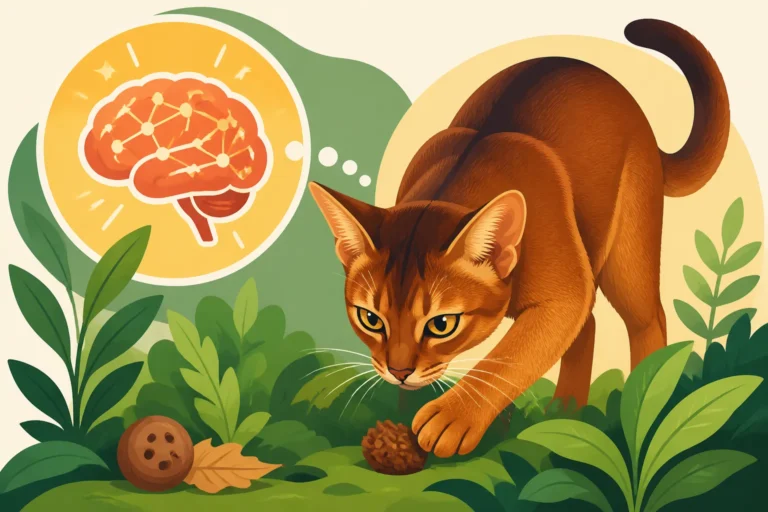
Their inherent intelligence also plays a huge role here. An Abyssinian doesn't just run around; they think, strategize, and engage with their environment. This mental activity keeps them alert and responsive, which in turn fuels their physical activity. Owners often report that their Abyssinians, even as they age, remain incredibly engaged in household activities, "helping" with chores or supervising from a high vantage point. This sustained mental engagement means they don't just "switch off" as readily as some other cats might. Their world remains a playground of possibilities, and they're always eager to participate, even if the pace changes.
Recognizing Subtle Shifts, Not Sudden Stops
The idea that an Abyssinian will suddenly wake up one day and be "old" is simply not how it works. Changes in their energy levels are almost always gradual, often imperceptible from one day to the next. You won't typically see a dramatic decline, but rather a slow, subtle evolution. For instance, instead of sprinting through the house multiple times a day, they might have one or two intense bursts of activity. Their naps might become longer and more frequent, but when they are awake, they're still present and engaged. It's less about a loss of energy and more about a redirection or a more measured approach to their activities.
Observant owners will start to notice these nuances. Perhaps your Aby used to play for 20 minutes straight with a feather wand, but now they prefer shorter, five-minute sessions, with a quick break before round two. Or maybe they still love to climb, but they take a moment to assess their route instead of launching themselves blindly. These aren't signs of them "giving up" but rather adjusting to their body's changing needs, conserving energy for the moments that truly matter to them. The key is to pay attention to these small shifts, as they give us valuable clues about how to best support our aging companions. A truly sudden drop in energy, however, can be a red flag and always warrants a vet visit. Why a Suddenly Still Abyssinian Needs a Vet
Common Energy Transformations Around Seven
The age of seven is often cited as the beginning of "middle age" for cats, and while Abyssinians are known for their longevity and youthful spirit, even they begin to experience some shifts around this time. These changes aren't usually restrictive or concerning, but rather represent a maturation of their energy and play styles. It's a phase where they might become more discerning about how they expend their considerable energy, leading to a slightly different rhythm in the household. Instead of viewing this as a decline, it's helpful to see it as an evolution into a more sophisticated and often equally charming version of your beloved Aby.
The Dawn of the "Wise Elder" Phase
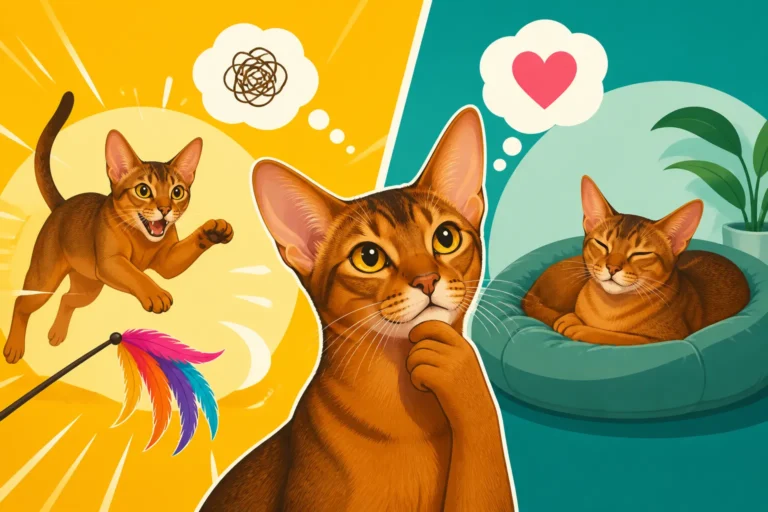
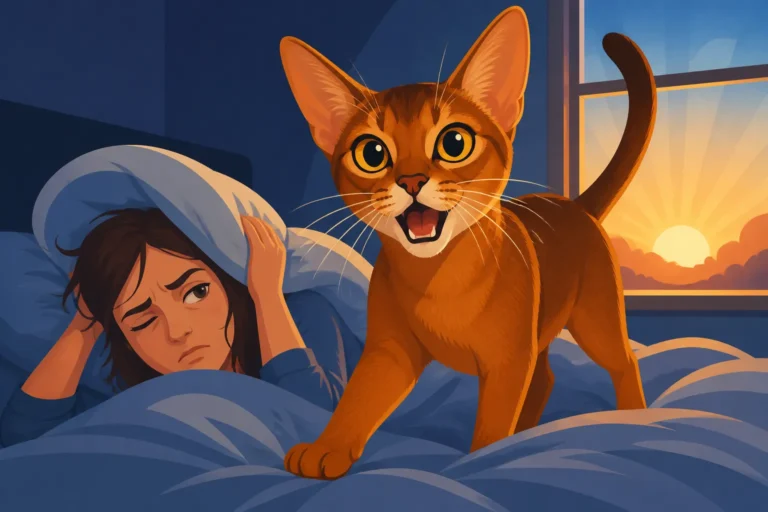
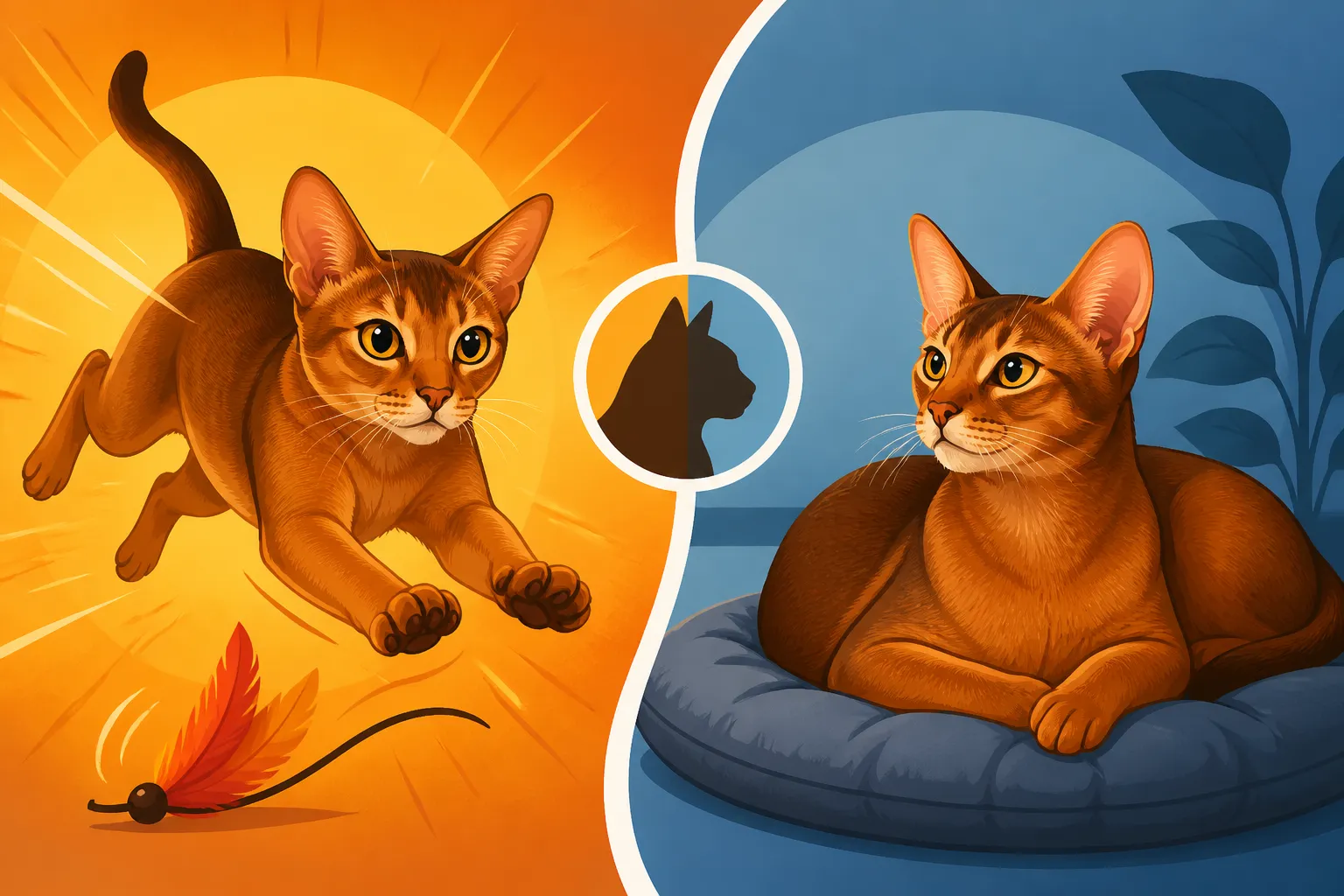
Around the age of seven, many Abyssinians transition into what some owners affectionately call their "wise elder" phase. This doesn't mean they stop being active; it means their bursts of energy might become more selective. They may still have their "zoomies," but they might not last as long, or they might occur at more predictable times, perhaps first thing in the morning or right before dinner. The frantic, almost endless energy of their younger years gives way to a more considered approach. They might still demand playtime, but they'll often prefer games that are engaging without being utterly exhausting. Longer, deeper naps become more appealing, offering a chance to recharge before their next adventure, whether that's chasing a dust bunny or supervising your cooking from the countertop.
This new phase can be incredibly endearing. You might find your Aby spending more time observing the world from a sunbeam, or simply sitting near you, content in your presence, rather than constantly seeking active engagement. They still love to interact, but perhaps they show affection in different ways, like head-bunting or gentle purring, rather than relentless chasing games. It's important not to mistake this for disinterest. Their affection is still there, strong as ever, but their expression of it might become a touch more subtle and profound. They're still the curious, intelligent cats you know, just with a bit more gravitas.
A Shift in Play Preference
As Abyssinians move into their middle years, their play preferences often evolve. Gone might be the days of endlessly chasing a laser pointer or wrestling with invisible foes for hours on end. Instead, they often develop a preference for more strategic, mentally stimulating games. Think puzzle feeders that require a bit of thought to extract a treat, or wand toys that mimic the hunt of prey, involving stalking and pouncing rather than just frantic running. These types of games engage their keen intelligence and satisfy their hunting instincts without putting excessive strain on their joints.
Interactive toys that challenge their problem-solving skills, like those from popular brands found on Amazon, can become firm favorites. They might still enjoy a good chase, but it will likely be shorter and more focused. Instead of continuous, high-impact activities, they may gravitate towards games that involve more observation, planning, and bursts of controlled energy. This shift is a natural part of aging and doesn't mean they're bored; it simply means their definition of "fun" might be maturing alongside them. Providing a variety of toys and rotating them regularly can help keep them engaged and prevent boredom, ensuring their minds remain as active as their bodies.
Maintaining Mental and Physical Engagement in Senior Abyssinians
Just because an Abyssinian is aging doesn't mean they want to retire from life's adventures. In fact, maintaining both mental and physical engagement is crucial for their well-being in their later years. It helps keep their minds sharp, their bodies mobile, and their spirits bright. The trick is to adapt your approach to playtime and enrichment, understanding that while their enthusiasm remains, their physical capabilities might have subtly changed. This period requires a bit more thoughtfulness from us as guardians, ensuring they can continue to thrive without overexerting themselves.
Adapting Playtime for Older Joints
As Abyssinians mature, their joints naturally experience more wear and tear. While they might still possess incredible agility, it's wise to adapt playtime to be gentler and more considerate of their physical comfort. This means less high-impact jumping from great heights and more controlled, ground-based play. A wand toy, for example, can still be a fantastic way to engage them, but instead of encouraging massive leaps, keep the "prey" closer to the ground, mimicking a real hunt with stalking, pouncing, and short bursts of speed. Consider shorter, more frequent play sessions rather than one long, exhausting one. This allows them to get their energy out without risking strain or injury.
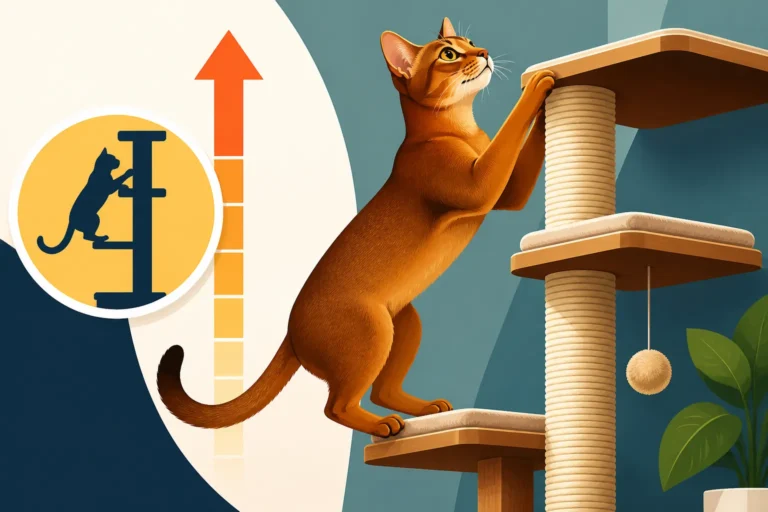
Providing soft, comfortable landing spots near their favorite climbing areas is also paramount. If your Aby loves to reach the top of the cat tree, make sure there are intermediate steps or cushions on the way up and down. Gentle massage can also be a wonderful way to assess their comfort levels and provide soothing relief. If you notice any hesitation in their movements, or if they seem stiff after play, it's always best to consult your vet. They can advise on potential joint supplements or pain management options, ensuring your Aby remains comfortable and active for as long as possible. What Pain Relief an Arthritic Abyssinian Can Take
Keeping Their Minds Sharp with Enrichment
An Abyssinian's mind is a powerful engine, and it needs constant fuel, regardless of age. Mental stimulation is just as vital as physical exercise for their overall happiness and cognitive health. Puzzle feeders are an absolute must for an aging Aby. They transform mealtime into a challenging game, forcing your cat to think and problem-solve to get their food. You can find a wide variety of these on platforms like Amazon, from simple treat-dispensing balls to more complex multi-stage puzzles. Rotating these feeders keeps them novel and engaging. Why Foraging Suits an Abyssinian's Mind
Introducing new scents or textures can also be incredibly stimulating. A small box filled with crinkled paper, a few toys, and a sprinkle of catnip can provide hours of investigation. If your Aby is harness-trained and enjoys it, supervised outdoor excursions in a secure yard or a catio can offer a wealth of new sensory experiences. Even simply rearranging furniture or bringing in a new plant (cat-safe, of course!) can offer novel stimulation. The goal is to keep their world interesting and unpredictable, feeding their innate curiosity and preventing boredom, which can lead to destructive behaviors or lethargy in any cat, regardless of age.
The Role of Health in Energy Levels
It's natural for cats, like humans, to experience some degree of slowing down as they age. However, it's incredibly important for Abyssinian owners to understand the difference between normal age-related changes and signs of underlying health issues. Abyssinians are known for their stoicism, often hiding pain or discomfort until a condition is quite advanced. This makes vigilant observation and proactive veterinary care even more critical as they enter their senior years. A sudden or significant drop in energy is rarely just "old age" and almost always warrants a professional assessment.
When "Slowing Down" Is a Symptom
While a gradual decrease in explosive energy is part of normal aging for an Abyssinian, a marked or sudden loss of interest in play, climbing, or interaction should never be dismissed. This can be a critical indicator of an underlying health problem. Conditions such as arthritis, dental disease, hyperthyroidism, or even early kidney issues can all manifest as a decrease in energy or a reluctance to move. For instance, if your Aby used to scale the cat tree with ease but now struggles or cries out, it might not be that they've "given up" climbing, but that their joints are causing them pain. How Arthritis Shows in an Abyssinian That Used to Climb
Similarly, a decrease in appetite, increased thirst, or changes in litter box habits, coupled with reduced energy, are all strong signals that something is amiss. Abyssinians are incredibly active and typically maintain a lean physique; a noticeable shift in their energy without an obvious reason should prompt a call to your veterinarian. Early detection of many age-related illnesses can significantly improve prognosis and quality of life, often allowing for management that keeps your Aby comfortable and engaged for many more years. Never hesitate to seek veterinary advice if you are concerned about a change in your cat's behavior or energy.
Proactive Veterinary Care for the Aging Abyssinian
Regular veterinary check-ups become even more crucial as your Abyssinian reaches and surpasses the age of seven. These routine visits are not just about vaccinations; they are an opportunity for a thorough physical examination, dental checks, and often, senior bloodwork. Your vet can perform a comprehensive assessment to catch subtle changes that you might not notice at home. This includes checking their joints, feeling for any masses, assessing their heart and lungs, and performing oral examinations to detect dental issues that can cause significant pain and impact their desire to play or eat.
Annual or even bi-annual blood tests, including a full chemistry panel and a complete blood count, are vital for monitoring organ function, particularly the kidneys and thyroid. Abyssinians can be prone to certain genetic health issues, so vigilance is key. How Often a Healthy Adult Abyssinian Needs Checking Early changes in kidney values, for example, can be detected long before your cat shows outward signs of illness, allowing for dietary or medical interventions that can slow the progression of disease. Think of these vet visits as preventative maintenance for your cherished companion, ensuring they stay as healthy and vibrant as possible for as long as possible.
Supporting an Abyssinian's Comfort as They Age
As your Abyssinian gracefully enters its senior years, supporting its physical comfort becomes paramount. While their spirit might remain youthful, their bodies will inevitably experience changes. This isn't about limiting their enjoyment of life, but rather about creating an environment that respects their evolving physical needs, allowing them to continue engaging with their world in a way that is safe and pain-free. Thoughtful adjustments to their home and diet can make a world of difference in their ongoing quality of life.
Creating an Age-Friendly Environment
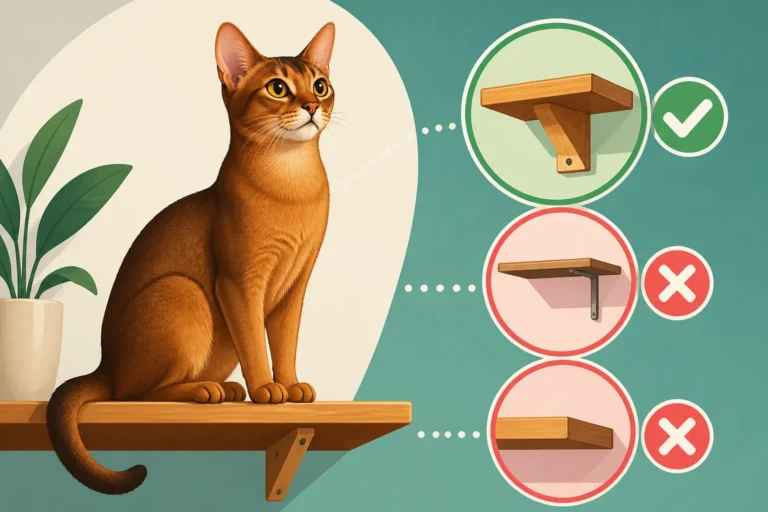
Abyssinians are notorious climbers, and this innate desire to be high up doesn't disappear overnight. However, an aging Aby might find those dramatic leaps and bounds a bit more challenging or even painful. It's our job to create an age-friendly environment that still caters to their vertical needs, but with an emphasis on safety and accessibility. Consider adding ramps or pet stairs to help them reach their favorite window perches, cat trees, or even your bed. How to Keep an Old Abyssinian Climbing Safely Ensure that their cat trees have stable, broad platforms and that wall shelves are easily reachable with intermediate steps.
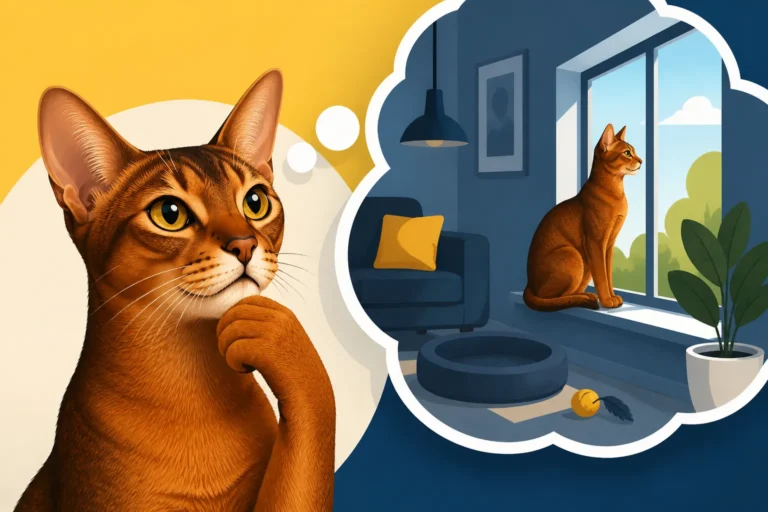
Soft, orthopedic beds placed in their favorite napping spots can provide much-needed joint support. Many senior Abyssinians still enjoy sunbathing, so ensure there are comfortable, easily accessible spots bathed in natural light. Also, make sure essential resources like food, water, and litter boxes are on the ground floor or easily accessible without requiring complex maneuvers. An Abyssinian that feels comfortable and secure in its environment will remain more active and engaged, even if the nature of that activity has slightly changed.
Nutritional Considerations for the Senior Abyssinian
Nutrition plays a pivotal role in the health and energy levels of an aging Abyssinian. As metabolism can sometimes slow down, and muscle mass can begin to decline, their dietary needs shift. It's important to consult with your veterinarian about the best diet for your senior Aby, as their recommendations will be tailored to your cat's specific health profile. Often, a diet formulated for senior cats, which might have adjusted protein levels to support muscle maintenance and kidney health, could be beneficial. How an Old Abyssinian's Kidneys Are Monitored
Hydration becomes even more critical for older cats, especially given the Abyssinian's potential predisposition to kidney issues. Encourage water intake by offering fresh water in multiple locations, using a filtered water fountain (many Abyssinians love running water!), and incorporating plenty of wet food into their diet. Monitoring their weight is also important; while Abyssinians are naturally lean, unexplained weight loss can be a sign of underlying illness, and sudden weight gain can put extra strain on their joints. Regular check-ins with your vet about their diet will help ensure they are getting the right balance of nutrients to maintain their energy and health.
Understanding the Abyssinian's Lifelong Personality
The beauty of living with an Abyssinian is their incredible consistency in personality. While their physical energy might moderate with age, the core traits that make them so beloved tend to endure. They remain curious, intelligent, and deeply connected to their human families, albeit sometimes expressing these qualities in a slightly more refined manner. This enduring spirit is what makes the journey with an Abyssinian so rewarding, from their energetic kittenhood through their distinguished senior years.
The Enduring Spirit of the Abyssinian
Even as an Abyssinian's physical vigor mellows, their intrinsic nature as a highly intelligent, inquisitive, and social cat persists. They will likely remain "involved" in household activities, perhaps not with the same level of physical participation as before, but certainly with their characteristic observant gaze and an occasional chirrup of commentary. Their curiosity about new things, whether it's a grocery bag or a visitor, remains keen. They might explore new items with a more deliberate pace, but the interest is still very much there.
Their unique way of showing affection also typically continues. Abyssinians aren't usually lap cats, preferring to be near you, on your shoulder, or "helping" with your tasks. Why an Abyssinian Will Not Sit on Your Lap This affectionate presence, a constant shadow, if you will, is a hallmark of the breed and generally doesn't diminish with age. In many ways, their bond with you can deepen as they rely on you more for comfort and care, leading to a profound sense of companionship that is truly special. They might not be jumping as high, but they're still very much a part of your life's every moment.
Cherishing the Wisdom of Their Years
Living with a senior Abyssinian is a unique and deeply rewarding experience. While you might reminisce about their days of curtain-climbing acrobatics, you'll also come to appreciate the calm wisdom that settles upon them. Their interactions might become more intentional, their purrs perhaps deeper and more resonant. You'll notice the subtle ways they communicate their needs and desires, having spent years perfecting the art of feline conversation with you. What an Old Abyssinian Slows Down From
Cherish the longer snuggles, the knowing glances, and the quiet companionship. Their reduced frenetic energy often means they are more present, allowing for a deeper connection than when they were a blur of motion. The games you play with them might be gentler, but the joy they derive from them, and the bond you share, are just as potent. Which Games Suit an Old Abyssinian Every year with an Abyssinian is a gift, and their senior years are a testament to their enduring spirit and the profound love they bring into our lives. Embrace these changes as a natural part of their journey, and continue to provide them with the love, care, and thoughtful enrichment they so richly deserve.
Here's a quick comparison of how an Abyssinian's energy and play might evolve:
| Characteristic | Younger Abyssinian (Under 7) | Senior Abyssinian (7+) |
|---|---|---|
| Energy Levels | High-intensity, frequent "zoomies", boundless. | More selective bursts, longer naps, still active. |
| Play Style | Relentless chasing, high jumps, rough-and-tumble. | Shorter, focused sessions, strategic pouncing, mental games. |
| Activity Peak | Morning, evening, and often throughout the day. | Often concentrated in specific, predictable periods. |
| Physical Movement | Agile, fearless climber, daring leaps. | More measured climbing, assesses routes, may use ramps. |
| Mental Engagement | Constantly exploring, intense curiosity. | Sustained curiosity, enjoys puzzle feeders, observation. |
| Affection | Follows everywhere, "helps" with everything. | Remains close by, gentle head-bunts, watchful presence. |
| Napping Habits | Shorter naps, easily roused. | Longer, deeper, more frequent naps. |
Disclaimer
This article is for general informational purposes only and does not constitute professional advice. Laws, prices and regulations vary by location and change over time. Consult a qualified professional for guidance on your specific situation.