What an Abyssinian Kitten Should Eat in Its First Year
Bringing home a tiny Abyssinian kitten is an absolute joy, isn't it? Their boundless energy and curious nature immediately steal your heart. But beneath all that adorable chaos lies a vital question that often leaves new owners feeling a bit overwhelmed: what exactly should you be feeding this miniature, ticking dynamo during its crucial first year? It’s not as simple as just grabbing any bag of "kitten food" off the shelf; Abyssinians have unique needs that, if met, set them up for a lifetime of health and happiness. This guide is here to demystify the dietary requirements of your Abyssinian kitten, helping you navigate labels, schedules, and common pitfalls so you can feed them with confidence.
Understanding Your Abyssinian Kitten's Unique Nutritional Needs
When you look at an Abyssinian kitten, you see a blur of motion, a tiny explorer that rarely sits still. This isn't just a charming personality trait; it's a reflection of their incredibly high metabolism and energy demands. Unlike some other breeds that might be content to snooze for hours on end, your Abyssinian is constantly burning calories, growing rapidly, and developing those lean, powerful muscles that define the breed. Meeting these intense nutritional needs is paramount for their healthy development, impacting everything from their bone structure to their immune system.
The Energetic Metabolism of an Abyssinian Kitten
Let's be honest, trying to keep up with an Abyssinian kitten can feel like a full-time job! They are naturally lean, incredibly athletic, and possess an almost insatiable curiosity that keeps them exploring every nook and cranny of your home. This isn't just about play; it's fundamental to their genetic makeup. Their bodies are constantly working, meaning they burn through calories at a much faster rate than many other kitten breeds. This high energy output translates directly into higher caloric requirements during their first year, a period of phenomenal growth and development.
Imagine your kitten's body as a finely tuned engine, constantly firing on all cylinders. Every jump, every sprint, every curious sniff requires fuel. If that fuel isn't sufficient or of the right quality, their growth can be stunted, their immune system compromised, and their energy levels might even dip, which is a rare and worrying sign for an Abyssinian. Providing them with a diet rich in easily digestible, energy-dense nutrients is crucial to support this sustained level of activity and ensure they develop into strong, healthy adults. It's about feeding the machine that never stops.
Why Protein and Fat Are Paramount for Growing Abyssinians
Given their lean, muscular build and constant activity, it should come as no surprise that protein and fat are the cornerstones of an Abyssinian kitten's diet. Protein isn't just for building big muscles; it's essential for every cell in their body, from growing new fur to producing enzymes and hormones. For a kitten, particularly one as active as an Abyssinian, high-quality animal-based protein provides the necessary amino acids for rapid growth and tissue repair. Think of it as the building blocks for their entire developing system.
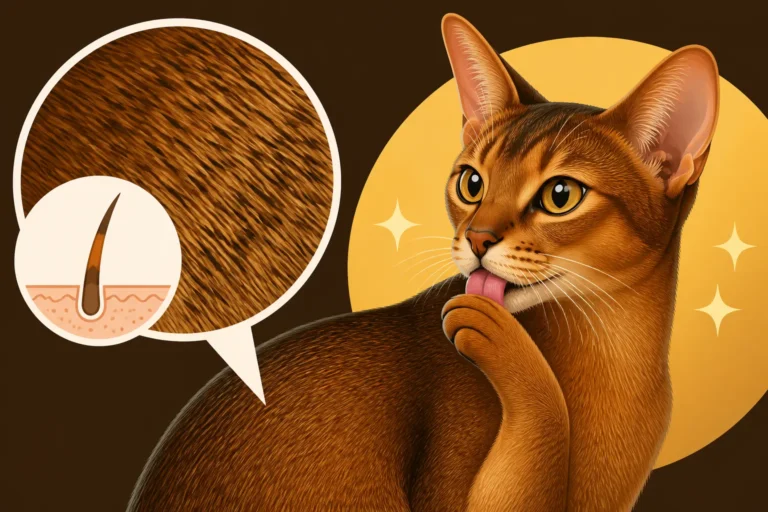
Fat, often misunderstood, is equally vital. It's a concentrated source of energy, helping to fuel those endless play sessions and supporting the development of their nervous system and brain. Essential fatty acids, like Omega-3s and Omega-6s, also play a key role in maintaining their gorgeous, ticked coat and healthy skin. Without adequate amounts of both protein and fat, your Abyssinian kitten might struggle to reach its full growth potential, could experience a dull coat, or even face developmental delays. It’s a careful balance that the right kitten food aims to provide.
Essential Vitamins, Minerals, and Taurine
While protein and fat often get the spotlight, a kitten's diet is a complex symphony of nutrients, and vitamins and minerals are the conductors. Calcium and phosphorus, for instance, are absolutely critical for the rapid bone growth occurring in their first year. Getting these ratios right is vital; too much or too little of either can lead to skeletal deformities or other serious health issues down the line. Other vitamins, like Vitamin A for vision and immune function, or Vitamin D for calcium absorption, are equally indispensable.
Then there's taurine. This amino acid is non-negotiable for all cats, but it's worth a special mention for active breeds like Abyssinians. Cats cannot synthesize enough taurine on their own, and a deficiency can lead to severe and irreversible conditions such as dilated cardiomyopathy (a serious heart condition) and retinal degeneration (leading to blindness). Reputable kitten foods are specifically formulated with appropriate taurine levels, ensuring your little one's heart and eyes develop correctly. Never try to create a homemade diet for a cat without expert veterinary nutritional guidance, as it's almost impossible to get the micronutrients right without specialized knowledge.
Deciphering Kitten Food Labels: What to Look For (and Avoid)
Walking down the pet food aisle can feel like navigating a maze of marketing jargon and conflicting information. Every bag promises to be the "best" or "most natural," leaving you wondering how to truly choose what's right for your Abyssinian kitten. The key is to look beyond the flashy claims and really understand what the ingredient list is telling you. A little knowledge here goes a long way in ensuring you're providing a diet that genuinely supports your active, growing companion.
Identifying High-Quality Protein Sources
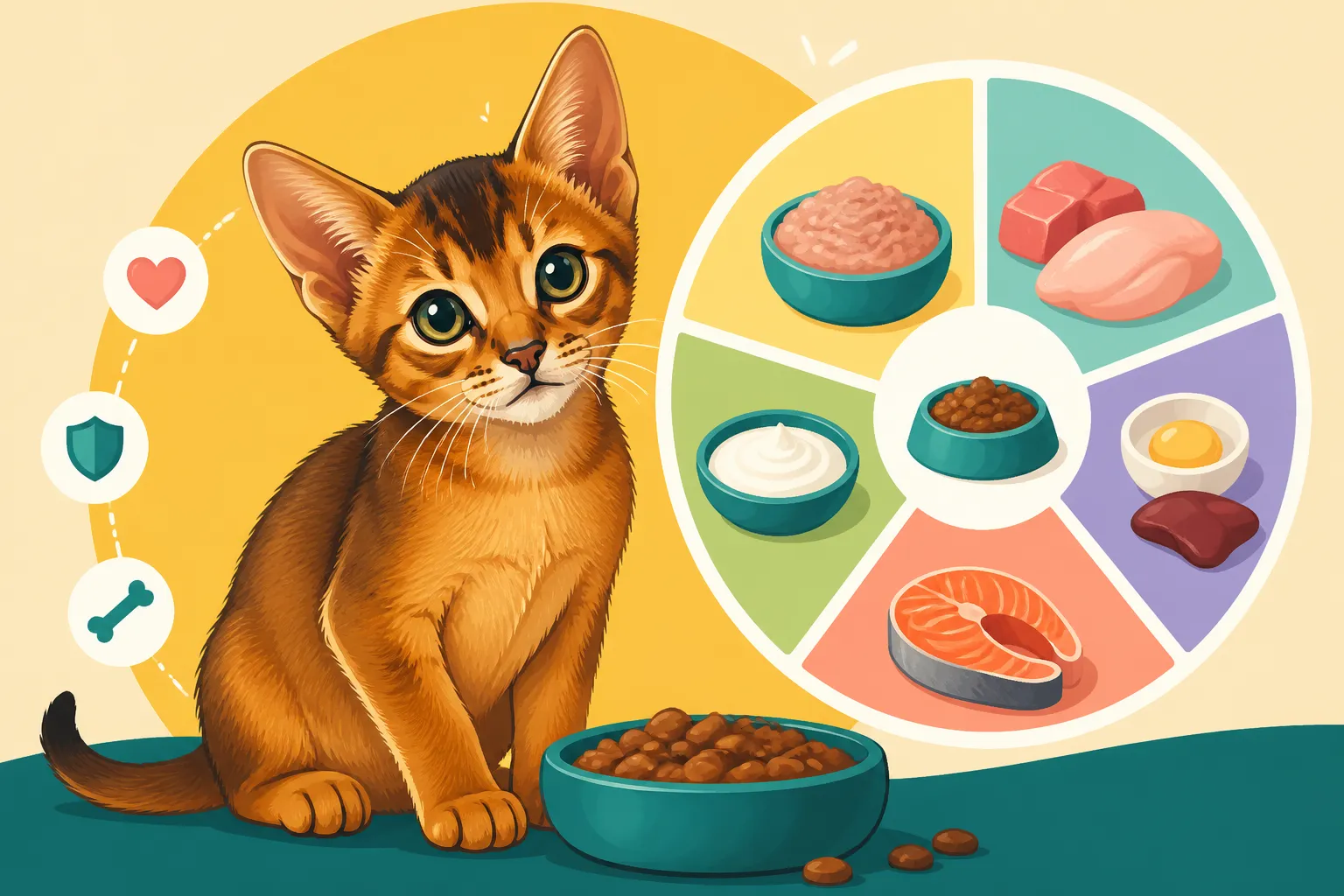
When you pick up a bag of kitten food, the first few ingredients on the list are the most important. For an Abyssinian, or any cat, you want to see named animal protein sources at the very top. Think "chicken meal," "deboned salmon," "turkey," or "beef." These are real, identifiable sources of the crucial amino acids your kitten needs for robust growth and energy. The term "meal" (e.g., chicken meal) actually indicates a concentrated form of protein, where the moisture has been removed, making it a very valuable ingredient.
What you want to be wary of are vague terms like "meat by-products" as the sole or primary protein, or an overwhelming presence of plant-based proteins like corn gluten meal or pea protein. While some plant proteins can be part of a balanced diet, they shouldn't be the dominant source, as cats are obligate carnivores, meaning they thrive on animal-derived nutrients. An ideal food will list at least two, preferably three, high-quality named animal proteins within the first few ingredients, ensuring your Abyssinian gets the best building blocks available.
Understanding Carbohydrates and Fillers
Carbohydrates often get a bad rap in cat food, but they're not inherently evil. In appropriate amounts, complex carbohydrates can provide a steady source of energy, especially for a kitten with such a high metabolism. Ingredients like sweet potatoes, peas, or potatoes can offer beneficial fiber and nutrients. The issue arises when carbohydrates become the primary ingredient, acting more as cheap fillers than genuine nutritional contributors.
Excessive amounts of ingredients like corn, wheat, or soy in cat food are typically things to approach with caution. While not inherently toxic, they can be harder for a cat's digestive system to process in large quantities and offer less bioavailable nutrition compared to animal proteins. For an Abyssinian kitten, whose digestive system is still maturing and whose energy needs are intense, focusing on foods where carbohydrates are present in moderation and come from quality sources (like vegetables or fruits) rather than abundant grains, helps ensure they're absorbing the maximum nutrition from every bite.
Navigating "Grain-Free" and Other Marketing Terms
The "grain-free" trend is everywhere, and it can be confusing. For many years, grains were seen as problematic for cats, leading to a boom in grain-free options. However, for most cats, grains themselves aren't necessarily an issue unless they have a specific allergy, which is actually quite rare. The real problem often lies in what replaces the grains: sometimes it's an even higher concentration of other carbohydrates like peas or potatoes, which aren't necessarily better. Why Grain Free Marketing Misses What an Abyssinian Needs
When evaluating a "grain-free" food for your Abyssinian kitten, focus on the overall quality of ingredients. Is the protein content still high, coming from named animal sources? Are the carbohydrate sources moderate and derived from nutrient-rich vegetables? Don't let a single marketing buzzword dictate your choice. Similarly, terms like "natural," "holistic," or "premium" often have no legal definition and don't guarantee superior quality. Always scrutinize the actual ingredient list and the guaranteed analysis to ensure the food meets the specific nutritional requirements of an active, growing Abyssinian kitten.
Wet Food vs. Dry Food: The Hydration Imperative
The debate between wet and dry food is a long-standing one among cat owners, and it's particularly relevant when it comes to Abyssinians. While dry kibble offers convenience and can be great for dental health if used correctly, the inherent low thirst drive of cats, stemming from their desert ancestors, makes the moisture content of their diet a critical factor. For an Abyssinian kitten, establishing good hydration habits early on can have significant long-term health benefits, especially concerning their kidney health.
The Critical Role of Hydration for Abyssinian Kidneys
Cats are notoriously poor drinkers. Unlike dogs who will often gulp down bowls of water after a vigorous play session, many cats sip sparingly throughout the day, often relying on the moisture from their prey in the wild to meet most of their hydration needs. This evolutionary trait can sometimes be a disadvantage when fed a diet primarily consisting of dry kibble. For Abyssinians, this is an especially important consideration because the breed is known to be predisposed to certain kidney issues, most notably Renal Amyloidosis.
While there's no magic bullet to prevent such conditions, maintaining excellent hydration throughout their lives is one of the best things you can do to support their urinary tract and kidney function. A diet rich in moisture helps to ensure their urine is dilute, which can reduce the workload on their kidneys and may help prevent the formation of crystals or stones. Thinking about their future health from kittenhood onward, prioritizing hydration through their food is a proactive step every Abyssinian owner should consider. Why an Abyssinian's Kidneys Make Water Intake Matter
Benefits and Drawbacks of a Wet Food Diet
Wet food, with its high moisture content (typically 70-80%), is a fantastic way to ensure your Abyssinian kitten is getting adequate hydration. This inherent moisture helps support kidney and urinary tract health from a young age, which is a huge benefit. Wet foods are also often more palatable, making them excellent for picky eaters, and typically boast a higher animal protein content compared to dry kibble, which aligns perfectly with an Abyssinian's carnivorous needs. The variety in textures and flavors can also keep meal times exciting and prevent boredom with their food.
However, wet food does come with its own set of considerations. It generally costs more than dry food, and once opened, it spoils quickly, meaning any uneaten portions need to be discarded. This can be challenging if your kitten is a grazer rather than a devourer. Another drawback is that wet food doesn't offer the same mechanical abrasion for teeth cleaning as dry kibble, so if a wet-food-only diet is chosen, dedicated dental care, like daily brushing, becomes even more crucial. It's about weighing these factors against the significant hydration benefits.
Strategic Use of Dry Kibble and Water Fountains
For many Abyssinian owners, a mixed diet of both wet and dry food strikes a great balance. Dry kibble can be offered in measured amounts, perhaps in a puzzle feeder to provide mental stimulation (which Abyssinians absolutely thrive on!). This allows them to "hunt" for their food, burning off some of that incredible energy while also getting the benefit of harder kibble for dental health. However, even with a mixed diet, supplemental hydration is key.
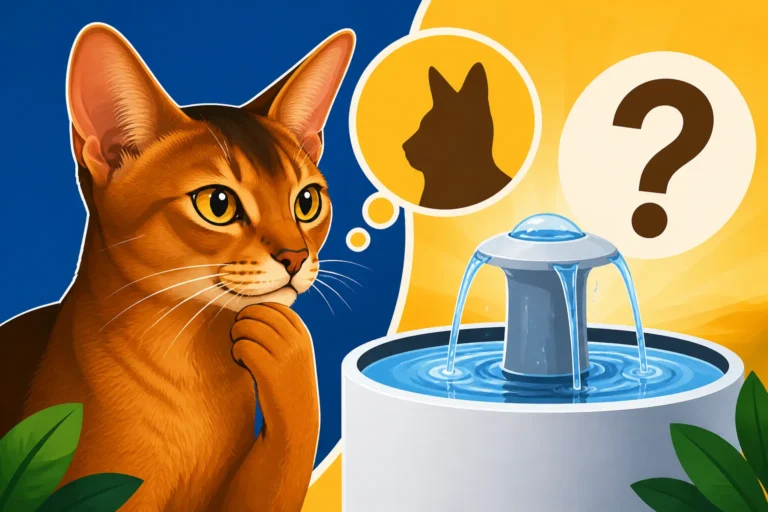
This is where water fountains truly shine. Cats are often drawn to moving water, finding it more appealing than still water in a bowl. A good quality ceramic or stainless steel fountain can encourage your Abyssinian kitten to drink more throughout the day. Place several water bowls and fountains around your home, away from food and litter boxes, to make drinking an easy and appealing activity. You can find excellent options for pet water fountains on Amazon or Chewy, with various designs to suit your kitten's preference. This multi-pronged approach ensures your high-energy Abyssinian stays well-hydrated, supporting their overall health from the ground up. Whether an Abyssinian Uses a Fountain
Feeding Schedule and Portions for a Growing Abyssinian Kitten
Feeding a kitten isn't just about what they eat, but how much and when. An Abyssinian kitten, with its supercharged metabolism and constant growth, needs a structured feeding regimen to thrive. Getting the schedule and portion sizes right prevents both underfeeding, which can stunt growth and development, and overfeeding, which while less common in Abyssinians due to their high activity, can still lead to unhealthy weight gain or digestive upset.
From Weaning to Six Months: The Rapid Growth Phase
The period from weaning up to about six months is arguably the most critical for an Abyssinian kitten's development. Their bodies are growing at an astonishing rate, laying down bone, muscle, and developing vital organs. During this phase, kittens need frequent, small meals throughout the day. Typically, this means 3-4 meals daily. Imagine a tiny body that's constantly building and repairing itself – it needs a steady supply of fuel.
When they first arrive home, usually around 12-14 weeks, they'll have already transitioned from their mother's milk to solid food, but they'll still be rapidly expanding. Monitor their weight regularly and consult the feeding guidelines on your chosen kitten food, adjusting as needed based on their activity level and body condition. You want to see healthy, steady growth, not sudden jumps or plateaus. If you're unsure, a quick call to your vet can provide peace of mind and specific recommendations. How Many Calories an Abyssinian Kitten Needs
Six Months to One Year: Adolescent Energy and Maintenance
As your Abyssinian kitten moves past the six-month mark, their growth rate might start to slow ever so slightly, but their energy levels will likely remain stratospheric. This is the adolescent phase, where they are still growing, but perhaps putting on less dramatic weight and more refining their lean physique. You might be able to reduce their meal frequency to two to three times a day, but don't cut back on the overall daily portion too drastically, as they still need a lot of energy to fuel their playful antics and continued development.
This is a key time to keep a close eye on their body condition. You should be able to easily feel their ribs beneath a thin layer of muscle, and they should have a discernible waist when viewed from above. If they start to feel bony or, conversely, too padded, it's time to adjust their food intake or consult your vet. This phase is all about maintaining their incredible energy while ensuring they fill out properly without becoming overweight, which, though rare for Abyssinians, can happen if portions aren't adjusted correctly.
The Dangers of Free-Feeding an Active Abyssinian
While the idea of leaving a bowl of kibble out for your kitten to graze on whenever they please might seem convenient, it's generally not the best approach for an Abyssinian. Despite their high metabolism, free-feeding can lead to several issues. Firstly, it can turn your Abyssinian into a "grazer" who picks at food rather than eating a full meal. This can make it harder to monitor their intake and spot any changes in appetite, which can be an early indicator of illness. Why a Full Bowl Turns an Abyssinian Into a Grazer
Secondly, even with their high energy, some Abyssinians might overeat out of boredom or habit if food is constantly available, potentially leading to excess weight. More importantly, free-feeding can diminish the value of food as a reward and a motivator for training. Abyssinians are intelligent and food-motivated, so using mealtimes as part of a routine or offering small, measured portions in puzzle feeders can provide crucial mental enrichment and reinforce positive behaviors. A structured feeding schedule fosters better health and a stronger bond.
Introducing New Foods and Handling Picky Eaters
Cats are creatures of habit, and Abyssinians, despite their adventurous personalities, can sometimes be surprisingly particular about their food. Introducing new foods, whether it's a different brand, flavor, or texture, requires patience and a strategic approach to avoid upsetting their digestive system or creating a food aversion. Learning how to navigate these transitions smoothly is a vital skill for any Abyssinian owner.
Gradual Transitions to Avoid Digestive Upset
A sudden change in diet can be a shock to a kitten's delicate digestive system, potentially leading to an upset stomach, vomiting, or diarrhea. To avoid this, always introduce new food gradually over a period of about 7-10 days. Start by mixing a small amount of the new food with their old food, gradually increasing the proportion of the new food while decreasing the old.
A typical transition might look something like this:
- Days 1-2: 75% old food, 25% new food
- Days 3-4: 50% old food, 50% new food
- Days 5-6: 25% old food, 75% new food
- Days 7+: 100% new food
Watch your Abyssinian kitten closely during this period for any signs of digestive distress. If they seem to react negatively at any stage, slow down the transition, or consult your veterinarian. Patience is definitely a virtue when it comes to changing your cat's diet. Why an Abyssinian Refuses a Sudden Food Change
Strategies for a Finicky Abyssinian Palate
"Picky" is a word many Abyssinian owners use when describing their cat's eating habits. These intelligent and often opinionated felines can decide they don't like a certain texture, flavor, or even shape of kibble. If your Abyssinian kitten turns up their nose at a new food, don't despair! There are several strategies you can try. Sometimes, simply warming wet food slightly to release its aroma can make it more appealing.
Adding a small amount of palatable topper, like a low-sodium chicken broth, a spoonful of pureed pumpkin (for digestive aid), or a sprinkle of freeze-dried meat treats, can entice them to try the new food. You might also need to experiment with different protein sources or textures. Some Abyssinians prefer pate, others chunky gravy, and some love novelty. Keep trying a variety of high-quality kitten foods until you find a few that your little gourmand enjoys, ensuring you have backup options in case they suddenly decide their favorite is no longer appealing.
Recognizing and Addressing Food Aversions or Allergies
While pickiness is common, sometimes a strong aversion to food or recurring digestive issues can signal something more serious, like a food sensitivity or allergy. Symptoms to watch out for include persistent vomiting, diarrhea, skin issues like excessive scratching or licking, ear infections, or a dull, poor quality coat. If you notice any of these signs, especially after introducing a new food, it's crucial to consult your veterinarian.
Your vet can help rule out other medical conditions and guide you through a diagnostic process, which often involves an elimination diet. This means feeding a novel protein source (one your cat has never eaten before) or a hydrolyzed protein diet for a set period to see if symptoms resolve. Never attempt to diagnose or treat a food allergy on your own, as getting a kitten's nutrition precisely right is essential for their rapid development and growth. Professional guidance ensures your Abyssinian kitten gets the relief they need without compromising their health.
Treats, Supplements, and Hydration Hacks
Beyond their regular meals, many Abyssinian owners like to offer treats or consider supplements. While treats can be a fantastic tool for training and bonding, and supplements occasionally have their place, it's important to approach both with a discerning eye. The primary focus should always be on a complete and balanced diet. However, knowing how to appropriately integrate these extras, along with creative hydration strategies, can greatly enhance your kitten's well-being.
Choosing Appropriate Treats for an Abyssinian Kitten
Treats are a wonderful way to reward your Abyssinian kitten for good behavior, reinforce training, or simply show them some extra love. Given their high intelligence and activity, Which Treats an Abyssinian Will Actually Work For is a valid question. The best treats for an Abyssinian kitten are high-value, species-appropriate options. Look for treats that are primarily made of meat, such as freeze-dried chicken, salmon, or liver. These are highly palatable and provide a protein boost without a lot of unnecessary fillers.
Remember that treats should only make up a very small percentage (no more than 10%) of your kitten's daily caloric intake to prevent nutritional imbalance or weight gain. Break larger treats into tiny pieces to make them last longer and control portions effectively. Avoid treats that are heavily processed, contain artificial colors or flavors, or are designed for dogs, as they may not be suitable for a cat's digestive system. Stick to simple, high-quality options, many of which can be found at pet supply stores or online through Chewy.
When (and If) Supplements Are Necessary
In most cases, if you are feeding a high-quality, commercially prepared kitten food that is labeled "complete and balanced" for growth, your Abyssinian kitten will not need additional supplements. These foods are specifically formulated to provide all the essential vitamins, minerals, proteins, and fats in the correct ratios for a growing feline. Adding supplements unnecessarily can actually be harmful, leading to an imbalance of nutrients, some of which can be toxic in excess (e.g., Vitamin A or D).
However, there are specific situations where a veterinarian might recommend a supplement. This could be for a kitten recovering from an illness, one with a diagnosed deficiency, or perhaps to support a particular health concern as they get older. Never start your Abyssinian kitten on any supplement without first consulting your vet. They can accurately assess your kitten's individual needs and recommend a safe and appropriate course of action, ensuring you don't inadvertently cause more harm than good.
Creative Ways to Boost Water Intake
Even with a wet food diet, boosting your Abyssinian's water intake is always a good idea, especially given their genetic predispositions to kidney concerns. Cats, as we've discussed, don't have a strong thirst drive, so you might need to get creative. Beyond placing multiple water bowls and offering water fountains (which you can find a great selection of on Amazon), consider these "hydration hacks."
Adding a tablespoon or two of water or low-sodium bone broth to their wet food meals can significantly increase their daily fluid intake without them even realizing it. Some Abyssinians enjoy playing with ice cubes, which can slowly melt and provide a fun way to drink. You can also make "cat-sicles" by freezing diluted tuna juice (ensure it's in water, not oil, and low sodium) or bone broth into ice cube trays. These little tricks can make a big difference in ensuring your highly active Abyssinian kitten stays optimally hydrated. How Much Water an Active Abyssinian Drinks
Common Feeding Mistakes and How to Avoid Them
Even with the best intentions, it's easy to fall into common feeding traps when raising an Abyssinian kitten. Their unique energy levels and genetic predispositions mean that what might be fine for another breed could be less ideal for them. Being aware of these common mistakes and actively working to avoid them will ensure your little Aby gets the best start in life, promoting long-term health and preventing preventable issues.
Overfeeding vs. Underfeeding: Finding the Balance
One of the most persistent challenges in kitten care is determining the right amount of food. While Abyssinian kittens are typically lean due to their high metabolism, both overfeeding and underfeeding can have negative consequences. Underfeeding can lead to stunted growth, nutrient deficiencies, and a weakened immune system during their crucial developmental period. Overfeeding, though less common with such active cats, can lead to unhealthy weight gain, putting strain on their developing joints and organs, even if they burn it off quickly.
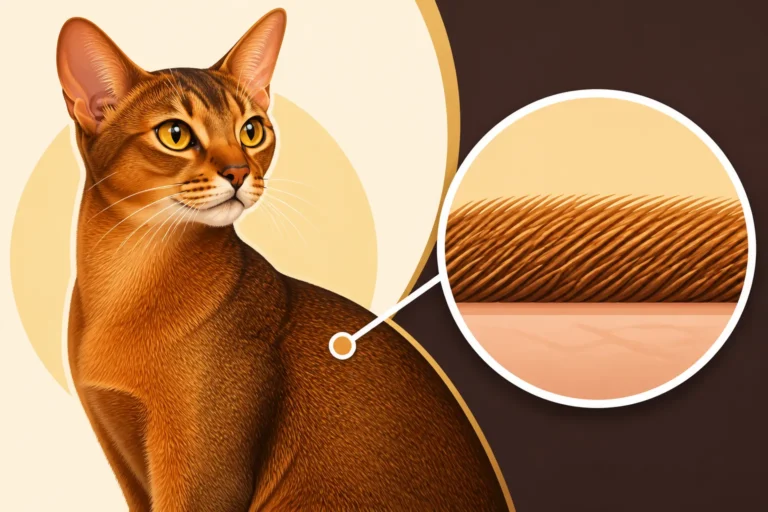
The best way to find this balance is by regularly assessing your kitten's body condition. You should be able to easily feel their ribs when you gently run your hands along their sides, but not see them prominently. They should have a defined waist when viewed from above, and their belly should not sag. How to Read an Abyssinian's Body Condition Through That Coat Use the feeding guidelines on your kitten food as a starting point, but adjust portions based on your individual kitten's activity level and growth. Regular vet check-ups will also help you stay on track, as your vet can objectively assess their weight and development.
The Pitfalls of Homemade or Unbalanced Diets
The idea of feeding a "natural" homemade diet can sound appealing, but it's one of the riskiest feeding mistakes you can make for a growing Abyssinian kitten. Formulating a nutritionally complete and balanced diet for a cat, especially a kitten with its rapid growth demands, is incredibly complex. It requires precise ratios of macronutrients (protein, fat, carbs), specific amounts of vitamins, and essential minerals, all tailored to their unique needs as obligate carnivores. This isn't something that can be achieved by simply feeding raw meat or cooked chicken.
Without expert veterinary nutritional guidance and careful calculation, homemade diets almost invariably lead to significant deficiencies or excesses of crucial nutrients, such as calcium, phosphorus, or taurine. These imbalances can cause severe, irreversible health problems, including skeletal deformities, heart disease, and organ damage. Stick to high-quality commercial kitten foods that are formulated by veterinary nutritionists and meet the nutritional standards for feline growth. Their health truly depends on it.
Ignoring Dental Health Early On
It's easy to overlook a kitten's dental health, especially when their baby teeth will eventually fall out. However, ignoring dental care from an early age is a significant mistake that can have profound long-term consequences for your Abyssinian. Abyssinians are unfortunately prone to dental issues, particularly a condition called juvenile gingivitis, which can begin even before they're a year old. How Juvenile Gingivitis Starts in an Abyssinian Kitten This early onset gum inflammation can, if left unaddressed, lead to more serious periodontal disease, tooth resorption, and painful extractions later in life.
Starting a dental hygiene routine early, even when they're tiny, is crucial. Aim to introduce daily toothbrushing with a cat-specific toothbrush and enzymatic toothpaste. Even if you can only manage a few seconds at first, getting them accustomed to it now will pay dividends for their entire life. While dry kibble can offer some abrasive action, it's not a substitute for brushing. Make checking their gums a regular part of your routine; Why an Abyssinian's Gums Should Be Checked Monthly look for redness, swelling, or bad breath, and discuss any concerns with your vet immediately.
The Transition to Adult Food
Your Abyssinian kitten won't be a kitten forever, though their playful spirit might make you believe otherwise! As they approach their first birthday, it's time to start thinking about transitioning them from kitten food to an adult formula. This isn't a hard and fast rule set in stone, as individual cats mature at slightly different rates, but it's a general guideline that helps ensure their changing nutritional needs are met without overfeeding their now-slowing growth.
When to Make the Switch from Kitten to Adult Food
Most Abyssinian kittens are ready to transition to adult food sometime between 10 to 12 months of age. Kitten foods are specifically designed with higher calories, protein, and fat to support rapid growth, but as your Aby approaches full size, these elevated nutrient levels become less necessary and can actually contribute to unwanted weight gain. While an Abyssinian is incredibly active, even they can pack on extra pounds if consuming food meant for explosive growth once that growth phase is largely complete.
The best indicator is your individual cat's development and your vet's recommendation. Some smaller or slower-maturing Abyssinians might benefit from staying on kitten food a little longer, up to 14 months, while others might be ready slightly before their first birthday. Pay attention to the specific instructions on your chosen food brand, as some formulas are designed for "all life stages" and might not require a distinct switch. Always check in with your veterinarian during their annual check-up to confirm the ideal timing for your unique Abyssinian. What an Abyssinian Should Weigh at One
What Changes in Nutritional Needs for an Adult Abyssinian
The primary difference between kitten and adult cat food lies in the caloric density and the precise balance of macronutrients. Adult formulas generally contain fewer calories per serving, as the intense energy demands of growth have subsided. While protein remains crucial for maintaining their lean muscle mass, the overall percentage might be slightly lower than in kitten food, with a rebalanced fat content. The goal for an adult Abyssinian is to provide sufficient fuel for their sustained activity without encouraging excess fat storage.
Think of it as moving from a "growth spurt fuel" to a "maintenance and performance fuel." The foundational need for high-quality animal protein and essential nutrients like taurine doesn't change, but the quantity of fuel needed for building new tissue decreases. Adult Abyssinian food aims to support their active lifestyle, maintain their ideal body condition, and contribute to long-term health, rather than solely focusing on rapid development. This shift is subtle but important for their ongoing well-being. Which Protein Percentage an Abyssinian Needs
The Importance of Continued Monitoring and Adjustments
Even after transitioning to adult food, feeding your Abyssinian remains an ongoing process that requires your attention. Their needs can change as they age, with shifts in activity levels, or if any health issues arise. Regular monitoring of their weight and body condition is essential. A yearly vet check-up, where their weight is recorded and assessed, provides a crucial benchmark.
Don't be afraid to adjust their food portions or even the type of food if you notice changes. Perhaps they become slightly less active in their senior years, or perhaps a health condition requires a specific dietary intervention recommended by your vet. The best approach is to be flexible and responsive, always prioritizing their health and consulting with your veterinarian for guidance. By continuing to be proactive and thoughtful about their nutrition, you're investing in many happy, healthy years with your beloved Abyssinian. Why an Abyssinian Eats More Than a Bigger Cat
Abyssinian Kitten Feeding at a Glance
This table provides a simplified overview of key feeding considerations for your Abyssinian kitten during their first year, highlighting the shift in focus as they mature.
| Stage of Development | Approximate Age | Feeding Frequency | Key Nutritional Focus | Important Considerations |
|---|---|---|---|---|
| Early Kittenhood | 8 weeks – 6 months | 3-4 small meals/day | High protein, high fat, high calories for rapid growth. Essential vitamins/minerals. | Prioritize wet food for hydration. Introduce varied textures. Monitor growth closely. |
| Adolescence | 6 months – 12 months | 2-3 meals/day | Sustained energy for high activity. Continued muscle development. | Maintain lean body condition. Avoid free-feeding. Consider puzzle feeders for enrichment. |
| Transition to Adult | 10 months – 14 months | 2 meals/day | Slightly lower calories, balanced protein/fat for maintenance. | Gradual transition over 7-10 days. Monitor for digestive upset. Consult vet for timing. |
This article is for general informational purposes only and does not constitute professional advice. Laws, prices and regulations vary by location and change over time. Consult a qualified professional for guidance on your specific situation.