How the American Abyssinian Differs From the British
American and British Abyssinians share one breed, differing only in subtle regional tendencies for show standards.
Is this the right one for you?
Origins and temperament, size and coat, what living with one is actually like, and how it compares to the breeds people weigh against it.
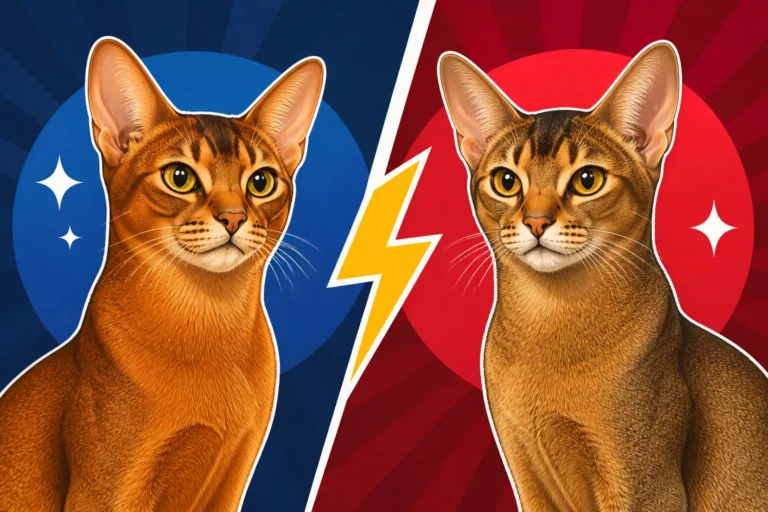
American and British Abyssinians share one breed, differing only in subtle regional tendencies for show standards.
CFA recognition of the Abyssinian in 1917 marked an official milestone within the registry, not the breed origin.
The modern American Abyssinian breed history shows why no single U.S. cattery can be credited as its sole founder.
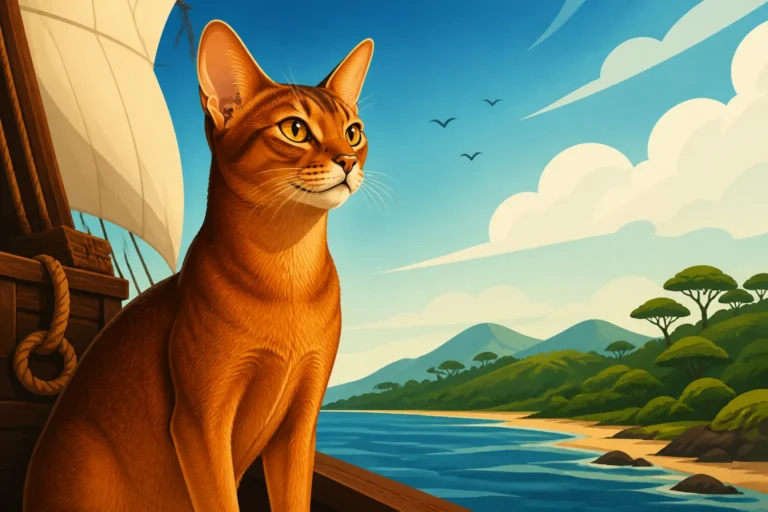
Early Abyssinian cat imports reached America around 1900, but establishing the breed involved separate import, registration, and recognition milestones.
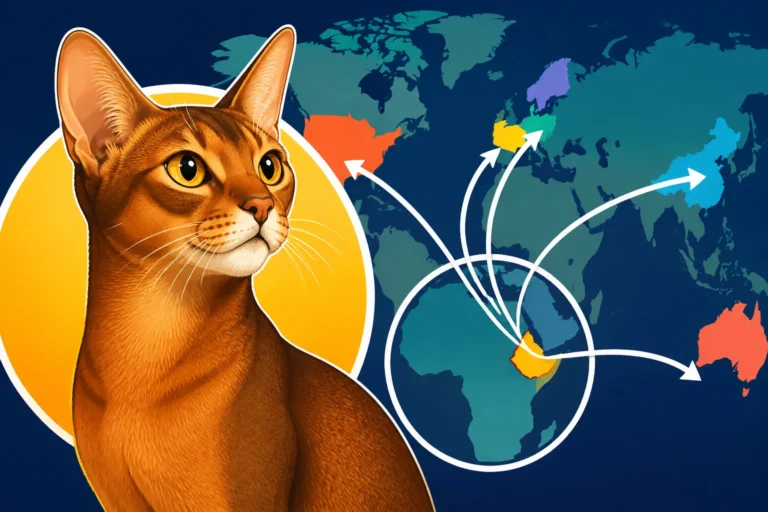
British breeders and a network in the United States and northern Europe restored the Abyssinian cat population after wartime losses.
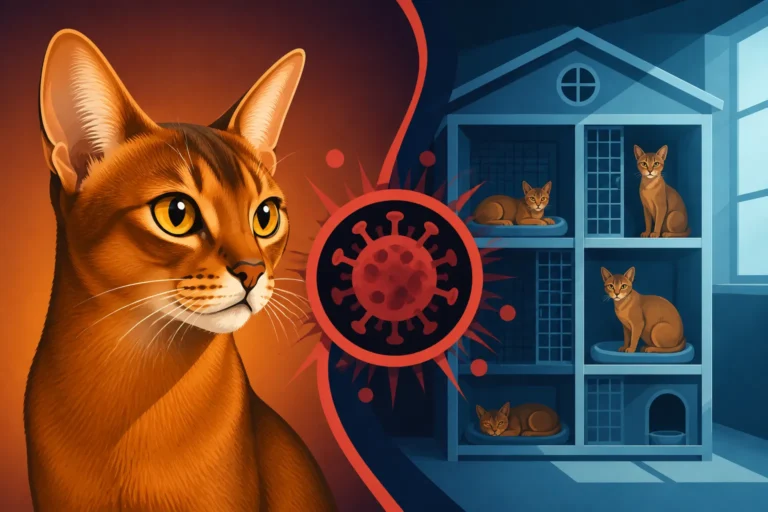
Feline leukemia virus outbreaks in British Abyssinian catteries threatened small breeding lines, forcing breeders to use testing and careful management.
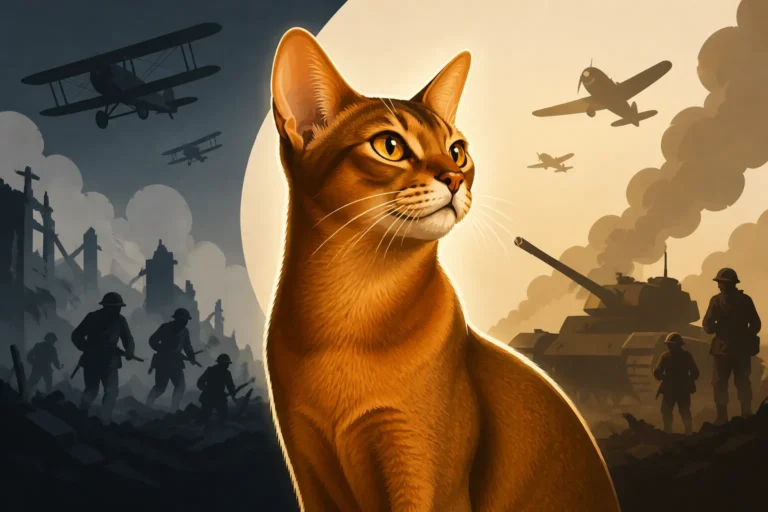
World wars and severe shortages nearly destroyed the Abyssinian cat breed in Britain before dedicated breeders rebuilt it.
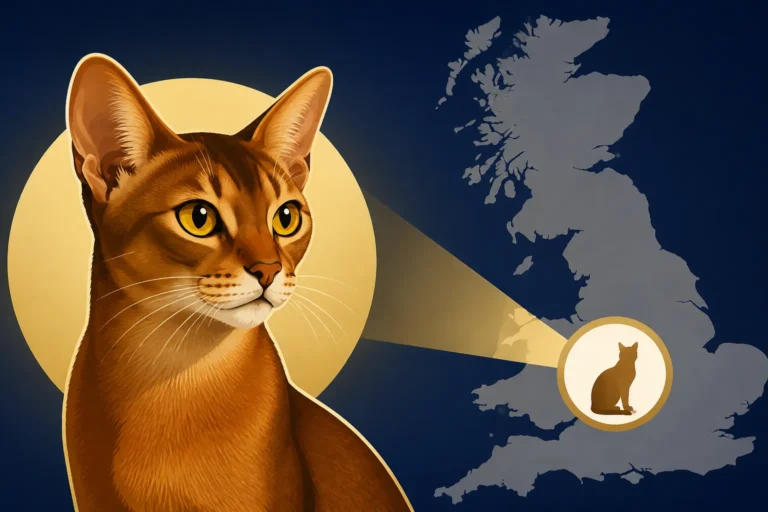
British Abyssinian cat population numbers in 1900 remain unclear because early records only tracked show entries and registrations.
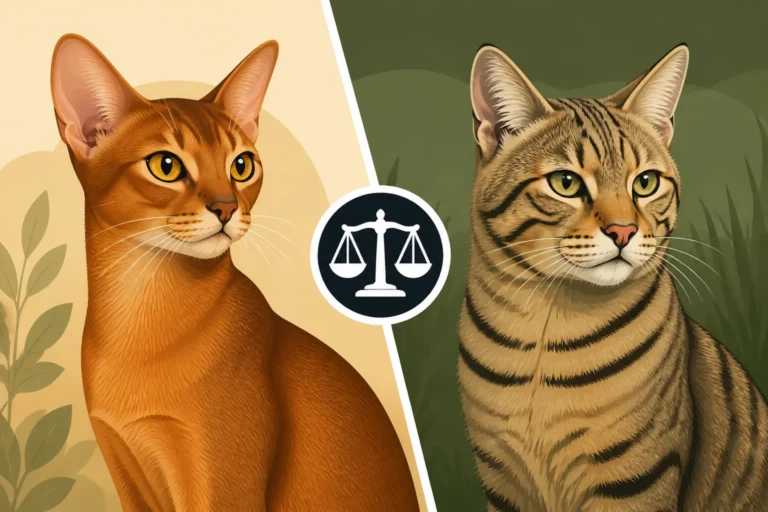
The Abyssinian and the African wildcat share an athletic appearance and ticked coat, but differ in ancestry and care needs.
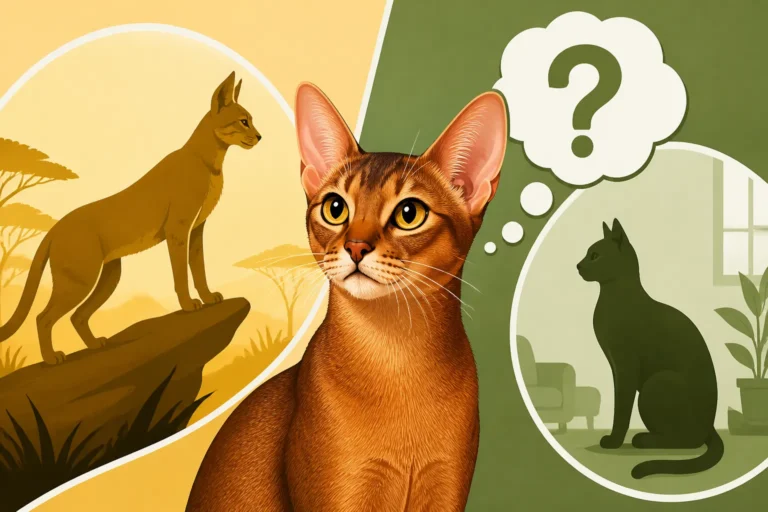
Abyssinian cat ancestry, genetics, and appearance explain why the domestic breed looks wild without recent wildcat hybrids.