Why the Abyssinian Was Once Called the Ticked Cat
Abyssinian cat hair features three or four bands of color from agouti genes, explaining why the breed was once called ticked.
Is this the right one for you?
Origins and temperament, size and coat, what living with one is actually like, and how it compares to the breeds people weigh against it.
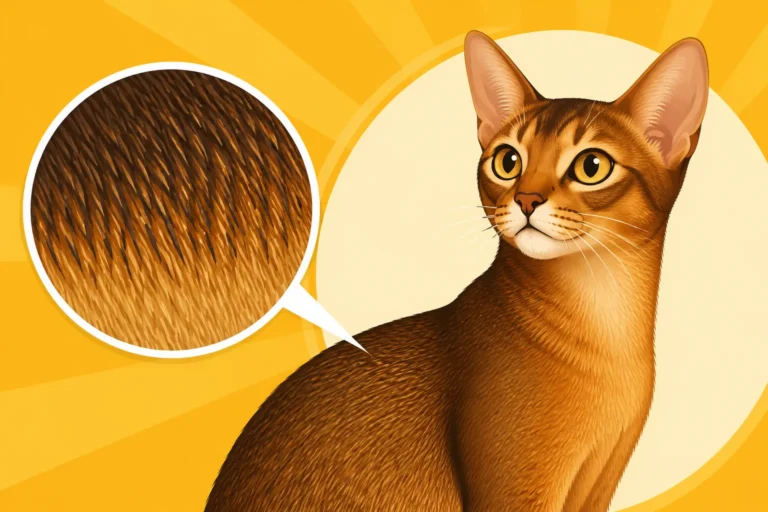
Abyssinian cat hair features three or four bands of color from agouti genes, explaining why the breed was once called ticked.
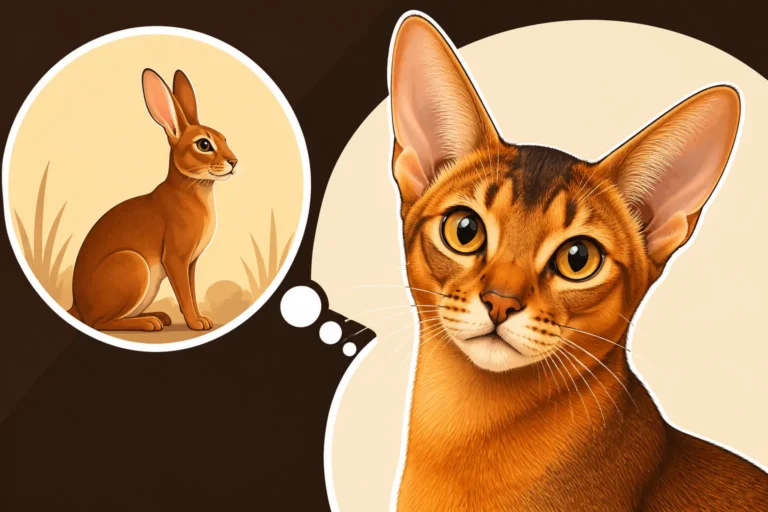
Early Abyssinian cats earned the nickname bunny cat from late nineteenth-century admirers due to their unique ticked coat, large ears, and lean body.
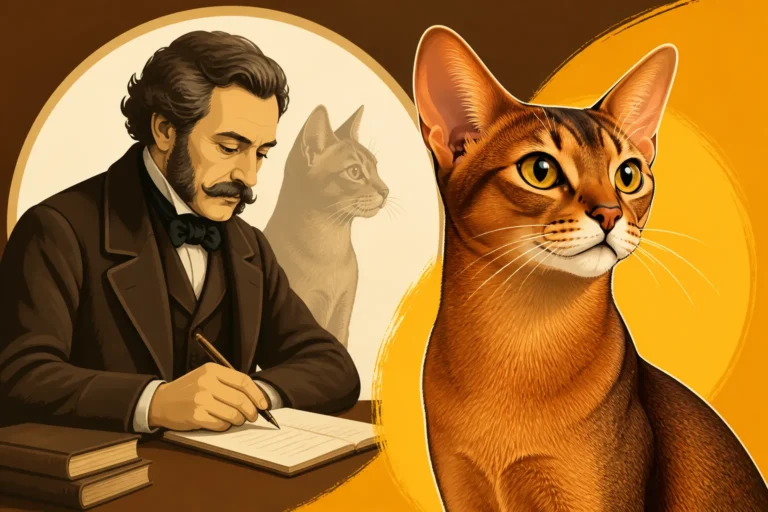
Harrison Weir and his 1889 book Our Cats and All About Them reveal early historical records and insights about the Abyssinian cat breed.
Early Abyssinian cat records from 1882 identify which specific feline first earned that official title in cat fancy history.
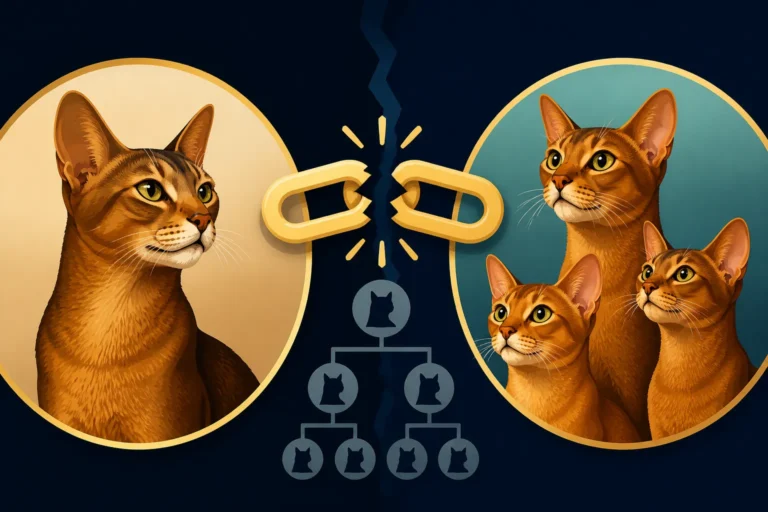
Captain Barrett-Lennard brought the cat Zula from Abyssinia in 1868, but missing records leave no documented pedigree for modern Abyssinians.
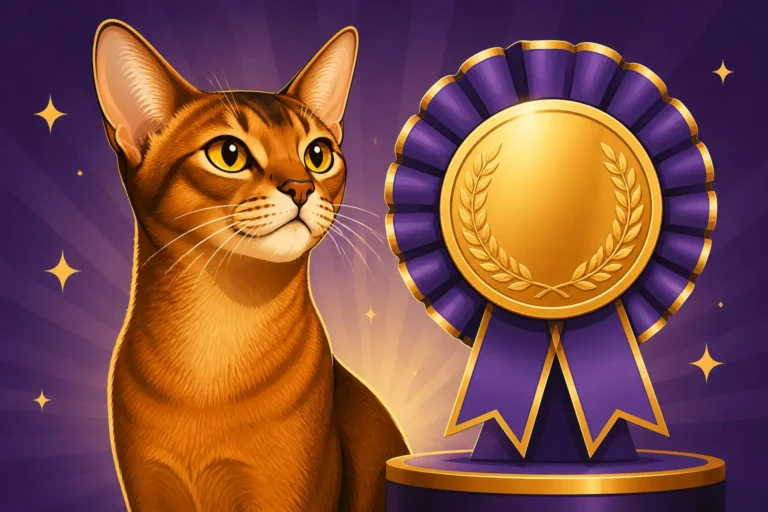
Zula, exhibited by Captain Barrett-Lennard at the 1871 Crystal Palace Cat Show, won a prize that shaped the early Abyssinian breed history.
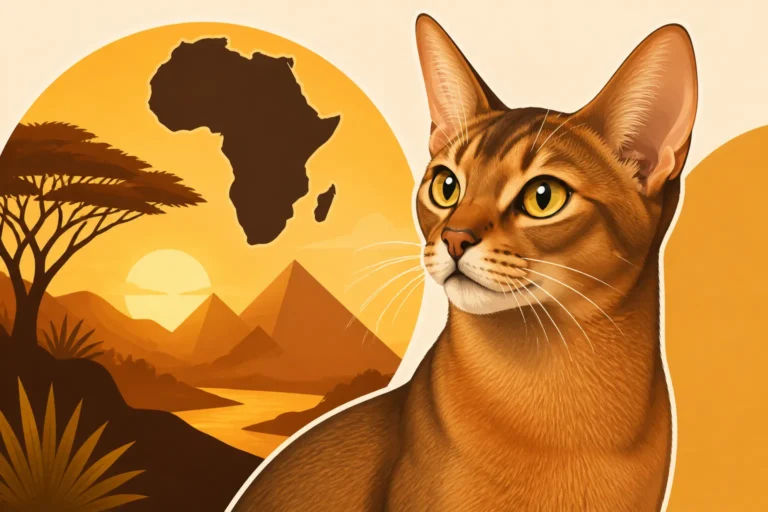
Captain William P. G. Napier brought Zula from the 1868 Abyssinia campaign to England, shaping early breed history.
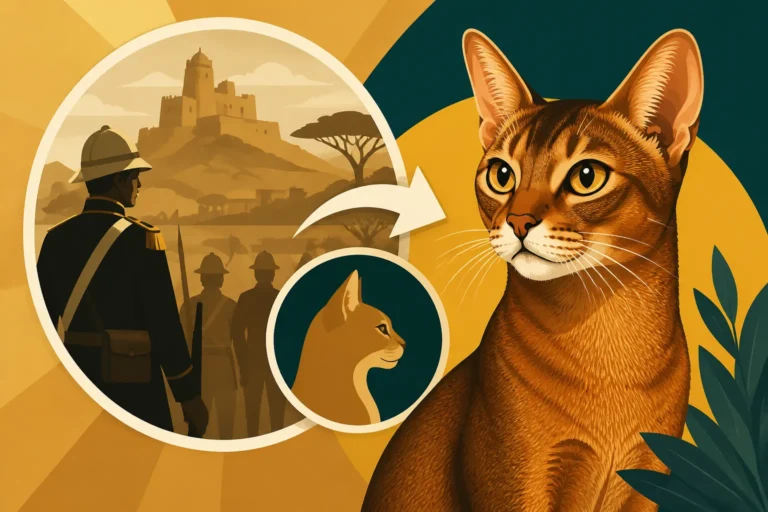
The 1868 British military expedition to Abyssinia and a feline named Zula created the origin myth for the Abyssinian breed.
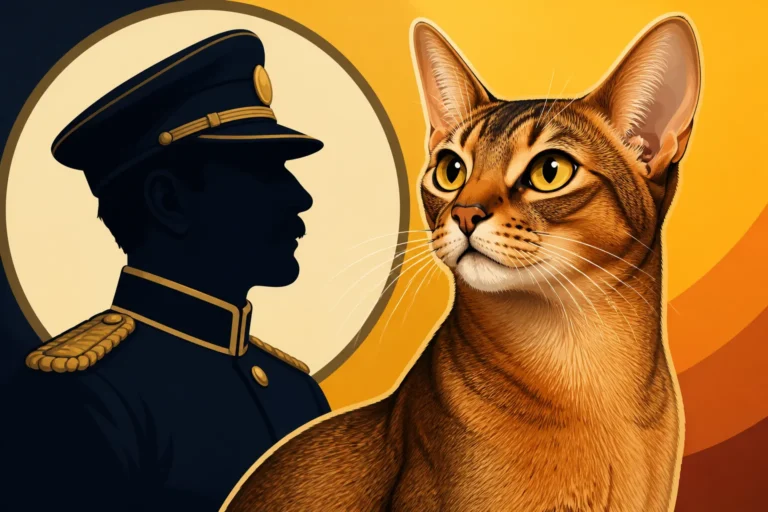
Lieutenant General Robert Napier was a Victorian military commander whose life and career connect to the Abyssinian cat origin story.
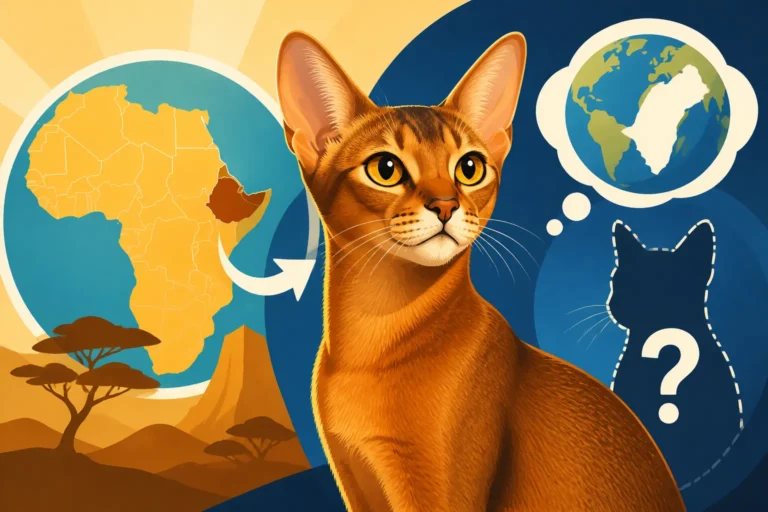
The Abyssinian cat breed history explains why the feline is named after Ethiopia despite lacking genetic roots there.