Where Zula Was Said to Have Come From
For anyone fascinated by the Abyssinian cat, the story of Zula, supposedly brought back from Abyssinia after a military campaign, is often the first historical tidbit encountered. It paints a romantic picture of exotic origins, but the reality is far more complex and, frankly, a lot less direct. This guide will delve into the persistent legend of Zula, examine the historical events it hinges upon, and then contrast it with what genealogical records and modern genetic science truly suggest about the Abyssinian's beginnings.
The Enduring Tale of Zula and Her Abyssinian Roots
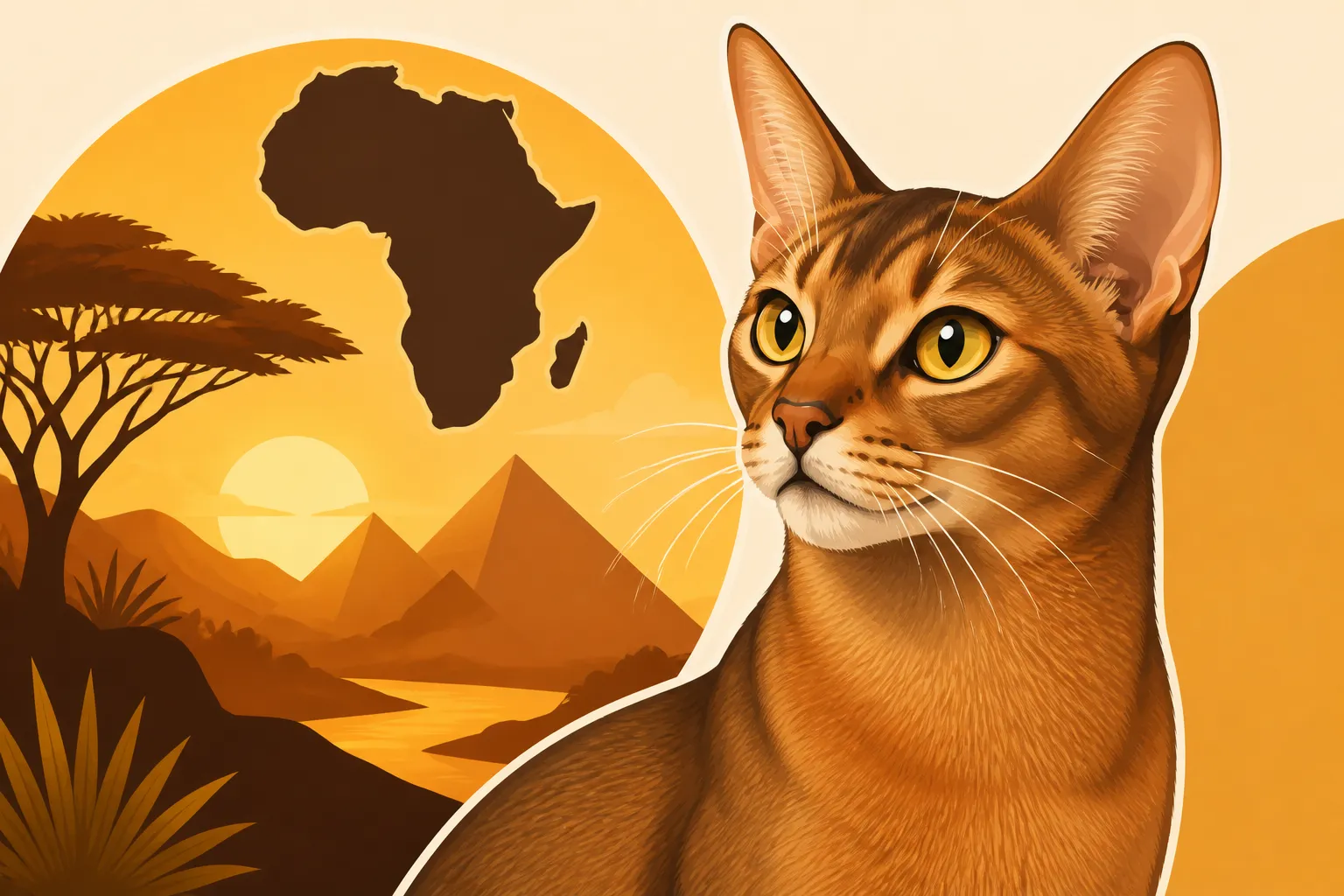
The legend of Zula is a captivating one, isn't it? It conjures images of an ancient, regal feline, discovered in the exotic lands of Abyssinia (modern-day Ethiopia), and brought back to England as a prize of war. This narrative has been lovingly repeated for generations, becoming almost foundational to the breed's identity. Many of us, myself included, heard this story early on and found it utterly enchanting. It's easy to see why it caught on and stuck; it gives the Abyssinian a deep, adventurous history that perfectly matches their spirited personality. This particular story, Zula and the 1868 Story Everyone Repeats, suggests a direct link between the cat found in Abyssinia and the very first Abyssinians exhibited in Victorian England.
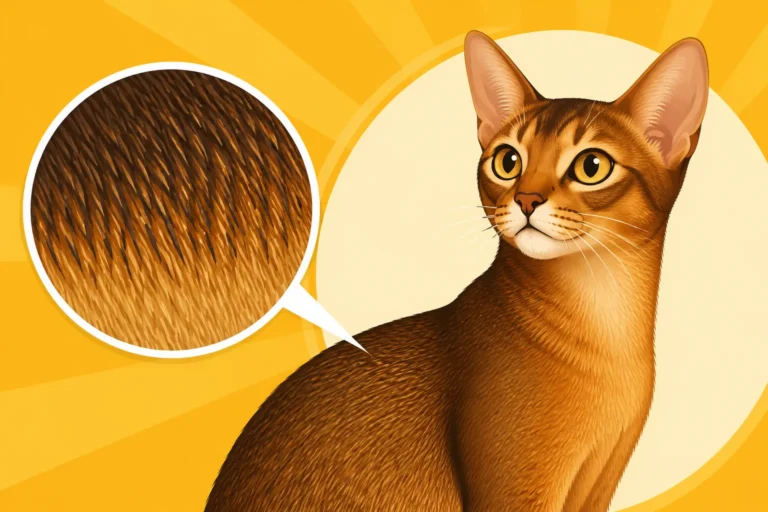
The story goes that Zula was brought to England by Captain William P. G. Napier, whose father, Lieutenant General Sir Robert Napier, led the British expedition to Abyssinia in 1868. She was supposedly a 'trophy' from this campaign, a striking ticked cat that stood out among the usual domestic felines of Europe. Her unique appearance, with that distinctive banded coat, immediately captured the imagination of cat fanciers. It suggested an ancient lineage, perhaps even linking her to the revered cats of ancient Egypt. The allure of such an origin story is undeniable, lending an air of mystery and aristocratic pedigree to a breed that was just beginning to gain recognition.
Deconstructing the 1868 Abyssinia Campaign Connection
While the Abyssinian Campaign of 1868 was a very real historical event, led by Who Lieutenant General Robert Napier Was, the direct link between this military expedition and the foundational Abyssinian cat, Zula, is far more tenuous than the popular legend suggests. The campaign was a punitive expedition launched by the British Empire against Emperor Tewodros II of Ethiopia, primarily to secure the release of several European hostages. It was a serious military undertaking, fraught with logistical challenges, crossing vast and difficult terrain.
Now, did cats come back with soldiers? It's certainly possible. Sailors and soldiers throughout history have often brought home animals from foreign lands. However, there's a significant lack of concrete, contemporaneous evidence to firmly establish Zula as a direct "prize of war" from this specific campaign. While the general context of What the 1868 Abyssinia Campaign Had to Do With Cats offers a plausible scenario for some cats arriving in Britain from East Africa, it doesn't provide the smoking gun connecting Zula directly to the region of Abyssinia. Instead, many researchers now believe that the exotic-sounding name was more a romantic notion applied later, perhaps due to the cat's unusual appearance, rather than a factual geographical origin. The earliest records and writings from the time, while mentioning Zula, rarely confirm a definitive Abyssinian origin with irrefutable proof.
Tracing Zula's True Journey and the Early Abyssinian Breed
So, if Zula wasn't necessarily a direct import from Abyssinia in 1868, where did she come from? The truth is a little murkier, but no less fascinating. Zula did exist; she was exhibited at the Crystal Palace Cat Show in 1871, an event that garnered significant public attention. What Prize Zula Won in 1871 at this show further solidified her status as a unique and captivating feline. Her presence at such a prestigious event undeniably sparked interest in cats with her distinctive ticked coat, paving the way for the development of what we now know as the Abyssinian breed.
However, the problem arises when trying to establish a continuous pedigree from Zula to the Abyssinians we know today. Historians and geneticists have found that Why No Pedigree Connects Zula to Later Abyssinians is a significant hurdle. Early cat breeding records were not always as meticulous as those kept for dogs, and many lines simply faded out. It's more likely that Zula was one of several "ticked" cats brought to England from various port cities around the Indian Ocean, which served as bustling trade hubs. These cats, often shorthaired and possessing the striking agouti (ticked) gene, were then selectively bred with local British shorthairs to establish the distinct breed. Harrison Weir, a pioneering figure in the British cat fancy, famously wrote about these "ticked cats" in his book, "Our Cats and All About Them." His observations, as detailed in What Harrison Weir Wrote About the Abyssinian, noted their resemblance to ancient Egyptian cats, further fueling the exotic mystique, regardless of their actual point of origin. This selective breeding process, rather than a single direct lineage from Zula, is what truly laid the groundwork for the modern Abyssinian.
Unraveling the Abyssinian's Genetic Puzzle and True Origins
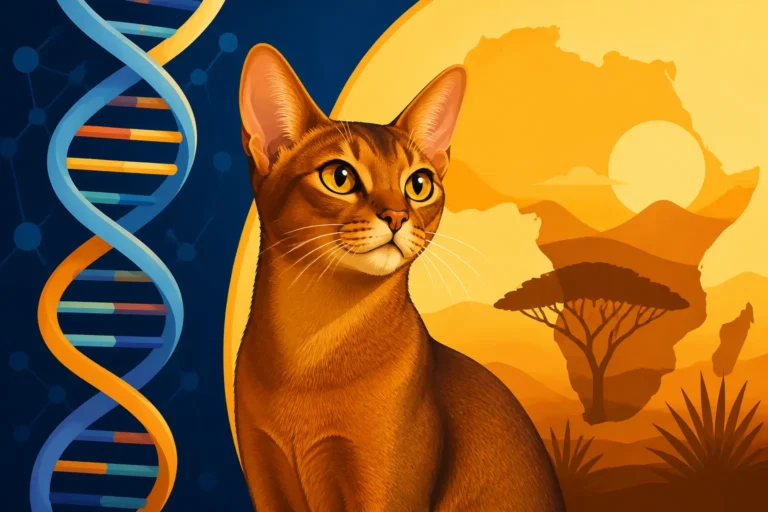
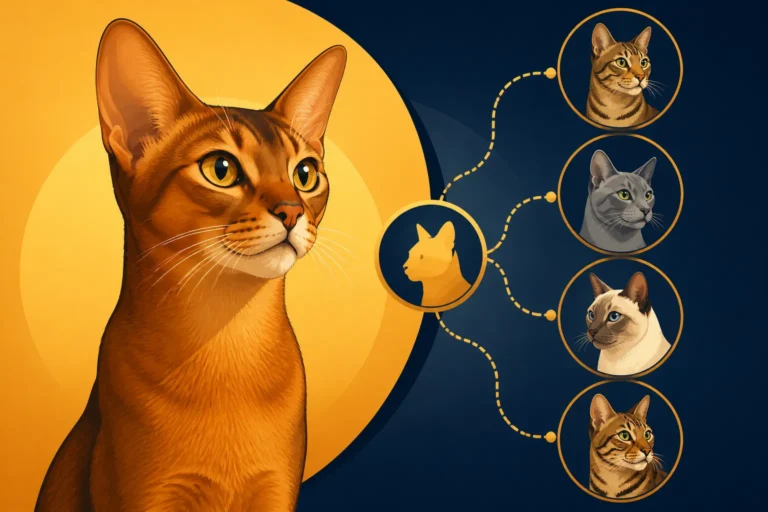
This is where science steps in to challenge the cherished myth. Modern DNA studies have been incredibly illuminating, helping us to piece together the true tapestry of the Abyssinian's ancestry. These genetic analyses, detailed in What Genetic Studies Say About the Abyssinian's Origin, consistently point away from Ethiopia as the primary origin point for the breed. Instead, the genetic markers found in Abyssinians strongly suggest a more distant, Eastern origin.
Specifically, research has shown genetic connections to cats from the coastal regions of the Indian Ocean, particularly around Southeast Asia. Why Southeast Asia Turns Up in Abyssinian Genetics points to an ancestry rooted in countries like Singapore and parts of Malaysia, where similar ticked-coat cats have existed for centuries. It's believed that these cats, highly prized for their distinctive coats, traveled on merchant ships from these regions to ports in Europe, often landing in Great Britain. This explains why the name "Abyssinian" was likely a marketing choice, an exotic label applied to a beautiful, unusual cat rather than an accurate geographical marker. The name simply sounded more romantic and ancient, lending cachet to the burgeoning breed. As a result, The Abyssinian Is Probably Not From Abyssinia becomes a hard truth for many breed enthusiasts, but one that opens up an even wider and more intriguing historical journey.
The table below summarizes the contrast between the popular myth of Zula's origin and the more historically and genetically supported reality:
| Feature | Zula Myth | Historical/Genetic Reality |
|---|---|---|
| Origin Country | Abyssinia (modern-day Ethiopia) | Likely Southeast Asia, with cats brought via trade routes along the Indian Ocean coast. |
| Arrival in UK | War trophy from the 1868 Abyssinia Campaign | Uncertain; various ticked cats arrived in UK ports on merchant ships over time. Zula's specific origin is unconfirmed. |
| First Abyssinian | Zula herself, a direct ancestress of all Abyssinians | Zula was an early example of a ticked cat shown, but direct, unbroken lineage to modern Abyssinians is unproven. |
| Breed Development | Purebred Abyssinian line directly from Zula | Developed through selective breeding of various imported ticked cats and local British shorthairs. |
| Naming Convention | Named after her country of origin | Likely named for exotic appeal; Why the Abyssinian Was Named After a Country It Is Not From despite differing genetic evidence. |
Understanding these distinctions doesn't diminish the beauty or unique personality of the Abyssinian cat. If anything, it enriches their story, showing how human fascination and a touch of romanticism can shape a breed's narrative. Today's Abyssinian owners, who might be purchasing an elaborate cat tree from Chewy or stocking up on their cat's favorite wet food from a local pet store, are part of a long lineage of people enchanted by these remarkable felines, regardless of where their earliest ancestors truly hailed from. The focus on preserving the breed's health, temperament, and stunning appearance through careful breeding continues, building on a history that is both mythical and scientifically supported.
Disclaimer
This article is for general informational purposes only and does not constitute professional advice. Laws, prices and regulations vary by location and change over time. Consult a qualified professional for guidance on your specific situation.