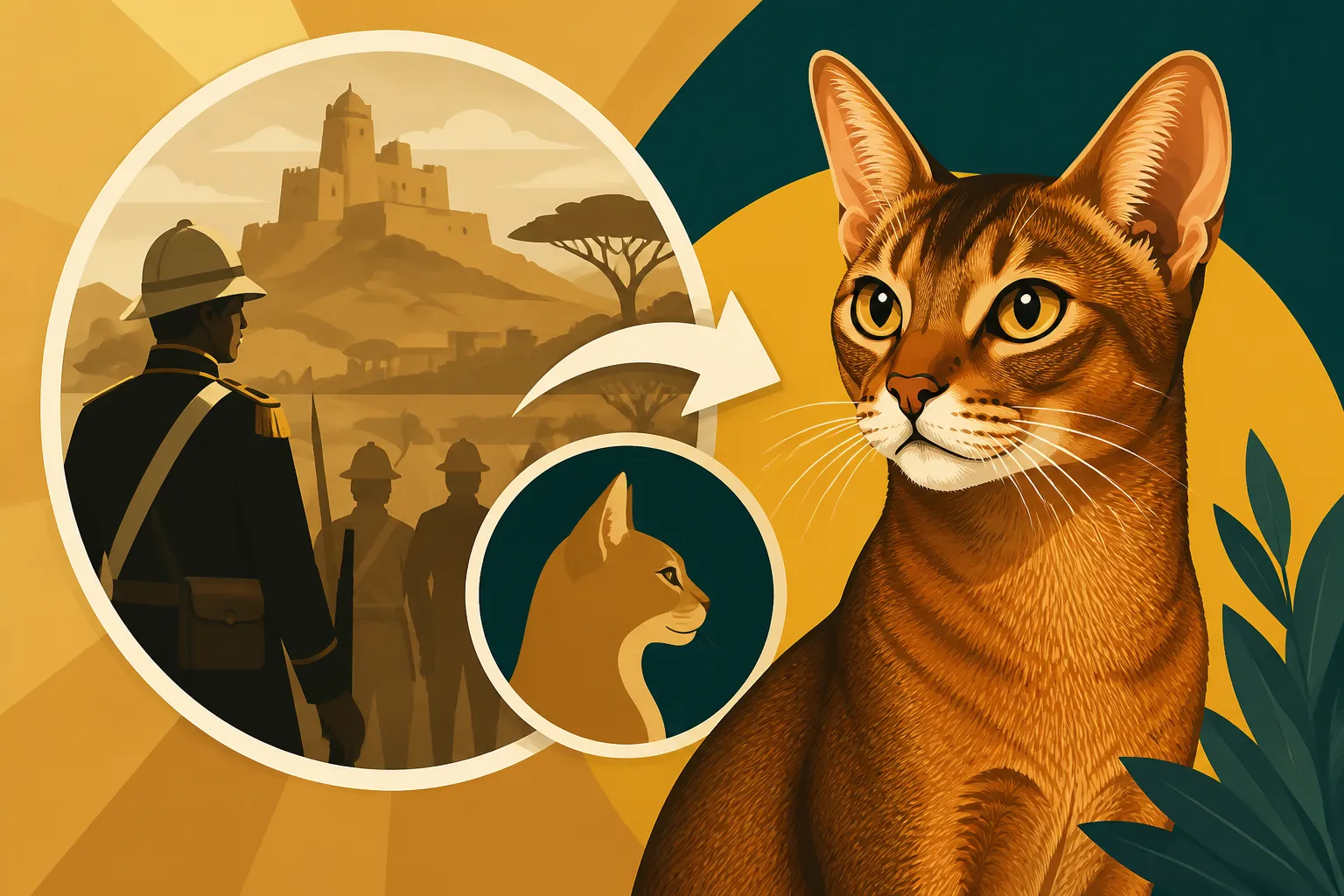
What the 1868 Abyssinia Campaign Had to Do With Cats
The Abyssinian cat is a breed shrouded in intriguing mystery, particularly regarding its origins. Many cat enthusiasts and even some breed histories cling to a captivating tale involving a cat named Zula, supposedly brought back from the British military expedition to Abyssinia in 1868. This guide aims to peel back the layers of this persistent myth, exploring the historical event itself, the legend of Zula, and what modern scientific and historical research truly tells us about the Abyssinian's real ancestral journey.
The Legend of Zula and the 1868 Campaign
For generations, the story of the Abyssinian cat's arrival in the Western world has been intimately tied to a specific historical event: the British military expedition to Abyssinia in 1868. It’s a compelling narrative, one that paints a picture of an exotic feline brought back from a distant land, imbued with a sense of adventure and ancient lineage.
The British Expedition to Abyssinia
Let's first set the scene for the legendary connection. The Abyssinia Campaign of 1868 was a British military expedition mounted against Emperor Tewodros II of Ethiopia (then known as Abyssinia). The primary objective was to secure the release of several European missionaries and British government envoys who had been imprisoned by the Emperor. Led by Lieutenant General Robert Napier, the expedition was a monumental undertaking, involving a force of thousands of British and Indian soldiers, along with an enormous logistical train that included 20,000 labourers, 40 elephants, and countless mules and camels to traverse the rugged terrain. It was a serious military operation, far from a casual jaunt for souvenirs. The campaign culminated in the Battle of Magdala, where Tewodros II was defeated and ultimately took his own life.
Zula: The Cat Who Started a Myth
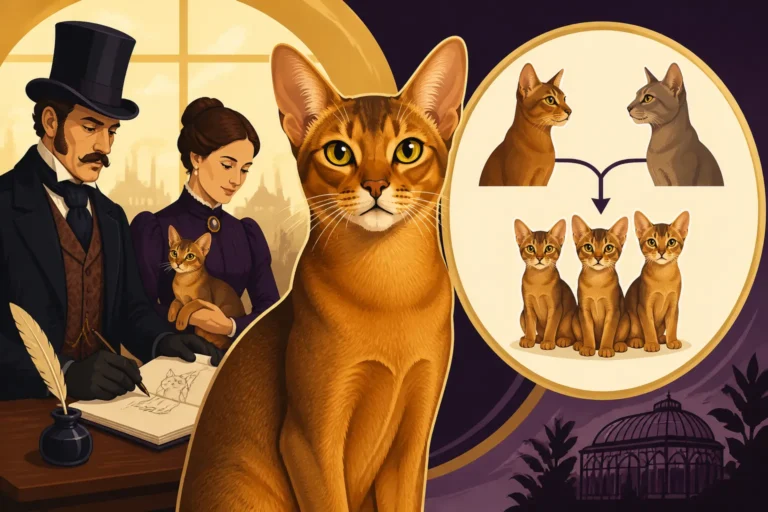
It's within this dramatic historical backdrop that the story of Zula emerges. The popular legend states that one of the soldiers, often cited as Lieutenant General Napier himself, brought a cat named Zula back to England from the campaign. This cat was described as having a unique, ticked coat – a coat pattern that would later become the hallmark of the Abyssinian breed. The idea was that Zula was a direct descendant of the ancient cats of Ethiopia, perhaps even those depicted in ancient Egyptian art, linking the breed to a truly venerable and exotic past. This tale has been repeated so often, in so many books and articles, that it has become almost synonymous with the Abyssinian's origin. It's a romantic and appealing narrative, suggesting a direct, unbroken line from an ancient African land to the modern pedigree cat.
The 1871 Crystal Palace Cat Show
Zula's story gained significant traction thanks to her purported appearance at the very first cat show in Great Britain, held at the Crystal Palace in London in 1871. Organized by Harrison Weir, a prominent cat fancier and artist, this show was a groundbreaking event, marking the formal beginning of the modern cat fancy. A "native Abyssinian" cat was exhibited, and it even won third prize. Weir himself wrote about the cat in his 1889 book "Our Cats and All About Them," further solidifying the narrative. He described her as "captured in the late Abyssinian War," reinforcing the direct link to the 1868 campaign. This public exhibition and subsequent documentation lent immense credibility to the Zula legend, making it an indelible part of the breed's historical tapestry. People naturally wanted to believe in such a grand and adventurous origin for such a striking animal, and the story became folklore, passed down through generations of cat lovers.
Unraveling the Abyssinian's True Origins
While the legend of Zula is undoubtedly charming, careful examination of historical records and, more recently, genetic studies, paints a different, albeit equally fascinating, picture of the Abyssinian's true origins. It's a story of early cat fancy, selective breeding, and the unexpected journeys of domestic felines.
Why No Pedigree Connects Zula to Modern Abyssinians
Here’s where the romantic tale starts to unravel. Despite the strong anecdotal evidence and the mention in Harrison Weir's seminal work, there's a significant lack of documented lineage connecting Zula, or any other cat from the 1868 campaign, to the Abyssinians we know today. Early cat breeding records were often sparse, but even with allowances for that, a direct, verifiable pedigree link is simply missing. The cats that were registered as "Abyssinian" in the late 19th and early 20th centuries in Britain appear to have been developed from local ticked tabbies and various domestic shorthairs. It's much more likely that the name "Abyssinian" was given to these cats because their unique ticked coats resembled those reported from Abyssinia, rather than because they were direct descendants of cats imported from that region. The idea was to name the breed after the exotic location from which cats with similar characteristics were thought to have originated, lending it an air of prestige and mystique. The earliest reliably documented Abyssinians in England, such as those registered by the National Cat Club in the 1880s, don't trace back to Zula. You can delve more into Which Cat Was First Listed as an Abyssinian in 1882 to understand the early registration efforts.
What Modern DNA Studies Found About Abyssinian Ancestry
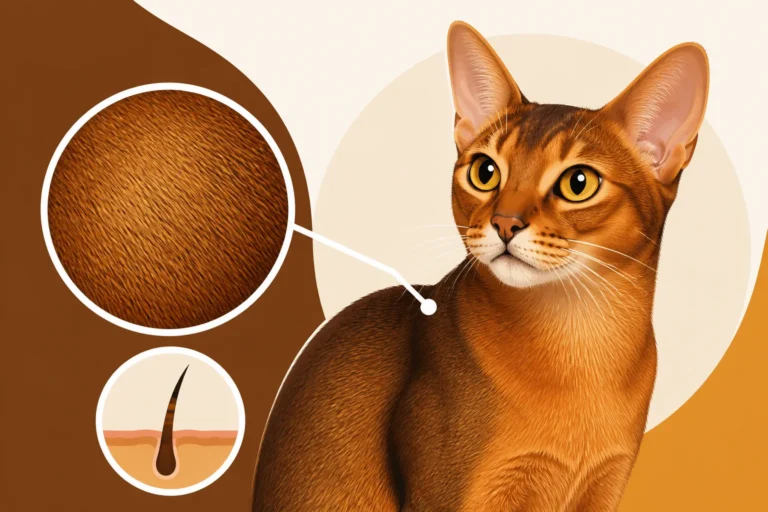
In recent decades, genetic science has provided powerful tools to trace the ancestry of domestic cat breeds, and the findings for the Abyssinian are particularly revealing. Modern DNA studies have largely debunked the direct Ethiopian origin. Instead, these studies point towards a more Eastern origin for the Abyssinian, specifically the coast of the Indian Ocean or Southeast Asia. It's believed that the "ticked" or "agouti" gene, which gives the Abyssinian its distinctive banded hair shafts and lack of striping, originated in these regions. Cats with this gene were then likely transported around the world via trade routes, eventually making their way to Europe. This aligns with the idea that the breed developed in Britain from cats that simply carried the gene for ticking, rather than being direct imports from Ethiopia. It’s a much more complex and global journey than a single cat on a military ship. If you're curious about the scientific side, What DNA Says About Where Abyssinians Came From explores this in more detail.
The Role of British Tabbies and Crossbreeding
So, if not directly from Abyssinia, where did the modern Abyssinian come from? The most widely accepted theory among geneticists and serious breed historians is that the Abyssinian was developed in Great Britain through the selective breeding of domestic shorthairs that carried the ticked tabby gene. These "proto-Abyssinians" were then refined over generations. Early breeders, fascinated by the unique ticked pattern, worked to enhance and stabilize this trait, eventually leading to the distinct Abyssinian breed we recognize today. There were likely crosses with other shorthair breeds to broaden the gene pool and refine specific physical characteristics, especially after The Abyssinian Nearly Disappeared From Britain Twice due to world wars and feline diseases. This process of careful selection and outcrossing is typical of how many modern cat breeds were established in the late 19th and early 20th centuries, far removed from the romantic notion of a single exotic import. Even when considering current breed standards, traits like What an Abyssinian Looks Like Against the Show Standard were developed and refined over time through deliberate breeding.
Here's a quick comparison of the myth versus the reality of the Abyssinian's origin:
| Feature | The Zula Myth | Scientific/Historical Reality |
|---|---|---|
| Origin Location | Abyssinia (modern-day Ethiopia) | Indian Ocean coast or Southeast Asia, refined in Britain |
| Direct Import | Yes, Zula brought back by a soldier from the 1868 campaign | No direct, verifiable link; name likely given due to coat resemblance |
| Primary Ancestry | Ancient Egyptian cats / Ethiopian wildcats | Domestic shorthairs, likely with existing ticked tabby genes |
| Development Process | Direct lineage from an exotic imported cat | Selective breeding and crossbreeding by British fanciers |
| Genetic Evidence | None to support Ethiopian origin for modern breed | DNA points to Eastern origins for the ticked gene |
| First Appearance | Zula at the 1871 Crystal Palace Show | Ticked cats existed prior; name applied to selectively bred cats post-1871 |
The Enduring Allure of the Abyssinian Myth
Despite the scientific evidence pointing elsewhere, the legend of the Abyssinian's connection to the 1868 Abyssinia Campaign continues to capture imaginations. There's something inherently appealing about a heroic origin story, especially for a cat as striking and unique as the Abyssinian.
Why the Abyssinia Origin Story Survived Anyway
The resilience of the Zula myth is understandable. Humans love a good story, and the tale of an exotic cat brought back from a far-off land by a returning soldier is far more romantic and memorable than the more complex reality of selective breeding from domestic stock. It gives the breed a sense of ancient gravitas and adventure. Furthermore, in the early days of the cat fancy, less emphasis was placed on rigorous genealogical documentation and more on the aesthetic appeal and perceived exoticism of new breeds. Why the Abyssinia Origin Story Survived Anyway is a testament to the power of narrative. The initial descriptions by influential figures like Harrison Weir, coupled with the lack of widely accessible genetic testing until much later, allowed the story to become deeply entrenched in the breed's lore. It's simply a more exciting origin than "local ticked barn cats were selectively bred."
The Abyssinian's Ancient Look and Wildcat Resemblance
Another factor contributing to the myth's longevity is the Abyssinian's remarkably ancient and almost wild appearance. With their lean, muscular bodies, large expressive ears, and captivating almond-shaped eyes often rimmed with a dark outline, Abyssinians truly resemble some of the cats depicted in ancient Egyptian art. This visual similarity lends a powerful, albeit superficial, credence to the idea of a direct link to ancient Egyptian felines or even African wildcats. It's easy to look at an Abyssinian and imagine it stalking through ancient temples or the deserts of North Africa. The ticked coat, reminiscent of a wild puma or cougar, further enhances this "mini-puma" look, fueling the imagination. For many owners, this connection to an ancient, untamed past is part of the breed's charm, even if they understand the reality is different. The idea that Why the Abyssinian Resembles Ancient Egyptian Art is not due to direct descent, but a shared aesthetic, is a fascinating point.
Dispelling Misconceptions for Responsible Ownership
While the romantic notion of the 1868 campaign might persist, understanding the true history of the Abyssinian is crucial for responsible ownership and preservation of the breed. It shifts the focus from a fanciful tale to the dedicated efforts of breeders who shaped this magnificent cat. Knowing that the Abyssinian was developed through careful selective breeding in Europe, rather than simply being imported from Abyssinia, helps us appreciate the deliberate work that went into creating its unique characteristics.
It also highlights the importance of genetic testing and responsible breeding practices today. When looking for an Abyssinian, whether you're researching on resources like Chewy or talking to breeders, asking about genetic history and health screenings becomes paramount. You'll want to ensure you're getting a kitten from a line with a strong health record, free from genetic predispositions like Pyruvate Kinase Deficiency Is the Abyssinian's Best Known Test or PRA-rdAc Takes an Abyssinian's Sight by Five. A reputable breeder will always provide transparency about their cats' health and pedigree, regardless of romanticized origin stories. Understanding the real history grounds us in the present, encouraging us to value the breed for its actual journey and the careful stewardship it requires.
The Abyssinian's journey is a testament to the power of human fascination with cats and the dedicated work of breeders. While the 1868 Abyssinia Campaign did happen, and a cat named Zula might have even been exhibited, the direct link to our modern Abyssinians is a charming myth. The true story, supported by genetics and careful historical analysis, is one of selective breeding and a global journey of the ticked gene, culminating in the vibrant, intelligent, and endlessly captivating Abyssinian we cherish today.
Disclaimer
This article is for general informational purposes only and does not constitute professional advice. Laws, prices and regulations vary by location and change over time. Consult a qualified professional for guidance on your specific situation.