Which Wild Cat the Abyssinian Is Said to Resemble
Abyssinian physical traits such as ticked coats and lean builds explain why people compare the breed to African wildcats.
Is this the right one for you?
Origins and temperament, size and coat, what living with one is actually like, and how it compares to the breeds people weigh against it.
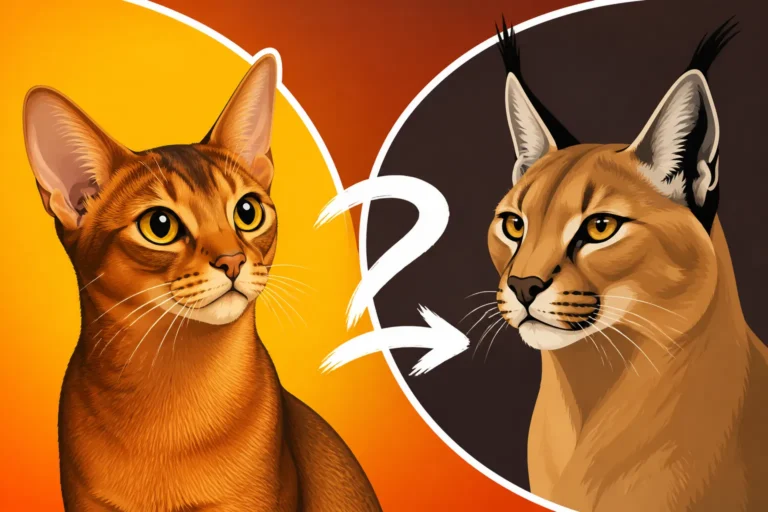
Abyssinian physical traits such as ticked coats and lean builds explain why people compare the breed to African wildcats.
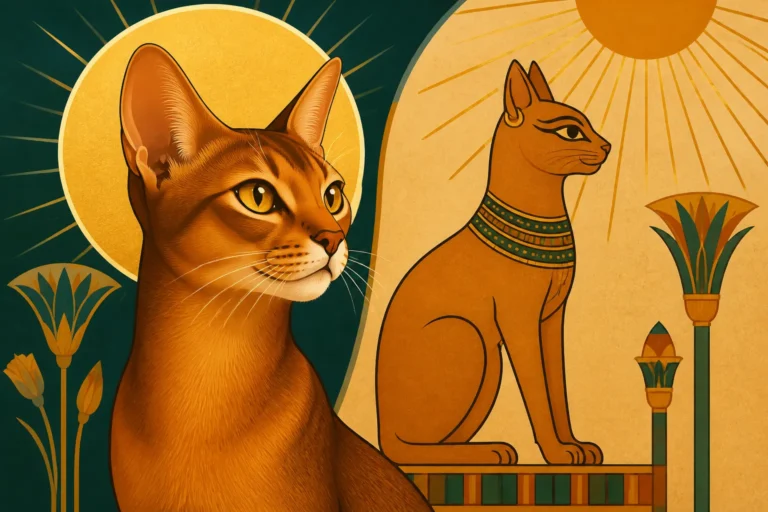
Abyssinian physical features and ticked coats create a striking resemblance to ancient Egyptian art despite lacking direct descent.
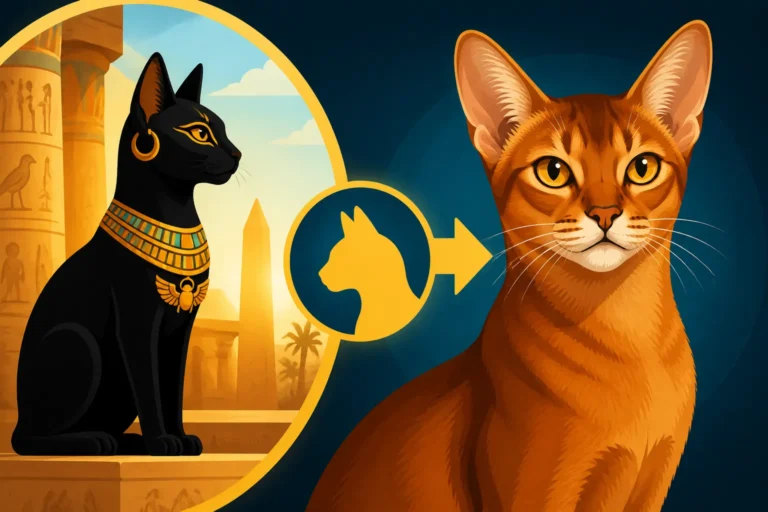
Abyssinian cat origins and genetic studies from the Indian Ocean coast and the 1868 Abyssinian War explore ancient Egypt links.
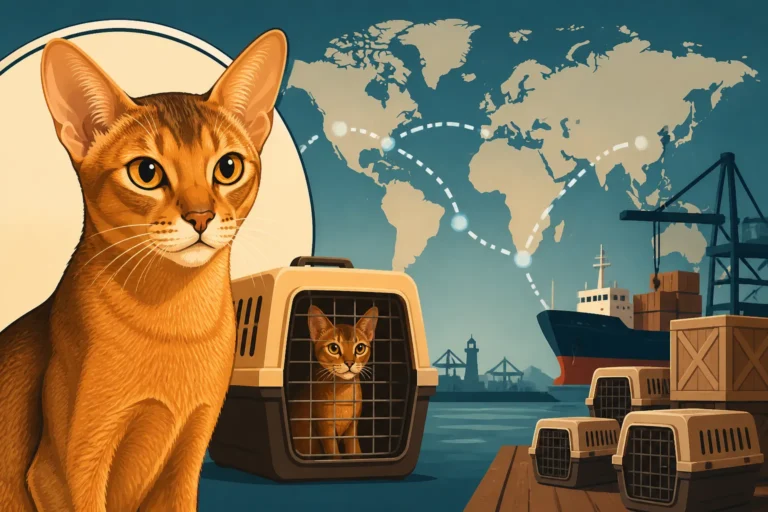
Ancient maritime trade networks unintentionally moved cats between global ports, shaping the genetic landscape of modern breeds.
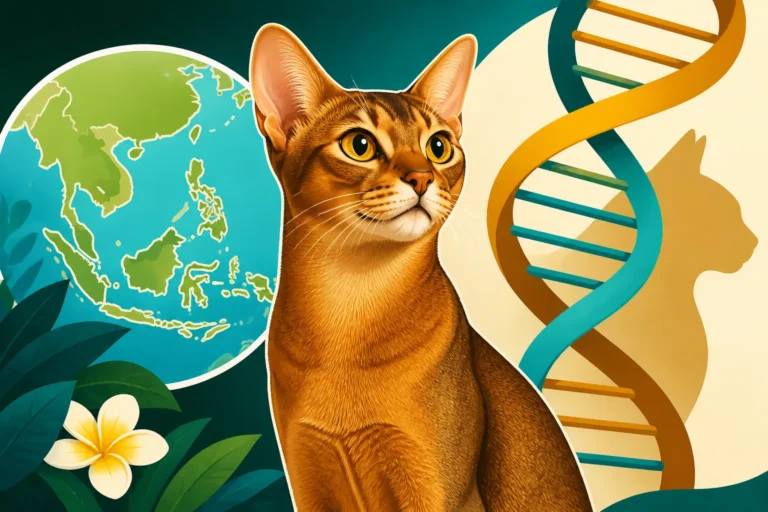
Scientific genetic research reveals why the Abyssinian cat breed originates from Southeast Asia instead of African Abyssinia.
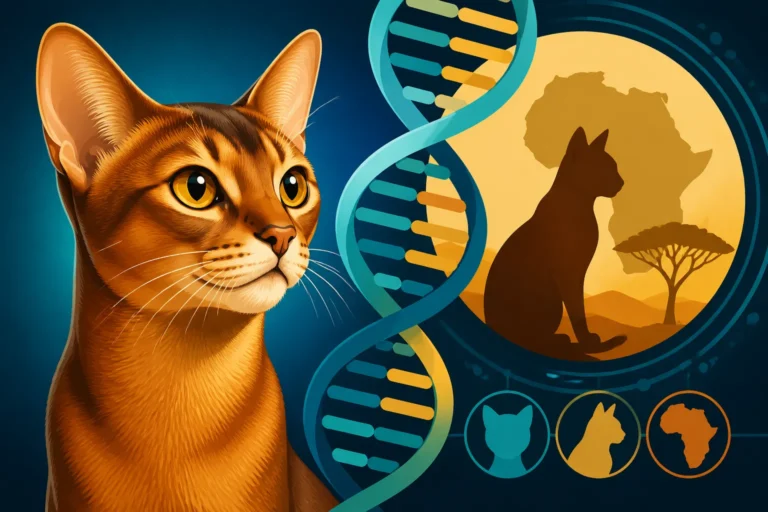
Modern DNA studies reveal that Abyssinian cat ancestry traces to Southeast Asia rather than ancient Egypt or Ethiopia.
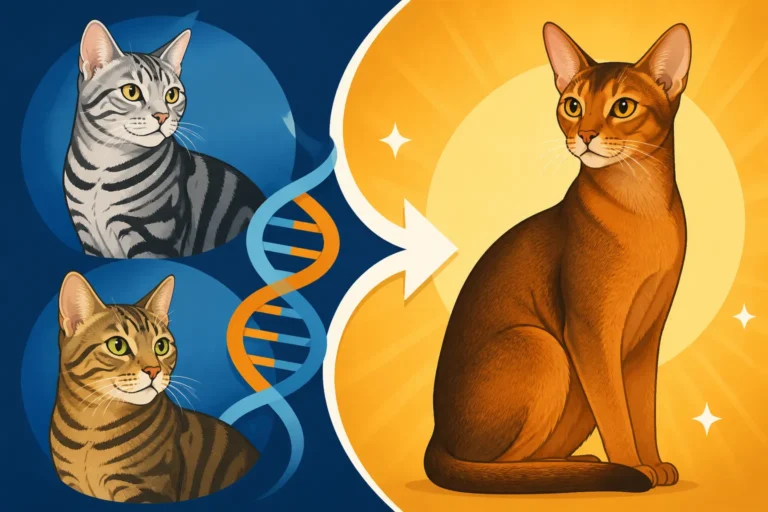
Abyssinian cat origins and the historical theory linking the breed to British domestic tabbies are examined using modern genetic science.
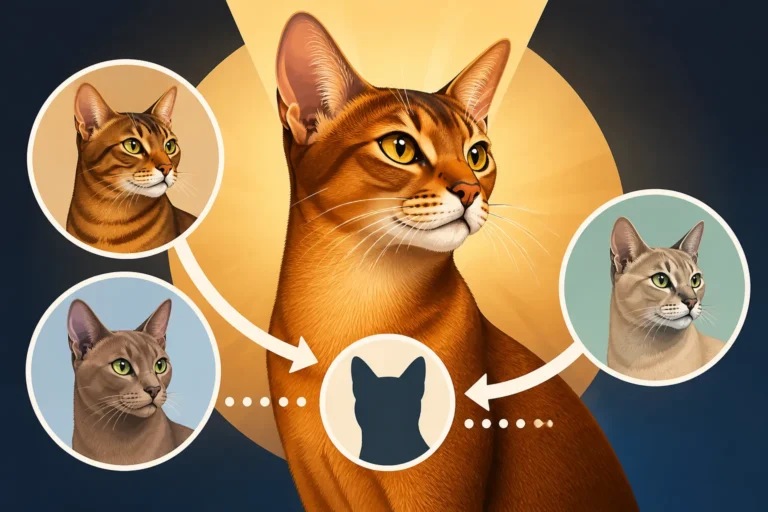
Abyssinian cat history, the 1868 Zula narrative, and early nineteenth century foundational breeding records without verifiable pedigrees.
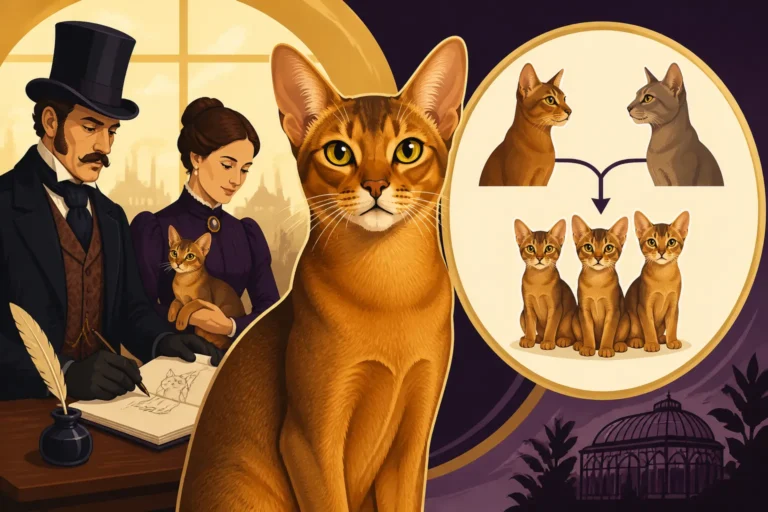
Victorian British breeders and Zula explain the origin of the Abyssinian cat breed in 1868 at the Crystal Palace Cat Show.
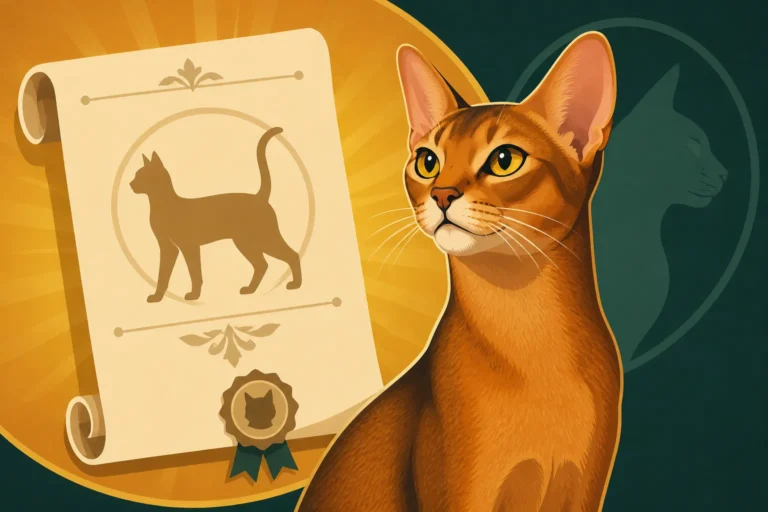
The original Abyssinian cat breed standard from 1889 described the unique ticked coat, graceful build, and active demeanor.