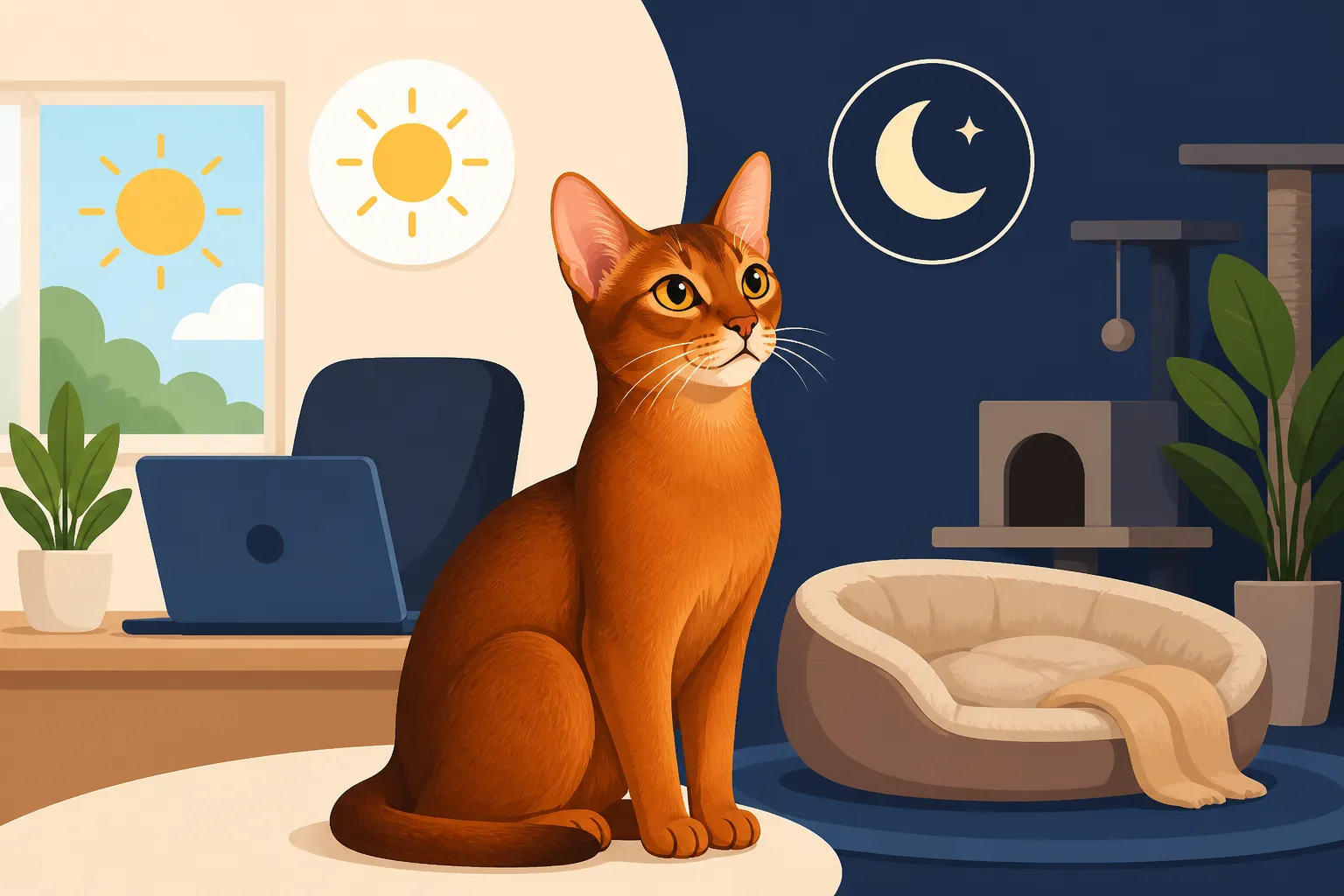
Whether an Abyssinian Copes With a Nine Hour Day
Leaving your beloved Abyssinian alone for a full nine-hour workday can feel like a heartbreaking dilemma for many cat parents. You worry about them being bored, lonely, or even getting into mischief out of sheer curiosity. This guide aims to help you understand the unique needs of an Abyssinian and explore practical ways to ensure they don't just survive, but truly thrive, even when your schedule keeps you away for an extended period.
The Abyssinian's Unique Needs and a Long Workday
Abyssinians are not your average couch potato cats. They are renowned for their incredible energy, sharp intelligence, and an almost dog-like devotion to their human companions. This isn't a breed that's content to simply nap the day away in a sunbeam, although they certainly enjoy a good snooze. Their active minds and bodies require consistent stimulation, and a nine-hour stretch without interaction can present a real challenge.
Why Abyssinians Struggle with Long Hours Alone
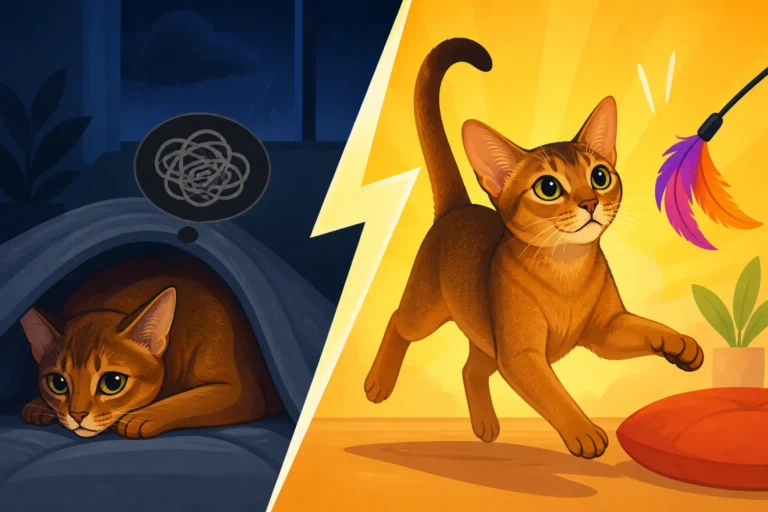
The core of the issue lies in the Abyssinian's inherent personality. They are incredibly social creatures who bond deeply with their families. When left alone for extended periods, they don't just miss you; they can genuinely become bored, frustrated, and even anxious. This isn't a fault in their temperament, but rather a manifestation of their intelligent and high-energy nature. Think of it this way: if you're used to solving puzzles and engaging in lively conversations all day, suddenly being confined to a quiet house with nothing to do for nine hours would probably drive you a little stir-crazy too!
Their need for activity goes beyond simple play. Abyssinians crave mental engagement. They love to explore, climb, investigate, and figure things out. A home that is not "Abby-proofed" or enriched can quickly become a canvas for their boredom-driven antics. It's not uncommon to hear tales of Abyssinians opening cabinets, turning on faucets, or systematically dismantling household items. This isn't malice; it's often a desperate attempt to create their own entertainment when their innate drive isn't being met. This is why you often hear breeders and experienced owners emphasize Why an Abyssinian Should Not Be Left Alone All Day.
The Impact of Isolation on an Active Breed
Prolonged isolation can have several negative impacts on an Abyssinian. Beyond the immediate chaos of a bored cat, you might see behavioral changes that are more concerning. Some Abyssinians may become more withdrawn or lethargic when you are home, having learned that their attempts to engage you during the day went unrewarded. Others might become overly clingy or demand attention incessantly when you return, unable to regulate their excitement.
Physical well-being can also be affected. While not directly caused by isolation, a lack of consistent activity can lead to a less fit cat over time, even with their naturally lean build. More subtly, stress from boredom can sometimes manifest in undesirable behaviors like overgrooming, leading to bare patches on their coat, or even changes in litter box habits. It's a sign that their environment isn't meeting their intrinsic needs, and it's definitely something to pay attention to.
Setting Up Your Home for a Solo Abyssinian
While a nine-hour workday is long, it doesn't mean owning an Abyssinian is impossible. It simply means you need to be incredibly intentional about how you set up your home and manage your cat's environment. The key is to create an enriching, engaging space that allows your Abyssinian to express their natural behaviors even when you're not there to supervise.
Maximizing Vertical Space and Exploration
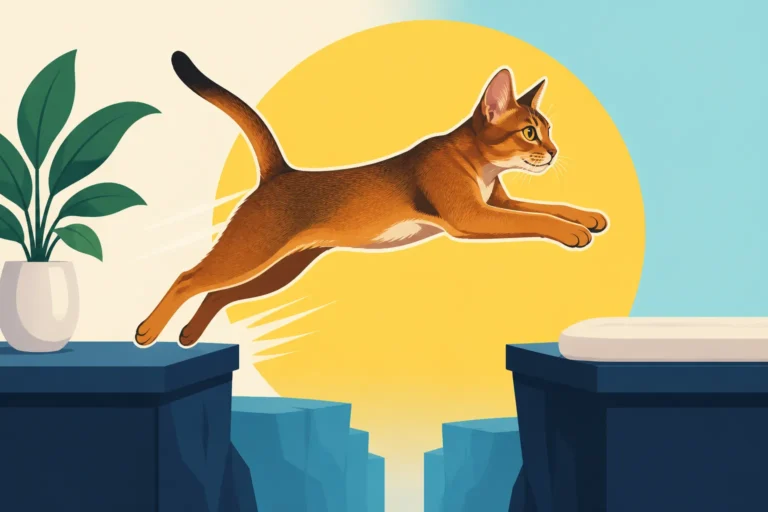
Abyssinians are climbers and explorers by nature. They love to survey their domain from the highest point in the room. Providing ample vertical space is absolutely crucial for keeping them entertained and preventing boredom-induced destructive behaviors. Think beyond a single cat tree. Consider a network of wall-mounted shelves, secure cat trees that reach the ceiling, or even dedicated "cat highways" with ramps and perches. An Abyssinian Needs Height More Than It Needs Floor isn't just a suggestion; it's a fundamental truth for this breed.
Make sure these climbing structures are stable and safe. Abyssinians jump with impressive agility and force, and a wobbly perch is an accident waiting to happen. Place them near windows if possible, allowing your Abyssinian to observe the outside world, which can be surprisingly stimulating. Vary the textures of scratching surfaces in these vertical spaces too – sisal, carpet, cardboard – to keep their claws healthy and their interest piqued.
Engaging Toys and Mental Stimulation
Leaving out a few static toys simply won't cut it for an Abyssinian for nine hours. They need toys that engage their intellect and hunting instincts. Puzzle feeders are absolute gold for this breed. These toys dispense treats or kibble only when manipulated correctly, turning mealtime into a mental workout. Start with easier puzzles and gradually introduce more complex ones. Many excellent options are available on Amazon, ranging from simple treat balls to multi-stage puzzle boards.
Interactive toys that mimic prey can also provide entertainment. Think about automated laser pointers (use with caution and always end with a physical toy so they can "catch" their prey), self-rotating toys, or even battery-operated mice that scurry around. Remember to rotate toys frequently to prevent boredom. A toy that's always out quickly loses its appeal. Have a "toy chest" and swap out items every couple of days. Hiding treats around the house, encouraging foraging behavior, is another fantastic way to keep their minds busy. Which Puzzle Feeders Hold an Abyssinian's Attention can give you some great ideas for getting started.
Here’s a quick overview of environmental enrichment strategies:
| Strategy | Description | Benefit for Abyssinian |
|---|---|---|
| Vertical Space | Cat trees, wall shelves, window perches | Satisfies climbing instinct, provides vantage points, exercise |
| Puzzle Feeders | Toys that dispense food/treats when manipulated | Mental stimulation, slows eating, prevents boredom |
| Interactive Toys | Battery-operated toys, treat dispensers, timed laser pointers | Mimics prey, encourages hunting, solo play |
| Window Access | Clear window sills, bird feeders outside | Visual stimulation, natural entertainment |
| Safe Outdoor Access | Catios, secure enclosures | Fresh air, sensory enrichment, safe exploration |
| Toy Rotation | Regularly swapping out toys | Keeps interest high, prevents boredom with old toys |
| Foraging Opportunities | Hiding treats or kibble around the house | Engages natural hunting/scavenging instincts, mental work |
Strategies for Mitigating Long Absences
Beyond the physical environment, there are practical strategies you can implement to make your Abyssinian's nine-hour day more manageable. These often involve leveraging technology or seeking external help to bridge the gap in your absence.
Utilizing Technology and Scheduled Activities
Pet cameras are a game-changer for many working cat parents. Modern cameras, often found on Amazon, allow you to check in on your Abyssinian, some even offer two-way audio so you can talk to them, or have treat dispensers that you can activate remotely. Seeing your cat napping peacefully or engaging with a toy can provide immense peace of mind.
Consider smart feeders that dispense meals at specific times. This ensures your Abyssinian isn't waiting all day for food and can help establish a routine. If your cat tends to inhale their food, use slow feeder bowls or puzzle feeders in conjunction with the automated dispenser. Scheduling play sessions immediately before you leave and as soon as you get home is also critical. These high-energy bursts of interaction bookend their solo time, helping to tire them out and fulfill their social needs. Remember, How Much Play an Abyssinian Needs Each Day is likely more than you think!
Considering a Companion or Sitter
For many Abyssinian owners, the ultimate solution to long hours alone is a companion animal. Another Abyssinian, especially littermates, can provide constant interaction, play, and grooming, greatly reducing boredom and loneliness. They chase each other up cat trees, engage in wrestling matches, and generally keep each other company. This often leads to less destructive behavior and a happier household overall. If you're considering a second cat, look into Why a Second Cat Suits an Abyssinian.
If a second cat isn't feasible, consider a pet sitter who can visit for an hour or so in the middle of your workday. A quick play session, some fresh food and water, and a bit of human interaction can break up the monotony of a long day and provide much-needed enrichment. Even just twenty minutes of active play can make a huge difference in an Abyssinian's day, fulfilling their need for interaction and physical activity.
Recognizing and Addressing Signs of Stress or Boredom
Even with the best intentions and preparations, it's important to be vigilant about your Abyssinian's well-being. They can't tell you in words if they're struggling, so you need to be able to read their cues.
Behavioral Indicators of Discontent
A bored or stressed Abyssinian might display a range of behaviors. Increased destructive tendencies, such as scratching furniture excessively, chewing on inappropriate items (like cables!), or knocking things off shelves, are classic signs they're seeking stimulation. Remember, for an Abyssinian, destroying your favorite vase might just be an exciting game of "gravity explores the floor."
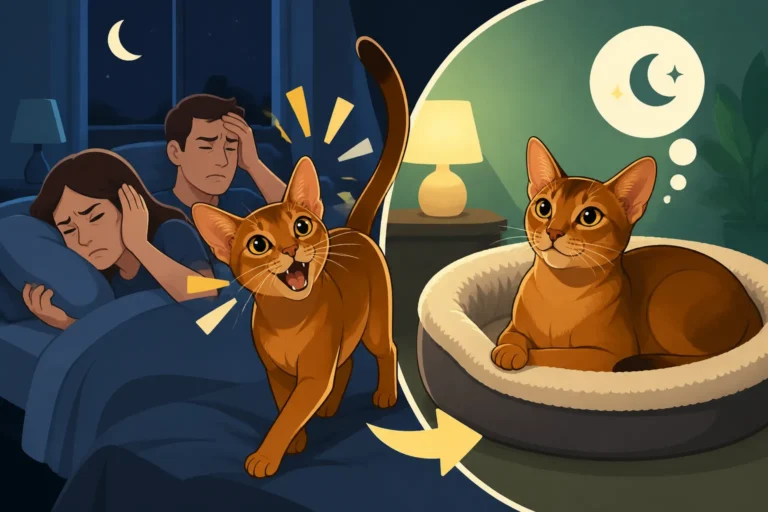
Changes in litter box habits, like urinating or defecating outside the box, can also signal stress or a cry for more attention. Excessive vocalization – constant meowing, chirping, or even howling – when you're home or when you leave can be a sign of loneliness or anxiety. On the flip side, some Abyssinians might become unusually quiet or withdrawn, spending more time hiding or sleeping, which is a significant change for such a naturally energetic breed. This could be a sign of depression or learned helplessness. For more on this, you might find What an Abyssinian Does When It Is Bored insightful.
Adjusting Your Routine and Environment
If you notice these signs, it's crucial to re-evaluate your current setup. Start by increasing your direct interaction time with your Abyssinian when you are home. Dedicate consistent, high-quality play sessions. Use wand toys that simulate hunting, engage them with clicker training for tricks, or even go for a supervised walk on a harness if your Abyssinian enjoys it. Training an Abyssinian Is Easier Than Stopping It means that with a little effort, you can redirect their energies productively.
Reassess your home enrichment. Are the puzzle feeders still challenging? Have the toys become stale? Can you add another climbing structure or rotate existing ones? Sometimes, even small changes can make a big difference. Consider a cat-friendly radio station or classical music left on softly to provide some auditory stimulation during the day. A smart plug, also readily available on Amazon, can even be programmed to turn on a light or a small fan at intervals, mimicking subtle household activity. The goal is to make their environment as engaging and stimulating as possible, minimizing the feeling of being truly "alone" for nine long hours.
Ultimately, whether an Abyssinian "copes" with a nine-hour day is less about their inherent ability to survive it and more about the proactive steps you take to ensure their mental and physical needs are met during that time. It requires commitment, creativity, and a deep understanding of this incredible, high-energy breed.
Disclaimer
This article is for general informational purposes only and does not constitute professional advice. Laws, prices and regulations vary by location and change over time. Consult a qualified professional for guidance on your specific situation.