What an Old Abyssinian Needs Once It Stops Jumping
It's incredibly tough to watch our spirited Abyssinian companions start to slow down. One day they're scaling the highest shelves with effortless grace, and the next, you notice a hesitation, a subtle wobble, or they simply opt for a lower perch. This shift isn't just a sign of age; it's a clear signal that their needs are changing, and it's our loving responsibility to adapt their world to ensure their golden years are as comfortable and joyful as possible. This guide will walk you through exactly what those changes mean and how you can support your beloved Aby as they navigate a less agile existence.
The Inevitable Slowdown: Recognizing Changes in Your Senior Abyssinian
That boundless energy and athletic prowess that defines the Abyssinian breed is one of its most endearing qualities. They are literally the clowns of the cat world, always in motion, always exploring. So, when you start to see that relentless drive diminish, it can be a little heartbreaking, and often, a cause for concern. It’s crucial to understand that a slowdown isn't just about them choosing to be more sedate; it often points to underlying physical changes that need our attention.
How an Abyssinian's Play Changes After Ten
Your Abyssinian might still engage in play, because let’s face it, it’s practically hardwired into their DNA. However, you'll likely notice a marked difference in the type and duration of their play sessions. Instead of daring leaps to catch a feather wand in mid-air, they might keep all four paws on the ground, batting at toys more gently. The intense, prolonged chase sessions that used to wear you out might now be much shorter, followed by longer periods of rest. They might still show interest in a laser pointer, but their pounces might be less explosive, their sprints more reserved. It's not that they've lost their spark entirely, but rather that their bodies are no longer capable of the same sustained intensity. You might even see them attempt a jump they once mastered, only to pull back at the last second, a clear sign their confidence in their own agility is waning. This hesitation is a vital clue, telling us they know their limits have shifted.
It’s easy to dismiss these changes as "just getting old," but that would be doing our Abyssinian a disservice. What appears as a simple reduction in play can be a quiet indicator of discomfort. Perhaps their joints ache more after activity, or their muscles tire faster. They're still showing you they want to play, they just can't physically commit to the same level of acrobatics they once did. Recognizing these subtle shifts allows us to adjust our play interactions, opting for games that are gentler on their bodies but still mentally stimulating. It also nudges us to consider a vet visit, because any significant change in activity levels warrants a professional check-up to rule out pain or illness.
What an Old Abyssinian Slows Down From
When an Abyssinian, a breed renowned for its endless energy, starts to visibly slow down, it's rarely just a matter of "getting tired." There are usually very real, physical reasons behind this deceleration. Often, the culprit is arthritis, a degenerative joint disease that causes pain and stiffness, especially after periods of rest or in cold weather. Imagine trying to jump when your knees or hips are constantly aching; it's a deterrent that even the most determined Aby can't always overcome. Muscle loss, known as sarcopenia, is another common age-related change. As they get older, cats naturally lose muscle mass, which impacts their strength, balance, and overall ability to perform athletic feats. This makes those once-effortless jumps feel like monumental tasks.
Beyond musculoskeletal issues, systemic health problems can also contribute significantly to a slowdown. Conditions like early kidney disease, hyperthyroidism, or even dental pain can sap an Abyssinian's energy, making them lethargic and less inclined to engage in their usual high-flying antics. Our Abyssinian's vibrant personality can sometimes mask these underlying issues for a surprisingly long time. They are masters of hiding discomfort, so a noticeable change in their energy levels or their willingness to jump should always be taken seriously. It's a clear sign that it's time to connect with your veterinarian to get a comprehensive understanding of what might be causing their reduced vigor. For a deeper dive into the general decline in older cats, read about What an Old Abyssinian Slows Down From.
Supporting Aching Joints and Muscles: Managing Mobility in Older Abyssinians
One of the most profound impacts of aging on an Abyssinian is often seen in their mobility. Their agile, gravity-defying moves become less frequent, and the effort required for simple actions increases. Addressing these physical changes is paramount to maintaining their quality of life and ensuring they remain comfortable and engaged in their environment.
How Arthritis Shows in an Abyssinian That Used to Climb
Arthritis in cats, particularly in an active breed like the Abyssinian, can be incredibly insidious. They are stoic creatures, often hiding their pain until it's quite advanced. You might not see obvious limping initially, but rather subtle behavioral shifts. Perhaps your Aby used to rocket up the cat tree, but now they take a moment to 'size it up,' or choose to use the lower levels instead of their once-favorite top perch. They might stretch more frequently, or seem a bit stiff when getting up after a nap. Some owners notice a reluctance to engage in rough play, or even a slight change in their gait, appearing less fluid in their movements. They might hesitate before jumping down from furniture, or land with a heavier thud than before, indicating reduced shock absorption in their joints.
Another tell-tale sign can be changes in their grooming habits. If they struggle to reach certain areas, their coat might appear duller or matted in those spots, particularly around their lower back or hind legs. They might also become less enthusiastic about using the litter box if it has high sides, as stepping over them can be painful. These are all quiet cries for help, signs that their once-effortless athleticism is now accompanied by discomfort. It's easy to overlook these nuances, especially since Abyssinians generally maintain a youthful demeanor, but being attuned to them is key to early intervention. Learning more about these specific indicators can be found in How Arthritis Shows in an Abyssinian That Used to Climb.
What Pain Relief an Arthritic Abyssinian Can Take
Once arthritis or joint pain is diagnosed, your veterinarian will be your best resource for managing your Abyssinian's discomfort. It's absolutely crucial to never give your cat human pain medication, as many common over-the-counter drugs are highly toxic to felines and can lead to severe organ damage or death. Instead, your vet might prescribe specific cat-safe Non-Steroidal Anti-Inflammatory Drugs (NSAIDs) to reduce inflammation and pain. These medications can make a remarkable difference in your cat's comfort and mobility, but they do require careful monitoring, especially for kidney and liver function, which older cats can be prone to issues with.
Beyond prescription medications, many vets recommend joint supplements. These often contain ingredients like glucosamine, chondroitin, and omega-3 fatty acids, which are believed to help support cartilage health and reduce inflammation. While not a cure, they can be a valuable part of a multimodal pain management plan. Injectable therapies, such as polysulfated glycosaminoglycans (PSGAGs) or even newer monoclonal antibody treatments, are also available and can provide excellent long-term relief for some cats. It's about finding a tailored approach that works best for your individual Abyssinian, focusing on their comfort and safety above all else. Regular check-ins with your vet will ensure that their pain relief strategy remains effective and appropriate as they continue to age.
Why an Old Abyssinian Needs Lower Steps
The sheer height an Abyssinian can achieve in a single bound is impressive, but as they age and those joints start to ache, those towering feats become increasingly difficult, and potentially dangerous. An old Abyssinian still has that innate desire to survey its domain from on high, to feel secure on a top shelf, or to watch the world from a tall window perch. Denying them these vertical spaces isn't the answer; adapting the environment to make them safely accessible is. This means introducing lower steps, ramps, or strategically placed sturdy furniture that acts as intermediate platforms to reach their desired heights.
Think of it as creating a "senior-friendly" climbing route. Instead of one huge jump to the top of the bookshelf, your Aby might appreciate a stable ottoman, then a robust chest of drawers, leading up to their favorite sunbathing spot. These modifications minimize the strain on their weakened joints and reduce the risk of injury from misjudged jumps or falls. It allows them to maintain their natural instincts and enjoy their favorite high-up spots without the associated pain or anxiety. Ignoring this need can lead to frustration, reduced activity, and even depression in a cat that thrives on vertical exploration. For detailed strategies on how to keep your senior Aby enjoying their climbs, check out How to Keep an Old Abyssinian Climbing Safely.
Nutritional Adjustments for the Less Active Senior Abyssinian
As our Abyssinian friends transition into their senior years and their activity levels naturally decrease, their dietary needs shift significantly. What worked for a high-octane adult might not be optimal for a less agile senior. Getting their nutrition right can play a huge role in managing weight, supporting organ health, and even mitigating the effects of aging on their joints and muscles.
How to Adjust an Old Abyssinian's Food
The primary change for a less active senior Abyssinian often involves calorie intake. A cat that used to burn through calories with constant acrobatics will need fewer to maintain a healthy weight when they're no longer as active. Obesity in senior cats can exacerbate joint pain, increase the risk of diabetes, and put extra strain on vital organs. So, your vet might recommend reducing their daily caloric intake, either by feeding smaller portions or transitioning to a senior-specific formula that's typically lower in calories but still packed with essential nutrients.
However, simply cutting calories isn't enough; the quality of those calories matters more than ever. Senior cats can struggle with digestion and nutrient absorption, so a highly digestible diet is crucial. Look for foods with easily assimilable proteins and balanced fats. It’s a delicate balance: enough energy to keep them going, but not so much that they pack on unhealthy weight. Always make dietary changes gradually over several days to avoid digestive upset, and consult with your veterinarian to determine the precise caloric and nutritional needs for your specific cat, as these can vary based on individual health status and any underlying conditions.
Why an Old Abyssinian Needs Its Protein Kept Up
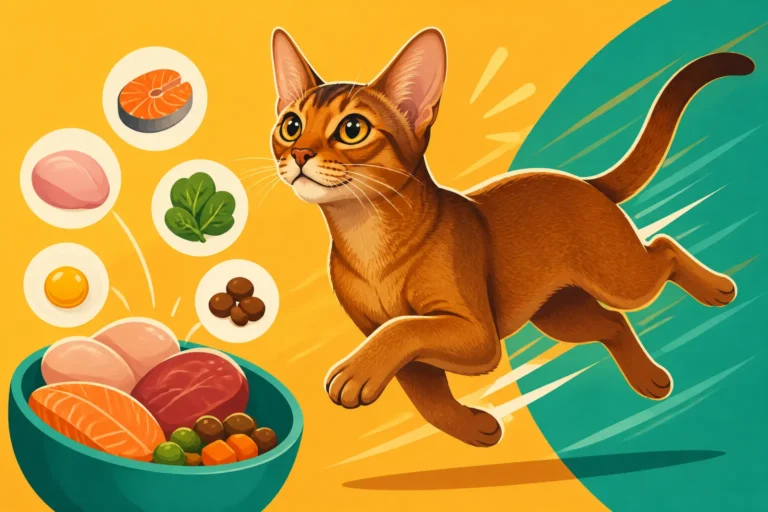
This might sound counter-intuitive when we just talked about reducing calories, but high-quality protein is absolutely vital for senior Abyssinians, even if they're less active. As cats age, they tend to lose muscle mass, a condition called sarcopenia. This isn't just about looking less buff; muscle loss impacts strength, mobility, and even metabolic rate. To combat this, senior cats actually need a higher percentage of highly digestible protein in their diet than younger adults. This protein helps maintain existing muscle mass and can even stimulate some muscle rebuilding, which is essential for supporting their joints and keeping them mobile.
The type of protein matters, too. High-quality animal-based proteins are the easiest for cats to digest and utilize. Think chicken, turkey, fish, or beef. Ensuring your senior Aby receives adequate protein can make a tangible difference in their overall strength and ability to navigate their world. It’s not about bulking up, but about preserving function and supporting a healthy body composition. Don't fall into the trap of severely reducing protein in an effort to manage calories; it could have detrimental effects on their muscle health. Your vet can recommend excellent senior diets formulated with this critical protein need in mind. For more on this, check out Why an Old Abyssinian Needs Its Protein Kept Up.
The Importance of Hydration for Senior Health
For any cat, good hydration is key, but for an older Abyssinian, it becomes absolutely critical, especially with the increased risk of kidney issues as they age. Abyssinians are unfortunately prone to kidney problems, including renal amyloidosis, which makes consistent and sufficient water intake a major priority. Dehydration can worsen existing kidney disease and put a strain on other organ systems.
This is why feeding a wet food diet becomes even more important in their senior years. Wet food has a much higher moisture content than dry kibble, helping to ensure they are getting a good portion of their daily water needs with every meal. If your Aby is primarily on dry food, consider transitioning them to wet or at least incorporating wet food into their daily routine. Beyond food, encourage drinking by providing multiple water sources, such as ceramic or stainless steel bowls placed in various locations around the house. Many Abyssinians are fascinated by running water, so a pet drinking fountain can be an excellent investment to entice them to drink more. Brands like Chewy and Amazon offer a wide selection of cat fountains and high-quality wet foods specifically formulated for senior cats, making it easier than ever to boost their hydration. Remember, even a small increase in water intake can make a big difference for their kidney health in the long run. The direct link between diet and kidney health is explained further in Why Wet Food Protects an Abyssinian's Kidneys.
Adapting the Home Environment for a Less Agile Abyssinian
Our homes, designed for human convenience, often present a subtle obstacle course for an aging cat. For an Abyssinian who used to effortlessly scale every surface, the frustration of being unable to reach their favorite high spots can lead to stress or even withdrawal. Proactive adjustments to their living space can make a world of difference in their comfort, safety, and overall happiness.
Making Climbing Safer and More Accessible
Just because your senior Abyssinian has stopped jumping doesn't mean they've lost their instinct to climb or perch high up. That desire for vertical territory, for observation posts, and for a sense of security from above is still very much alive. It's just that their bodies can no longer execute the gravity-defying maneuvers they once did. This is where we, as their caregivers, step in to bridge the gap between desire and physical capability. Instead of letting them struggle or give up on their favorite spots, we need to create alternative, safer routes.
Think about strategically placing sturdy steps, ramps, or even smaller, more manageable cat trees next to their beloved window perches, the top of the sofa, or your bed. These aren't just practical aids; they're confidence boosters. They allow your Aby to reach their cherished elevated spots without pain or the risk of a fall. The key is stability – make sure any steps or ramps are non-slip and firmly anchored so there's no wobbling. Soft carpeting or even anti-slip mats on intermediate surfaces can also prevent slips and provide a softer landing. This thoughtful modification to their environment ensures they can continue to engage with their surroundings in a way that satisfies their natural instincts, even as their physical abilities change. For more ideas on maintaining their vertical lifestyle, refer to How to Keep an Old Abyssinian Climbing Safely.
Why an Old Abyssinian Stops Using the Top Shelf
It’s often disheartening to see your Abyssinian, who once ruled the highest shelf like a king, now settle for the armchair. This isn't a sign they've suddenly decided to be less adventurous; it's almost certainly a direct consequence of physical limitations or the fear of pain. The joints ache, muscles are weaker, and their balance might not be as sharp as it once was. A misjudged jump can lead to a painful landing, and cats, being intelligent creatures, quickly learn to avoid situations that cause them discomfort or anxiety.
So, if your Aby consistently bypasses their favorite high spots, it's a strong indicator that the effort or risk involved has become too great. It's not a personal affront; it's their body telling them "no." Rather than forcing the issue, the best approach is to bring the comfort and appeal of those high places down to a more accessible level. Can you move a favorite bed to a lower shelf? Can you add a sturdy, comfortable platform at waist height where they can still overlook the room? Understanding that this behavior change is rooted in physical reality, not obstinance, allows us to provide truly empathetic care. You can gain more insight into this specific behavior by reading Why an Old Abyssinian Stops Using the Top Shelf.
Comfort and Warmth: Supporting Resting Places
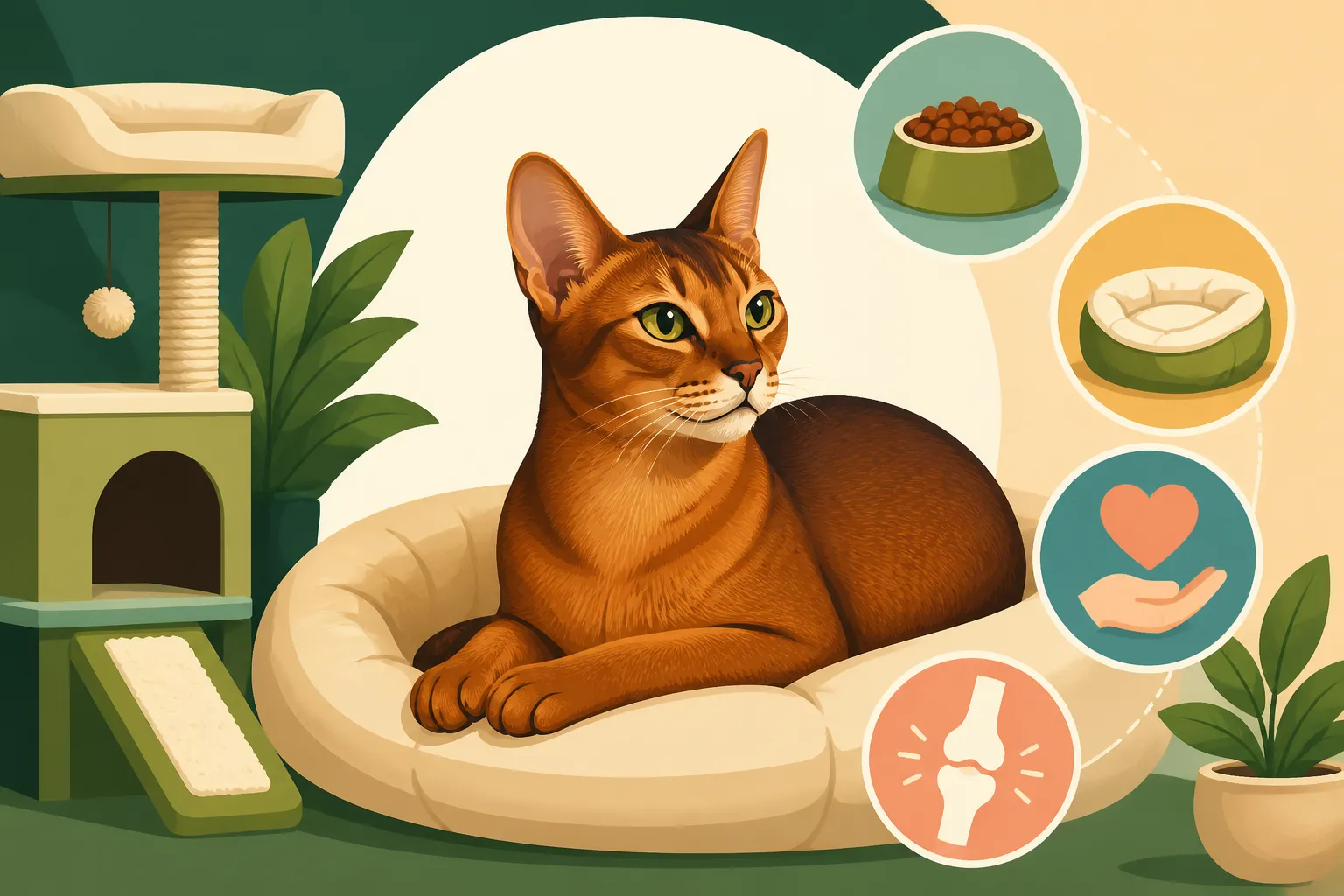
Older cats, especially those with thinning coats or arthritis, often have a harder time regulating their body temperature and can feel the cold more acutely. They also spend a greater portion of their day resting, so the quality of those resting spots becomes incredibly important. Just like humans, a comfortable bed can make a huge difference to an old Abyssinian's overall well-being. Look for orthopedic beds designed to cushion joints and provide support, alleviating pressure points that can be particularly painful for an arthritic cat.
Heated beds are another fantastic option, especially during colder months. The gentle warmth can do wonders for stiff, aching joints, increasing blood flow and providing immense comfort. Position these cozy havens in quiet, draft-free areas where your Aby feels secure and undisturbed. Consider having several options around the house at different heights and locations – one on a low shelf, one on the floor by a sunny window, and maybe one in a secluded corner. You can find a wide variety of orthopedic and heated pet beds on platforms like Amazon, making it easy to spoil your senior companion with maximum comfort. Ensuring they have soft, warm, and easily accessible resting places can significantly improve their daily comfort and general contentment.
Maintaining Mental Stimulation and Emotional Well-being
While physical limitations are a significant challenge for aging Abyssinians, their sharp minds and vibrant personalities remain. Neglecting their mental and emotional needs can lead to boredom, frustration, and even cognitive decline. Keeping their minds active and spirits high is just as important as tending to their physical ailments.
Which Games Suit an Old Abyssinian
The days of high-flying acrobatics might be largely behind them, but that doesn't mean your senior Abyssinian has lost their desire to play. The key is to adapt the games to their current physical capabilities. Instead of demanding soaring leaps, focus on activities that engage their hunting instincts and problem-solving skills without stressing their joints. Puzzle feeders are excellent for this; they encourage natural foraging behavior and require mental effort to retrieve treats or kibble. You can start with simpler ones and gradually introduce more complex designs.
Wand toys are still a hit, but instead of making the toy "fly," drag it along the floor, under rugs, or around furniture corners, mimicking prey that's just out of reach. This allows them to stalk and pounce without having to jump. A laser pointer can still provide engaging interaction, but be mindful to always end the session by directing the beam onto a physical toy or treat that they can "catch" to avoid frustration. Interactive toys that move on their own or dispense treats can also keep them entertained for short bursts. The goal is to keep their minds sharp and their hunting instincts satisfied in a gentle, low-impact way. For more specific ideas, refer to Which Games Suit an Old Abyssinian.
The Value of Routine and Predictability
For any cat, routine provides a sense of security and reduces stress, but for senior Abyssinians, predictability becomes even more paramount. As they age, their senses might dull slightly, their confidence in new situations can waver, and their ability to adapt to changes can decrease. A consistent daily schedule helps them feel safe, grounded, and in control of their environment. This means regular feeding times, consistent play sessions (even if shorter), and predictable interaction with their human family.
Sudden changes, such as moving furniture, bringing in new pets, or having houseguests, can be much more stressful for an older Aby than it would have been in their youth. If changes are unavoidable, introduce them gradually and ensure your cat still has access to their safe, familiar spaces. Maintain their usual routine as much as possible during transitional periods. Gentle, consistent affection and interaction, even if it's just quiet lap time (if they're a lap cat, which not all Abyssinians are!), reinforces their bond with you and reassures them that their world is stable and loving. A predictable environment fosters emotional well-being and can help prevent anxiety and behavioral issues that can sometimes emerge in senior cats.
When an Old Abyssinian Needs Help Reaching Its Back
An Abyssinian’s short, ticked coat typically requires minimal grooming, which is one of the joys of the breed. However, as they enter their golden years, you might notice their flexibility decreasing, making it harder for them to reach certain areas of their body. This often means their lower back, hips, and the base of their tail might start to look a little neglected. You might see dullness, some flaking, or even small mats forming in these previously pristine areas. This isn't a sign of laziness; it's a physical limitation.
This is where you can step in to provide a helping hand. Regular, gentle brushing sessions become less about aesthetics and more about comfort and hygiene. A soft rubber grooming mitt or a fine-toothed comb can help stimulate circulation, distribute natural oils, and remove loose hair and dander. Pay particular attention to those hard-to-reach spots. These grooming sessions also offer an excellent opportunity to check for any lumps, bumps, skin irritations, or signs of fleas that might otherwise go unnoticed. Most Abyssinians enjoy the attention, and it strengthens your bond while ensuring they remain clean and comfortable. For more on adapting your grooming routine for an older Aby, explore How an Old Abyssinian's Grooming Changes.
Proactive Health Monitoring for Aging Abyssinians
The lifespan of an Abyssinian is often The Twelve to Fifteen Years an Abyssinian Usually Gets, but with proactive care, many live well beyond that. As our beloved Abyssinians age, their health needs become more complex and require a more vigilant approach from us, in partnership with our veterinarians. Early detection and management of age-related conditions can significantly extend their healthy, happy years.
Why an Old Abyssinian's Ticking Fades
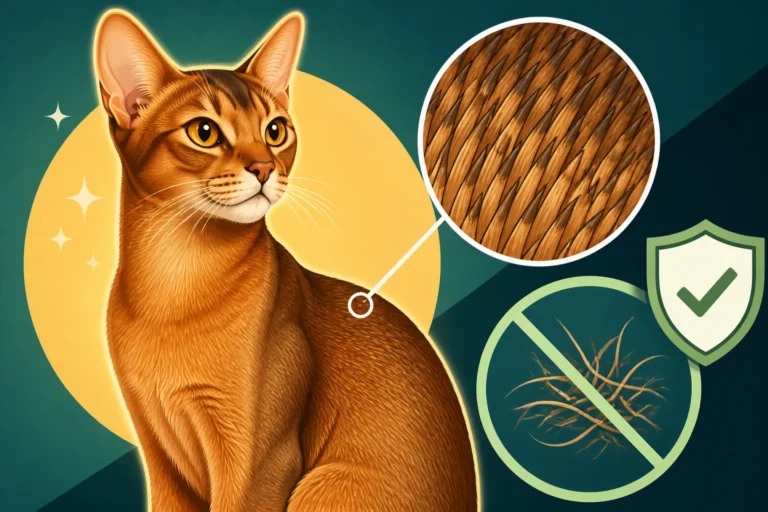
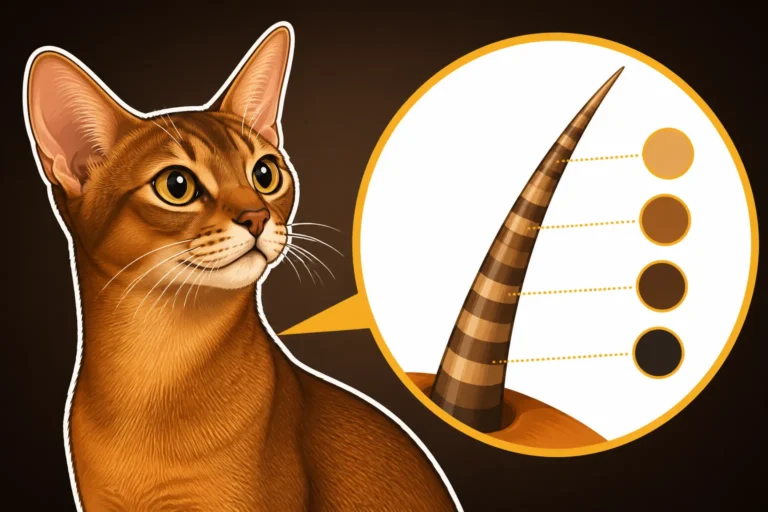
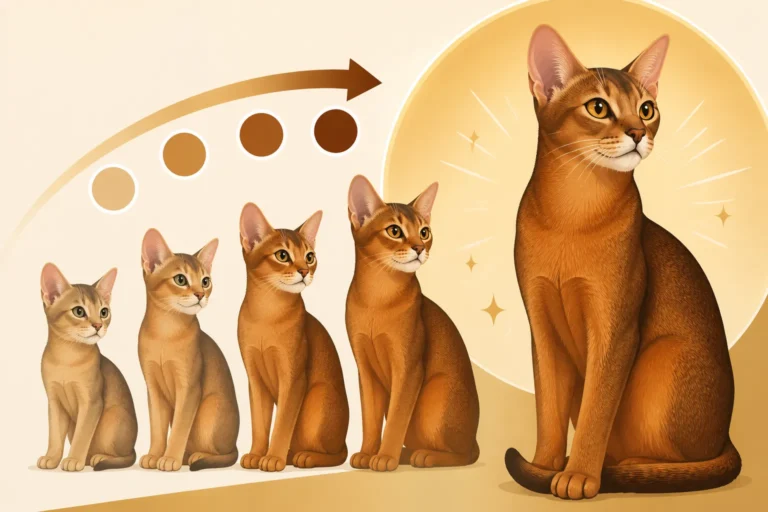
The defining feature of an Abyssinian is its stunning ticked coat, where each hair has bands of color. It's a hallmark of the breed's beauty. However, as your Abyssinian enters its senior years, you might notice that this vibrant ticking starts to appear duller, less distinct, or even somewhat faded. The crisp contrast between the bands might soften, making the overall coat look less rich than it did in their prime. This isn't necessarily a cause for alarm, but it's an observable change that can indicate a few things.
Sometimes, it's simply a natural part of the aging process, akin to humans getting grey hair. Metabolism slows, and the body's ability to produce pigment can diminish. However, it can also be a subtle indicator of other underlying health issues. Poor nutrition, particularly a diet lacking in essential fatty acids and high-quality protein, can affect coat quality. Hormonal imbalances, kidney disease, or other chronic illnesses can also manifest in a dull or faded coat. While not a diagnosis in itself, a fading coat is a good reason to bring it up with your vet during a routine check-up, alongside other changes you might observe. It prompts a closer look at their overall health. You can learn more about this phenomenon in Why an Old Abyssinian's Ticking Fades.
How an Old Abyssinian's Kidneys Are Monitored
Kidney disease is an unfortunate reality for many aging cats, and Abyssinians, with their genetic predisposition to conditions like renal amyloidosis, are particularly at risk. The insidious nature of kidney disease is that symptoms often don't become obvious until the disease is quite advanced, making proactive monitoring absolutely essential for senior Abyssinians. This means moving beyond just the annual physical exam.
Your veterinarian will likely recommend regular blood tests that include specific markers for kidney function, such as SDMA (Symmetric Dimethylarginine), creatinine, and BUN (Blood Urea Nitrogen). SDMA is particularly valuable as it can detect kidney dysfunction much earlier than creatinine, sometimes even before clinical signs appear. Urine tests are also crucial, looking for things like protein in the urine (which indicates kidney leakage) and checking urine specific gravity to assess their kidneys' ability to concentrate urine. Regular blood pressure checks are also important, as hypertension can be both a cause and a consequence of kidney disease. Catching these changes early through consistent monitoring allows for dietary adjustments, fluid therapy, and other interventions that can significantly slow the progression of the disease and improve your cat's quality of life. For an in-depth look at how kidney function is evaluated, see How an Old Abyssinian's Kidneys Are Monitored.
Why Hyperthyroidism Catches an Older Abyssinian
Hyperthyroidism is another common endocrine disorder that frequently affects middle-aged and senior cats, including Abyssinians. It occurs when the thyroid gland produces excessive amounts of thyroid hormones, essentially putting the cat's metabolism into overdrive. The symptoms can be quite varied and sometimes mimic other age-related conditions, making consistent veterinary check-ups vital for early diagnosis.
Classic signs of hyperthyroidism include unexplained weight loss despite an increased appetite (your Aby might seem ravenously hungry but still be shedding pounds), increased thirst and urination, and sometimes even a return to a more "kitten-like" hyperactivity, often accompanied by restlessness and vocalization. Some cats might also develop a dull, unkempt coat or exhibit vomiting and diarrhea. Because many of these symptoms can be attributed to other issues, or even masked by an Abyssinian's naturally high energy, a simple blood test measuring thyroid hormone levels (T4) is usually all that's needed for diagnosis. Fortunately, hyperthyroidism is a highly treatable condition, with options ranging from daily medication to radioactive iodine therapy or even surgery. Early intervention can prevent serious secondary complications like heart disease. To understand more about this condition, check out Why Hyperthyroidism Catches an Older Abyssinian.
It's clear that caring for an old Abyssinian who has stopped jumping is about more than just managing physical decline; it's about honoring their enduring spirit and adapting their world to meet their evolving needs. By recognizing the signs of aging, proactively managing their health with veterinary guidance, adjusting their diet, and modifying their environment, we can ensure their later years are filled with comfort, dignity, and continued joy. Our Abyssinian companions give us so much throughout their lives, and providing them with thoughtful, empathetic care in their golden years is the very least we can do to repay that boundless affection.
Senior Abyssinian Care At A Glance
| Area of Concern | Common Signs to Watch For | Recommended Actions |
|---|---|---|
| Mobility & Joints | Hesitation before jumping, stiffness, slower gait, reduced play intensity, difficulty grooming | Vet assessment for arthritis, pain relief, joint supplements, lower steps/ramps, orthopedic beds |
| Nutrition | Weight changes (loss or gain), decreased appetite, increased thirst | Adjust calorie intake, high-quality protein, senior-specific diet, increased wet food, multiple water sources |
| Environment | Avoiding high places, struggling with litter box access, seeking warmth | Create accessible climbing routes, lower litter box sides, heated beds, quiet resting spots |
| Mental Well-being | Reduced interest in play, increased vocalization, withdrawal, confusion | Adapted play (puzzle feeders, gentle wand toys), consistent routine, continued interaction |
| General Health | Dull coat, changes in thirst/urination, changes in appetite, unexplained weight loss, new lumps/bumps | Regular vet check-ups (every 6-12 months), annual bloodwork (SDMA, T4), dental care, gentle grooming assistance |
Disclaimer
This article is for general informational purposes only and does not constitute professional advice. Laws, prices and regulations vary by location and change over time. Consult a qualified professional for guidance on your specific situation.