How to Start Grooming an Abyssinian Kitten
Bringing home an Abyssinian kitten is an incredibly exciting time, but if you're like many new Aby parents, you might be wondering where to even begin with grooming. These energetic, playful little bundles are often too busy exploring to sit still for long, and their unique coat can make you question what 'grooming' even means for such a short-haired cat. This guide is all about setting you and your new Abyssinian kitten up for a lifetime of comfortable, stress-free grooming, starting with the very first gentle touch.
Understanding Your Abyssinian Kitten's Unique Coat
Before you even pick up a brush, it's really helpful to understand what makes an Abyssinian's coat so special. It's not just short hair; it's a marvel of feline genetics that requires a slightly different approach than your average domestic shorthair. Knowing this will save you a lot of time and potential frustration down the line.
The Ticked Coat: Less Fur, More Sparkle
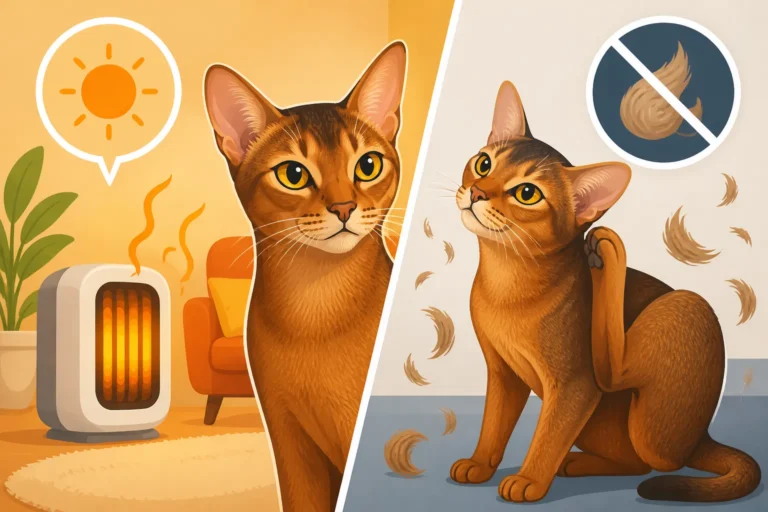
The most distinguishing feature of an Abyssinian's coat is its ticking. Unlike striped or solid cats, each individual hair on an Abyssinian has multiple bands of color, giving it a shimmering, iridescent quality as your kitten moves. This means Why Each Abyssinian Hair Carries Three or Four Bands. This unique ticking is what gives them that wild, untamed look, but it also means they have very little undercoat. This is fantastic news for shedding, as Why an Abyssinian's Single Ticked Coat Barely Sheds compared to many other breeds, but it also means their coat is quite fine and easily damaged by harsh brushes. You might notice your kitten's coat looks a little "blotchy" or uneven at first; that's totally normal as When an Abyssinian Kitten's Adult Ticking Arrives can take some time. The goal isn't to de-shed them like you would a fluffy Persian, but rather to enhance that natural shine and keep their skin healthy.
Why Early Handling is Key for Future Grooming
Abyssinian kittens are famous for their boundless energy and curious nature. They're often nicknamed "Aby-dos" because they're always doing something! This high-energy personality means they can be a challenge to introduce to grooming routines if you wait too long. Starting early, even before they truly need much grooming, is absolutely critical. Imagine trying to get a full-grown Aby, who thinks the world is their personal playground, to suddenly accept having their nails trimmed or their teeth brushed if they’ve never experienced it. It’s like trying to teach an old dog new tricks, but with more acrobatic resistance!
The aim is to make these interactions positive, short, and frequent from day one. You want your kitten to associate handling with comfort, treats, and praise, not stress or restraint. This foundational work will pay dividends for their entire The Twelve to Fifteen Years an Abyssinian Usually Gets lifespan. It’s not just about aesthetics; regular handling helps you spot potential health issues early, and it builds a deep bond of trust between you and your inquisitive little friend. Think of it as an investment in their long-term well-being and your peace of mind.
Essential Grooming Tools for Abyssinian Kittens
Alright, so you understand the coat and the importance of early starts. Now, what do you actually need in your grooming kit for this little dynamo? Less is often more with Abyssinians, but having the right tools for the job makes all the difference. Forget the giant slicker brushes and heavy-duty rakes; they'll do more harm than good to that delicate, ticked coat.
The Right Brush for That Fine Coat
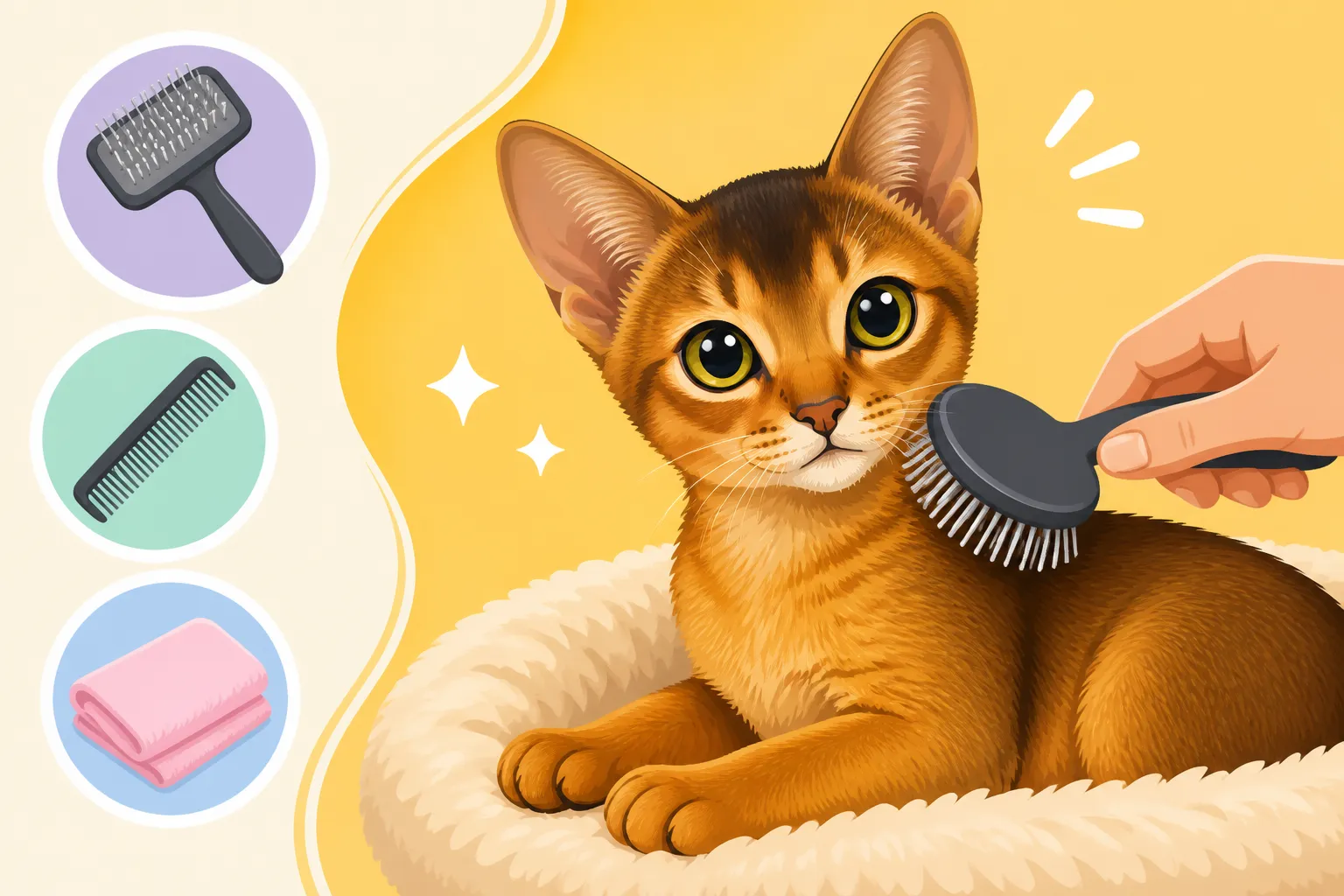
Given their minimal undercoat, Abyssinians don't need intense brushing. In fact, An Abyssinian Needs Brushing Once a Week and No More is usually sufficient. The key is to use a brush that won't strip their fine hair or irritate their sensitive skin. A rubber grooming mitt or a soft bristle brush is usually your best bet. These tools gently massage the skin, distribute natural oils, and remove any loose hairs without damaging the ticking or causing static. If you use the wrong brush, like a de-shedding tool or a wire slicker, you might find Why the Wrong Brush Flattens an Abyssinian's Ticking, ruining that beautiful shimmering effect.
When choosing a mitt, look for one that fits comfortably in your hand. Brands like those found on Amazon or Chewy often have a variety of options. The goal is a gentle stroking motion, making it feel more like a petting session than a chore. Your kitten should enjoy this, purring as you go, associating the brush with pleasant sensations and maybe even a tasty treat afterwards.
Nail Trimmers and Why They're Crucial
An Abyssinian kitten loves to climb, jump, and scale everything in sight. Those tiny claws are their tools for exploration, and they grow quickly. Keeping their nails trimmed is not just about protecting your furniture (though it certainly helps!), it's also about their health and comfort. Overgrown claws can get snagged, torn, or even grow into their paw pads, causing pain and infection. How to Trim a Climbing Abyssinian's Claws is a skill worth mastering early.
You'll need a good pair of cat-specific nail clippers. There are scissor-style and guillotine-style clippers; most people find scissor-style easier for small kittens. Again, look for these on Chewy or Amazon. Start by simply getting your kitten used to having their paws handled. Gently touch each toe, extend the nail, and release. Do this frequently, praising and treating, until they're completely relaxed. Once they're comfortable, you can introduce the clippers. Just snip the very tip, avoiding the pink quick, which contains blood vessels and nerves. If you accidentally cut the quick, it will bleed and hurt, setting back your progress. If you’re unsure, ask your vet or a groomer for a demonstration.
Dental Care: Starting Young for Lifelong Health
This is arguably the most important, and often overlooked, aspect of Abyssinian kitten grooming. Abyssinians are unfortunately predisposed to certain dental issues, including severe gingivitis and tooth resorption, which can lead to significant pain and tooth loss later in life. This is why Brushing an Abyssinian's Teeth Matters More Than Its Coat for their overall health. Seriously, it's that important!
Starting a dental hygiene routine when your Aby is a kitten is infinitely easier than trying to introduce it to an adult cat. You'll need a cat-specific toothbrush (a finger brush works well for kittens) and enzymatic cat toothpaste (never human toothpaste!). Brands like Virbac offer good options. How to Brush an Abyssinian's Teeth From Day One is all about patience and positive reinforcement. Begin by letting your kitten taste the toothpaste from your finger. Then, introduce the finger brush or soft brush, gently rubbing their gums and teeth for just a few seconds. Build up the duration slowly over weeks or months. Consistency is key here; aim for daily brushing if possible, or at least several times a week. This isn't just a recommendation; it's a vital preventative measure that could save your Aby from painful (and expensive) dental procedures down the line.
Gentle Techniques for Grooming Sessions
Now that you have your tools, let's talk about the how. The approach to grooming an Abyssinian kitten is far more about technique and positive association than it is about brute force or extended sessions. Remember, you're building a foundation for their entire life.
Making Brushing a Positive Experience
For brushing, think of it as an extension of petting. Your Abyssinian kitten is likely to be very affectionate and enjoy being touched, so leverage that natural inclination. Use your chosen soft rubber mitt or bristle brush. Start with short, gentle strokes, mimicking the way you would pet them. Focus on areas they already enjoy having touched, like their back or shoulders. Avoid their belly or legs initially if they're squirmy.
During the session, talk to your kitten in a soothing voice, offer praise, and keep a few favorite treats handy. Each session should be brief – just a minute or two initially – and always end on a positive note, even if you only managed a few strokes. You want them to think, "Oh, brushing time! This is nice, and I get yummy treats!" not, "Ugh, here comes the scary brush again." Over time, as they grow more comfortable, you can gradually increase the duration. How to Groom an Abyssinian That Will Not Stay Still often involves turning it into a game or incorporating it into cuddle time.
Tackling Those Tiny Claws with Confidence
Nail trims can be intimidating for both you and your kitten, but with the right approach, it doesn't have to be a wrestling match. As mentioned, start with paw handling. Once they are okay with their paws being touched, gently press a toe pad to extend a nail. Hold it up to a light source if you're unsure where the quick is – it will appear as a pinkish area within the nail. You want to clip only the clear, very tip of the nail.
A good trick is to wrap your kitten loosely in a towel, often called a "purrito," to keep them from wiggling too much, especially when they're very young. This also protects you from accidental scratches. Work quickly, clipping just one or two nails at a time if that’s all your kitten tolerates. Immediately follow with a treat and praise. Repeat this process regularly, even every few days, to keep the nails short and to solidify the positive association. Never scold or punish them if they resist; simply end the session and try again later. Consistency, gentleness, and treats are your secret weapons here.
Introducing Tooth Brushing: A Step-by-Step Approach
This is often the hardest part of the grooming routine, but it's incredibly vital for an Abyssinian. How to Brush an Abyssinian's Teeth From Day One involves a slow, patient progression.
- Introduce the Toothpaste: Let your kitten lick a pea-sized amount of cat-specific enzymatic toothpaste from your finger. Do this daily for a few days, making it a tasty treat.
- Introduce the Tool: Once they love the taste, put a tiny dab of toothpaste on a finger brush or a soft, small cat toothbrush (consider options like Which Toothbrush Suits an Abyssinian). Gently rub the brush over their canine teeth (the long ones) and along the gumline for just a few seconds.
- Increase Duration and Coverage: Over days or weeks, gradually extend the brushing time and reach more teeth. Focus on the outside surfaces of the teeth and the gum line, as this is where plaque tends to accumulate.
- Consistency is Key: Aim for daily brushing. If daily is too much, every other day is a good target. Remember, some brushing is always better than no brushing at all.
This will be a long-term project, so don’t get discouraged if your kitten isn’t a perfect patient right away. Patience and positive reinforcement are your allies.
Beyond Brushing: Ears, Eyes, and Baths
While the coat, nails, and teeth are the big three, there are a couple of other areas that need occasional attention in your Abyssinian kitten's grooming routine. These are generally less frequent tasks but are still important for their overall health and cleanliness.
Keeping Those Big Abyssinian Ears Clean
Abyssinians have relatively large, open ears, which are part of their distinctive look. Generally, Why an Abyssinian's Ears Need Checking Weekly is a good idea. Most of the time, they'll be remarkably clean on their own. However, it's wise to get into the habit of gently checking them for any signs of redness, unusual odor, or excessive wax buildup.
If you do notice a bit of grime, you can gently wipe the visible outer ear with a soft cotton ball or gauze dampened with a vet-approved ear cleaner. Never use cotton swabs inside the ear canal, as you could push debris deeper or damage delicate structures. If you see signs of infection – such as dark, crusty discharge, a strong smell, or if your kitten is scratching their ears or shaking their head – it’s always best to consult your veterinarian. They can properly diagnose and treat any underlying issues.
Eye Care: Simple and Swift
Abyssinian eyes are typically large, almond-shaped, and expressive, often rimmed with a dark line that gives them an almost kohl-eyed appearance. Thankfully, Why an Abyssinian's Dark Rimmed Eyes Need Little Cleaning in most cases. You might occasionally notice a tiny bit of clear or brownish discharge in the corner of their eyes, especially after they wake up. This is usually normal and can be gently wiped away with a soft, damp cloth or a dedicated pet eye wipe.
However, if you observe excessive tearing, redness, swelling, yellow or green discharge, or if your kitten seems to be squinting or pawing at their eyes, these are red flags. Don't hesitate to contact your vet, as these could be signs of an infection, allergy, or other eye condition that requires professional attention.
When (and How) to Bathe an Abyssinian Kitten
Good news for most Aby owners: baths are usually not a regular part of Abyssinian grooming! When an Abyssinian Actually Needs Washing is quite rare. Their short, single coat is incredibly efficient at self-cleaning, and they are meticulous groomers themselves. Excessive bathing can strip their skin of natural oils, leading to dryness and irritation.
However, there might be rare occasions when a bath is necessary, such as if your kitten rolls in something particularly messy or gets fleas. If you do need to bathe them, use a cat-specific shampoo (never human shampoo) and lukewarm water. Make the experience as calm and quick as possible. Have everything ready beforehand: shampoo, towels, and perhaps even a non-slip mat in the tub. Gently wet their coat, apply a small amount of shampoo, lather carefully, and rinse thoroughly. Be extra careful to avoid getting water or shampoo in their ears or eyes. Wrap them warmly in a towel afterward and allow them to air dry in a warm, draft-free room. They'll likely finish the drying process with vigorous self-grooming!
Table: Abyssinian Kitten Grooming Checklist
To help you keep track of your new Abyssinian kitten's grooming needs, here's a quick checklist of the essentials and their recommended frequency. Remember, consistency and positive reinforcement are your best tools!
| Grooming Task | Recommended Frequency | Essential Tools | Notes for Abyssinians |
|---|---|---|---|
| Brushing | 1-2 times per week | Soft bristle brush or rubber mitt | Focus on gentle strokes, distribute oils, enhance shine. Avoid harsh brushes. |
| Nail Trimming | Every 2-4 weeks | Cat-specific nail clippers | Crucial for active climbers. Introduce paw handling early. Clip tips only, avoid the quick. |
| Teeth Brushing | Daily (or 3-4x/week) | Finger brush/soft cat toothbrush, enzymatic cat toothpaste | MOST important. Start early, build positive associations. Prevents serious dental issues. |
| Ear Checks | Weekly | Soft cotton balls/gauze, vet-approved ear cleaner | Look for redness, odor, excessive wax. Clean outer ear only if needed. |
| Eye Wiping | As needed | Soft, damp cloth or pet eye wipes | Gently wipe away minor discharge. Seek vet attention for persistent issues. |
| Bathing | Rarely (only if soiled) | Cat-specific shampoo, lukewarm water, towels | Only bathe if truly necessary. Their short coat is mostly self-cleaning. |
Getting a new Abyssinian kitten is an adventure, and integrating these grooming habits from day one will make that journey smoother and happier for both of you. You're not just grooming a cat; you're nurturing a bond and ensuring a healthy, comfortable life for your energetic companion.
Disclaimer
This article is for general informational purposes only and does not constitute professional advice. Laws, prices and regulations vary by location and change over time. Consult a qualified professional for guidance on your specific situation.