Which Toothpaste Is Safe for an Abyssinian
Finding the right toothpaste for your energetic Abyssinian can feel like navigating a minefield, especially when you're just trying to keep their pearly whites in tip-top shape and avoid costly dental procedures down the line. It's a common worry for many cat parents, seeing all the human toothpastes on the market and wondering which, if any, could possibly be safe for their beloved feline. This guide is here to cut through the confusion and help you understand exactly what makes a toothpaste safe and effective for your Abyssinian.
Why Human Toothpaste Is a Big No-No for Your Abyssinian
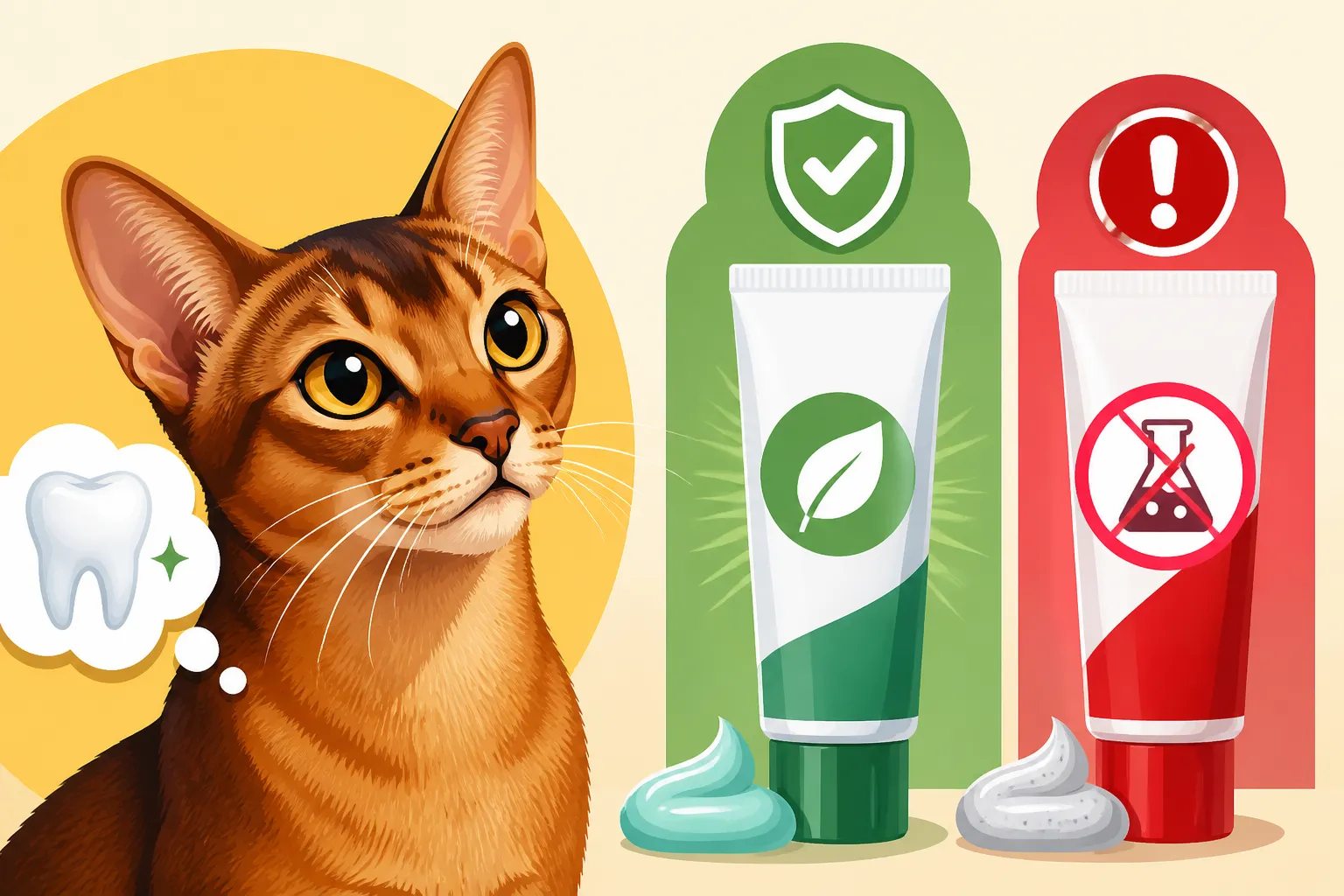
It's tempting, isn't it? You brush your teeth twice a day, and it seems like such a natural extension to just use a tiny dab of your own toothpaste for your cat. But please, resist that urge! This is one of the most critical things to understand about feline dental care. Human toothpaste is absolutely, unequivocally, not safe for your Abyssinian, or any cat for that matter. There are some very serious reasons why, and understanding them will help you make smarter choices for your cat's health.
The Dangers of Fluoride and Xylitol
Let's talk about fluoride first. It's a wonderful ingredient for strengthening human tooth enamel and preventing cavities, but for cats, it's a different story. Cats don't spit after brushing; they swallow. Ingesting fluoride can lead to gastrointestinal upset, like vomiting and diarrhea, even in small amounts. Over time, chronic ingestion can lead to more severe problems, including fluoride toxicity, which can damage their bones and internal organs. Your Abyssinian's body simply isn't equipped to process it safely.
Then there's xylitol, another common ingredient in many human toothpastes, especially those marketed as "natural" or "sugar-free." While deadly for dogs, it's generally considered less toxic to cats, but it's still best avoided entirely. We don't have enough comprehensive data on its long-term effects on feline health to deem it truly safe. Why take the risk when there are perfectly safe alternatives? It's like serving them a mystery meal – you just wouldn't do it.
Detergents, Foaming Agents, and Essential Oils
Beyond fluoride and xylitol, human toothpastes often contain detergents, like sodium lauryl sulfate, which create that satisfying foam we humans love. For a cat, swallowing these can cause significant digestive upset, leading to discomfort and potentially more serious issues if ingested regularly. Imagine having a bellyache after every brush; your Abyssinian certainly wouldn't be a willing participant!
Many human toothpastes also feature strong flavoring agents, sometimes even essential oils like peppermint or tea tree oil, for fresh breath. These can be highly irritating or even toxic to cats. Their systems are much more sensitive, and what's refreshing for us can be harmful to them. Your Abyssinian's keen sense of smell and taste means these ingredients will not only taste awful to them, making brushing a battle, but could also pose a health risk. It's truly a case where what's good for us is decidedly not good for our feline friends.
What to Look For in Cat-Specific Toothpaste
So, if human toothpaste is out, what should you be looking for? The good news is that there are many excellent, safe, and effective toothpastes specifically formulated for cats. The key is knowing how to identify them and understanding the ingredients that truly make a difference for feline oral health. Remember, consistency is king when it comes to dental care, and using a toothpaste your Abyssinian tolerates well is half the battle. You can find many great options on pet-focused retailers like Chewy or Amazon.
Enzyme-Based Formulations
When you're perusing the dental aisle (or clicking through online options), look for toothpastes that are enzyme-based. These are often considered the gold standard for cat dental care because they work to break down plaque and tartar even without rigorous scrubbing. The most common enzymes you'll see are glucose oxidase and lactoperoxidase, which work together to create an antibacterial environment in your cat's mouth. This helps to reduce harmful bacteria that contribute to plaque formation and bad breath.
Think of it as giving your cat's natural oral defenses a super boost. These enzymes don't just sit there; they actively combat the nasties lurking on your Abyssinian's teeth and gums. This is especially helpful for breeds like Abyssinians who can be prone to Why Abyssinian Gum Trouble Starts at Six Months and other dental issues. These formulations are also typically non-foaming and designed to be swallowed safely, which is perfect since, as we've discussed, cats don't rinse and spit.
Palatable Flavors and Textures
Let's be realistic: if your Abyssinian hates the taste, getting them to tolerate brushing will be an uphill battle, if not an impossible one. Cat-specific toothpastes come in flavors designed to appeal to felines. Common options include poultry, seafood, malt, or even unflavored varieties. My own Abyssinian, Jasper, is a total sucker for the chicken-flavored ones, and it makes all the difference in our daily routine. It turns what could be a wrestling match into a slightly less dramatic interaction.
The texture is also important. Cat toothpastes are typically smooth, non-abrasive gels or pastes. They aren't gritty like some human toothpastes, which could be uncomfortable or even irritating for a cat's sensitive gums. The goal is to make the experience as pleasant as possible, so your Abyssinian associates toothbrushing with a positive (or at least tolerable) taste, rather than a punishment.
The VOHC Seal of Acceptance
This is a big one. When in doubt, look for the Veterinary Oral Health Council (VOHC) seal of acceptance on the product packaging. The VOHC is an organization that reviews veterinary dental products for their efficacy and safety. Products that carry the VOHC seal have met specific standards for reducing plaque and/or tartar. It's an independent stamp of approval that gives you confidence that the product actually does what it claims.
Seeing that seal means that the toothpaste has undergone rigorous testing and scientific evaluation. It's like having a trusted expert tell you, "Yes, this really works." While a product without the VOHC seal isn't necessarily bad, one with the seal offers an extra layer of assurance that you're investing in something proven to benefit your Abyssinian's oral health. This is particularly important for managing Why Abyssinian Dental Work Is the Biggest Line in the Budget over their lifetime.
Here's a quick comparison of what to look for and what to avoid:
| Feature | Safe for Abyssinians (Look For) | Unsafe for Abyssinians (Avoid) |
|---|---|---|
| Ingredients | Enzymes (glucose oxidase, lactoperoxidase) | Fluoride, Xylitol |
| Mild abrasives (silica) | Harsh detergents (sodium lauryl sulfate) | |
| Cat-friendly preservatives | Essential oils (peppermint, tea tree) | |
| Flavor | Poultry, seafood, malt, unflavored | Mint, cinnamon, artificial fruit |
| Foaming | Non-foaming | Foaming |
| Safety | Designed to be swallowed safely | Designed to be spit out |
| Certification | VOHC Seal of Acceptance | No specific pet dental certification |
How to Introduce Toothpaste to Your Abyssinian
Even with the safest, tastiest toothpaste, actually getting it into your Abyssinian's mouth can be a challenge. Abyssinians are intelligent and active cats, but they're not always keen on new experiences, especially when it involves someone poking around in their mouth! The key is a slow, patient approach, making it a positive experience right from the start. This process can take days or even weeks, so don't rush it. How to Brush an Abyssinian's Teeth From Day One really highlights the importance of this early training.
Step 1: Acclimatization to the Toothpaste
Start by simply letting your Abyssinian sniff the tube of toothpaste. Let them get used to the scent. Then, put a tiny dab of the toothpaste on your finger and offer it to them to lick. Don't force it. The goal here is purely to associate the toothpaste with a tasty treat. Do this once or twice a day for a few days. If they're hesitant, you can try dabbing it on their paw for them to groom off, or even mixing a tiny bit into their wet food (though be mindful of masking the intended flavor).
Once they're happy to lick it off your finger, you can try gently rubbing a tiny bit onto their canine teeth or outer gums. Just a quick touch, then praise and maybe another small treat. The whole idea is to build trust and positive reinforcement. Remember, Why an Abyssinian Learns Faster When It Is Hungry can sometimes be an advantage here, making them more motivated for a tasty reward.
Step 2: Introducing the Finger Brush or Toothbrush
After your Abyssinian is completely comfortable with the toothpaste itself, it's time to introduce the cleaning tool. You might start with a finger brush, which is a soft rubber thimble that fits over your finger. It's less intrusive than a full toothbrush. Apply a small amount of toothpaste to the finger brush.
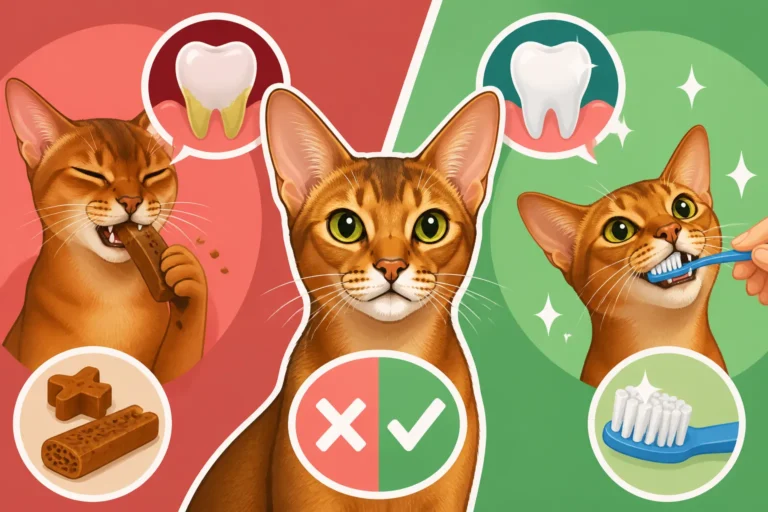
Gently lift their lip and try to rub the finger brush along the outside of their teeth and gums for just a few seconds. Focus on the canine teeth and the large molars in the back, as these tend to accumulate the most plaque. Again, keep it brief, praise profusely, and offer a reward. Build up the duration gradually. If they resist, stop, and try again later or the next day. This isn't a race; it's about creating a routine your cat accepts. Consistency and patience are far more effective than force.
Step 3: Establishing a Routine
The ideal frequency for brushing your Abyssinian's teeth is daily, but if you can manage it every other day, that's still a huge win. How Often an Abyssinian Needs Its Teeth Cleaned emphasizes that even infrequent brushing is better than none. Choose a time of day when your cat is relaxed, perhaps after a play session when they're a bit tired, or just before a meal. A quiet environment free from distractions is best.
Make it a calm, consistent routine. Use the same words, the same positive tone. Start small, just 30 seconds to a minute, focusing on the outer surfaces of the teeth. Over time, as your Abyssinian becomes more tolerant, you can gradually increase the duration and try to reach more areas of their mouth. Remember to replace their toothbrush every 3-6 months, just like you would your own, or sooner if the bristles become frayed.
Beyond Toothpaste: Other Important Dental Care Considerations
While brushing with a cat-safe toothpaste is the cornerstone of at-home dental care, it's important to remember it's part of a larger picture. Your Abyssinian's oral health involves more than just daily brushing, and understanding these other elements will give you a comprehensive approach to keeping their mouth healthy. This is especially crucial for preventing conditions like How Juvenile Gingivitis Starts in an Abyssinian Kitten.
Veterinary Dental Check-ups and Professional Cleanings
Even with the most diligent at-home brushing routine, professional veterinary dental check-ups and cleanings are absolutely essential. Your veterinarian can assess your Abyssinian's overall oral health, identify any developing issues that you might miss, and perform a thorough cleaning under anesthesia. These cleanings allow them to remove plaque and tartar from below the gum line, polish the teeth, and check for painful conditions like tooth resorption, which is common in cats.
Think of it this way: you brush your teeth every day, but you still go to the dentist for professional cleanings and check-ups, right? The same principle applies to your Abyssinian. Many vets recommend yearly dental check-ups, and depending on your cat's individual needs and genetics, professional cleanings might be advised every one to three years. These regular visits are crucial for managing What an Abyssinian's Annual Checkup Costs and can save you a lot of heartache and expense down the road by catching problems early.
Dental Wipes, Gels, and Water Additives
For Abyssinians who absolutely refuse to tolerate a toothbrush, or as an adjunct to brushing, there are other products available. Dental wipes are infused with agents that help clean the teeth and reduce bacteria. You simply wrap them around your finger and rub them on the tooth surfaces. Dental gels can be applied directly to the gums and often contain enzymes or antibacterial ingredients that work even without brushing.
Water additives are another option. These are typically flavorless solutions you add to your cat's drinking water that help reduce bacteria and freshen breath. While these can be helpful, it's important to understand their limitations. They don't provide the mechanical abrasion that brushing does to remove plaque. Therefore, they are best used as part of a multi-faceted approach or as a last resort if brushing is truly impossible. Always look for VOHC-approved versions of these products to ensure their efficacy.
Diet and Dental Health
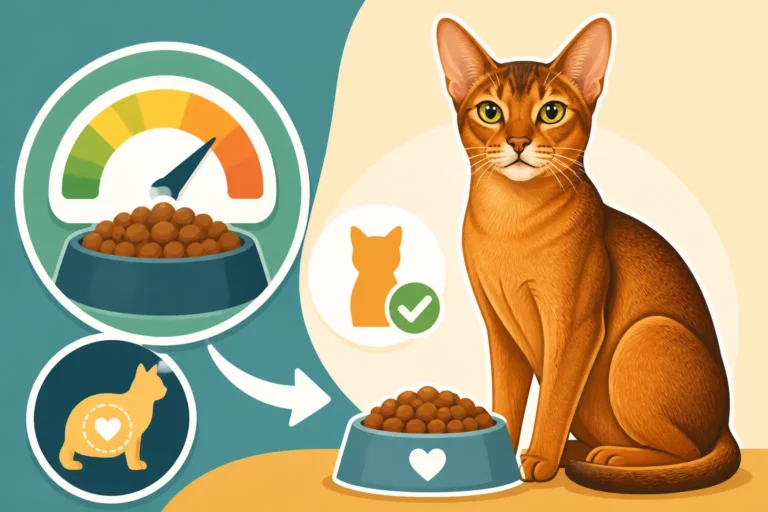
While no dry kibble can truly "clean" teeth as effectively as brushing, the type of food your Abyssinian eats can play a supporting role in their dental health. Some prescription dental diets are specifically designed with larger kibble sizes or unique fiber structures that encourage chewing and provide a mild abrasive action to help scrub plaque from the tooth surfaces. These diets often carry the VOHC seal for plaque and/or tartar control.
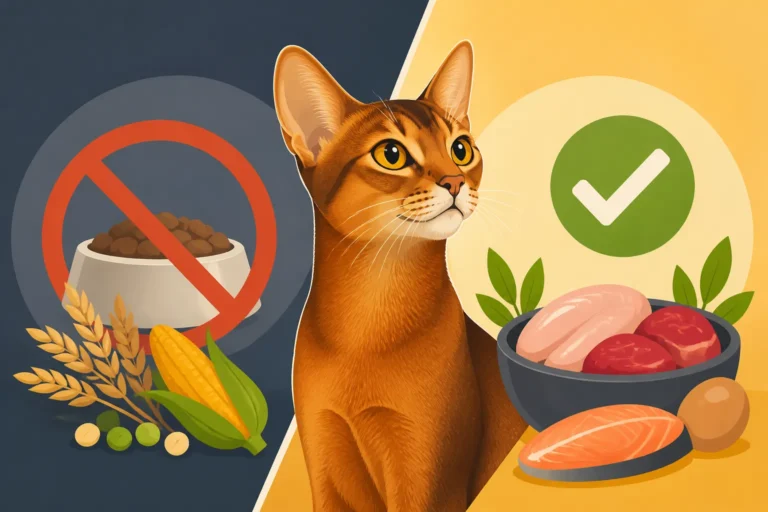
However, a normal dry kibble generally offers minimal dental benefits. The idea that dry food is inherently better for teeth than wet food is largely a myth; many kibbles shatter upon impact, offering little scrubbing action. Which Protein Percentage an Abyssinian Needs for overall health is a more critical dietary consideration, with dental benefits being a secondary factor. Discussing dental diets with your vet might be worthwhile if your Abyssinian has persistent dental issues or if brushing isn't feasible. Ultimately, a balanced diet is vital for your cat's overall health, including strong teeth and gums.
Disclaimer
This article is for general informational purposes only and does not constitute professional advice. Laws, prices and regulations vary by location and change over time. Consult a qualified professional for guidance on your specific situation.