The Twelve to Fifteen Years an Abyssinian Usually Gets
It's heartbreaking to consider that our beloved Abyssinian companions won't be with us forever. When you bring one of these energetic, intelligent, and deeply affectionate cats into your life, one of the most natural questions you'll have is, "How long will I have with them?" The thought of their departure can be anxiety-inducing, but understanding their typical lifespan and, more importantly, what you can do to influence it, provides empowerment and peace of mind. This comprehensive guide will delve deep into the average lifespan of an Abyssinian, uncovering the genetic predispositions, environmental factors, nutritional needs, and the proactive care that can help your Aby live a long, vibrant life, hopefully well beyond the typical range.
Understanding the Typical Abyssinian Lifespan
When we talk about an Abyssinian's lifespan, we're really looking at an average, a general guideline based on many cats over many years. But every Abyssinian is an individual, and their journey is unique. Knowing what contributes to these averages, and what can push them higher, is key to being the best guardian you can be.
What "Average Lifespan" Really Means
For an Abyssinian, the commonly cited average lifespan hovers between 12 and 15 years. This range is often considered excellent for a purebred cat, especially when compared to some other breeds that may have more inherent health challenges. It means that a significant portion of Abyssinians, given good care and a bit of luck with genetics, will live comfortably within these years. However, it's crucial to understand that this is a statistical midpoint; many Abyssinians, especially those from well-vetted lines and receiving exceptional care, happily celebrate their sweet sixteenth, seventeenth, or even eighteenth birthdays. Conversely, some may face unforeseen health hurdles that shorten their time with us.
The age range isn't a hard limit. It reflects the statistical probability. A domestic shorthair, for comparison, might have a similar average, but pedigree breeds often come with a more predictable health profile due to generations of selective breeding. With Abyssinians, that selection has largely been for vitality, intelligence, and their distinct appearance, leading to a generally robust cat. This average gives us a benchmark, but our goal as owners is always to push that upper limit, striving for every healthy year possible.
The joy of these cats, their constant engagement and playful nature, often makes their years fly by. Knowing this average upfront helps you prepare for the commitment and cherish every moment. It underscores the importance of the choices you make for their care, from the food in their bowl to the type of veterinary attention they receive throughout their lives. It’s a marathon, not a sprint, and every day counts.
Factors Contributing to a Longer Life
So, what are the secrets to helping your Abyssinian defy the "average" and live a gloriously long life? It boils down to a combination of responsible breeding, meticulous daily care, and attentive veterinary support. First and foremost, genetics play a monumental role. A kitten born from parents who have been extensively health tested and come from lines known for longevity starts with a significant advantage. This minimizes the risk of inherited diseases that can drastically cut a cat's life short. A responsible breeder will be transparent about their cats' health history and any genetic screenings performed.
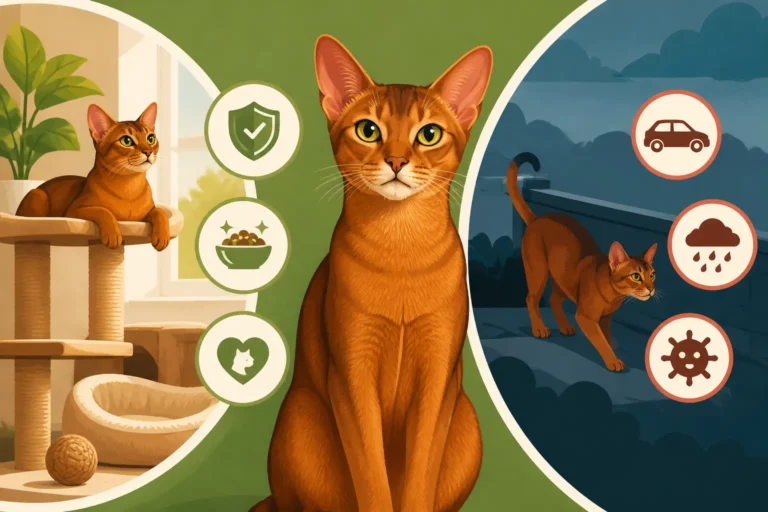
Beyond genetics, a high-quality diet tailored to their active metabolism provides the essential building blocks for health. Regular, enriching exercise keeps their bodies strong and their minds sharp, preventing obesity and boredom-related stress. Perhaps one of the most significant factors is a safe, stimulating indoor environment. Keeping an Abyssinian indoors protects them from countless dangers: traffic, predators, parasites, and contagious diseases that are rampant outdoors. This single choice can add years to their life, which is why Why an Indoor Abyssinian Reaches Fifteen More Often is such a critical consideration for any Aby owner.
Finally, consistent preventative veterinary care, including regular check-ups, vaccinations, and early detection screenings, is non-negotiable. Catching potential issues before they become crises can make all the difference. This holistic approach, combining good genes, excellent nutrition, a safe environment, and proactive medical care, creates the optimal conditions for your Abyssinian to thrive for many years.
Why Some Abyssinians Live Shorter Lives
While many Abyssinians enjoy a long and full life, unfortunately, some may experience a shorter journey due to a variety of factors. The most impactful reasons often stem from inherited health conditions that manifest early or progress aggressively. Diseases like Renal Amyloidosis, a devastating kidney condition that has no genetic test, can strike young Abyssinians, sometimes even before their second birthday, leading to rapid kidney failure. This is why understanding What Kidney Failure Looks Like in a Young Abyssinian is so important for early intervention, though outcomes can still be challenging.
Another significant contributor to a shortened lifespan can be the lack of proper preventative care or late diagnosis of treatable conditions. If an Abyssinian isn't receiving annual veterinary check-ups, routine dental care, or if their diet is subpar, subtle health problems can escalate unchecked. For instance, dental disease, which Abyssinians are prone to, can lead to systemic infections affecting vital organs if left untreated. Accidents, though less common for indoor-only Abyssinians, can also be a factor. While a well-cared-for Abyssinian is typically an indoor cat, an escape can lead to encounters with vehicles, other animals, or toxic substances.
Ultimately, a shorter lifespan often results from a perfect storm of predisposing genetics, environmental hazards, or a failure in consistent, high-quality care. This isn't to say owners are always at fault; sometimes, despite everyone's best efforts, a cat inherits a cruel hand from genetics, or an unpredictable event occurs. The key is to minimize these risks through responsible ownership, giving your Abyssinian the best possible chance at a long, healthy life.
Genetic Health: The Pillars of Abyssinian Longevity
Understanding the specific genetic conditions that can affect Abyssinians is not about fear-mongering, but about empowerment. Knowledge allows you to make informed decisions when choosing a kitten and provides crucial awareness for preventative care throughout your cat's life. Responsible breeders are the first line of defense against many of these issues. Indeed, The Abyssinian Has Three DNA Tests and One Disease With None, highlighting the need for vigilance.
Pyruvate Kinase Deficiency (PKD)
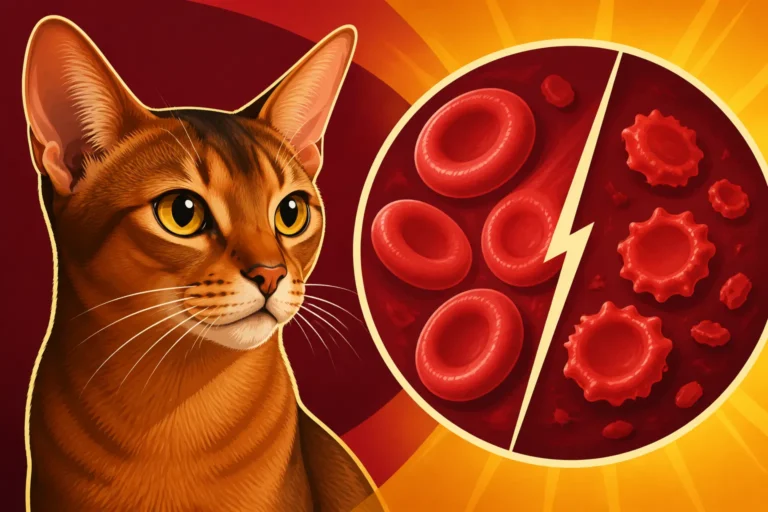
Pyruvate Kinase Deficiency, often referred to as PKD (not to be confused with Polycystic Kidney Disease in other breeds), is one of the most well-known inherited disorders in Abyssinians. It's an autosomal recessive genetic disease that affects red blood cells. In simple terms, the red blood cells of an affected cat are missing a crucial enzyme, pyruvate kinase, which is necessary for their energy metabolism. Without this enzyme, the red blood cells become fragile, break down prematurely, and are unable to deliver oxygen efficiently throughout the body. This leads to chronic, often intermittent, anemia.
The symptoms of PKD can vary widely, from mild and barely noticeable to severe and life-threatening. Affected cats might exhibit lethargy, pale gums, weight loss, an enlarged spleen, or jaundice (yellowing of the skin or eyes). The intermittent nature of the anemia means a cat might have good days and bad days, making diagnosis tricky without specific testing. Luckily, there's a reliable DNA test for PKD, making it entirely preventable through responsible breeding. A breeder should always test their cats for PKD, and you should always ask to see the results. As discussed in Pyruvate Kinase Deficiency Is the Abyssinian's Best Known Test, this test is a fundamental tool for protecting the breed.
Understanding the difference between an affected cat and a carrier is vital. An affected cat has two copies of the defective gene and will develop the disease. A carrier, however, has only one copy of the defective gene and will not show symptoms themselves, but can pass the gene to their offspring. This is explained further in How a Carrier Abyssinian Differs From an Affected One. Breeding two carriers together is a recipe for disaster, as each kitten has a 25% chance of being affected. By testing breeding stock and avoiding such pairings, responsible breeders can ensure no affected kittens are born, thereby safeguarding the health of future generations.
Progressive Retinal Atrophy (PRA-rdAc)
Progressive Retinal Atrophy, specifically the rdAc form, is another serious genetic condition that can affect Abyssinians. This disease causes the gradual degeneration of the retina, the light-sensitive tissue at the back of the eye, eventually leading to blindness. It's a cruel condition because it typically begins subtly, often affecting night vision first, and progresses slowly, sometimes taking years for full blindness to occur. This slow progression can make early detection by an owner challenging, as cats are remarkably adaptable and compensate for vision loss.
The initial signs can be incredibly subtle. You might notice your Abyssinian hesitating in dimly lit rooms, bumping into furniture in the dark, or becoming more cautious about jumping. As the disease advances, their pupils may appear more dilated, especially in bright light, as their eyes try to gather more light to compensate for the failing retina. For a deeper dive into how this affects their vision and behavior, you can read PRA-rdAc Takes an Abyssinian's Sight by Five and What an Abyssinian Does First as Its Sight Goes. Unfortunately, there is no cure or treatment to halt the progression of PRA-rdAc.
Just like PKD, PRA-rdAc is an autosomal recessive inherited condition, meaning a cat must inherit two copies of the mutated gene to be affected. Fortunately, a DNA test is readily available, allowing breeders to screen their cats and avoid breeding affected or carrier cats together. This testing is paramount for eliminating the disease from breeding lines and protecting the eyesight of countless Abyssinians. Always insist on seeing proof of PRA-rdAc clearance for both parents when acquiring an Abyssinian kitten, as this simple step ensures a future with clear vision for your beloved companion.
Renal Amyloidosis – The Unseen Threat
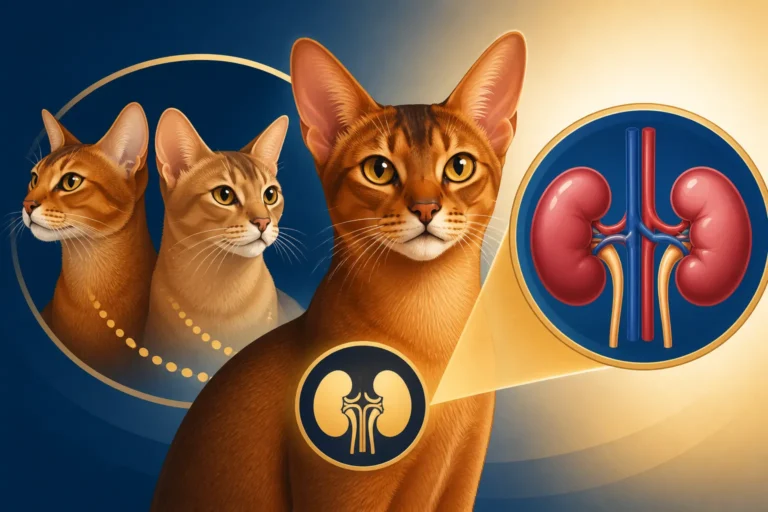
Renal Amyloidosis is arguably one of the most heartbreaking and challenging health concerns in the Abyssinian breed because, unlike PKD and PRA-rdAc, there is currently no specific genetic test to identify affected cats or carriers. This insidious disease involves the abnormal deposition of a protein called amyloid in the kidneys, leading to severe inflammation, damage, and ultimately, kidney failure. The amyloid acts like a sticky, insoluble substance, disrupting the normal function of the kidney tissues and preventing them from filtering waste products from the blood effectively.
What makes Renal Amyloidosis particularly devastating is its potential to strike at a young age, sometimes in Abyssinians as young as one or two years old, although it can also manifest in middle-aged or older cats. The onset is often sudden, with symptoms like increased thirst and urination, weight loss, lethargy, poor coat quality, and eventually, vomiting and complete kidney failure. The absence of a genetic test means breeders cannot definitively screen their breeding stock, creating immense frustration and difficulty in eradicating the disease from the gene pool. This issue is deeply explored in Renal Amyloidosis Is the Abyssinian Problem Nobody Can Test For.
Given the lack of a DNA test, responsible breeders rely heavily on meticulous pedigree research and tracking the health and longevity of their cats' ancestors, siblings, and offspring. A breeder should be able to provide extensive information about the health history of the lines they work with, particularly regarding instances of early kidney failure. This commitment to transparency and careful lineage management is crucial, as Why Abyssinian Lines Are Judged on Family History Instead emphasizes. While not foolproof, choosing a kitten from lines with a clear history of healthy, long-lived cats significantly reduces the risk. Regular veterinary check-ups with bloodwork (especially SDMA and creatinine levels) and urinalysis can help detect early signs of kidney compromise, but by then, the disease is already present and often advanced.
Environmental and Lifestyle Impacts on Lifespan
Beyond genetics, the daily environment and lifestyle you provide for your Abyssinian wield immense influence over their health and longevity. These are areas where you, as an owner, have significant control and can make a tangible difference in extending your cat's happy years.
The Critical Role of an Indoor Lifestyle
Allowing an Abyssinian to roam freely outdoors is one of the quickest ways to dramatically shorten their lifespan. While their agile and intelligent nature might suggest they'd thrive in the wild, the reality of modern outdoor environments is fraught with peril. The dangers are numerous and often deadly: fast-moving vehicles, aggressive dogs, coyotes and other predators, parasites like fleas, ticks, and internal worms, and infectious diseases such as Feline Leukemia Virus (FeLV) and Feline Immunodeficiency Virus (FIV). These diseases can be transmitted through bites from infected cats, and once contracted, often have severe, life-limiting consequences.
Beyond the immediate threats, outdoor cats are also at risk of accidental poisoning from antifreeze, pesticides, or other toxic substances found in gardens and garages. They can become trapped, suffer injuries from fights, or simply get lost, never finding their way home. An indoor Abyssinian, by contrast, is shielded from these constant dangers, allowing them to live out their natural lifespan in safety and comfort. It’s no wonder that Why an Indoor Abyssinian Reaches Fifteen More Often highlights this as a key factor in their longevity.
Creating an enriching indoor environment is crucial to compensate for the lack of outdoor exploration. This doesn't mean confining them to a sterile box; it means thoughtfully designing their space with their active minds and bodies in mind. Think vertical spaces, puzzle toys, and plenty of interactive play. A secure "catio" (cat patio) can be a fantastic compromise, offering safe outdoor access without the inherent risks. By committing to an indoor-only lifestyle, you're not just protecting your Aby; you're actively investing in their future health and happiness, maximizing their potential for a long life by your side.
Enrichment and Mental Stimulation
An Abyssinian's brain is as active as their body, and neglecting their mental and physical needs can inadvertently impact their health and lifespan. Boredom, for a cat as intelligent and high-energy as an Aby, isn't just a minor annoyance; it can lead to stress, destructive behaviors, and even physical ailments. A bored Abyssinian might start over-grooming to the point of skin irritation, become anxious or aggressive, or even develop behavioral issues like inappropriate urination, all of which can strain the human-animal bond and lead to health complications. These busy cats need an outlet for their natural instincts.
The solution lies in consistent and varied enrichment. Abyssinians are natural climbers and explorers, so providing ample vertical space is paramount. This means tall cat trees, wall-mounted shelves, and access to window perches where they can survey their domain and watch the world outside. As we discuss in An Abyssinian Needs Height More Than It Needs Floor, they truly thrive when they can ascend. Interactive toys that mimic prey, such as wand toys with feathers or small plush animals, are essential for daily play sessions. Puzzle feeders are also fantastic for challenging their intellect and slowing down their eating, which can aid digestion and prevent scarf-and-barf episodes.
Think of it as giving your Abyssinian a "job." Whether it's "hunting" the red dot from a laser pointer (with a physical toy reward at the end!), figuring out a complex puzzle feeder, or simply engaging in a vigorous fetch game (many Abyssinians love to fetch!), regular mental and physical exercise reduces stress and keeps them healthy and engaged. A truly active Abyssinian, as described in The Abyssinian Is the Busiest Cat in the House, will expend their energy constructively, leading to a happier, less stressed, and ultimately healthier existence.
Social Interaction and Companionship
Abyssinians are not aloof, solitary creatures; they are deeply social animals who thrive on interaction and companionship. They are often described as "people cats" who want to be involved in everything you do, from helping you make dinner to supervising your work from home. Being left alone for long periods without adequate stimulation or interaction can lead to loneliness, anxiety, and depression, all of which can manifest as stress-related health issues or destructive behaviors. A stressed cat is a cat whose immune system might be compromised, making them more susceptible to illness.
For households where humans are away for extended periods, especially full-time workers, providing a companion animal can be incredibly beneficial. Another Abyssinian, or a cat of a similar energy level and playful nature, can provide the wrestling partner and social interaction an Aby craves. They often bond strongly with other pets, playing endlessly and keeping each other entertained. This is why Why an Abyssinian Should Not Be Left Alone All Day is such vital advice; they genuinely need company.
Even with a companion cat, daily human interaction remains critical. Abyssinians adore their people and need dedicated playtime, cuddles (on their terms, usually not lap-sitting!), and conversation. Talk to them as you go about your day; they often "talk back" with their unique trills and chirps. A household that embraces the Abyssinian's social nature, provides consistent engagement, and understands their need for connection will nurture a cat that is not only happy and well-adjusted but also physically healthier. This strong bond and enriched social life contribute significantly to their overall well-being and, consequently, their longevity.
Nutrition and Weight Management for a Long Life
What goes into your Abyssinian's bowl is far more important than many owners realize. Proper nutrition is the bedrock of good health, directly impacting everything from coat quality and energy levels to organ function and disease resistance. For an Abyssinian, whose metabolism is famously high, diet plays an even more critical role in ensuring a long and vibrant life.
High-Quality Diet for High-Energy Cats
Abyssinians are bundles of energy, constantly on the move, exploring, climbing, and playing. This high activity level means they burn more calories than many other cat breeds of similar size. Consequently, they require a diet that is nutrient-dense and rich in high-quality animal protein to support their lean muscle mass and sustained energy. A diet primarily consisting of fillers or low-quality protein sources will leave them feeling sluggish, can compromise their immune system, and may lead to a dull coat and other health problems over time.
When selecting food, look for options where meat (chicken, turkey, beef, fish) is the first ingredient. Wet food is often recommended for cats, especially Abyssinians, because of its high moisture content. Cats are not naturally keen drinkers, and a diet of primarily dry kibble can leave them chronically dehydrated, putting a strain on their kidneys. Given the breed's predisposition to kidney issues like Renal Amyloidosis, ensuring adequate hydration through wet food is a crucial preventative measure. Consider reputable brands known for quality ingredients and species-appropriate formulations.
While Abyssinians rarely become obese due to their high metabolism, a lean body condition is paramount. As explored in Why a Lean Abyssinian Hides Illness Longer Than a Heavy Cat, excess weight can mask underlying health issues, put strain on joints, and increase the risk of conditions like diabetes, even in active breeds. A healthy, high-quality diet fuels their ceaseless activity and keeps their bodies in optimal condition, helping them maintain the ideal lean physique necessary for long-term health.
Maintaining a Healthy Weight
Despite their high energy levels, maintaining a healthy weight for your Abyssinian isn't just about preventing obesity; it's about optimizing their overall health and reducing strain on their organs and joints. An Abyssinian should be lean and muscular, not skinny, but certainly not carrying any extra padding. Their elegant, lithe bodies are designed for agility and climbing, and excess weight compromises this natural design. While true obesity is uncommon in the breed, even a few extra pounds can have significant health implications over their lifetime.
To assess if your Abyssinian is at a healthy weight, you should be able to easily feel their ribs when gently running your hands along their sides, but not see them protruding. There should be a noticeable waist tuck when viewed from above, and their belly should not sag. This "hands-on" approach is particularly important for Abyssinians because their ticked coat can sometimes create an illusion of greater fluffiness than is truly present. For a detailed guide on this, refer to How to Read an Abyssinian's Body Condition Through That Coat. Regular weight checks at home and during vet visits are crucial to monitor any changes.
Managing their weight involves both proper portion control of their high-quality food and ensuring they get enough vigorous exercise. Don't free-feed your Abyssinian; instead, provide measured meals throughout the day. If your Aby seems to be gaining weight, discuss dietary adjustments with your veterinarian. A healthy weight reduces the risk of joint problems, heart disease, and diabetes, all of which can shorten a cat's life. By keeping your Abyssinian at their ideal lean weight, you are actively contributing to their agility, vitality, and ultimately, their longevity.
Proactive Veterinary Care and Early Detection
Even the healthiest Abyssinian from the best lines needs consistent, proactive veterinary care to ensure a long and healthy life. Regular check-ups are not just for sick cats; they are the cornerstone of preventative medicine, allowing for early detection and intervention that can literally add years to your cat's life.
Regular Check-ups and Preventative Care
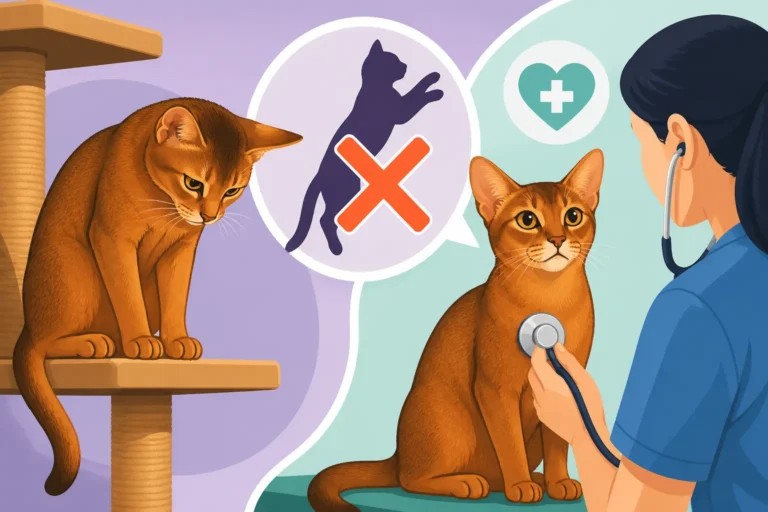
For your Abyssinian, annual veterinary check-ups are non-negotiable, even if they appear perfectly healthy. These visits allow your vet to perform a thorough physical examination, checking their eyes, ears, teeth, heart, lungs, and palpating their abdomen for any abnormalities. They'll also monitor their weight and discuss any changes in behavior or appetite you might have observed. These routine examinations are often the first line of defense, catching subtle issues before they escalate into serious problems.
Beyond the physical exam, preventative care includes appropriate vaccinations to protect against common feline diseases, even for indoor cats, as some airborne viruses or pathogens brought in on clothing can still pose a risk. Parasite control, including regular deworming and flea/tick prevention, is also essential. For older Abyssinians, and sometimes even younger ones depending on family history, your vet may recommend routine bloodwork and urinalysis. This is especially true for senior cats, as detailed in When a Middle Aged Abyssinian Needs Yearly Bloodwork. These tests can provide valuable insights into organ function, particularly kidney health, which is a concern for the breed, and thyroid function, which can become an issue in older cats.
Consider your vet your partner in your Abyssinian's health journey. Don't hesitate to ask questions or voice any concerns, no matter how minor they seem. Early detection of issues, even subtle ones like a slight change in blood values or a murmur, can lead to timely interventions that significantly improve outcomes and extend quality of life. Investing in consistent preventative care is one of the most loving and impactful things you can do for your Abyssinian.
Dental Health: A Silent Killer
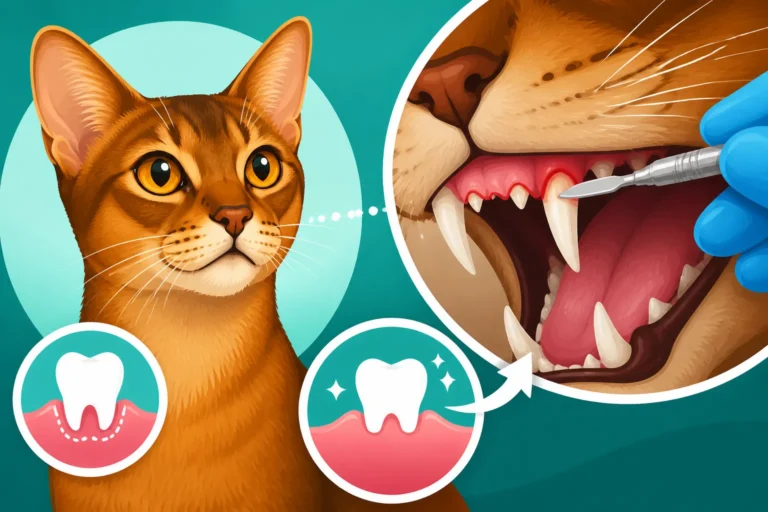
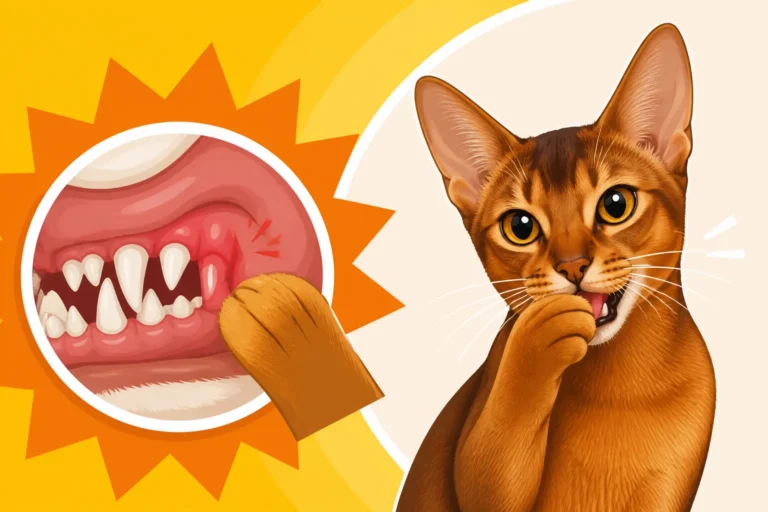
Dental health might not be the first thing you think of when considering your Abyssinian's lifespan, but it is incredibly important. Abyssinians are unfortunately prone to dental issues, particularly a condition known as juvenile gingivitis, which can start surprisingly early in life. This condition involves severe inflammation and overgrowth of the gum tissue, often manifesting when they are just kittens, around six months old, as discussed in Why an Abyssinian Kitten's Gums Fail at Six Months. If left untreated, this can lead to painful tooth resorption and premature tooth loss.
Beyond juvenile gingivitis, all cats are susceptible to periodontal disease, a progressive condition involving inflammation of the gums (gingivitis) and supporting structures of the teeth (periodontitis). Plaque and tartar build-up lead to bacterial infections that not only cause bad breath and pain in the mouth but can also spread to other vital organs like the heart, kidneys, and liver, causing systemic illness and significantly shortening their lifespan. It's a silent killer because cats are masters at hiding pain, and you might not notice a problem until it's advanced.
Regular professional dental cleanings under anesthesia are often necessary to effectively remove plaque and tartar below the gum line and assess for any underlying issues. For Abyssinians, these cleanings may be needed more frequently than for other breeds, sometimes even yearly, as emphasized in How Often an Abyssinian Needs Its Teeth Cleaned. Daily tooth brushing at home, using cat-specific toothpaste and a small brush, is the gold standard for preventative dental care and should ideally be started when they are kittens. While dental care can be a significant expense, proactive attention to their oral health is a direct investment in their overall health and longevity, preventing serious secondary conditions that could otherwise curtail their years.
Recognizing Subtle Signs of Illness
One of the biggest challenges with Abyssinians is their incredible ability to hide illness and pain. Their inherent energy and stoicism, often described as "toughing it out," means that by the time you notice overt symptoms, an underlying condition might be quite advanced. This makes an owner's keen observation skills and intuition absolutely critical for early detection. Subtle changes in behavior are often the first, and sometimes only, clue that something is amiss.
Look for changes that deviate from your cat's normal routine or personality. Is your normally boisterous Aby less interested in play? Are they sleeping more than usual, or in unusual places? A slight decrease in appetite, even if they're still eating something, can be a warning sign. Are they drinking more water than usual, or is their litter box output different (more urine, straining to urinate, or loose stools)? Subtle lameness, difficulty jumping to their usual high spots, or a sudden disinterest in grooming are all red flags. For conditions like kidney failure, which can strike early, increased thirst and urination are often the earliest indicators, as noted in What Kidney Failure Looks Like in a Young Abyssinian.
Never dismiss a sudden change in your Abyssinian's behavior as just "being a cat." If you notice anything out of the ordinary that persists for more than a day or two, or any acute symptoms like vomiting, diarrhea, lethargy, or difficulty breathing, contact your veterinarian immediately. When it comes to Aby health, waiting and watching can be detrimental. Prompt veterinary attention, especially for a cat that naturally hides pain, is crucial. Having robust pet insurance coverage, like a plan from Healthy Paws, can provide peace of mind and ensure you can pursue diagnostic tests and treatments without financial hesitation when these critical situations arise. Being proactive and attuned to your Abyssinian's unique personality and habits can be the difference between catching an illness early and facing a much more challenging, and potentially life-limiting, advanced stage.
Supporting Your Senior Abyssinian
As your vibrant Abyssinian approaches their golden years, typically around the age of 10-12, their needs will gradually shift. While they may still retain much of their youthful zest, providing tailored care for their senior years is crucial for maintaining their quality of life and extending their comfortable companionship.
Adjusting to the Golden Years
It's a beautiful journey watching your Abyssinian grow from an energetic kitten to a distinguished senior. While their playful spirit may never truly disappear, you'll likely notice a gradual slowing down. They might nap more, their bursts of frantic energy might become shorter, and climbing to the very top of the highest cat tree may become less frequent. This isn't a sign of illness necessarily, but a natural part of aging. However, it's vital not to mistake a genuine slowdown from discomfort for just "getting old."
Adjusting their environment can significantly improve their comfort. Provide ramps or lower steps to help them access their favorite high perches without straining aging joints. Ensure their bedding is soft and warm, perhaps with orthopedic options if they show signs of stiffness. Their metabolism might also slow down, requiring slight adjustments to their diet to prevent weight gain while still ensuring they receive adequate protein for muscle maintenance. Regular, gentle play sessions are still important for mental and physical health, but adapt them to their pace.
The key to Caring for an Abyssinian Past Ten is a combination of continued vigilance and compassionate adaptation. Continue to provide mental stimulation with puzzle toys and gentle interaction, as their minds remain sharp. The goal is to make their environment as comfortable and accessible as possible, allowing them to continue enjoying their favorite activities without unnecessary strain. This thoughtful approach ensures their golden years are filled with dignity and comfort.
Senior Health Challenges
With advancing age, Abyssinians, like all cats, become more susceptible to certain health challenges. Regular senior wellness checks, often recommended twice a year after age 10, become even more critical. These visits will typically include a comprehensive blood panel to monitor kidney and liver function, thyroid levels (hyperthyroidism is common in older cats), and blood cell counts. A urinalysis is also essential for early detection of kidney disease or urinary tract infections. Blood pressure monitoring is another important screening, as hypertension can lead to kidney disease, heart problems, or blindness.
Arthritis is a common concern in senior cats, especially in active breeds like Abyssinians who spend a lifetime jumping and climbing. You might notice stiffness, reluctance to jump, or difficulty using the litter box. Your vet can recommend pain management strategies, including supplements, anti-inflammatory medications, or physical therapy. Dental disease, if not meticulously managed throughout their younger years, can become severe, causing significant pain and impacting their ability to eat. Regular dental care remains paramount.
While some age-related conditions are inevitable, early detection and proactive management can significantly improve your senior Abyssinian's quality of life and often slow the progression of diseases. It's about maintaining a strong partnership with your vet, being observant at home, and being prepared to provide the extra care and attention your beloved senior deserves. Having pet insurance, perhaps a plan from Healthy Paws, can be incredibly beneficial for these increased veterinary needs that often arise in their later years.
Maintaining Quality of Life
Beyond addressing specific health issues, maintaining an excellent quality of life for your senior Abyssinian is paramount. This involves a holistic approach that focuses on comfort, mental well-being, and continued loving interaction. Their sharp minds still need engagement, so continue with gentle puzzle feeders, short play sessions with wand toys, and lots of verbal interaction. While their physical agility may wane, their intelligence and curiosity certainly don't.
Comfort is key. Ensure they have easy access to warm, soft resting spots away from drafts. Consider heated beds, especially in cooler climates, as an older cat's ability to regulate body temperature can diminish. Grooming might become more challenging for them due to arthritis or stiffness, so gentle, regular brushing from you can help prevent mats and keep their coat healthy, while also serving as a bonding opportunity. Ensure their litter boxes have lower sides for easy entry and exit, and consider adding more litter boxes in accessible locations around the house.
The greatest gift you can give your senior Abyssinian is your continued presence and affection. They thrive on routine and companionship. Spend quality time cuddling, gently petting them, and simply being near them. Watch for any subtle signs of pain or discomfort and address them promptly with your vet. Making these adjustments and continuing to shower them with love will ensure their final years are as happy, comfortable, and dignified as possible, a testament to the incredible bond you share.
The Breeder's Role in Abyssinian Longevity
The foundation of a long and healthy life for your Abyssinian is often laid long before they ever come home with you. A responsible breeder plays an absolutely critical role in minimizing genetic risks and ensuring your kitten starts life with the best possible chance at longevity.
Choosing a Responsible Breeder
Finding a responsible Abyssinian breeder is perhaps the single most important decision you'll make when bringing one of these wonderful cats into your home. A good breeder doesn't just produce kittens; they dedicate themselves to preserving and improving the breed's health, temperament, and conformation. This involves extensive research, careful selection of breeding pairs, and a deep commitment to the well-being of every cat in their cattery. In contrast, a "backyard breeder" or kitten mill focuses on quantity over quality, often neglecting essential health screenings and proper care, which can lead to a lifetime of health problems for the kitten.
A truly responsible breeder will be transparent about the health history of their breeding lines. They will readily provide proof of genetic testing for conditions like Pyruvate Kinase Deficiency (PKD) and Progressive Retinal Atrophy (PRA-rdAc) for both the parents of your potential kitten. In fact, What an Abyssinian Breeder Should Have Tested Before You Buy outlines these essential screenings. They should be able to discuss the health and longevity of their cats' ancestors, particularly regarding Renal Amyloidosis, which lacks a direct genetic test. They'll ask you many questions about your lifestyle and experience to ensure a good match, and they'll likely have a waiting list, as ethical breeding is not a fast process.
Visiting the cattery in person (or doing a video tour if distance is an issue) is invaluable. The cats should appear healthy, well-socialized, and live in a clean, stimulating environment. Look for kittens that are active, curious, and comfortable interacting with people. A breeder who allows you to meet the queen (the mother cat) and possibly the sire will demonstrate their transparency and confidence in their breeding program. This careful selection process is your best defense against future heartbreak and ensures you are supporting ethical practices that benefit the entire Abyssinian breed.
Understanding Health Guarantees
When you acquire an Abyssinian kitten from a responsible breeder, you'll typically receive a written contract that includes a health guarantee. Understanding the specifics of this guarantee is crucial, as it outlines the breeder's commitment to the health of the kitten you're purchasing. These guarantees usually cover genetic conditions that can be tested for, such as PKD and PRA-rdAc, for a specified period, often one or two years. If a kitten develops one of these conditions within the guarantee period, the contract may stipulate a replacement kitten or a refund.
However, it's equally important to understand what a health guarantee might not cover, or where its limitations lie. For instance, conditions for which there is no genetic test, like Renal Amyloidosis, are often excluded or have very specific clauses. Given the devastating nature of amyloidosis and the inability to test for it genetically, breeders cannot guarantee against it in the same way they can for DNA-tested conditions. In these cases, the guarantee might rely more on the transparency of family history, and the breeder's promise to replace a cat if an early death occurs due to a condition known in their lines.
The contract will also likely outline your responsibilities as the owner, such as providing regular veterinary care, maintaining a proper diet, and notifying the breeder immediately if any health concerns arise. Always read the contract thoroughly and ask for clarification on any points you don't understand before signing. A reputable breeder will be happy to explain their health guarantee in detail. While a health guarantee provides some peace of mind, it's not a substitute for due diligence in selecting a breeder or for obtaining pet insurance for unforeseen medical needs, perhaps through a provider like Healthy Paws, that can arise throughout your Abyssinian's entire life.
| Health Concern | Type of Condition | Genetic Test Available? | Typical Onset | Impact on Lifespan | Preventative Measures |
|---|---|---|---|---|---|
| Pyruvate Kinase Deficiency | Genetic | Yes | Variable, often < 5yrs | Can be severe | Breeder DNA testing, avoid carrier x carrier matings |
| PRA-rdAc | Genetic | Yes | < 5 yrs (blind by 5) | Quality of life | Breeder DNA testing, avoid affected/carrier matings |
| Renal Amyloidosis | Genetic (complex) | No | 1-7 yrs | Very severe | Pedigree research, blood/urine screening, hydration |
| Juvenile Gingivitis | Inflammatory | No (predisposition) | 6-12 months | Dental health, systemic | Daily brushing, professional cleanings, diet |
| Periodontal Disease | Acquired | No | Any age, progressive | Systemic health | Daily brushing, professional cleanings, vet checks |
| Arthritis | Age-related | No | 8+ yrs | Mobility, comfort | Weight management, joint supplements, vet care |
| Hyperthyroidism | Age-related | No | 10+ yrs | Systemic health | Regular vet checks, blood panel screening |
Disclaimer
The information provided in this guide is for general informational purposes only and does not constitute veterinary advice. Always consult with a qualified veterinarian for any health concerns or before making any decisions related to your Abyssinian's health and care.