Why an Abyssinian Ignores the Bed You Bought It
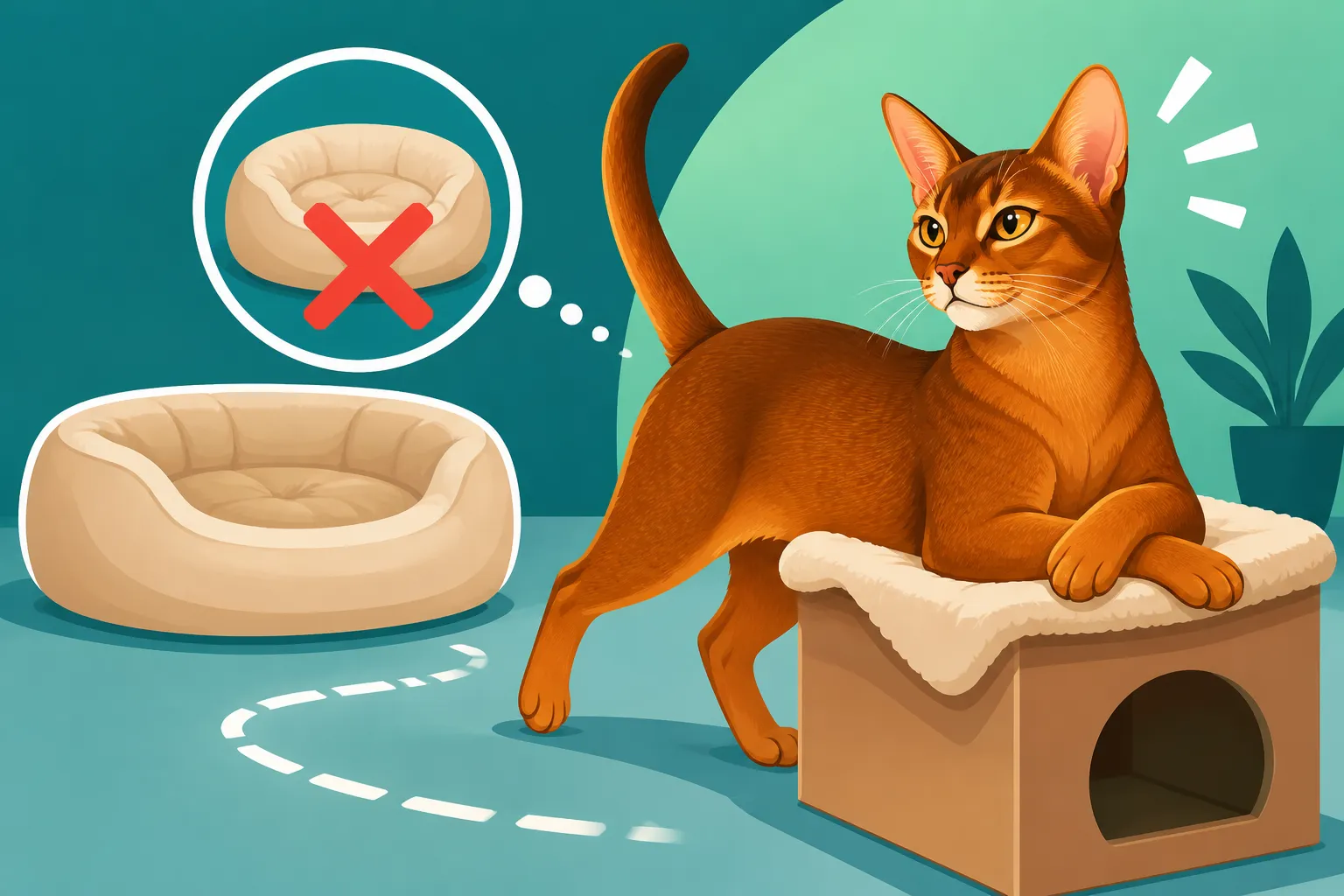
It’s a tale as old as time for many Abyssinian owners: you spend good money on a plush, cozy, aesthetically pleasing cat bed, only for your energetic, curious feline to sniff it once and then curl up in the cardboard box it came in, or, even worse, the coldest, highest shelf in the house. This can be incredibly frustrating, leaving you wondering why your Abyssinian seems to actively avoid the comfort you’ve so thoughtfully provided. This guide will dive deep into the unique preferences and instincts of the Abyssinian breed, helping you understand why they reject traditional beds and how you can create sleeping and resting spots they'll actually adore.
The Abyssinian's Innate Drive for Height and Observation
One of the biggest reasons your Abyssinian might be turning their nose up at that lovely, soft bed on the floor is their hardwired instinct to seek high ground. Abyssinians are incredibly active, intelligent cats, and their natural curiosity often leads them to the highest vantage points in your home. They don't just want to relax; they want to observe. This isn't laziness; it's vigilance, even in a safe home environment.
Think about it from their perspective: a low, enclosed bed on the floor means limited visibility. They can't survey their kingdom, track the movement of their human companions, or keep an eye on potential "prey" (like dust bunnies or that intriguing fly buzzing near the window). They need to be where the action is, or at least where they can see it all unfold. This means if you place a bed on the floor, no matter how luxurious, it's immediately at a disadvantage compared to the top of a bookshelf or a tall cat tree. An Abyssinian Needs Height More Than It Needs Floor is not just a suggestion; it's a fundamental truth for this breed.
This strong preference for elevation means that any bed or resting spot you introduce needs to compete with the natural allure of vertical spaces. They want to be above you, peering down with those intelligent, almond-shaped eyes. They want to feel secure in their perch, knowing they have a clear escape route or can simply watch the world go by from a safe distance. A ground-level bed, no matter how soft, just doesn't offer that sense of strategic advantage or engagement that an Abyssinian craves.
Why Your Abyssinian Prefers Harder Surfaces
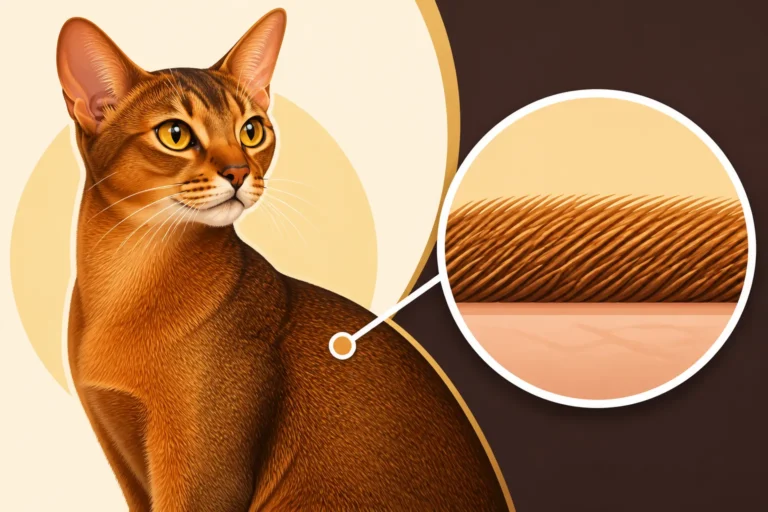
Beyond height, many Abyssinian owners are surprised to find their cats choosing a hard, unyielding surface over a plush cushion. You might see them stretched out on a bare floorboard, a cold tile, or even the top of a wooden cabinet. This often comes down to their unique coat and body temperature regulation. Abyssinians have a beautifully fine, short coat with very little undercoat. This means they don't have the insulating fluff that many other breeds possess, which can make them more prone to feeling warm.
When an Abyssinian wants to cool down, a soft, fluffy bed can actually make them hotter. The plush material traps heat, creating a warmer environment than they desire. A hard surface, on the other hand, allows for better heat dissipation and a cooler resting spot. They aren't seeking discomfort; they're seeking optimal body temperature. This is especially true after one of their famous bursts of energy, which happens quite often given how active they are.
This preference ties into why Why a Coat With No Undercoat Leaves an Abyssinian Cold is such a critical consideration for their comfort. While they might feel cold in winter if not given adequate warmth, during active periods or in a warmer room, they'll instinctively seek out cool surfaces. So, that lovely, thick, orthopedic bed you bought might feel amazing to a human, but to a temperature-sensitive Abyssinian, it's like trying to sleep under a heavy blanket on a summer day.
The Desire for a Clear Line of Sight
Abyssinians are not typically "burrowers" or "hiders" when it comes to sleeping, at least not in the same way some more shy or security-focused breeds might be. While they appreciate a sense of security, their natural confidence and intense curiosity mean they want to see what's happening around them. A bed with high sides or a deep, cave-like structure, while marketed as cozy, can actually feel restrictive and block their view.
They want to be able to lift their head and immediately assess their surroundings. This goes back to their observational instincts. They want to know if you're heading to the kitchen (perhaps for a snack they can supervise), if the door is opening, or if a new shadow just moved across the room. A bed that obscures their view or makes them feel trapped can quickly be abandoned in favor of an open shelf or a broad window sill where they have an unimpeded panorama. Why an Abyssinian Ends Up on Top of the Fridge perfectly illustrates this need for a commanding view.
This doesn't mean they don't value comfort, but their definition of comfort is often tied to environmental control and situational awareness. They prefer to be in a position where they can quickly engage with their environment or make a graceful exit if something truly catches their attention. That luxurious donut bed might seem perfect to us, but for an Abyssinian, it could feel like being stuck in a tunnel when they'd rather be on the lookout from a mountain peak.
Common Reasons Traditional Beds Are Rejected
So, you’ve put down a beautiful bed, perhaps even a heated one, and your Abyssinian still opts for the laundry pile or a hard chair. It’s enough to make you throw your hands up! But before you resign yourself to them never using a cat bed, let's explore some common, solvable reasons why they might be giving your chosen comfort zone the cold shoulder.
It often boils down to a mismatch between what we perceive as comfortable and what truly aligns with their instincts and physical needs. We envision a soft, warm cloud, but they might be dreaming of a cool, firm perch. Understanding this difference is key to figuring out how to cater to their unique preferences.
Location, Location, Location
This is arguably the most significant factor. Where you place the bed is far more important than the bed itself for an Abyssinian. Placing a bed on the floor in a low-traffic area might seem logical for peace and quiet, but for an Abyssinian, it could feel isolated or, conversely, too vulnerable. They love to be involved, to observe, and to be close to their humans, but on their terms.
A bed placed in a quiet corner on the floor often gets ignored because it doesn't meet their need for verticality or a clear view. They might not feel safe enough to truly relax if they can't see what's coming or going. Consider placing beds on high shelves, on top of sturdy pieces of furniture, or investing in tall cat trees with platforms that can hold a small, firm cushion. A window perch, even a simple one, often gets more use than a fancy floor bed because it satisfies their desire to observe the outside world. This ties back to Why an Abyssinian Sleeps Higher Than Any Other Cat – they seek out elevation naturally.
If you have a designated "cat room" or quiet space, try elevating the bed within that room. Use wall-mounted shelves, sturdy boxes, or multi-level cat furniture. The goal is to get that bed off the ground and into a prime observational spot. Even a spot on a desk or a chest of drawers, as long as it's safe and stable, can be a winning location.
Texture and Material Preferences
While we often gravitate towards plush, fluffy fabrics for cat beds, Abyssinians might have different ideas. As mentioned earlier, their fine coats mean they regulate temperature differently. A thick fleece or faux fur bed might be too warm for them, especially during warmer months or if they've just had an intense play session.
They often prefer smoother, cooler fabrics that don't trap as much heat. Think about what they seek out when left to their own devices: a cool tile floor, a smooth wooden surface, a tightly woven blanket, or even a stack of clean laundry. Consider beds made with breathable cotton, canvas, or even those elevated mesh beds that allow air circulation. Some Abyssinians even enjoy a simple, thin mat or a folded towel over a hard surface. The key is offering options with different textures and seeing what they gravitate towards. You might find a simple, flat cushion or a firm, low-pile rug from a retailer like Amazon is preferred over the most luxurious velvet number.
If you still want to offer warmth, especially in colder climates or for older Abyssinians (who may appreciate extra warmth as they age), try a bed with a removable, cooler cover, or a self-warming mat that reflects their own body heat rather than generating additional warmth. But always remember, the underlying desire for coolness often overrides perceived softness.
Size and Shape Matters (Less Than You Think for Them)
We often buy beds that seem perfectly sized for a cat to curl up in, sometimes with high, supportive sides. For an Abyssinian, however, the "perfect" bed might be something entirely different. They are sleek, agile cats, and they often stretch out completely rather than curling into a tight ball, especially when they're simply resting and observing. A small, enclosed donut bed can feel confining rather than cozy.
They tend to prefer more open spaces where they can stretch out fully, whether on their back with all four paws in the air, or lengthwise across a surface. A rectangular mat or a larger, flatter cushion might be more appealing than a small, round bed with high walls. The feeling of being able to sprawl and extend their long, elegant bodies is often a priority. This is why Which Litter Box Suits a Long Bodied Abyssinian even considers their length – they appreciate space.
Instead of focusing on "bed-like" shapes, think about flat, stable platforms. This could be a sturdy window perch, a large shelf, or even a soft throw placed on a wide armchair. They might appreciate the option to use a small, firm cushion on a large, high platform rather than being constrained by the bed itself.
Creating Appealing Sleep Spots: What They Actually Like
So, if traditional cat beds are often a bust, what do Abyssinians actually like? The good news is, once you understand their core preferences, it's quite easy to create sleeping arrangements that they will not only tolerate but genuinely love and use. It's about thinking like an Abyssinian, not a human.
It's less about the plushness and more about the practicality and alignment with their natural behaviors. Don't be discouraged if your initial attempts fall flat; it's a learning process to truly understand your individual cat's quirks.
Elevated Platforms and Perches
This is the golden rule for Abyssinian comfort. If you want them to use a "bed," get it off the floor. Abyssinians thrive on height. Look for sturdy cat trees with multiple levels, wall-mounted shelves, or even clear some space on top of a bookshelf or dresser. The higher, the better, often within reason. How Many Vertical Levels an Abyssinian Needs is often more than you might initially think.
Once you have a high platform, you can then add a minimal amount of cushioning. A thin, firm mat, a soft towel, or a small, flat cushion can be placed on these elevated spots. The key is that the primary draw is the height and the view, not the bed itself. These elevated spots become their observation decks, their napping zones, and their general command centers. Brands like Chewy and Amazon offer a fantastic array of wall-mounted cat shelves and multi-level cat trees that are perfect for creating these vertical havens. Look for sturdy options that can withstand an Abyssinian's energetic leaps.
Consider also a sturdy window perch. Abyssinians love to watch the world go by, whether it's birds, squirrels, or just the rustling leaves on a tree. A soft, thin cushion on a window perch will likely see far more use than any floor bed. Make sure it's secure and comfortable enough for them to truly relax while they "supervise" the neighborhood.
Warmth (When They Choose It)
While Abyssinians often seek cooler surfaces during their active periods, they also appreciate warmth, especially when they are truly settling down for a deep sleep or during colder months. The trick is to offer warmth as an option, not as the default setting for every sleeping spot. Why an Abyssinian Finds the Warmest Spot Without Help is true, they're experts at finding it themselves.
Consider a self-warming pad that reflects their body heat rather than an electrically heated bed, as these can sometimes be too intense. You can place a self-warming pad on a favorite chair, an elevated platform, or even just in a sunbeam. Another option is a simple, soft fleece blanket that they can knead and arrange themselves. They may choose to use it, or they may push it aside for a cooler spot. The choice is theirs.
During winter, Abyssinians will often seek out radiators, sun puddles, or even snuggle up next to you under a blanket. Providing a few blankets or small, soft throws in various locations, especially elevated ones, allows them to choose when and where they want that extra warmth. Just ensure they can easily move away if they get too warm. How to Keep an Abyssinian Warm in Winter covers more ways to ensure they're comfortable.
Open and Accessible Resting Spots
Rather than deep, enclosed beds, Abyssinians often prefer open, easy-to-access resting spots. They don't typically like to feel "stuck" or confined. This goes back to their desire for a clear line of sight and the ability to get up and move at a moment's notice.
Think about what makes a surface appealing:
- Easy entry and exit: No high sides to climb over.
- Enough space to stretch: A flat, wide surface where they can fully extend their bodies.
- Good visibility: A spot where they can see what's happening around them.
Instead of a traditional bed, consider a large, flat cushion, a firm foam pad, or even just a thick, folded blanket on a favored piece of furniture. A sturdy cardboard box turned on its side can also be a surprising hit, offering a sense of enclosure without blocking their view entirely. Even sturdy shipping boxes can be repurposed into temporary cat havens your Abyssinian might love more than their expensive bed.
Alternative Comfort Solutions That Work
Sometimes, the answer isn't a "bed" at all, but rather creative solutions that blend seamlessly with your Abyssinian's adventurous and observant nature. These aren't just places for them to sleep; they're extensions of their environment that support their active lifestyle.
Don't be afraid to experiment with different setups. What works for one Abyssinian might not work for another, even within the same household. Pay close attention to where your cat naturally chooses to rest and try to replicate those conditions.
Cat Trees and Wall-Mounted Furniture
This is where the magic happens for an Abyssinian. Cat trees aren't just for scratching; they are multi-level homes that cater to an Abyssinian's need for height, climbing, and observation. Look for trees with large, stable platforms at varying heights. Many even include little cubbies or hammocks, which some Abyssinians might occasionally use for a deep nap, especially if they are high up and offer a sense of security. How High an Abyssinian Will Climb means you shouldn't shy away from the tallest options.
Wall-mounted cat shelves and bridges are another fantastic investment. These allow you to create a personalized, vertical playground and resting space that your Abyssinian will adore. You can strategically place a small, thin mat or a piece of carpet on these shelves to provide a touch of comfort without compromising the height or view. These systems, readily available from retailers like Chewy or Amazon, allow you to integrate their climbing and resting areas into your home decor. Why Wall Shelves Work Better Than a Tree for an Abyssinian for some cats is due to the customization and space-saving aspects.
When installing wall furniture, ensure it's incredibly sturdy and anchored properly. An Abyssinian will test its limits, and a wobbly shelf is a recipe for disaster. The more secure and stable the elevated spot, the more likely your Abyssinian is to trust it and use it as a prime resting location.
Window Perches and Radiator Beds
These are simple yet highly effective options for providing comfortable rest spots. A sturdy window perch, whether suction-cupped to the glass or mounted to the sill, offers the ultimate view for an outdoor-loving Abyssinian. They can spend hours watching birds, squirrels, and passersby, often dozing off while still "on guard." Add a thin, washable mat to the perch for a touch of softness.
Radiator beds are particularly popular in colder climates. These hammock-style beds hang securely from a radiator, providing a warm, elevated, and often comfortable spot for an Abyssinian to snooze. This combines their love for warmth (when they seek it) with their desire to be off the floor. Just ensure the bed is well-made and can support your cat's weight, and always monitor the radiator's temperature to ensure it's not uncomfortably hot.
Both window perches and radiator beds offer a clear line of sight, which is crucial for the Abyssinian temperament. They are not about deep, enclosed comfort, but rather about strategic relaxation where they can still feel connected to their environment.
Human Furniture: The Ultimate Abyssinian Bed
Let's be honest, for many Abyssinians, the most comfortable "bed" in the house is your sofa, your favorite armchair, or even your own bed. They love to be near their humans, often perching on the back of the sofa, draped over an armrest, or nestled against your side while you're reading or watching TV. These spots offer warmth (from you!), elevation, and the constant stimulation of human activity.
Instead of fighting it, embrace it. If your Abyssinian consistently chooses your expensive couch over their new bed, perhaps that's where their "bed" belongs. You can place a soft blanket or a small, flat cushion on their favored spot on the sofa to make it even more appealing. They might even decide that their favorite pillow on your bed is the best place to nap during the day.
The key is understanding that for an Abyssinian, "comfort" is often less about a dedicated pet item and more about integration into the family's living space, combined with their inherent need for height and observation. When What an Old Abyssinian Stops Using the Top Shelf, they might become even more reliant on human-level comfort, making your furniture their primary domain. By providing accessible, elevated, and observant spots, you'll finally create the kind of resting zones your Abyssinian will truly cherish.
| Feature Desired by Abyssinians | Traditional Cat Bed Offering | Best Alternative for Abyssinians |
|---|---|---|
| Height/Elevation | Usually floor-level | Multi-level cat trees, wall shelves, window perches |
| Clear Line of Sight | Often enclosed, high sides | Open platforms, wide perches |
| Temperature Regulation | Plush, heat-trapping fabrics | Cool, smooth surfaces (tile, wood), breathable fabrics, self-warming pads (optional) |
| Space to Stretch | Small, round, donut shapes | Larger, flat mats, rectangular cushions |
| Activity & Engagement | Static, isolated | Integrated with human activity, views of outside world |
| Security (Observational) | Deep, burrow-like | High vantage points with escape routes |
Disclaimer
This article is for general informational purposes only and does not constitute professional advice. Laws, prices and regulations vary by location and change over time. Consult a qualified professional for guidance on your specific situation.